Lester Dent is best 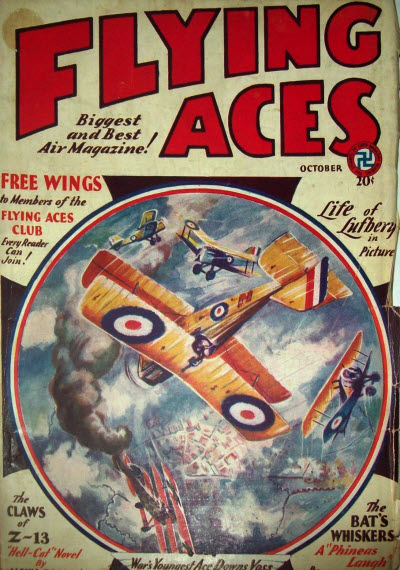 known as the man behind Doc Savage. But he wrote all number of other stories before he started chronicling the adventures of everyone’s favorite bronze giant. Here we have an intriging tale which seems to be the start of a character he never got back to—The Black Bat. From the October 1932 issue of Flying Aces we present “The Blue Ghost Patrol!”
Hot on the trail of those two traitor ships from his own base flew the Black Bat, famous Allied secret agent whose face no man had ever seen. Suddenly five Albatrosses swooped down and sent him crashing into the sea. But in the next second they had gone on—and their Spandaus were hammering at the two traitor ships!
If you enjoyed this story, Black Dog Books has put out an excellent volume collecting 11 of Lester Dent’s early air stories set against the backdrop of World War !. The book includes this story as well as others from the pages of War Birds, War Aces, Flying Aces, Sky Birds and The Lone Eagle. It’s The Skull Squadron! Check it out.
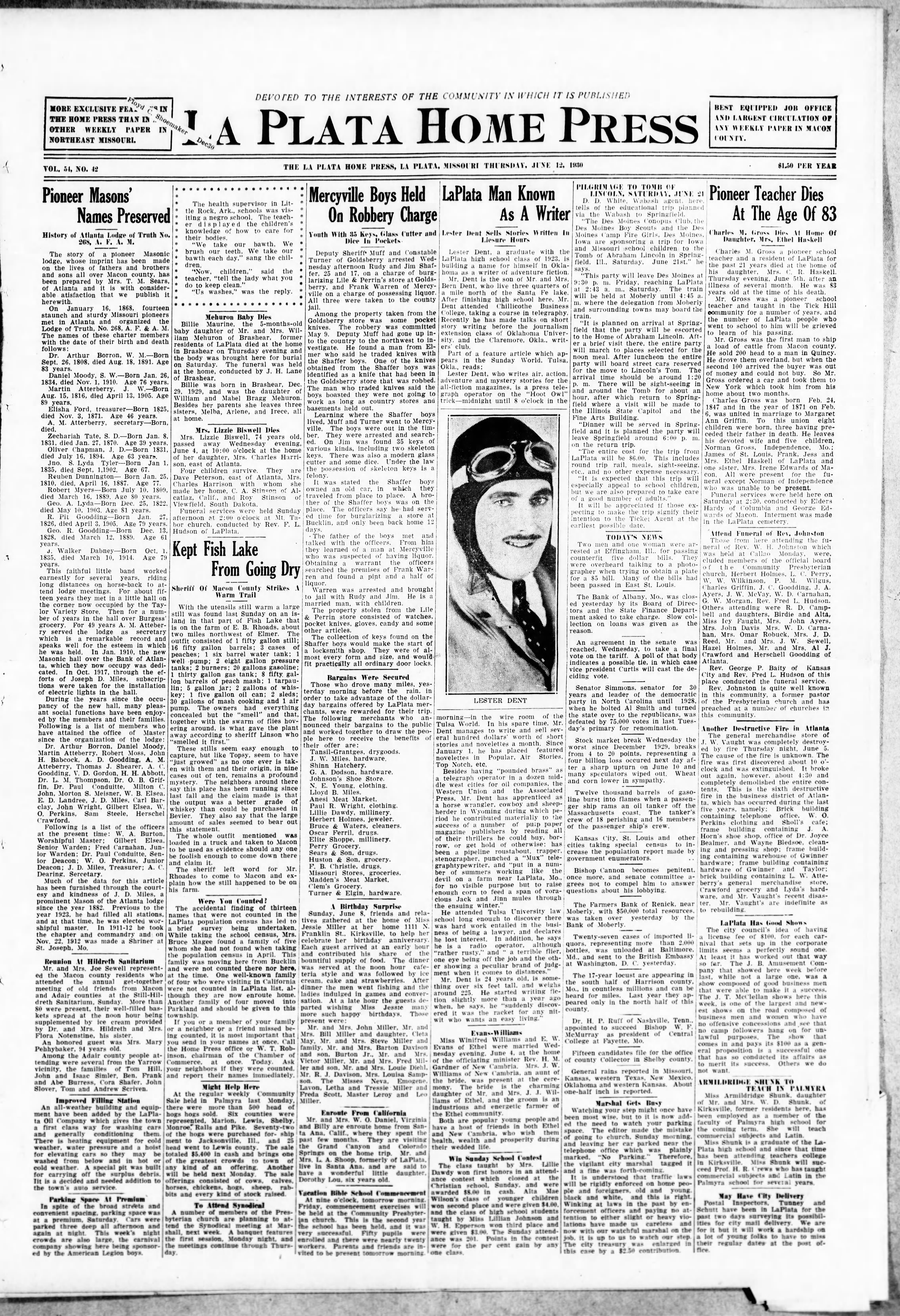
And as a bonus, here’s a plucky article from Lester’s home town paper, The LaPlata Home Press, about his early success selling stories to the pulps while working as a telegraph opperator in Tulsa, Oklahoma!
LaPlata Man Known As A Writer
Lester Dent Sells Stories Written In Liesure Hours
The LaPlata Home Press, LaPlata, MO • 12 June 1930
Lester Dent, a graduate with the Plata high school class of 1923, is building a name for himself in Oklahoma as a writer of adventure fiction.
Mr. Dent is the son of Mr. and Mrs. Bern Dent, who live three quarters of a mile north of the Santa Fe lake. After finishing high school here, Mr. Dent attended Chillicothe Business College, taking a course in telegraphy. Recently he has made talks on short story writing before the journalism extension class of Oklahoma University, and the Claremore, Okla., writers club.

Part of a feature article which appears in the Sunday World, Tulsa, Okla., reads:
Lester Dent, who writes air, action, adventure and mystery stories for the all-fiction magazines, is a press telegraph operator on the “Hoot Owl” trick—midnight until 8 o’clock in the morning—in the wire room of the Tulsa World. In his spare time, Mr. Dent manages to write and sell several hundred dollars’ worth of short stories and novelettes a month. Since January 1, he has placed featured novelettes in Popular, Air Stories, Top Notch, etc.
Besides having “pounded brass” as a telegraph operator in a dozen middle west cities for oil companies, the Western Union and the Associated Press, Mr. Dent has apprenticed as a horse wrangler, cowboy and sheep-herder in Wyoming during which period he contributed materially to the success of a number of pulp paper magazine publishers by reading all of their thrillers he could buy, borrow, or get hold of otherwise: has been a pipeline roustabout, trapper, stenographer, punched a “Mux” tele-graph typewriter, and “put in a number of summers working like the devil on a farm near LaPlata, Mo., for no visible purpose but to raise enough corn to feed a span of voracious Jack and Jinn mules through the ensuing winter.”
He attended Tulsa University law school long enough to discover there was hard work entailed in the business of being a lawyer, and declares he lost interest. In addition, he says he is a radio operator, although “rather rusty,” and “a terrible flier, one eye being off the job and the other showing a peculiar brand of judgment when it comes to distances.”
Mr. Dent is 24 years old, is something over six feet tall, and weighs around 225. He started writing fiction slightly more than a year ago when, he says, he “suddenly discovered it was the racket for any nitwit who wants an easy living.”





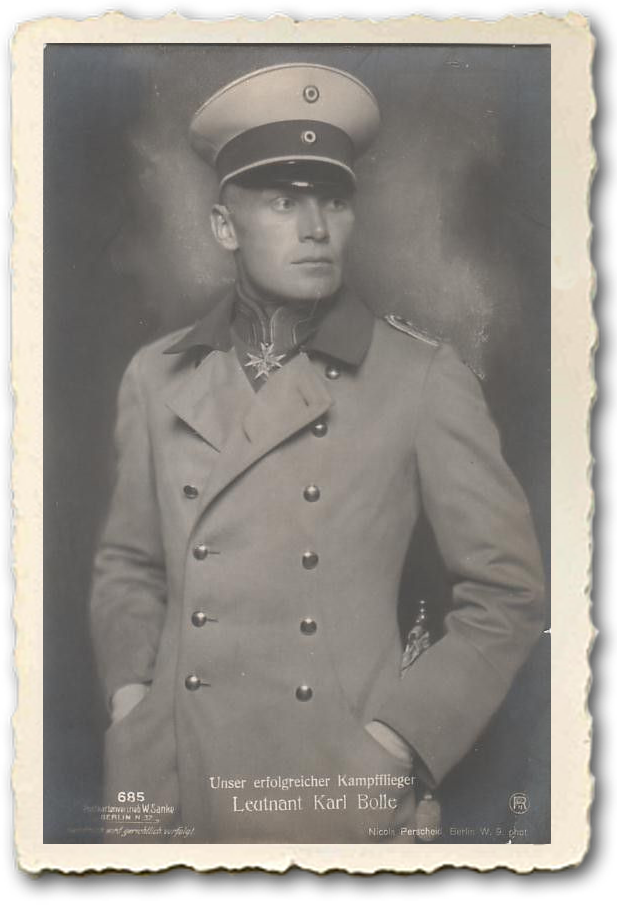 of Eugene Frandzen’s “Lives of the Aces in Pictures” from the pages of Flying Aces Magazine. The series ran for almost four years with a different Ace featured each month. This time around we have the August 1935 installment featuring the illustrated biography of the last leader of the Jagdstaffel Boelcke—Carl Bolle!
 This week we have a tale from the pen of a dare-devil adventurer, aviator, soldier and war correspondent—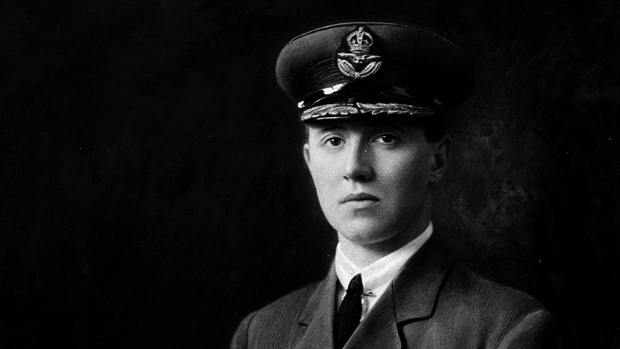
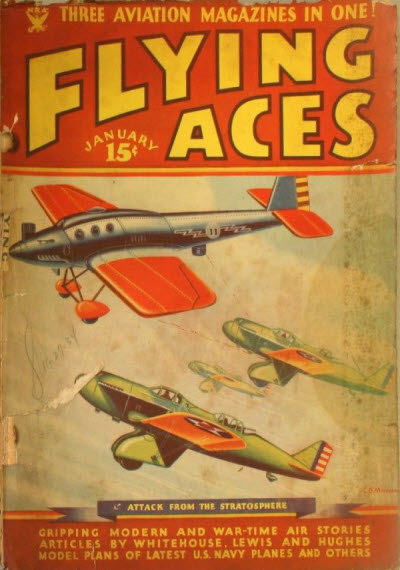 You heard right! That marvel from Boonetown, Iowa is back and there is a spy in their midst—surely it’s not the latest recruit to the 9th Pursuit Squadron—Lt. Harold Bartholomew Cheeves, the one man on the base that truely gets Pinkham!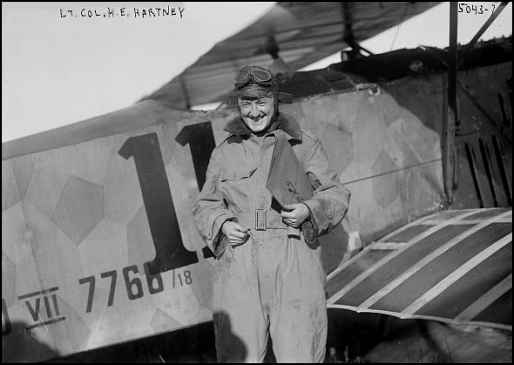
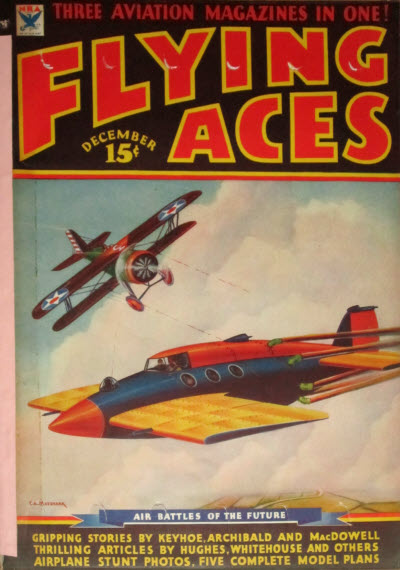 That sound can only mean one thing—that Bachelor of Artifice, Knight of Calamity and an alumnus of Doctor Merlin’s Camelot College for Conjurors is back to vex not only the Germans, but the Americans—the Ninth Pursuit Squadron in particular—as well. Yes it’s the marvel from Boonetown, Iowa himself—Lieutenant Phineas Pinkham!
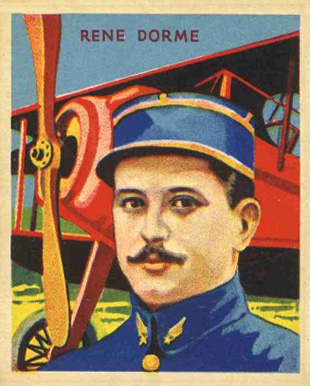 of
of 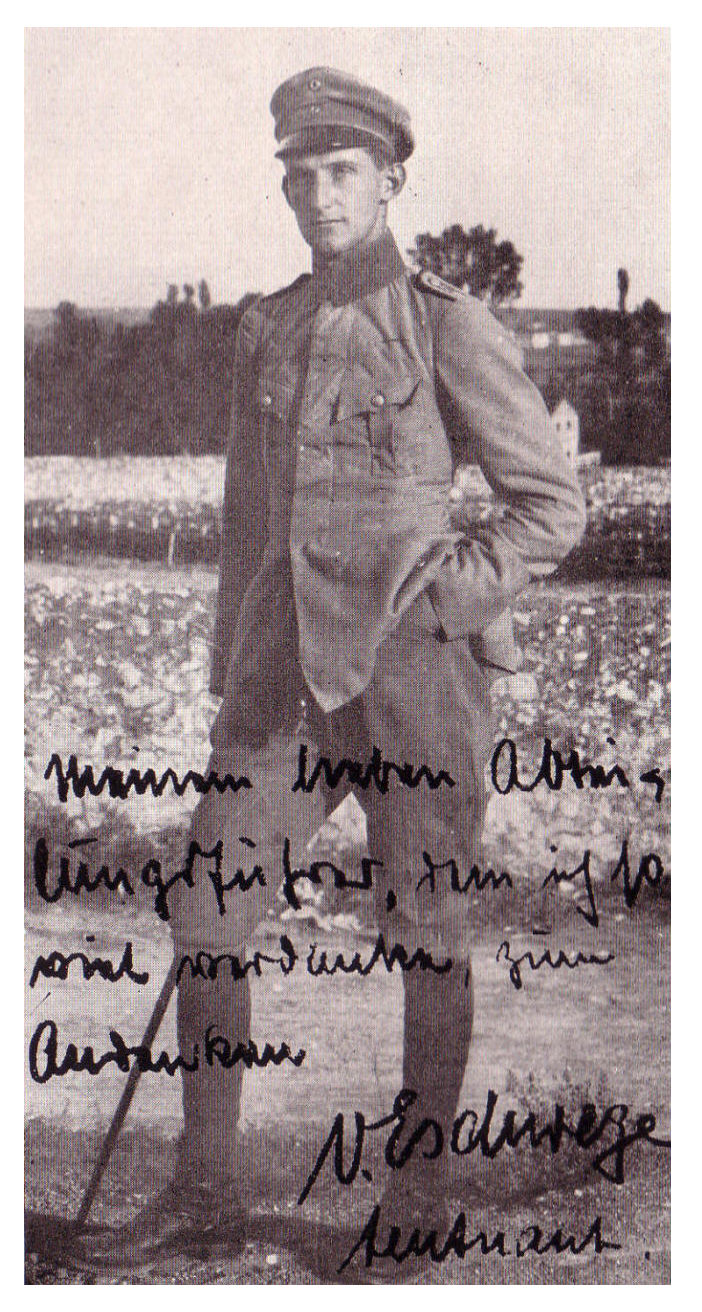 of
of  You heard right! That marvel from Boonetown, Iowa is back! And if things aren’t rough enough for Major Rufus Garritty with Pinkham about—imagine the horror if there were two Pinkhams! Say it ain’t so!
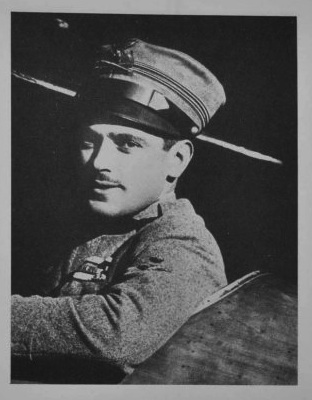 with 26 victories and an additional six unconfirmed! He is beat by the great Francesco Baracca who is credited with 34 victories, but Baracca did not survive the war. Scaroni did and went on to help establish a flying school for the Chinese Air Force at Loyang and set up an aircraft plant to produce Fiat fighters and Savoia-Marchetti bombers under license.
 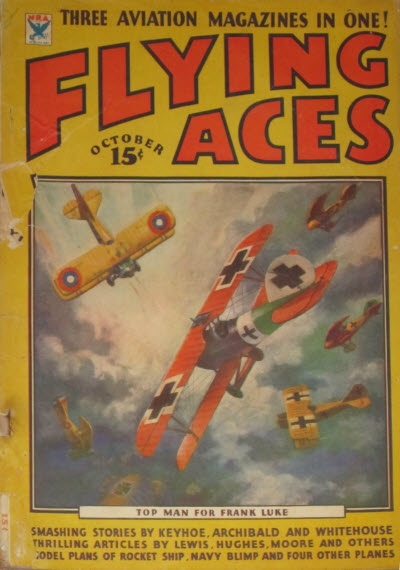 angle worm, according to the old maxim, will turn and put up its dukes when sorely beset. The lowly worms of this story, of course, are the buzzards of Major Rufus Garrity’s Ninth Pursuit Squadron. Their tormenter, Lieutenant Phineas Pinkham, born on April Fool’s day, cradled in conjury and reared in raillery, perhaps had never heard about the deceptiveness of the proverbial worm. A worm had never kicked back at the amazing, freckle-faced, buck-toothed pilot from Boonetown when he was attaching it to the end of a fishhook. Nevertheless, Phineas should have known that he who lives by the sword will sooner or later get a taste of cutlery.
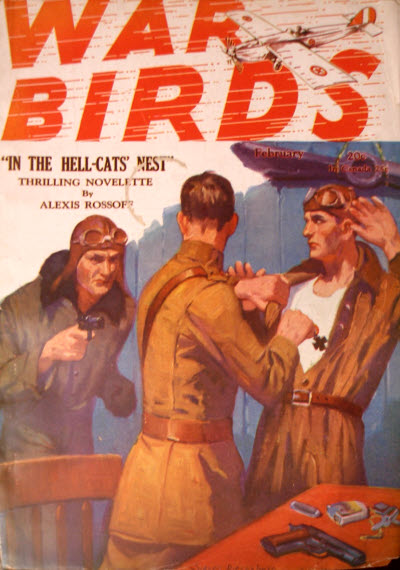 the third of three Three Mosquitoes stories we’re presenting this month. This week Kirby is hand-picked to to currier valuble war plans from Paris to Colonel Drake at his own drome. Sounds easy enough—but nothing is ever easy when there are more spys from imperial inteligence than frenchmen on the route. And Kirby is told he must either deliver the plans or make sure they are utterly destroyed if they fall into enemy hands! It’s another exciting tale of Ralph Oppenheim’s The Three Mosquitoes that originally ran in the February 1929 number of War Birds magazine!
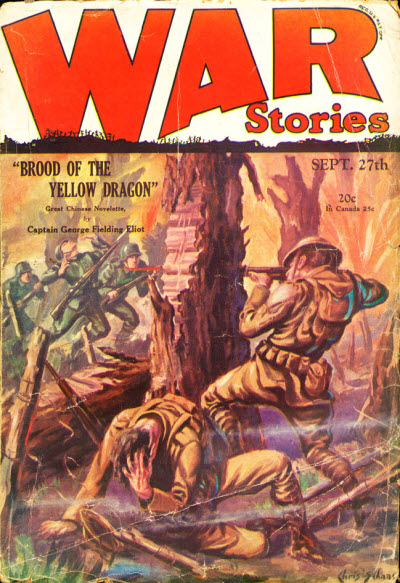 the second of three Three Mosquitoes stories we’re presenting this month. This week Kirby is tasked with flying a spy over the lines who as is usually the case, actually a german spy masquerading as a G-2 agent. When Shorty Carn and Travis realize what has happened, will they be able to reach Kirby in time? Find out in Ralph Oppenheim’s “Passengers of Death” originally published in the September 27th, 1928 issue of War Stories!