


“The Zep Buster” by John Scott Douglas
THIS week we have story by 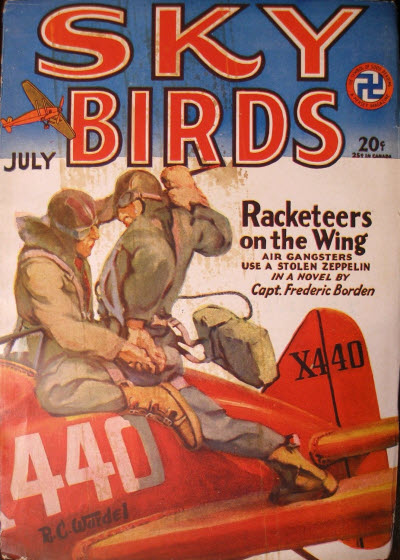 John Scott Douglas. Douglas was a prolific pulp author who generally wrote aviation and adventure fiction. His stories appearing frequently in the pages of Sky Birds, Flying Aces, and Sky Fighters.
“The Zep Buster” tells the story of young Bud Talbot—a crack shot on the training planes at Spike Center, Arizona. He has a record so good, it’s held up as an example to all the would-be pilots that have been slacking off; this includes a childhood tormentor of his who just happens to be training there as well, Milt Laramy. Unable accept his own shortcomings, Milt cuts Bud down verbally saying he’s a coward and a mama’s boy every chance he gets. And when they are both assigned to the same squadron in Isoudon, Milt only ramps it up. But War proves who has what it takes and who’s the shrinking coward.
From the July 1929 Sky Birds, it’s John Scott Douglas’ “The Zep Buster!”
If you want to be thrilled to the marrow; if you like blazing air stories; if you have any sympathy for the under dog—read this gripping yarn. Hot action! What more could you want?
- Download “The Zep Buster” (July 1929, Sky Birds)
AS A bonus, here’s a brief bio of sorts from the back book jacket cover of The Secret of the Undersea Bell, winner of the Boys’ Life-Dodd, Mead Prize Competition!
 JOHN SCOTT DOUGLAS tells us: “It was more to keep my hand in at typing than because of any literary aspirations that in my early years I published scores of brief items in a country newspaper and the Seattle Post-Intelligencer, a column in my high-school paper, and contributed to the University of Washington Columns. Not until I entered the Graduate School at Harvard, however, did I attempt to write for national magazines. Of the many scripts written during my two years at Harvard but few sold. Nevertheless, at twenty-one, when my first substantial check for a story reached me the day I received my master’s degree, I went to New York, determined to write for a living. Since then I’ve published somewhat over a thousand scripts—fiction from short-shorts to novels, and non-fiction in both article and book lengths.
“Much of this output was based on material gathered in travel through many of our states and three trips to Alaska and seventeen foreign countries of Europe, the West Indies, Central and South America. I am convinced that no amount of research an author can do will give him material as vital as that picked up first hand.
“My hobbies of mountain and desert camping, fresh and salt-water fishing, bee-keeping and photography have a way of creeping into my stories and nonfiction pieces. However, my most interesting personal experiences have been the many months I’ve spent at sea on all manner of ships and boats ranging from freighters to Indian dugouts. 1 was the first writer permitted to make the Westward Cruise on America’s largest lighthouse tender, the Coast Guard cutter Cedar. Some of my most fascinating experiences have been on California fishing boats—purse-seiners, tuna, swordfishing and abalone boats. I’ve spent several months with the deep-sea divers who pry shellfish known as abalones from undersea ledges. When resting after several turns below, the abalone fishermen have been kind enough to put me down in their diving dresses.” The Secret of the Undersea Bell, winner of the Boys’ Life-Dodd, Mead Prize Competition, is based on these first-hand experiences.
And look for more stories by JOHN SCOTT DOUGLAS this year!
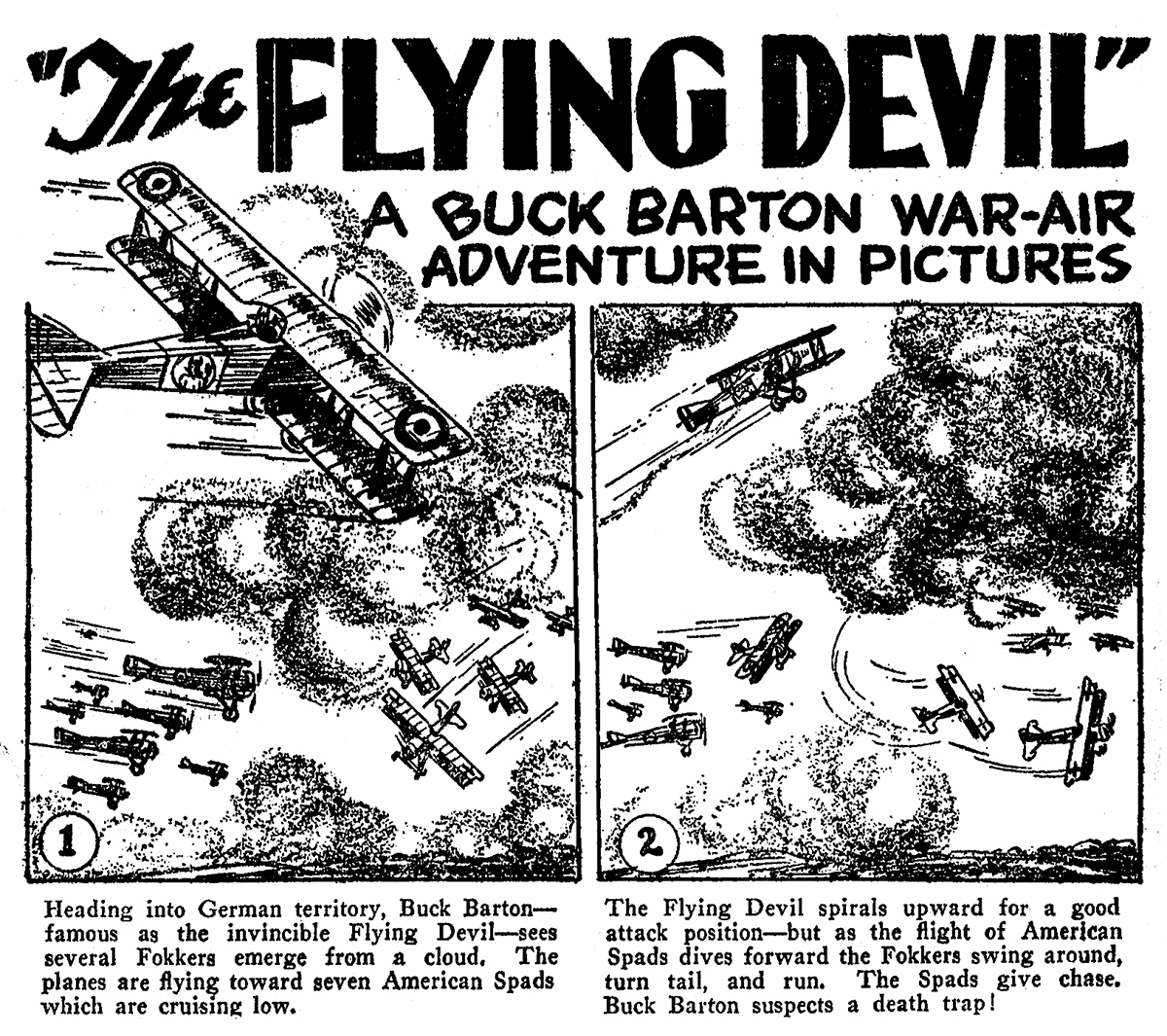
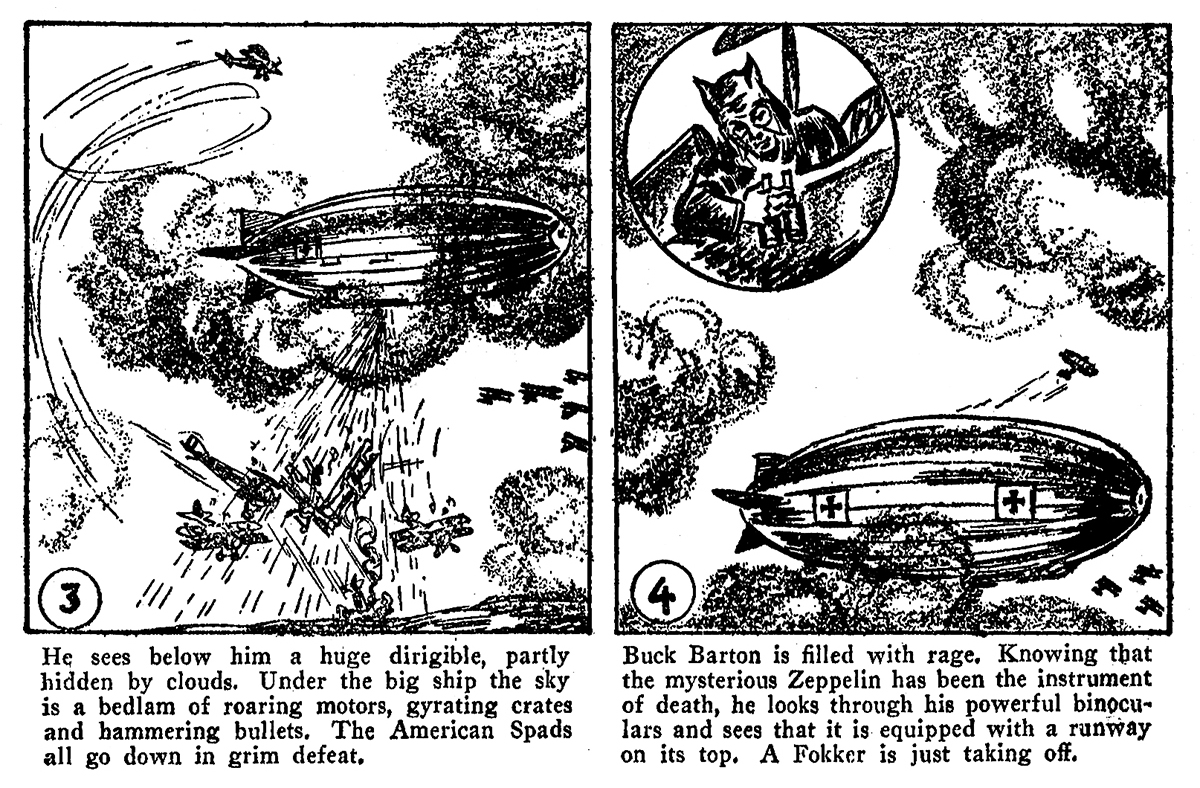
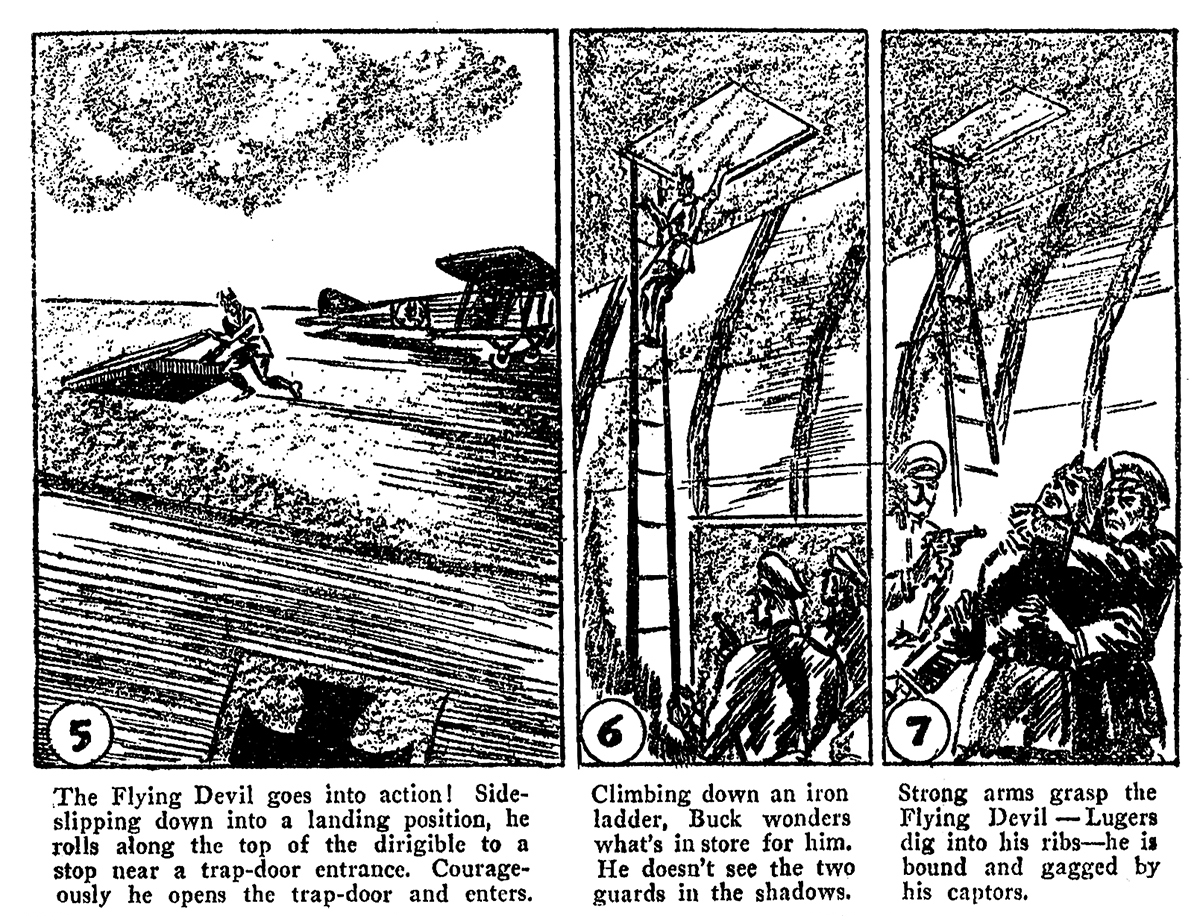
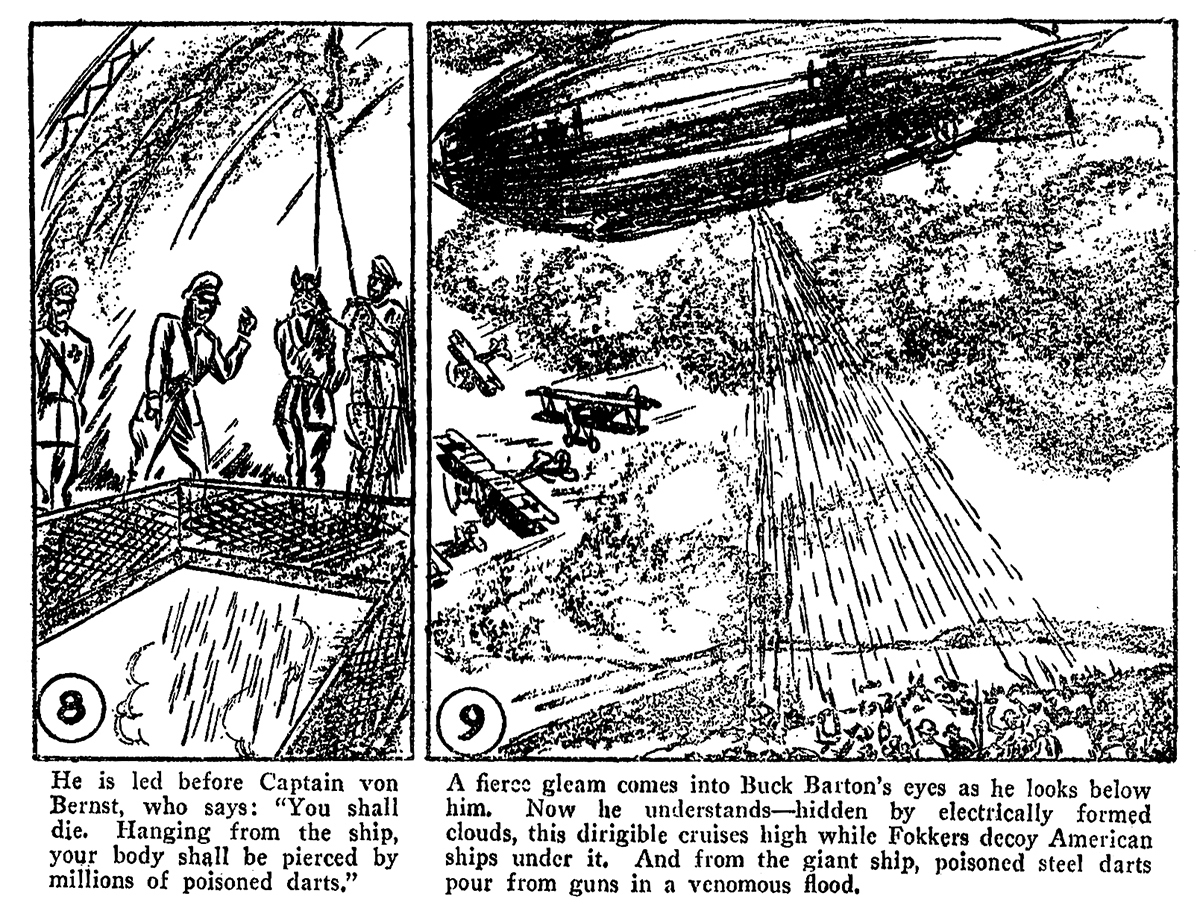
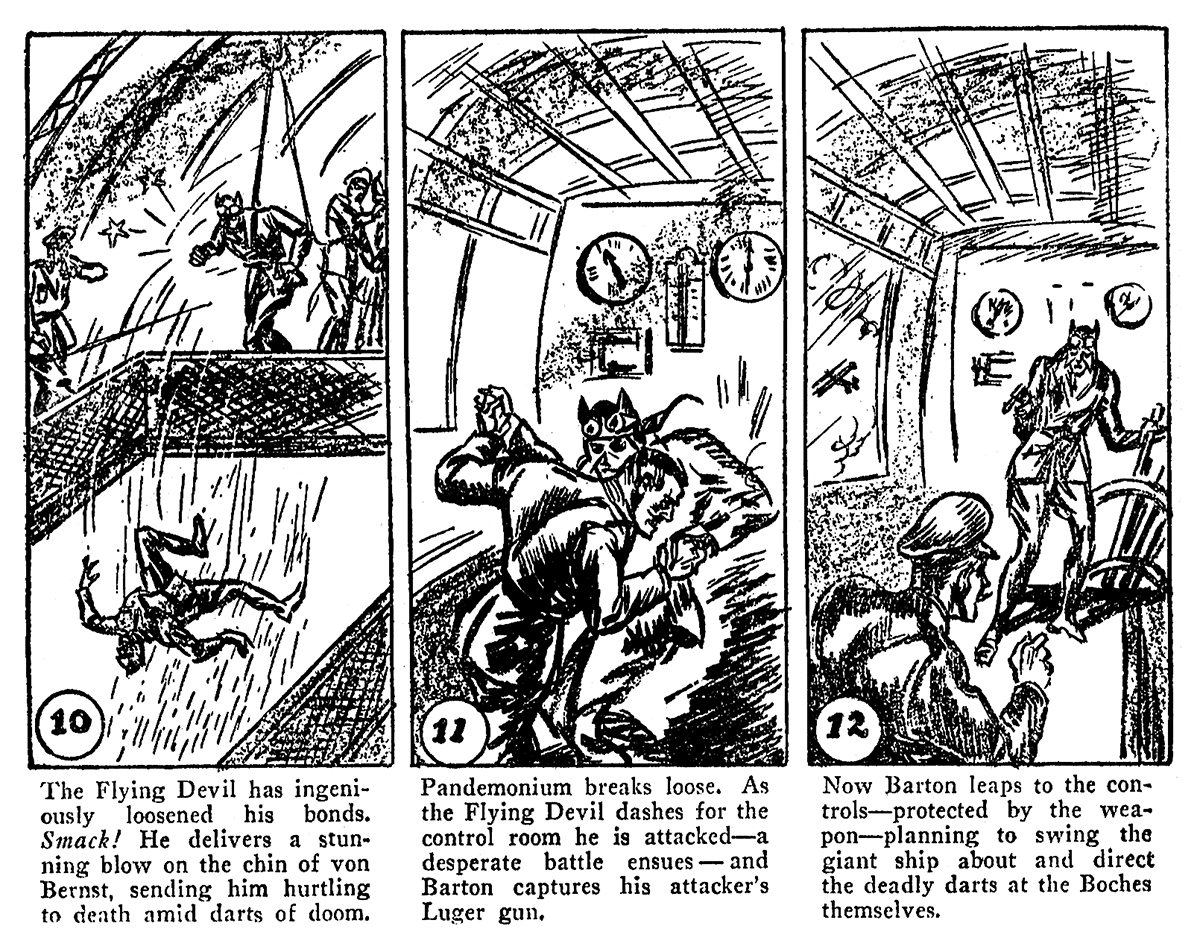
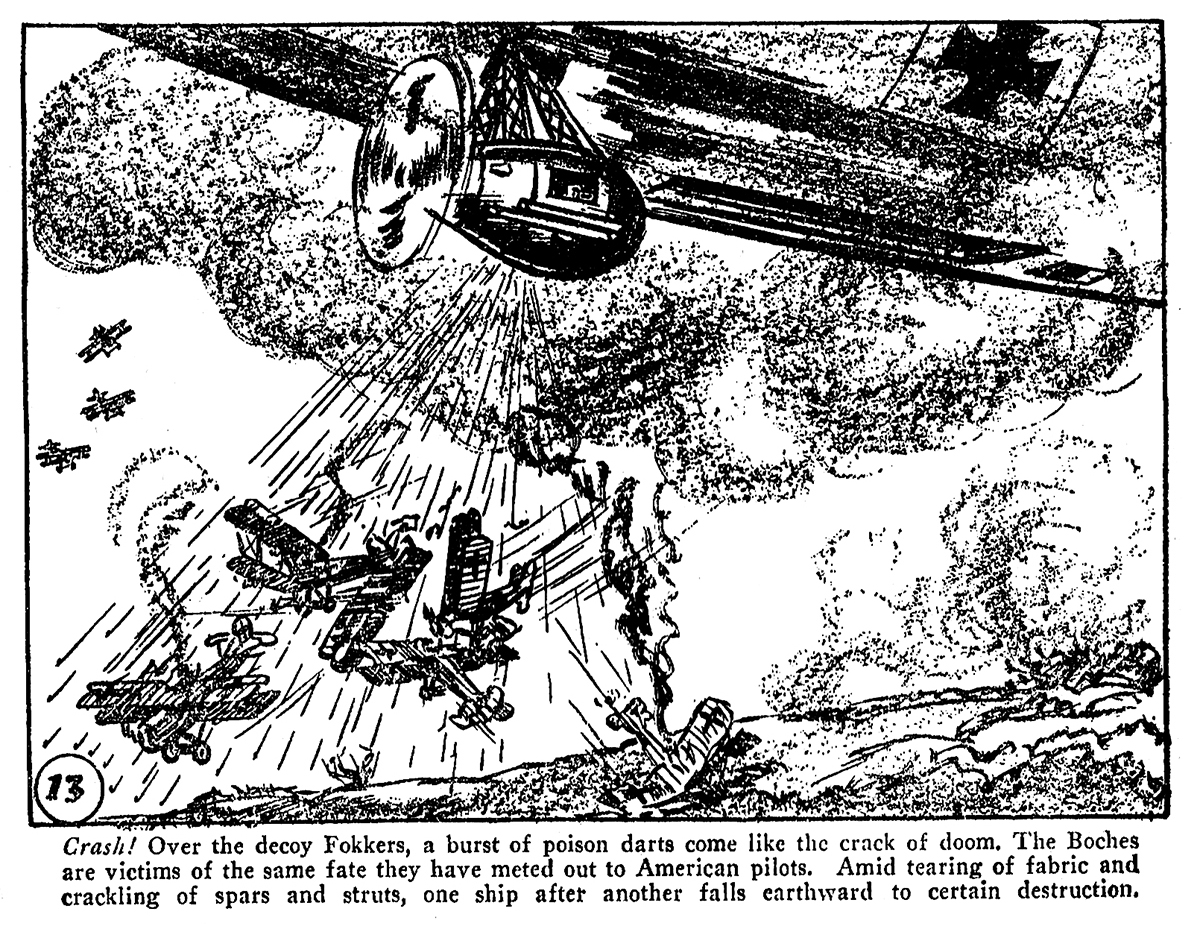
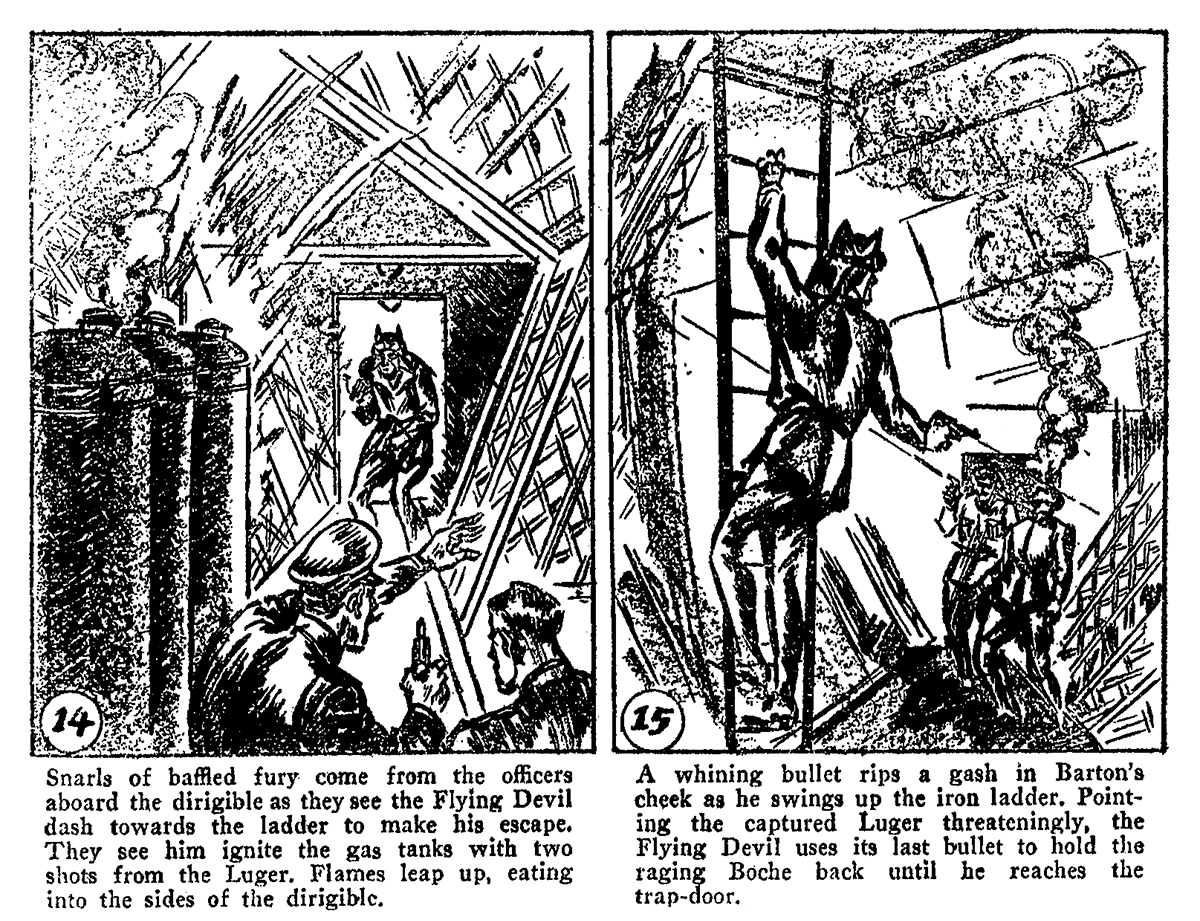
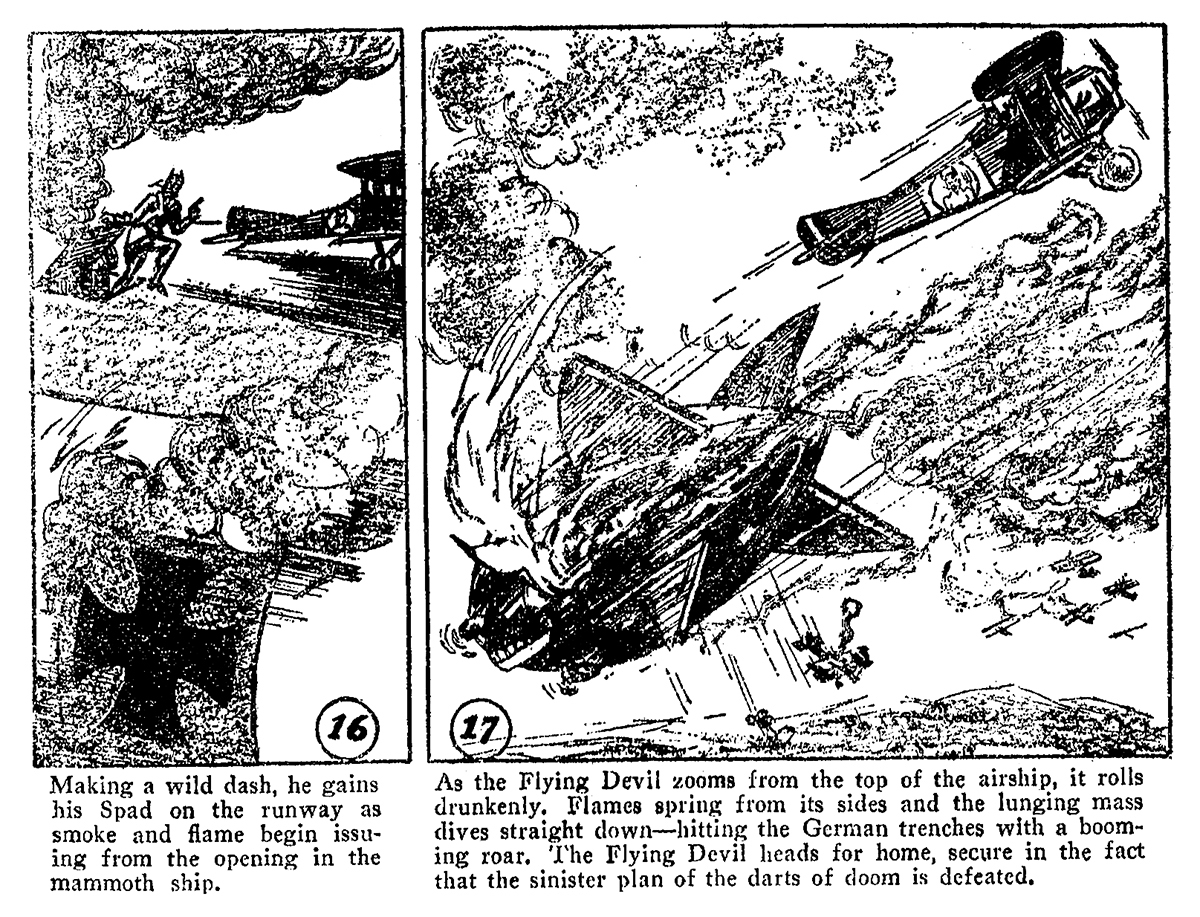
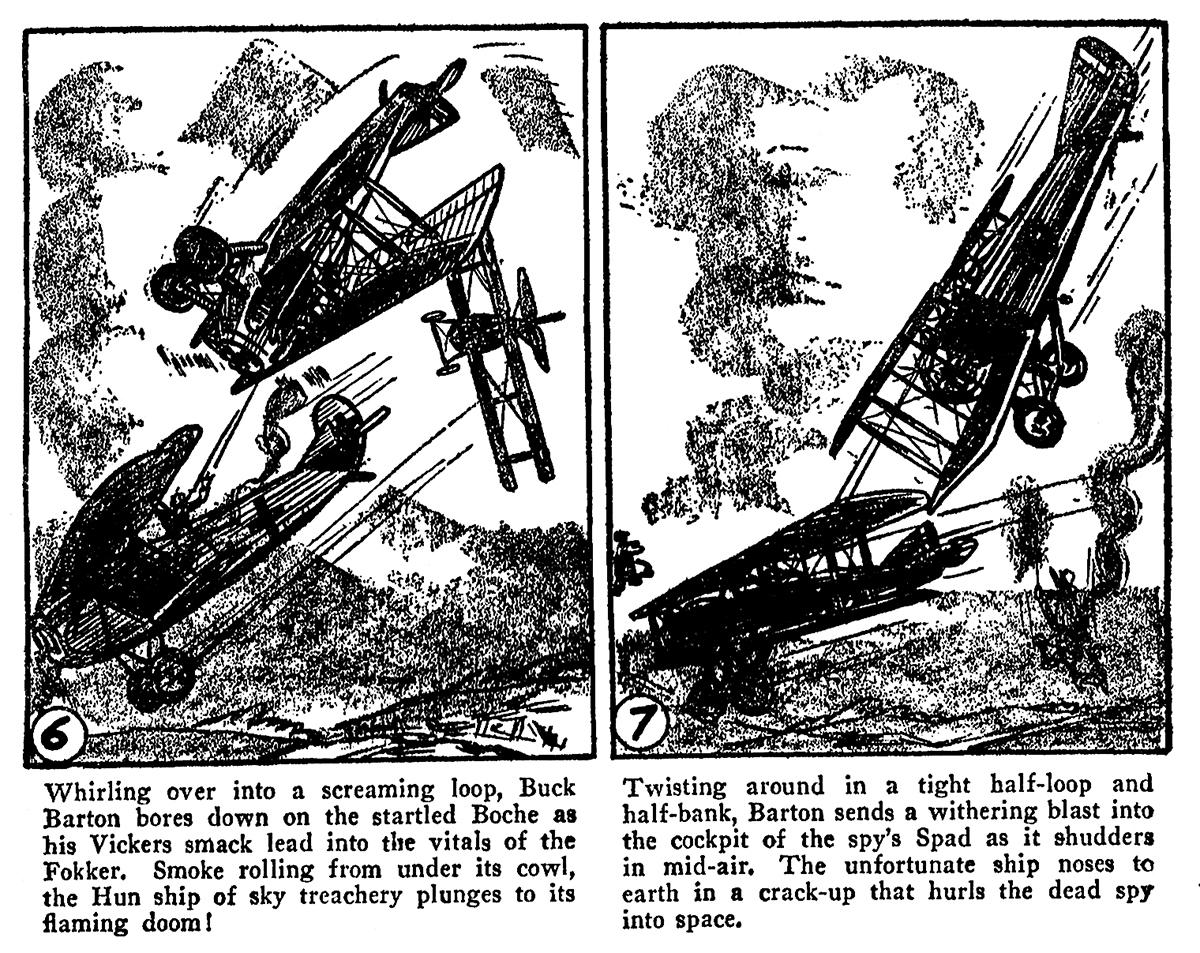
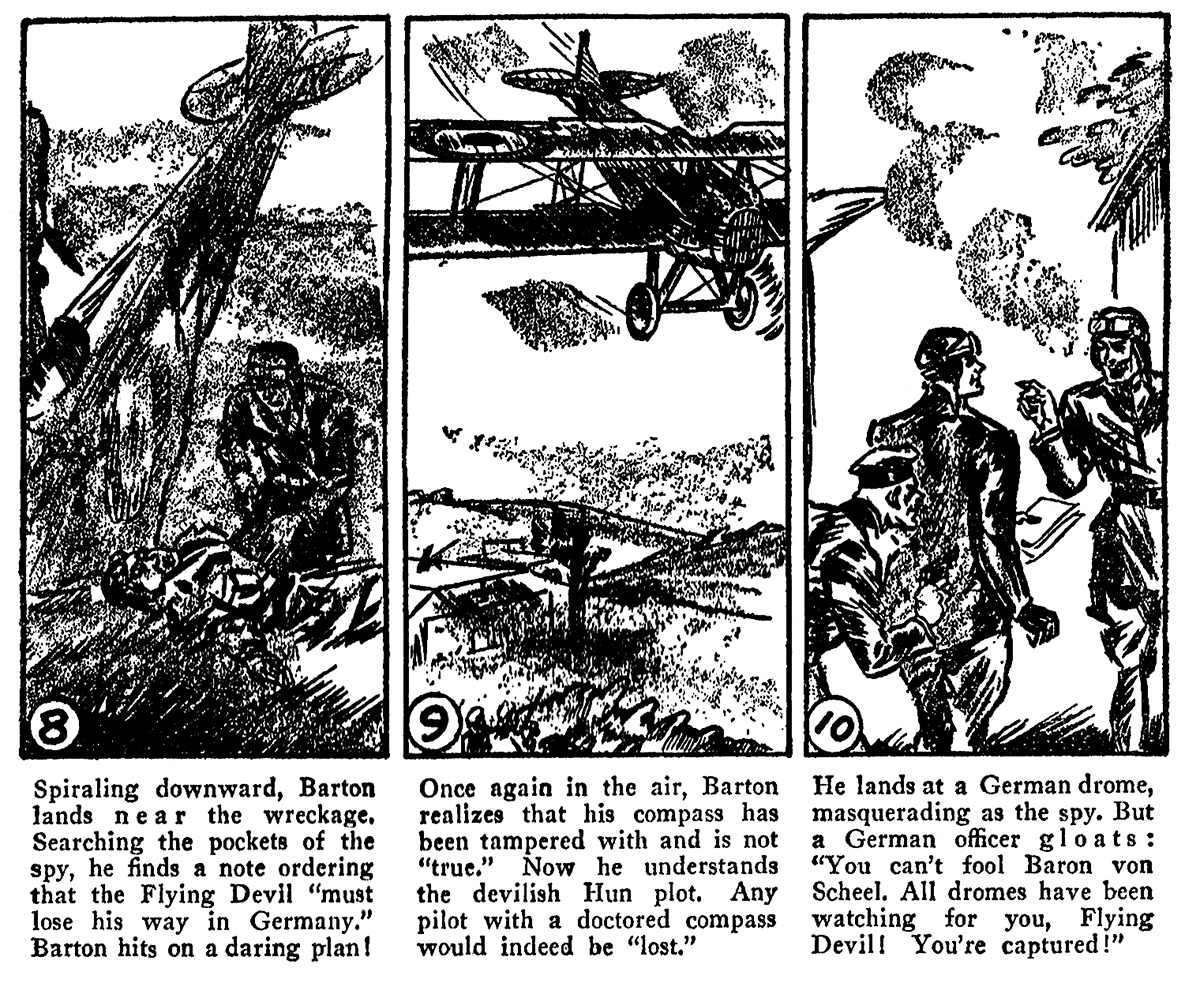
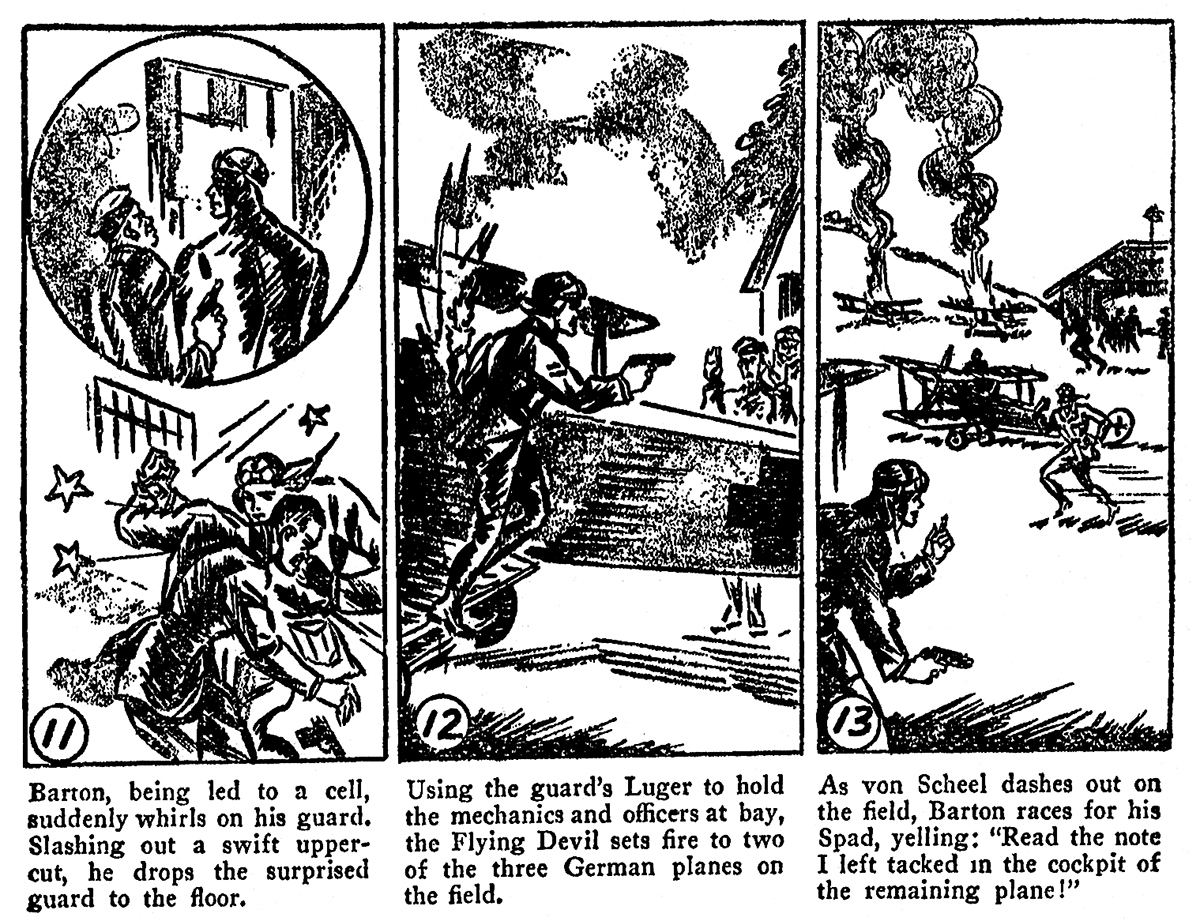
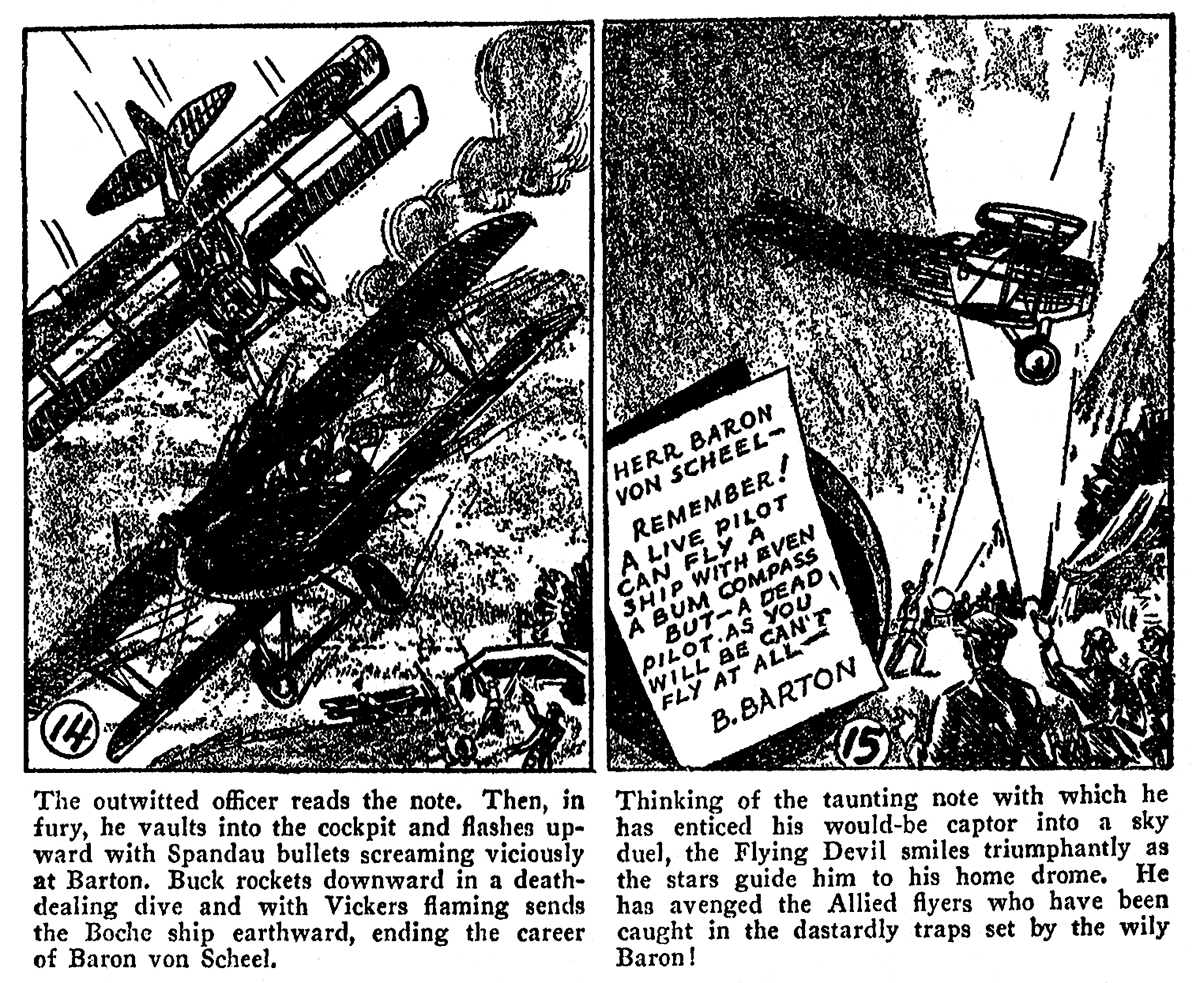
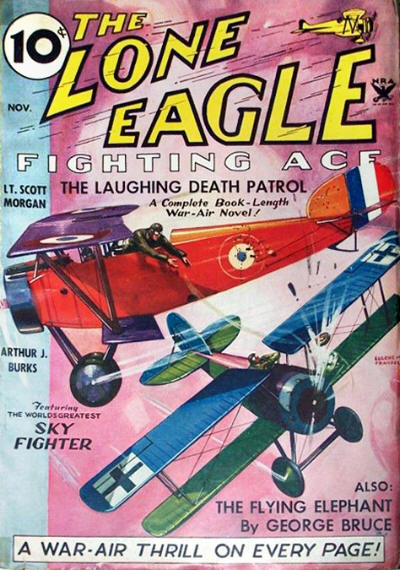
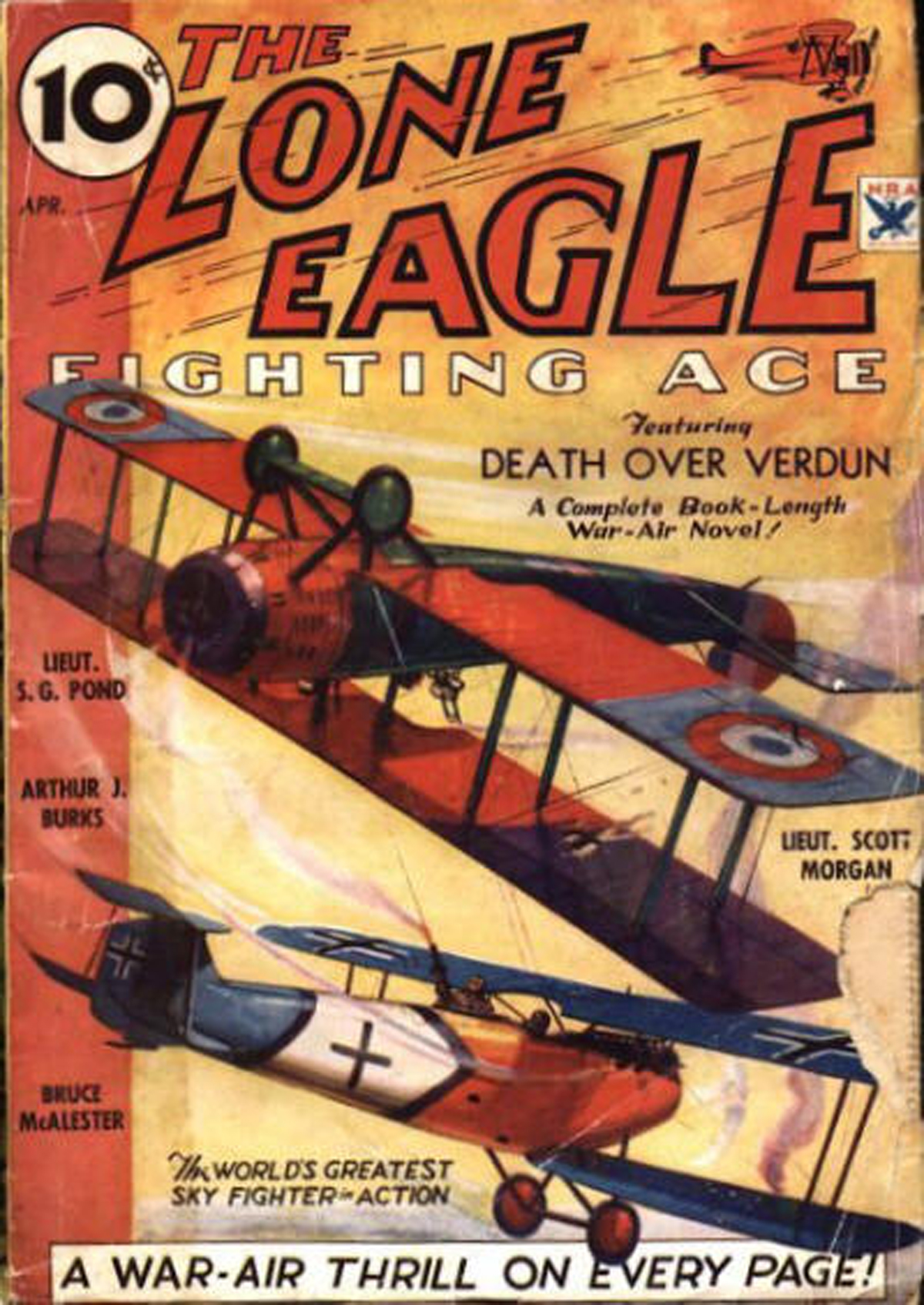
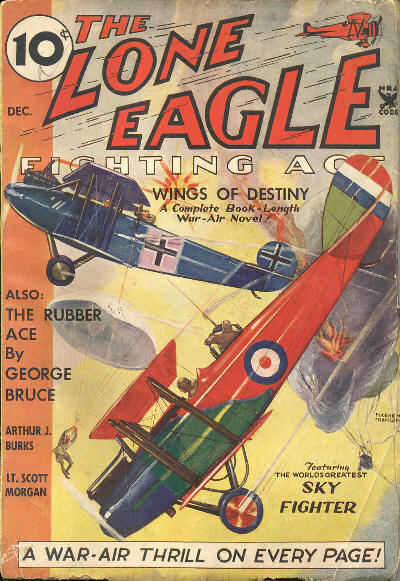 in on The Flying Devil! The Flying Devil was a regular feature of the first fifteen issues of The Lone Eagle and, more importantly, as they announced beneath each month’s story—“the Only War-Air Cartoon Story to Appear in Any Magazine!” The strip was drawn by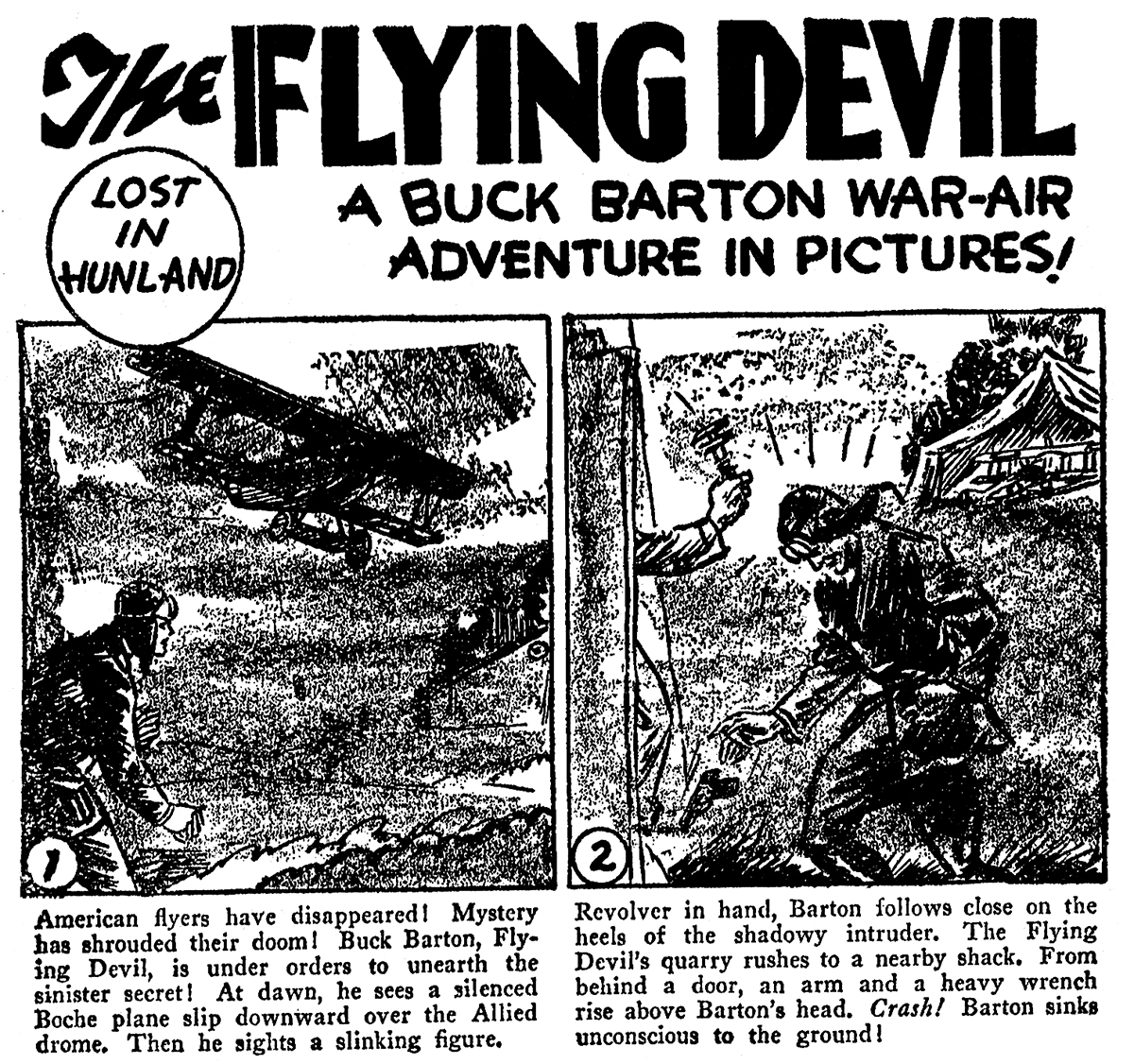


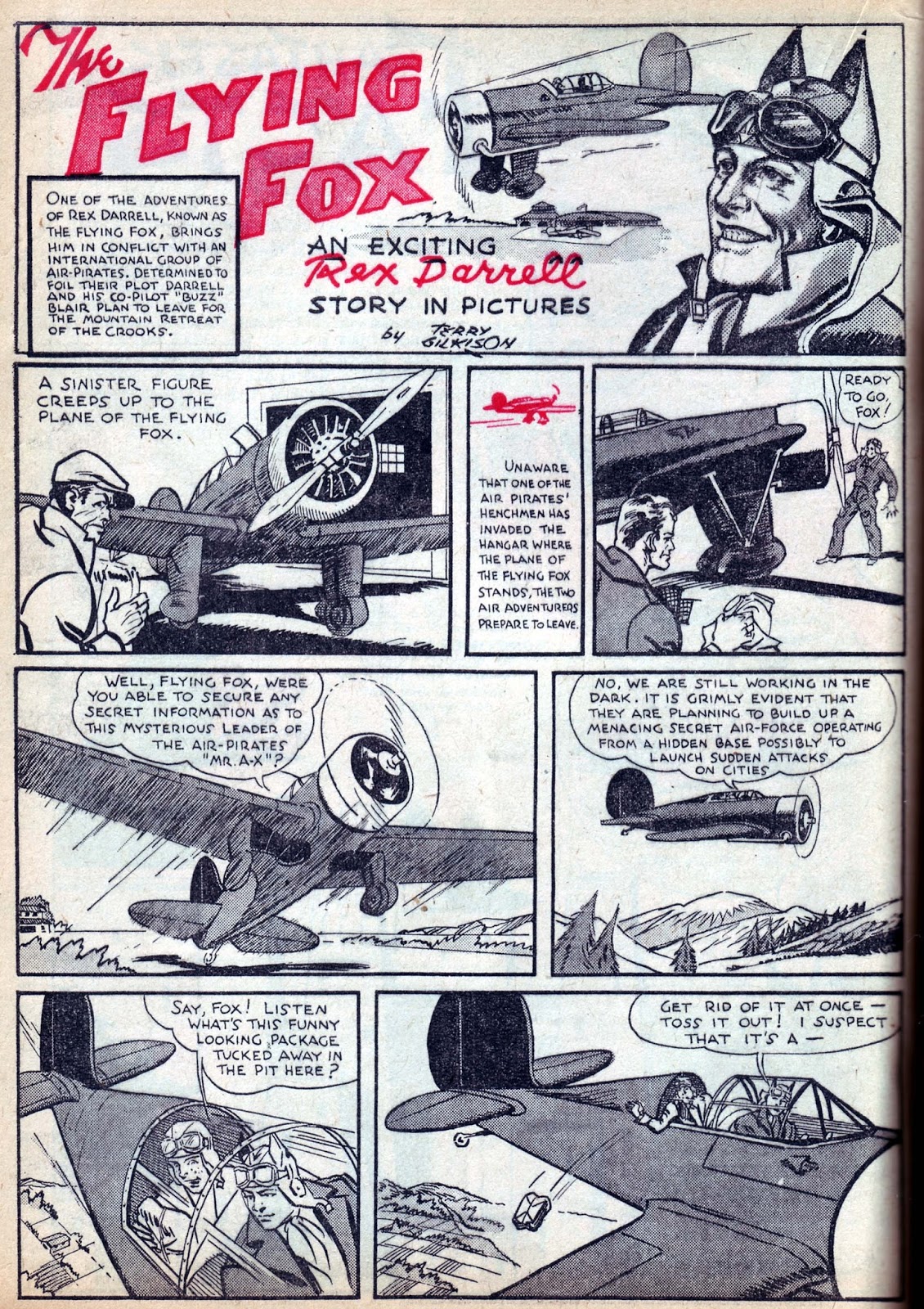
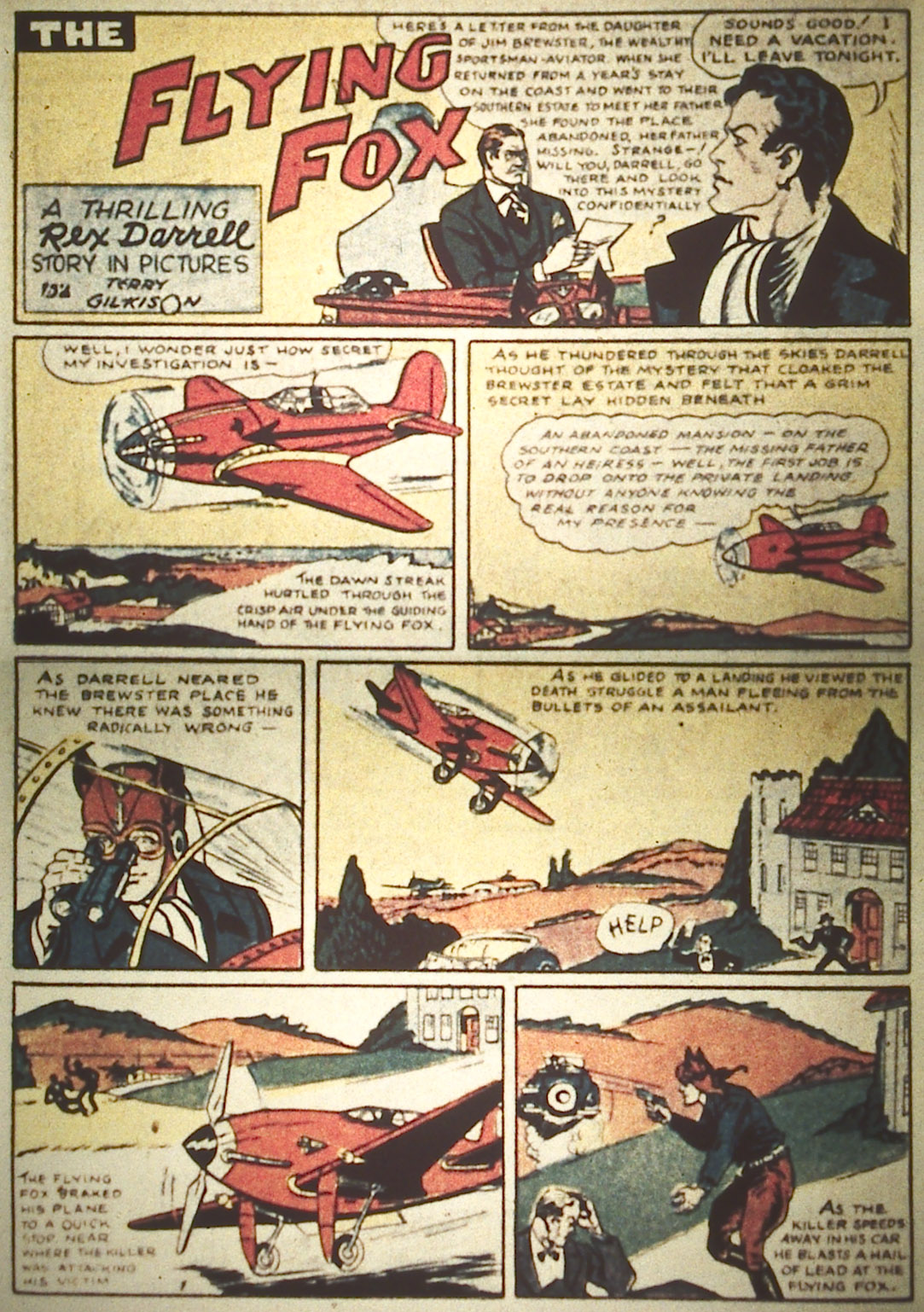
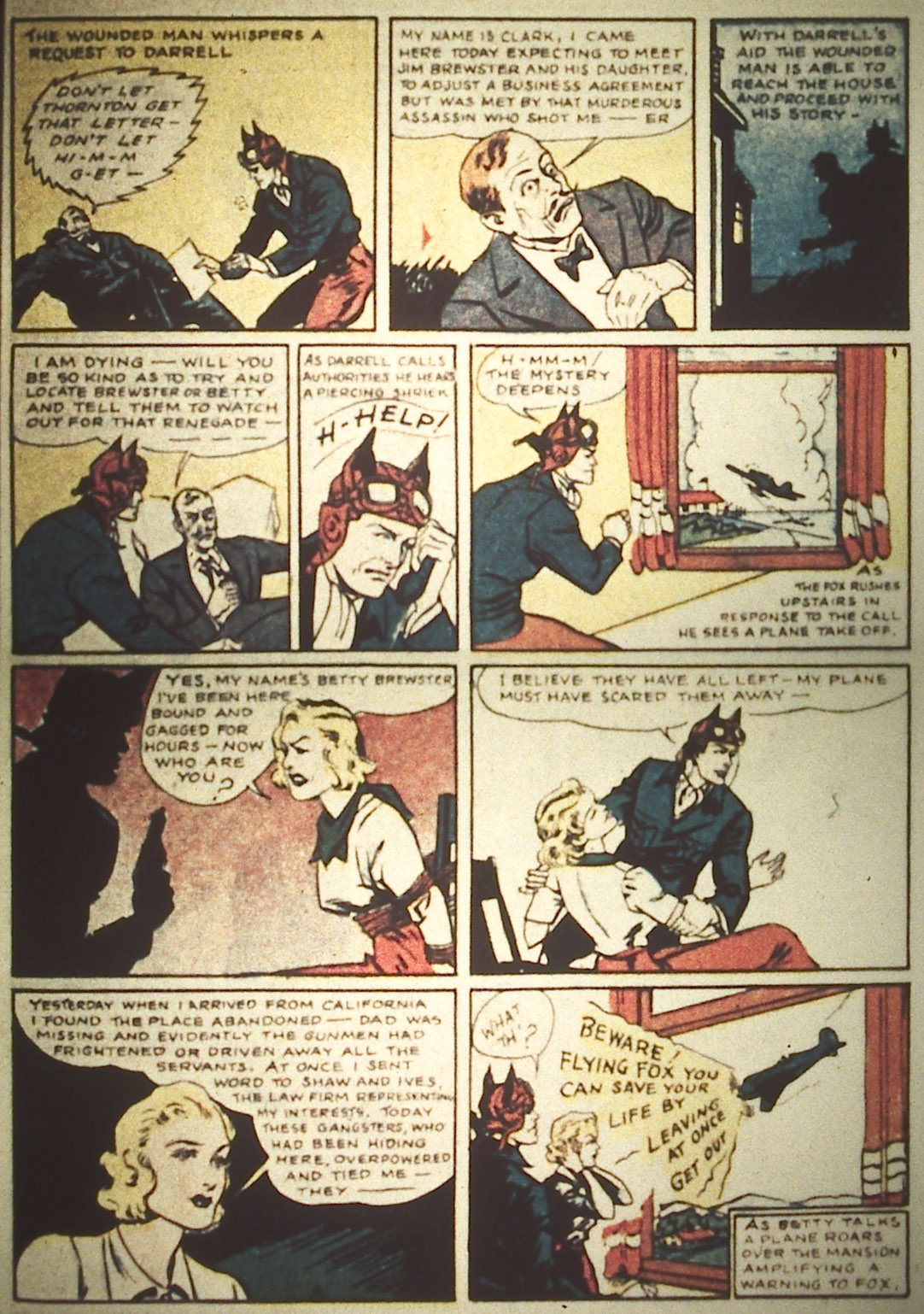

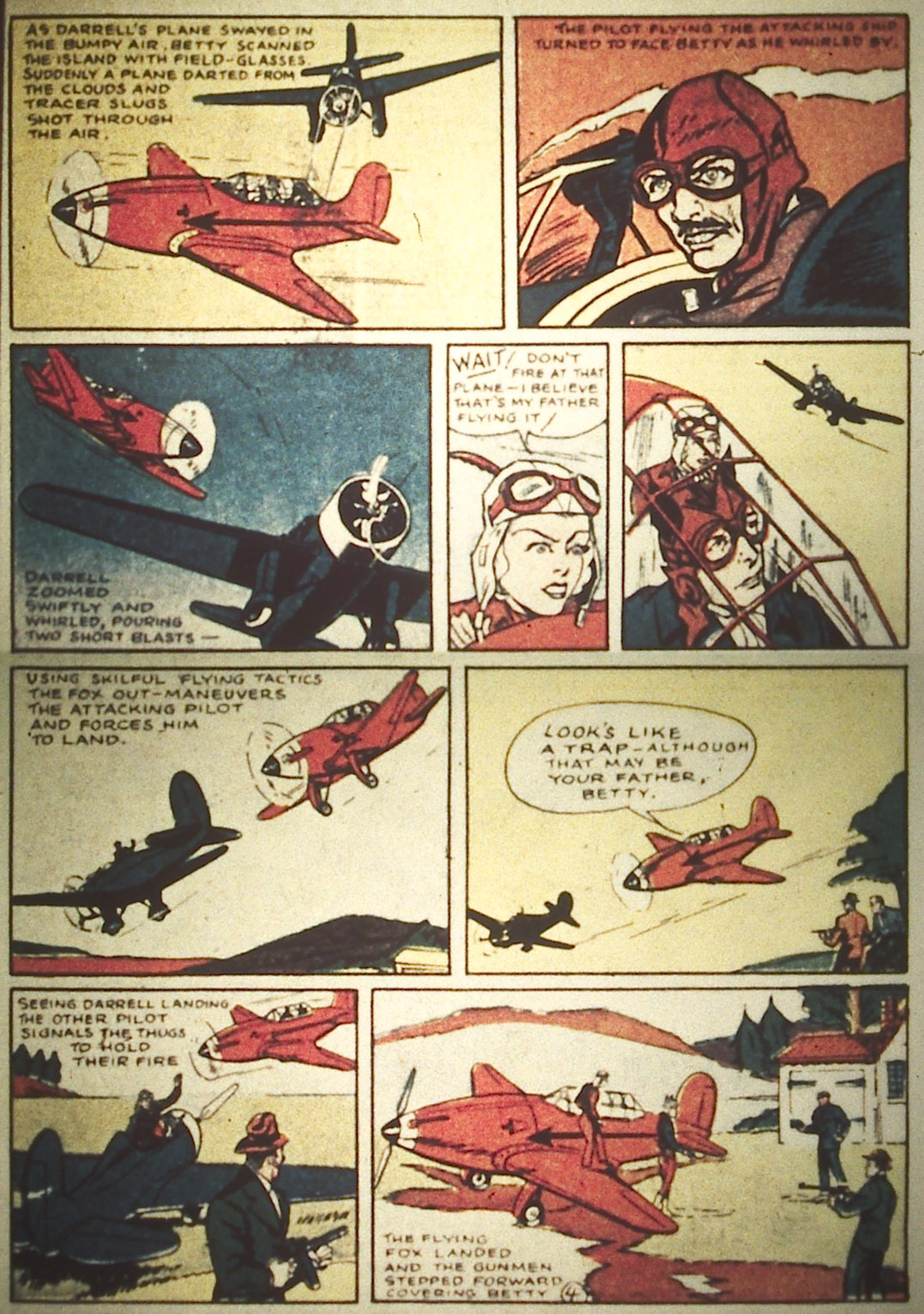
 in on The Flying Devil! The Flying Devil was a regular feature of the first fifteen issues of The Lone Eagle and, more importantly, as they announced beneath each month’s story—“the Only War-Air Cartoon Story to Appear in Any Magazine!” The strip was drawn by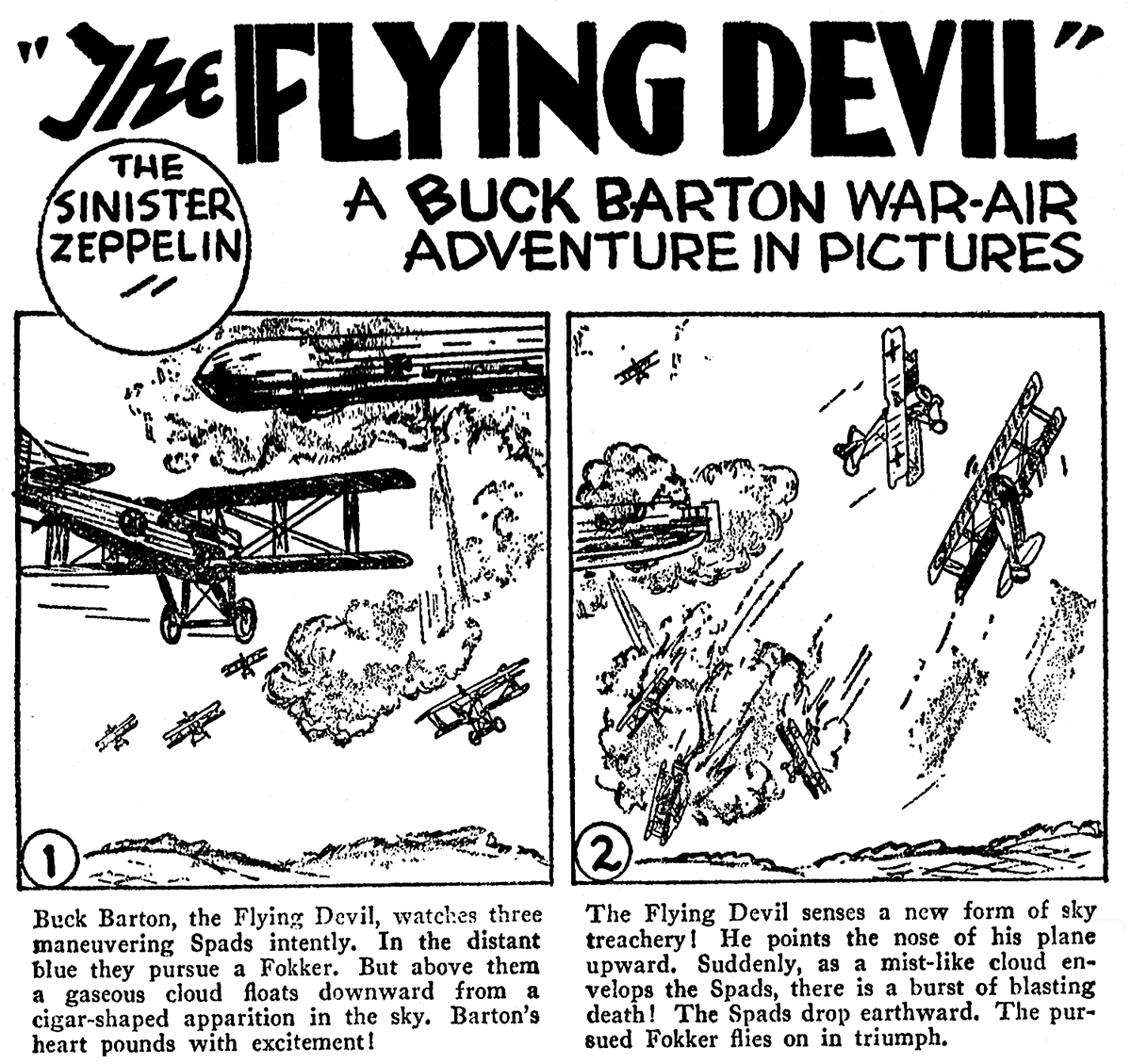
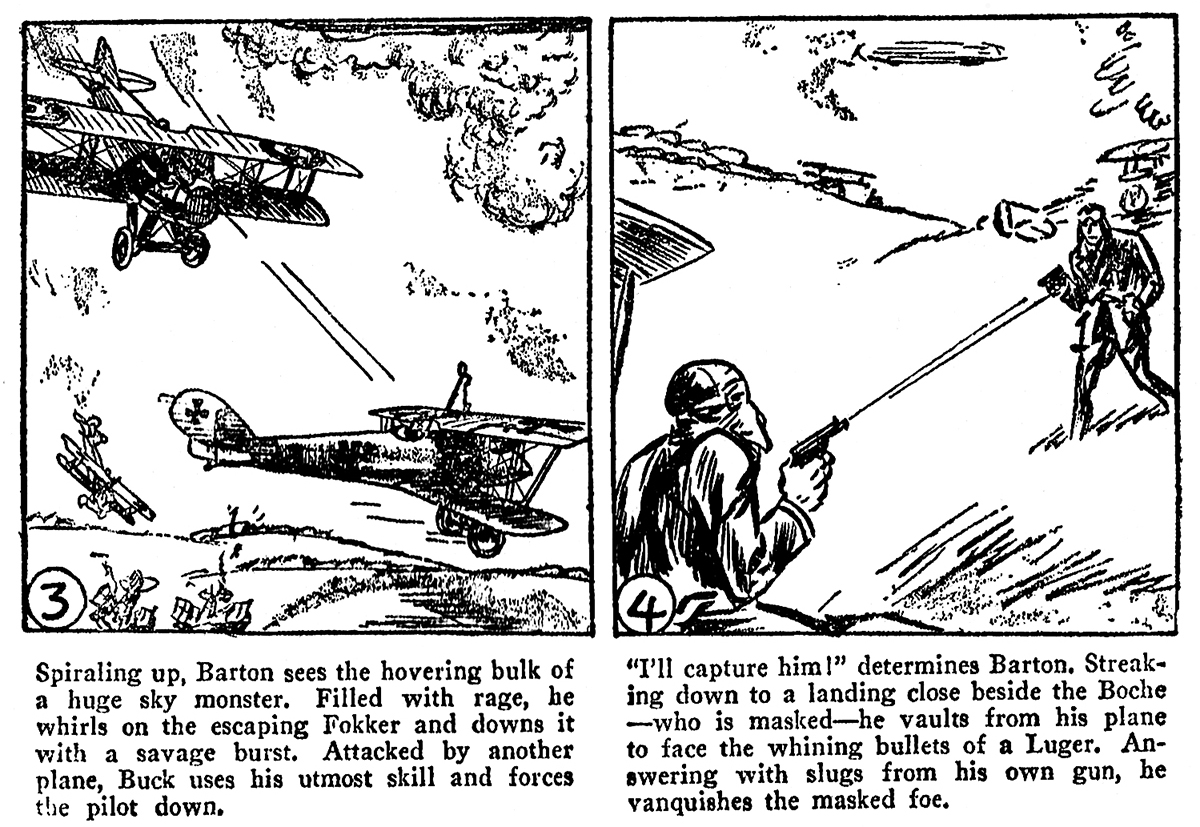
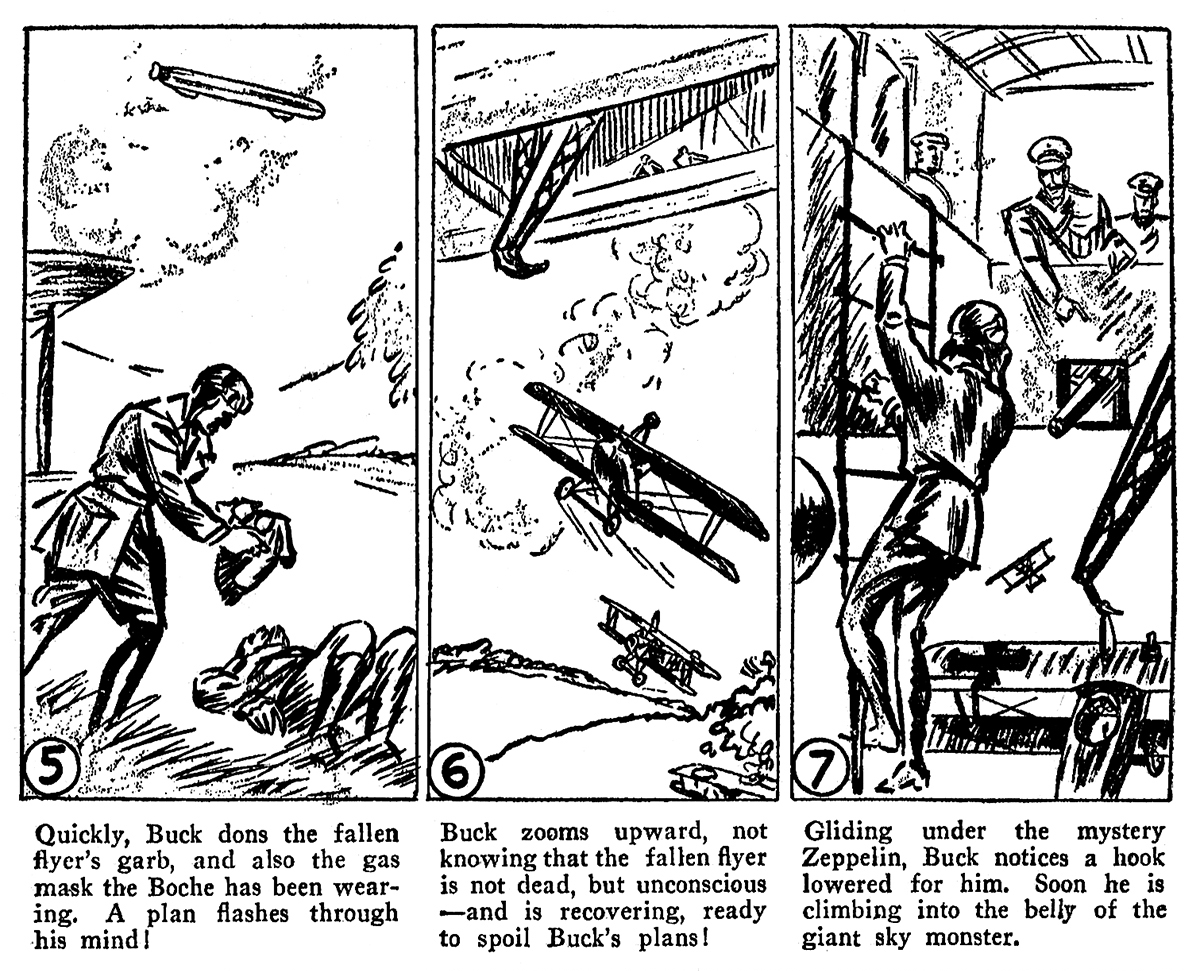

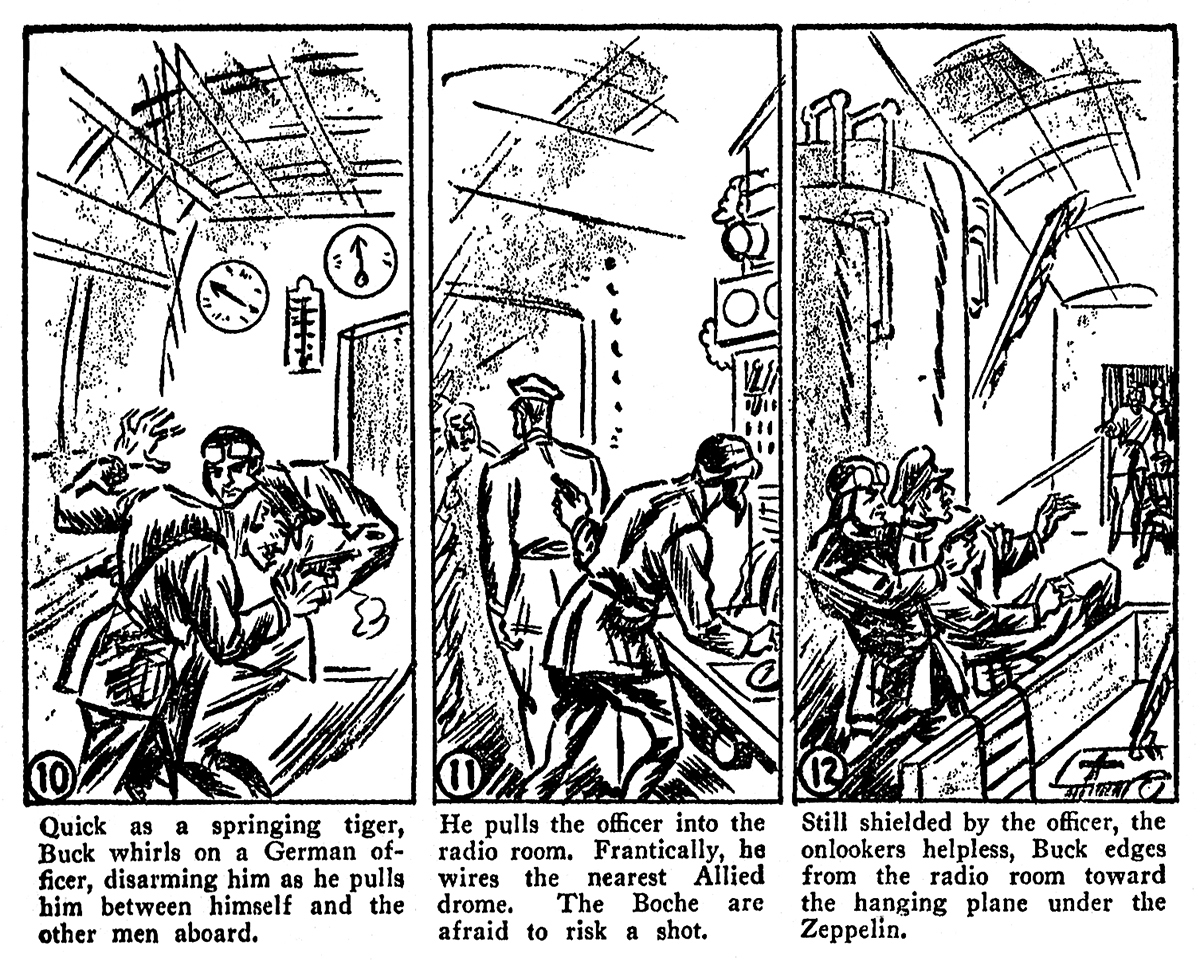
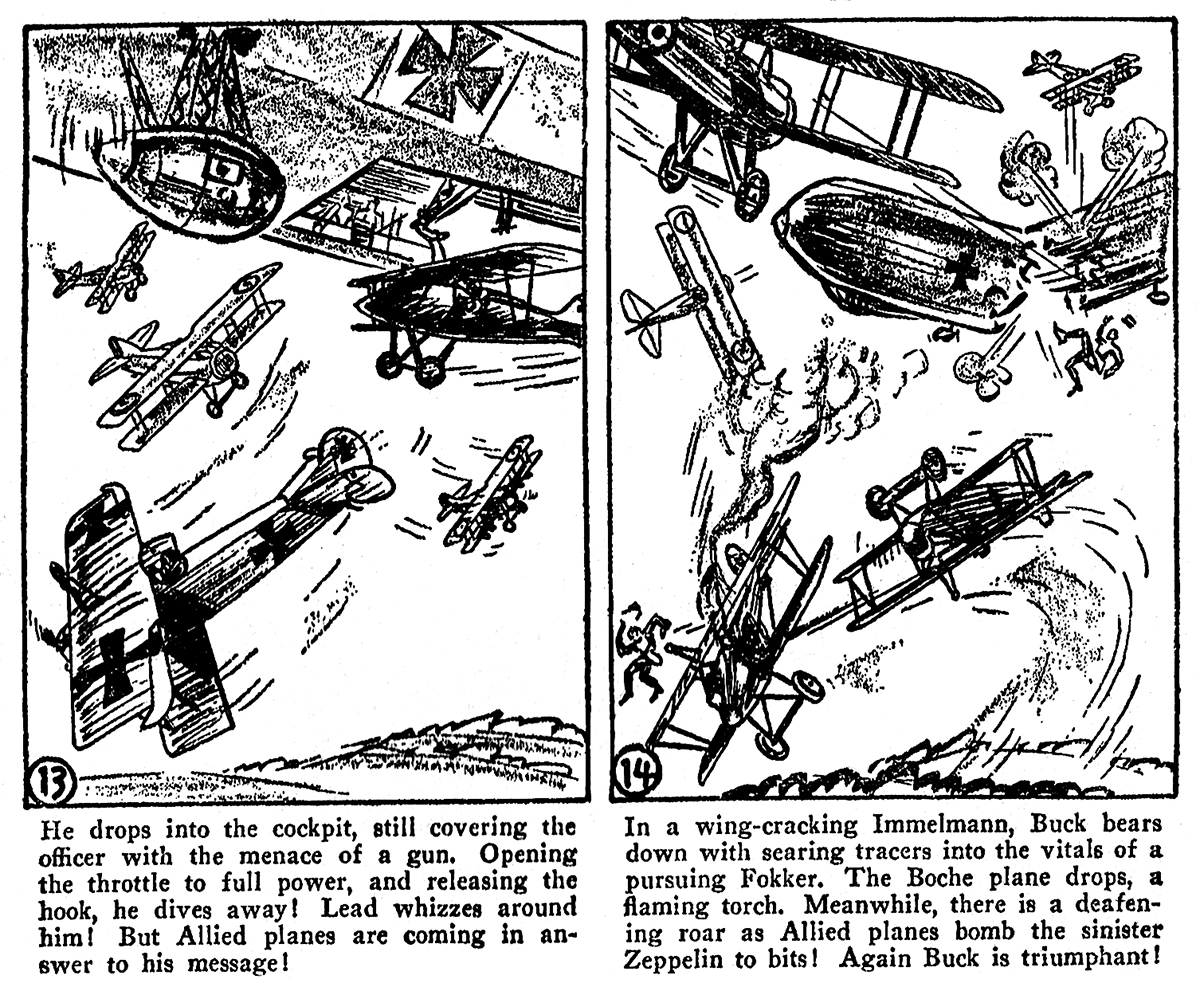
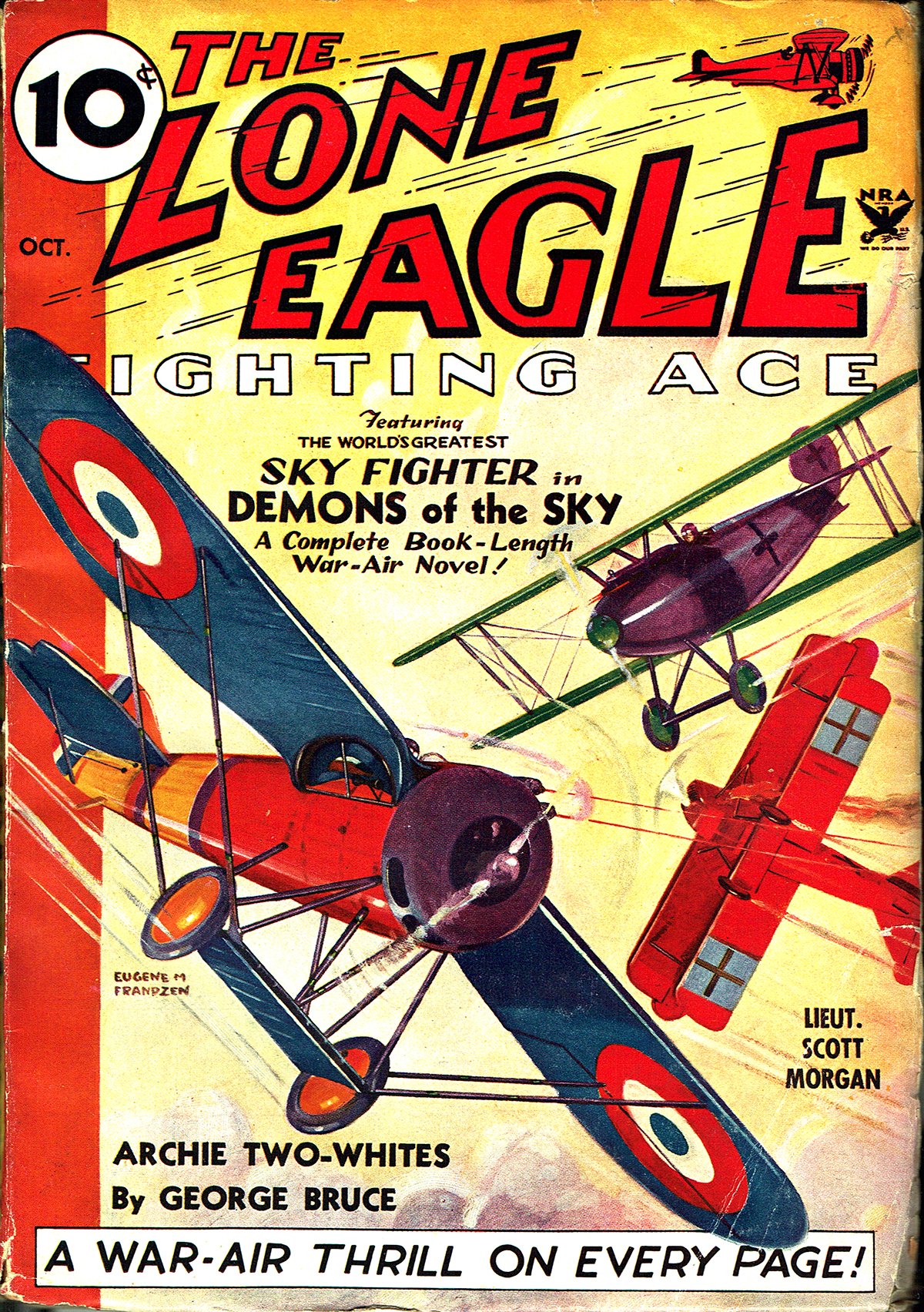 in on The Flying Devil! The Flying Devil was a regular feature of the first fifteen issues of The Lone Eagle and, more importantly, as they announced beneath each month’s story—“the Only War-Air Cartoon Story to Appear in Any Magazine!” The strip was drawn by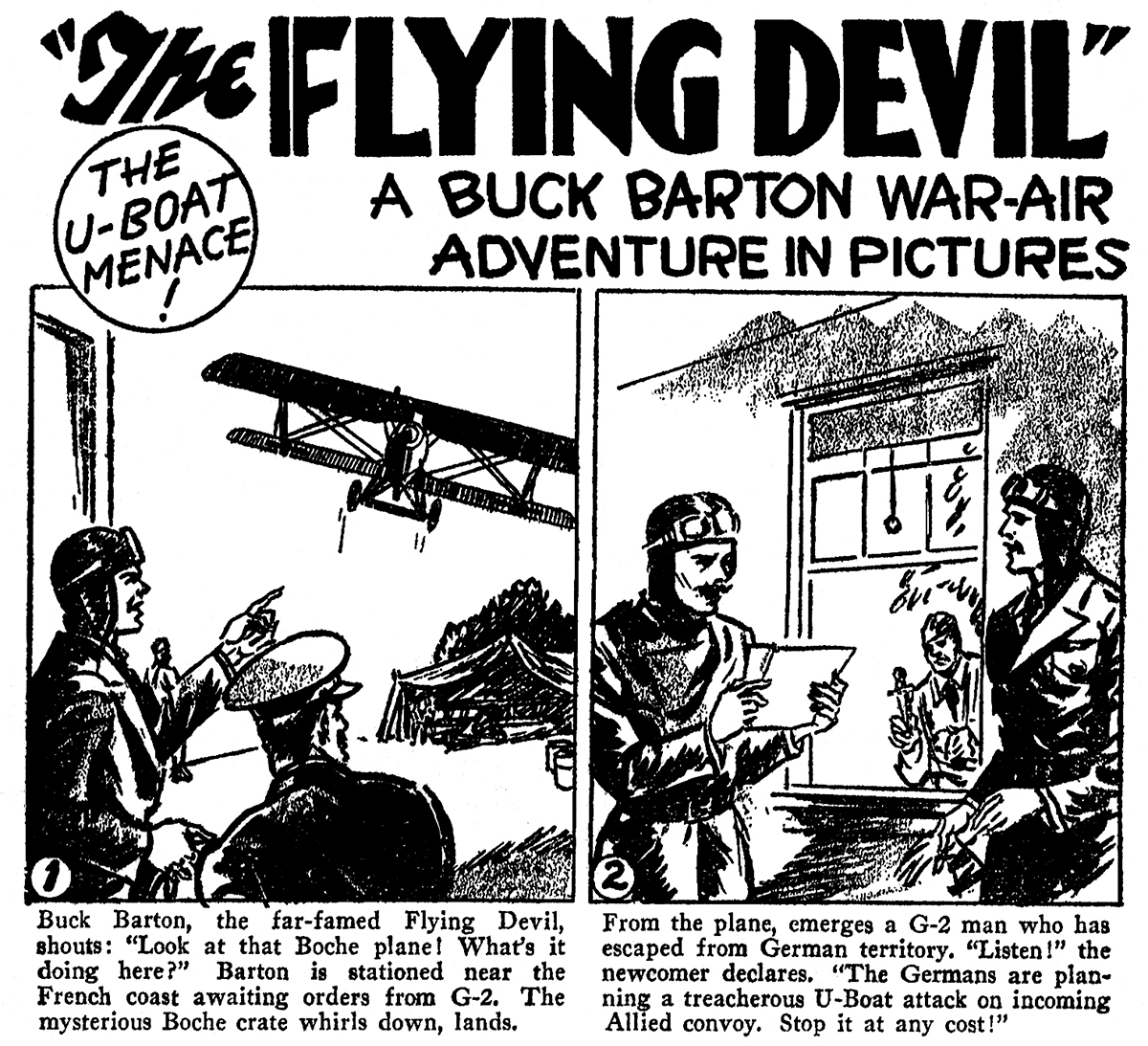
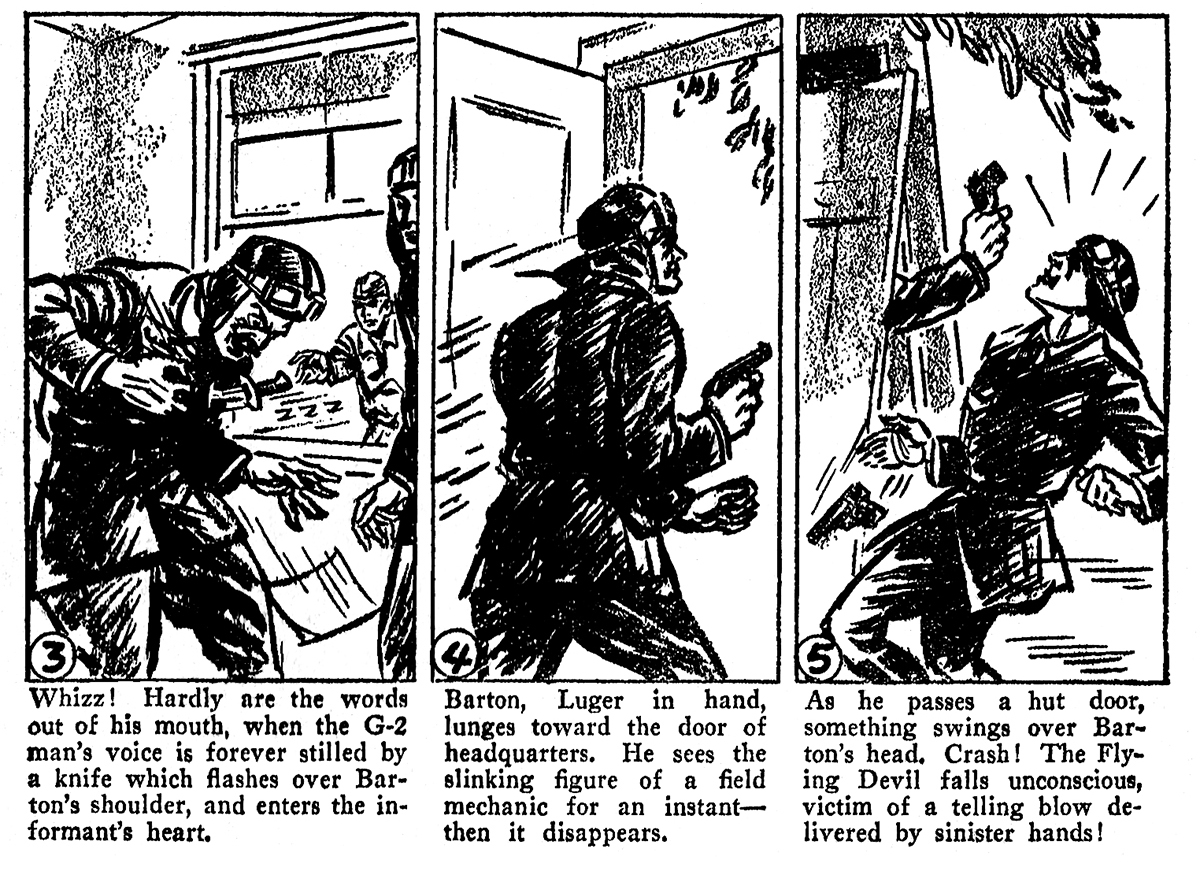
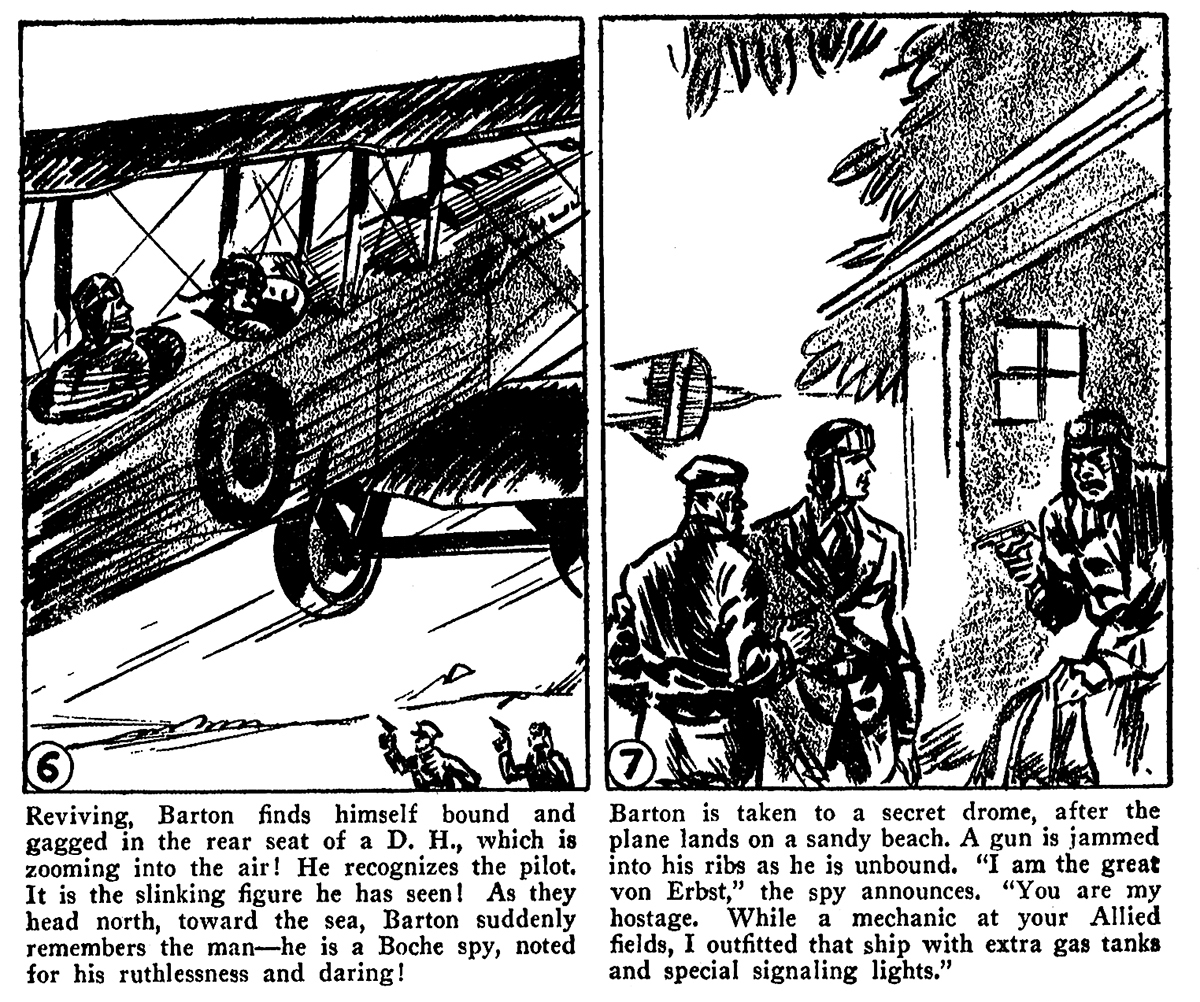
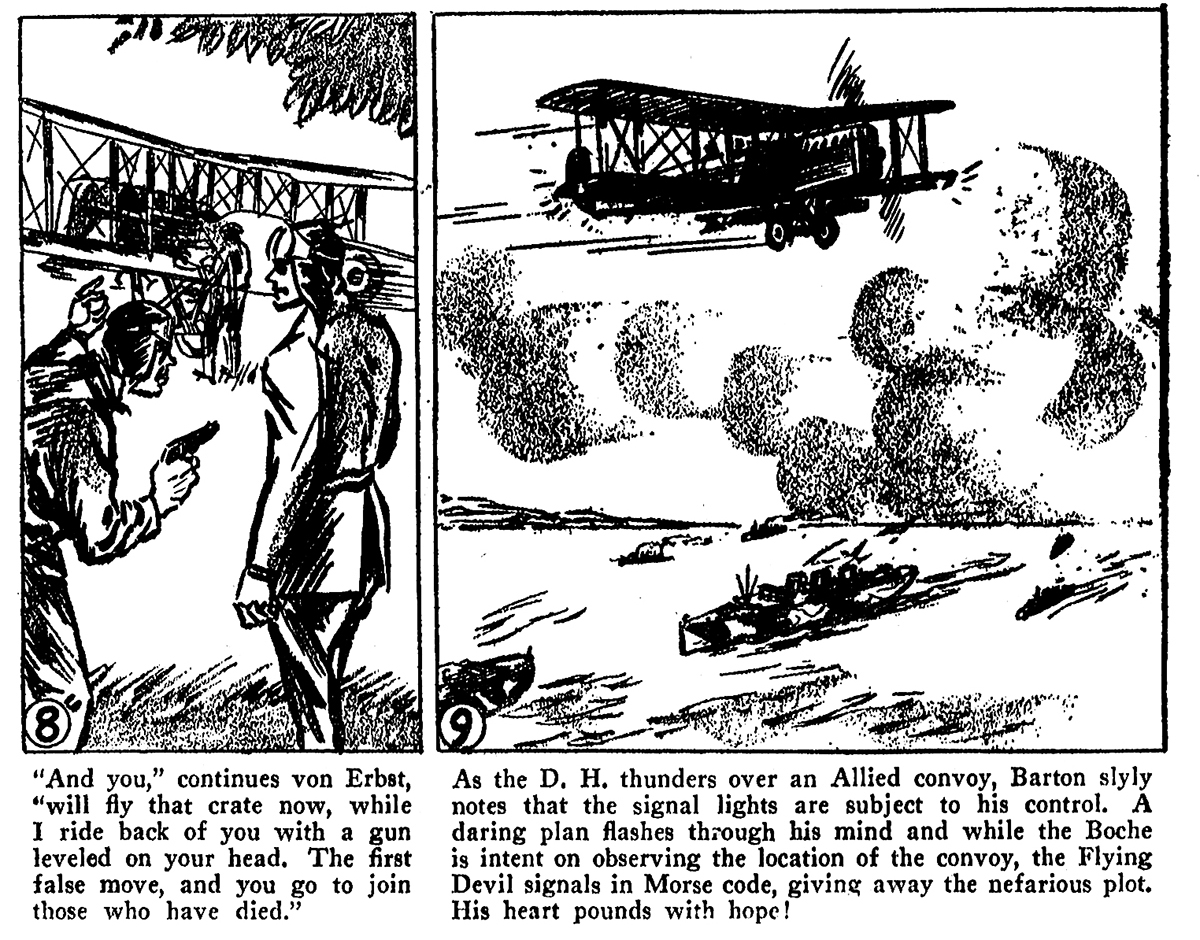
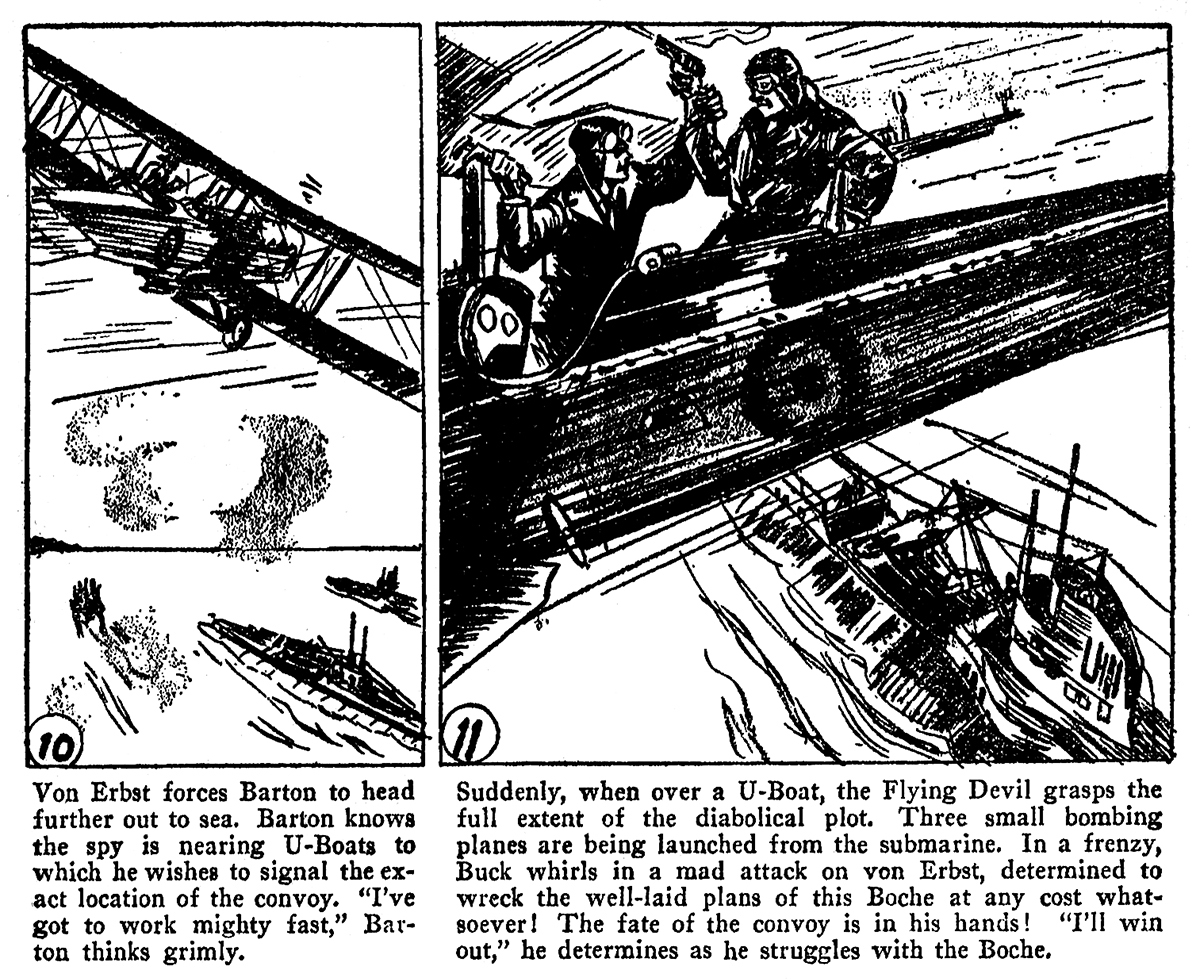
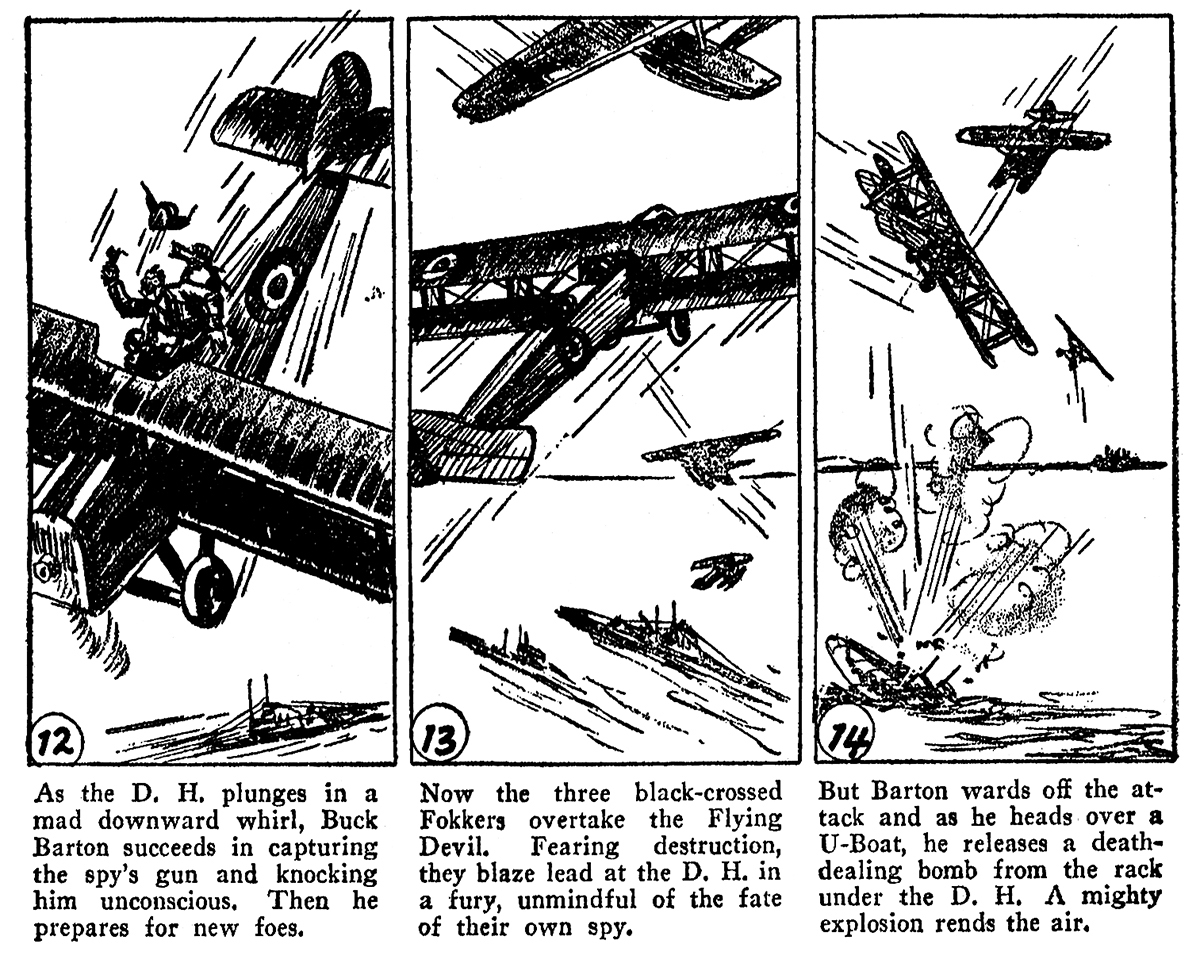
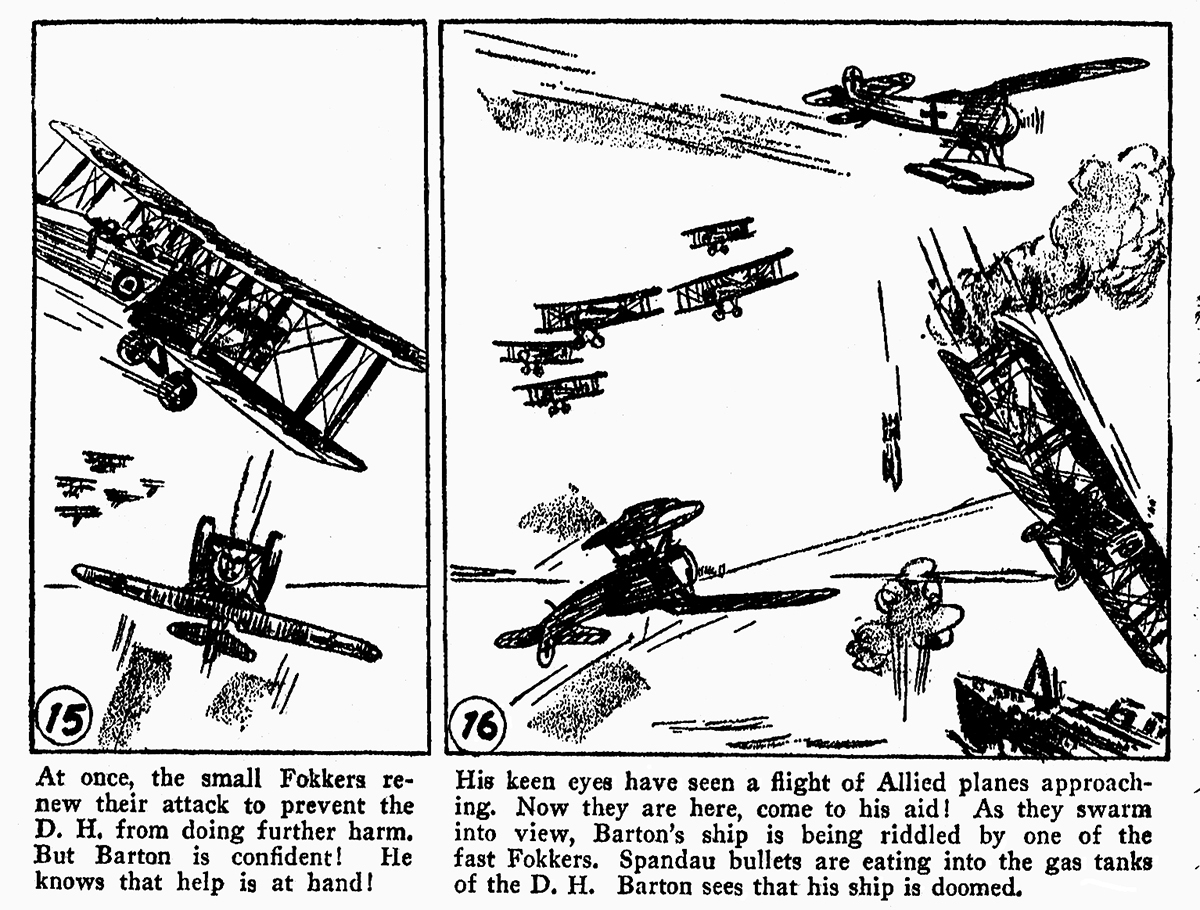
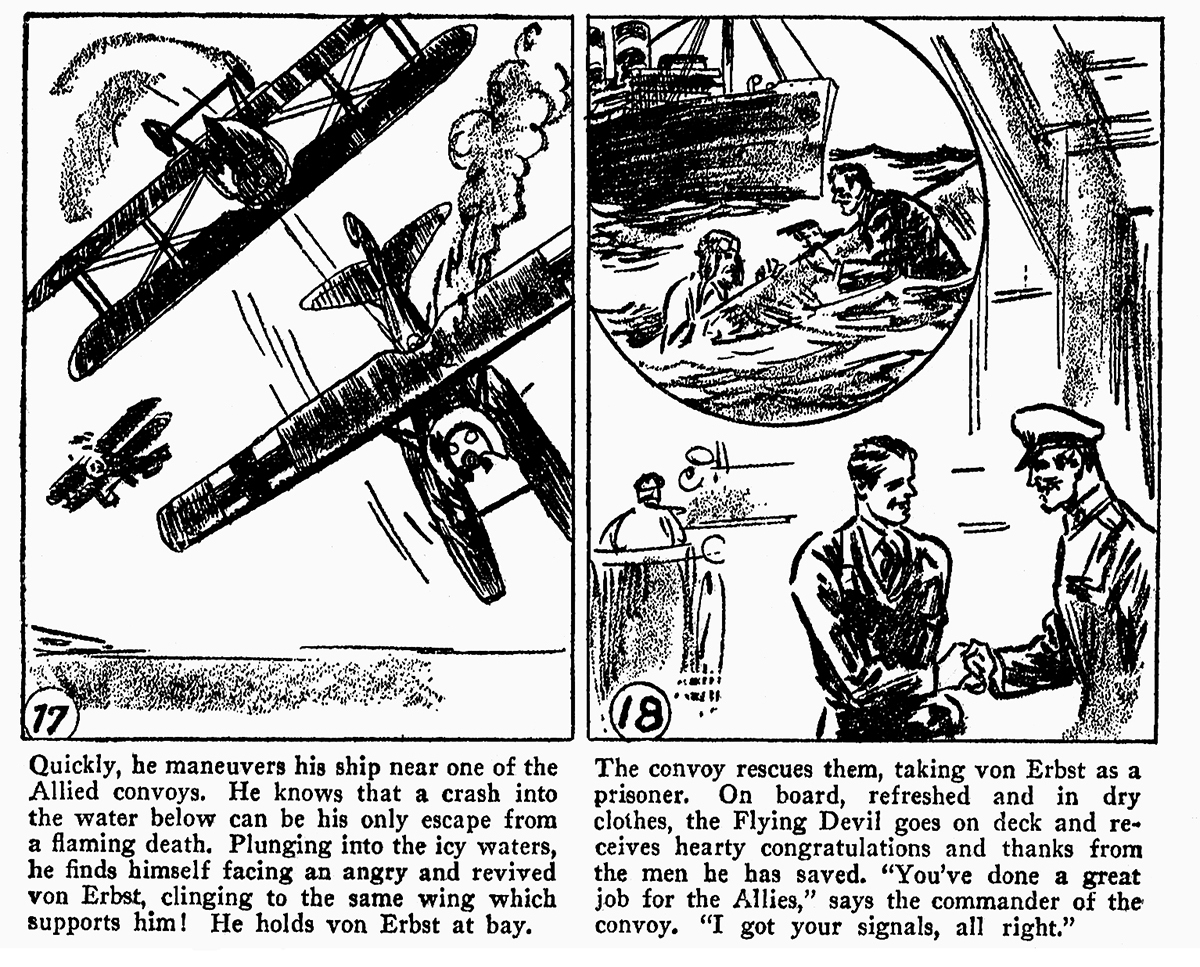
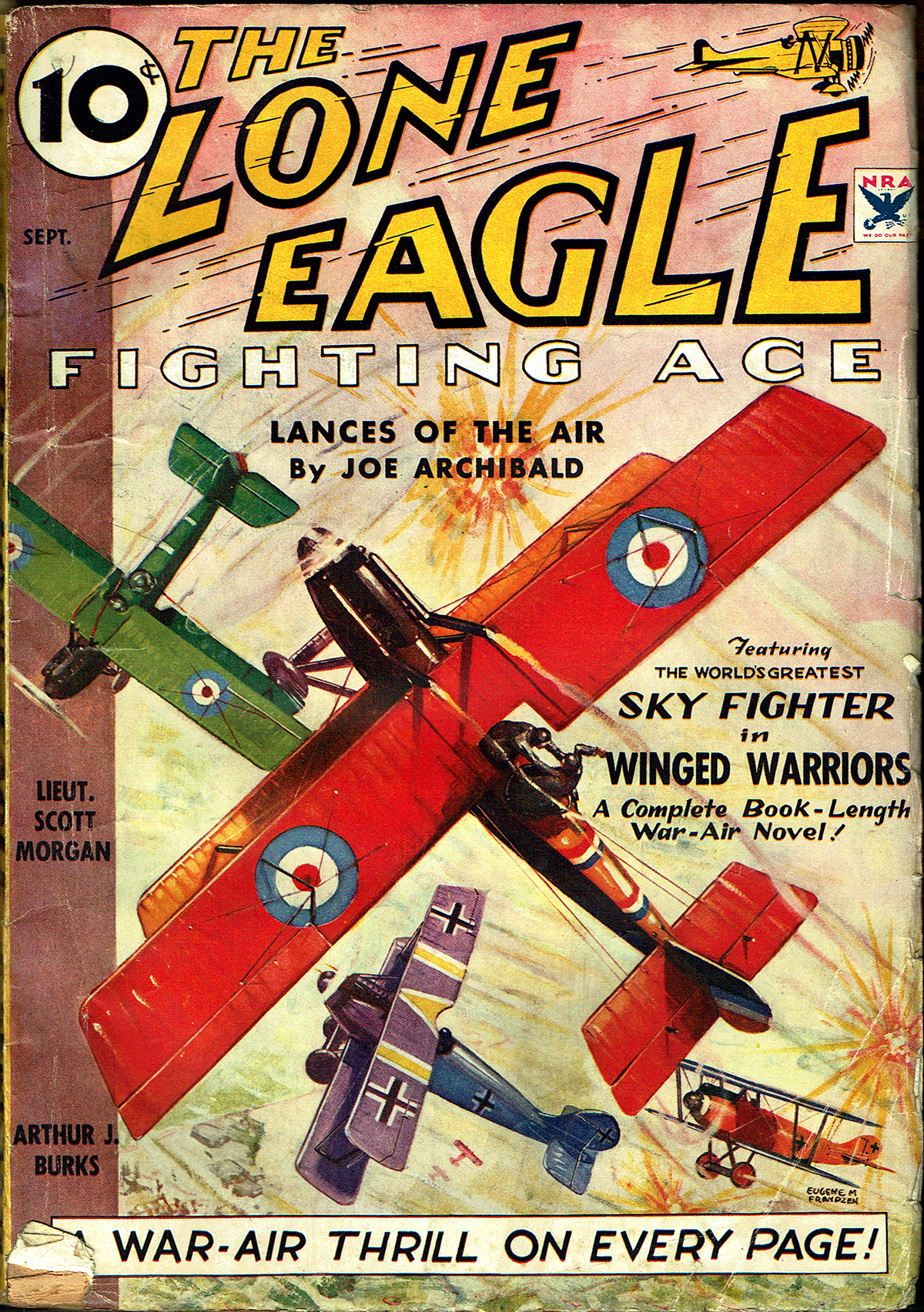 in on The Flying Devil! The Flying Devil was a regular feature of the first fifteen issues of The Lone Eagle and, more importantly, as they announced beneath each month’s story—“the Only War-Air Cartoon Story to Appear in Any Magazine!” The strip was drawn by
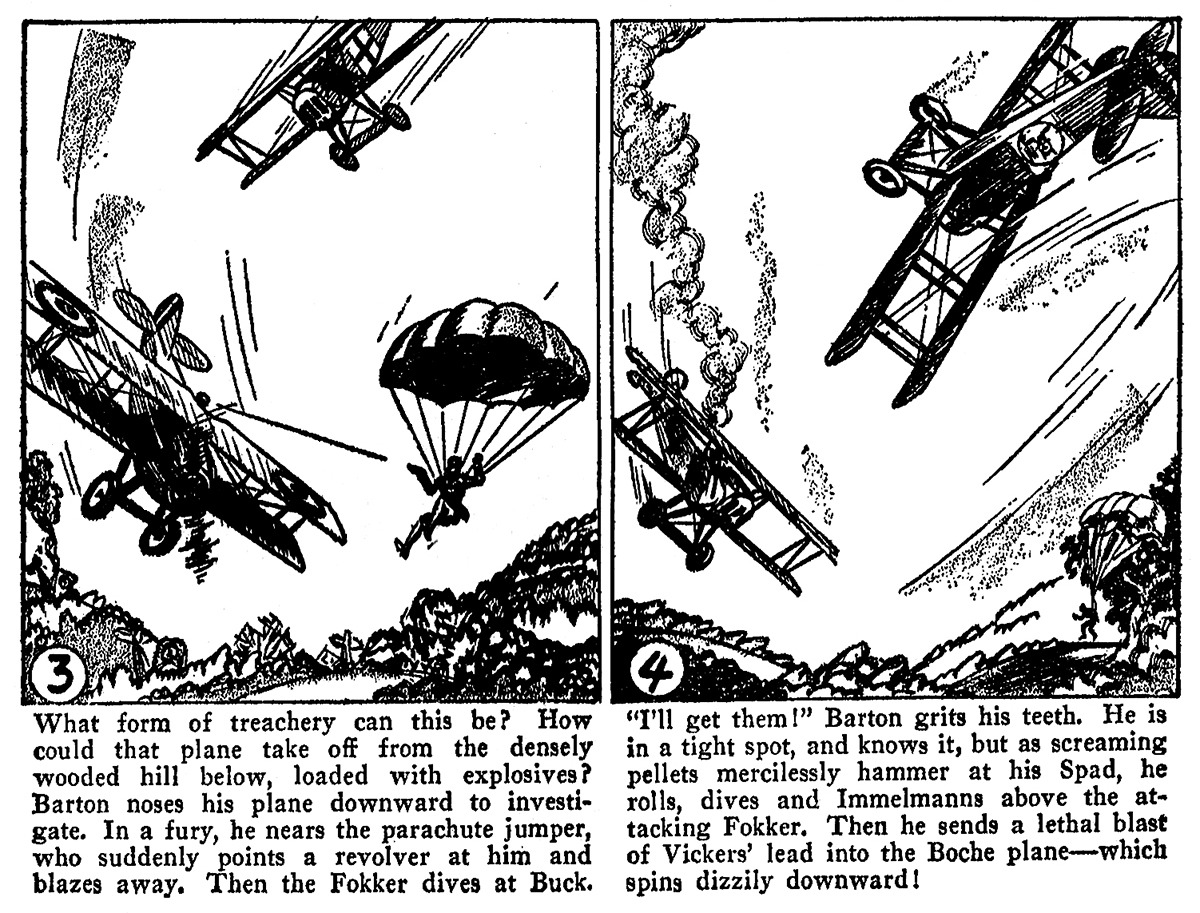
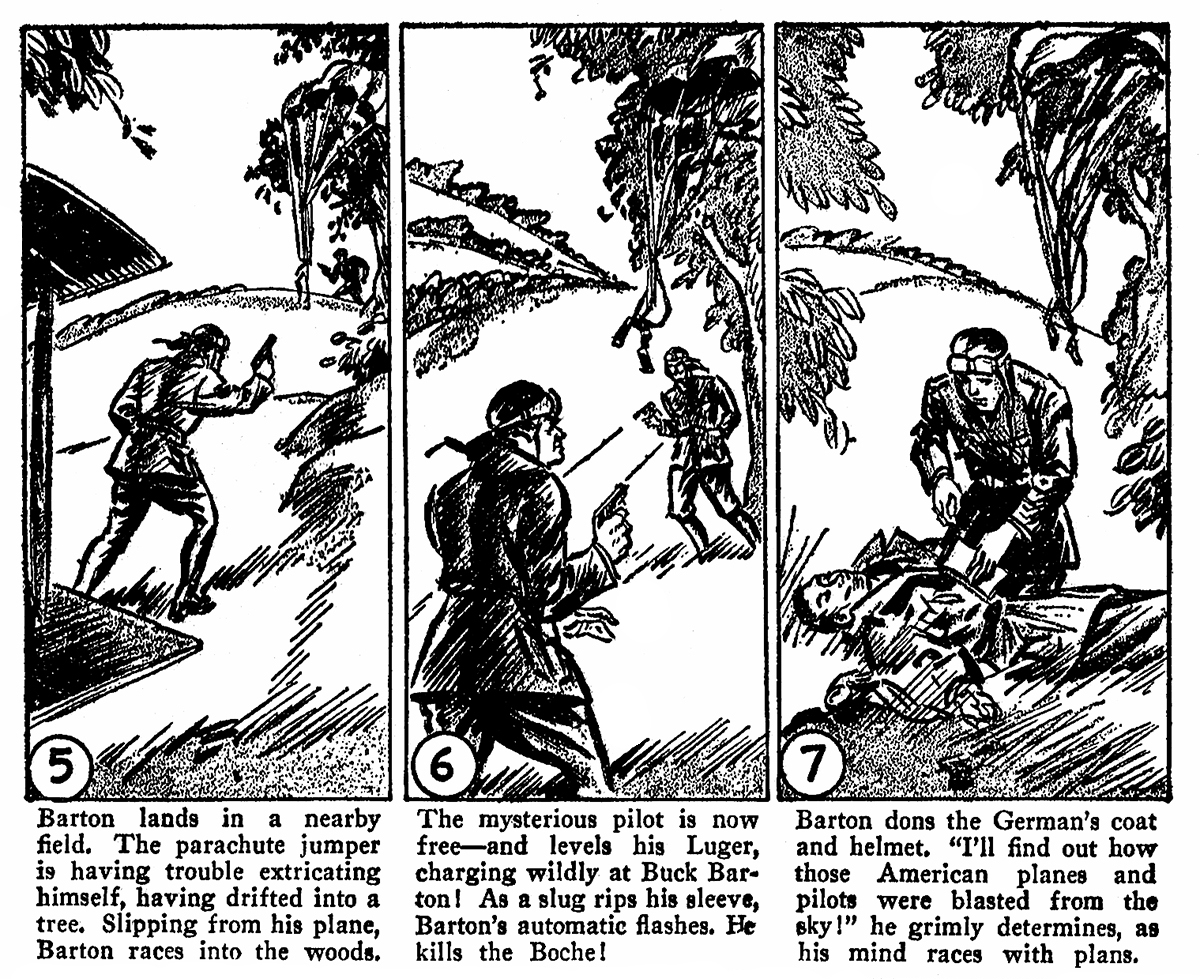

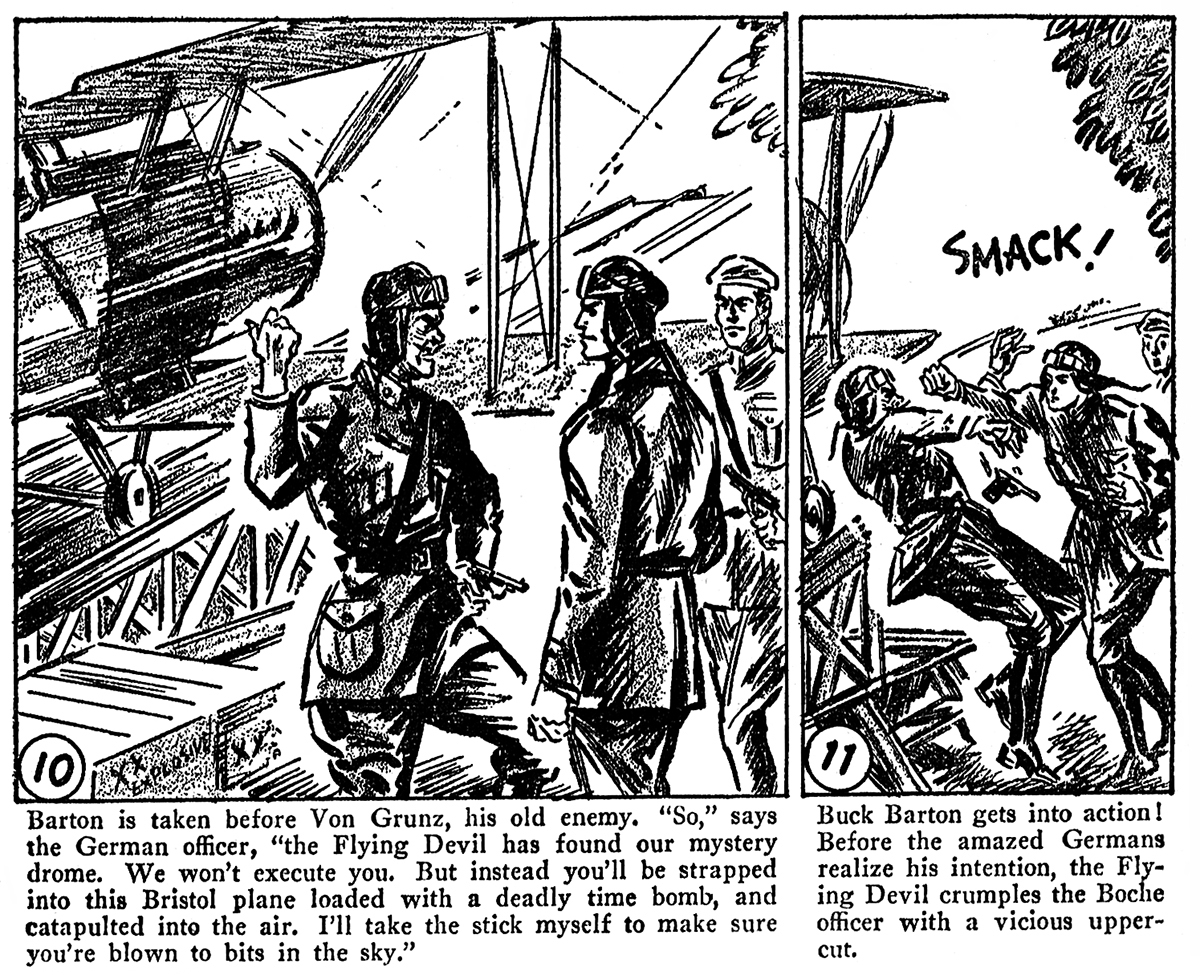


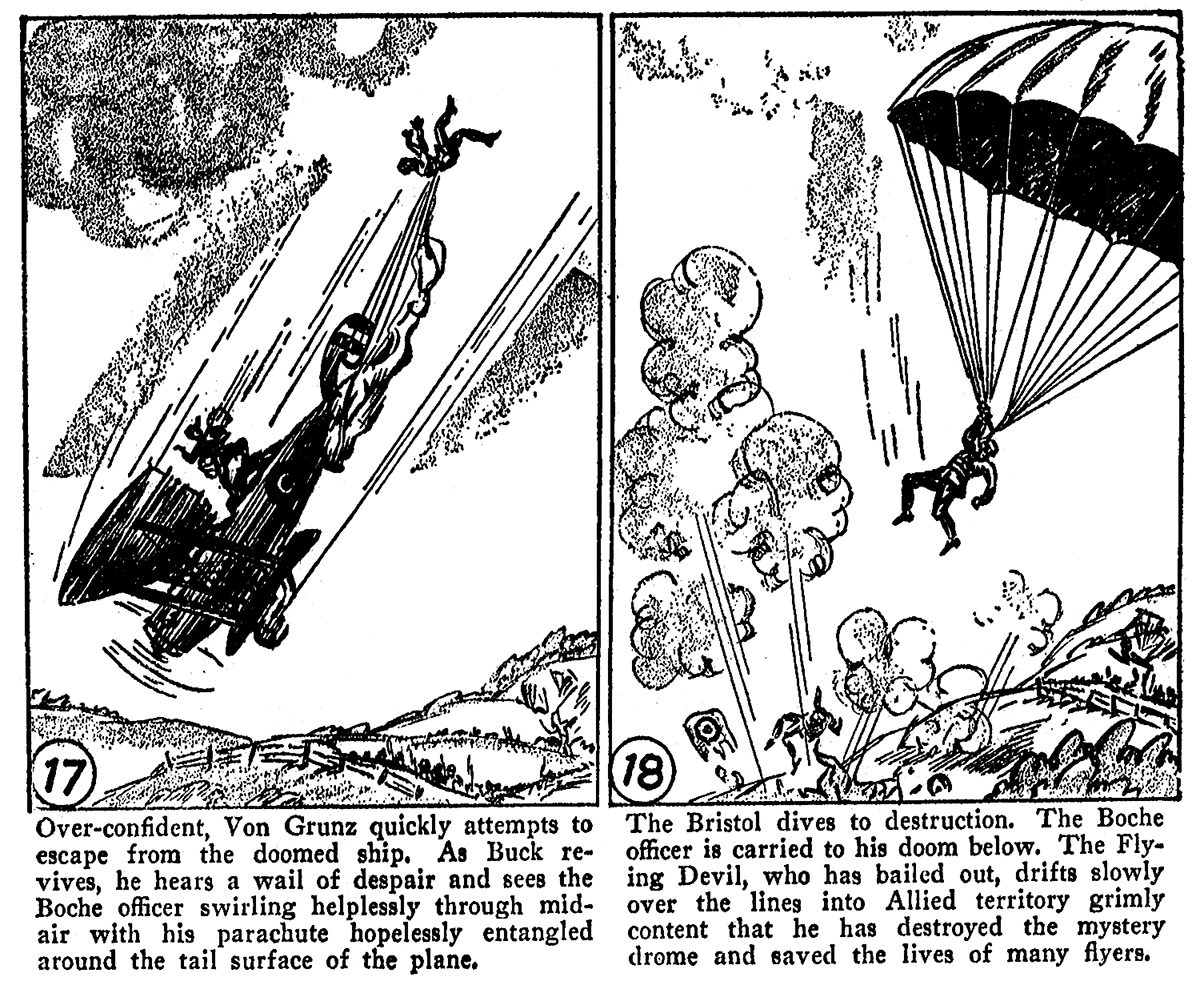
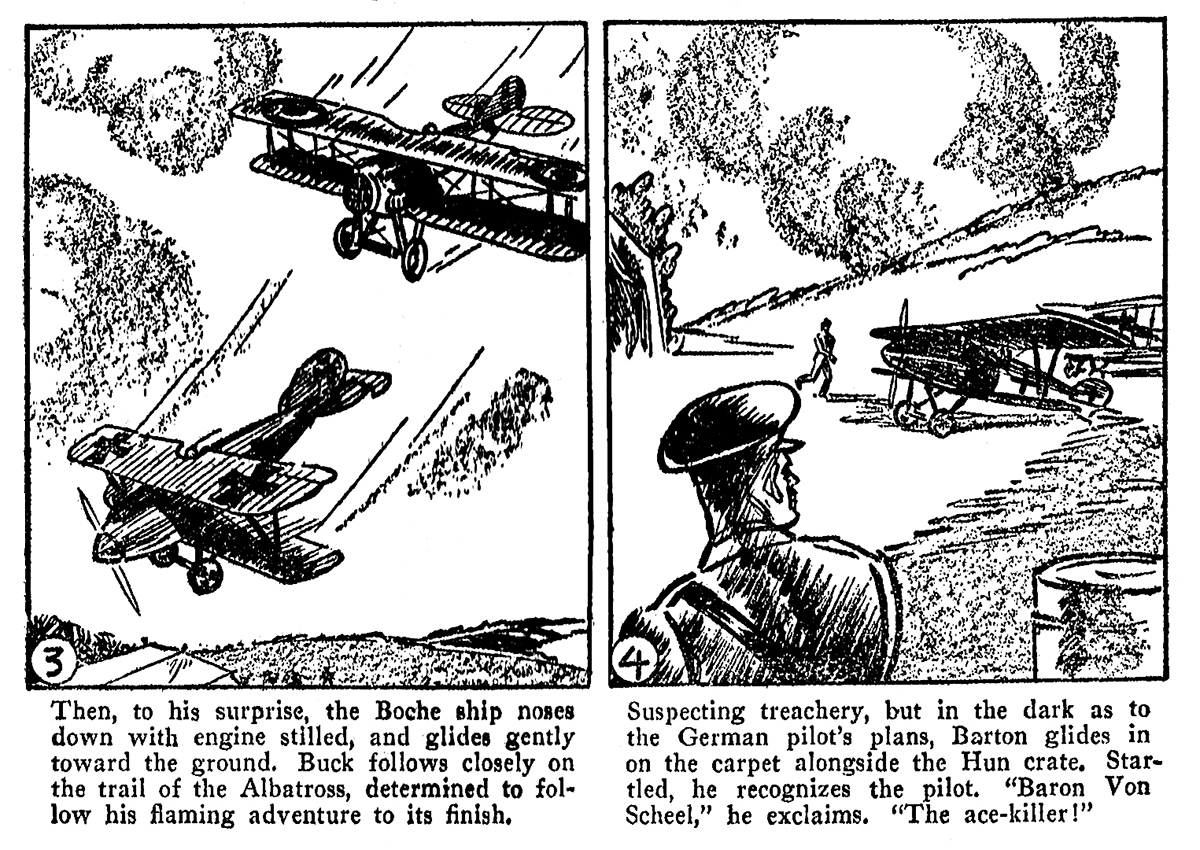
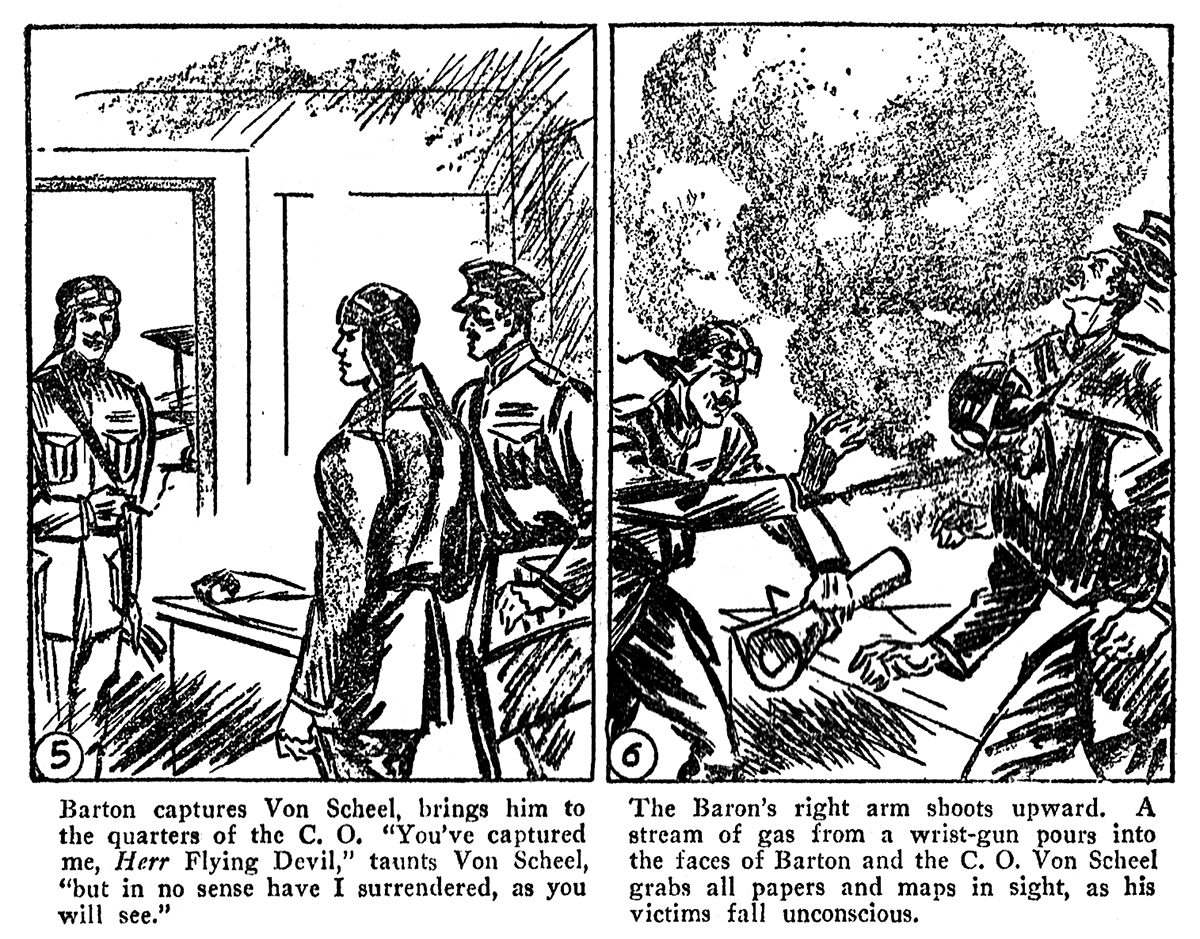
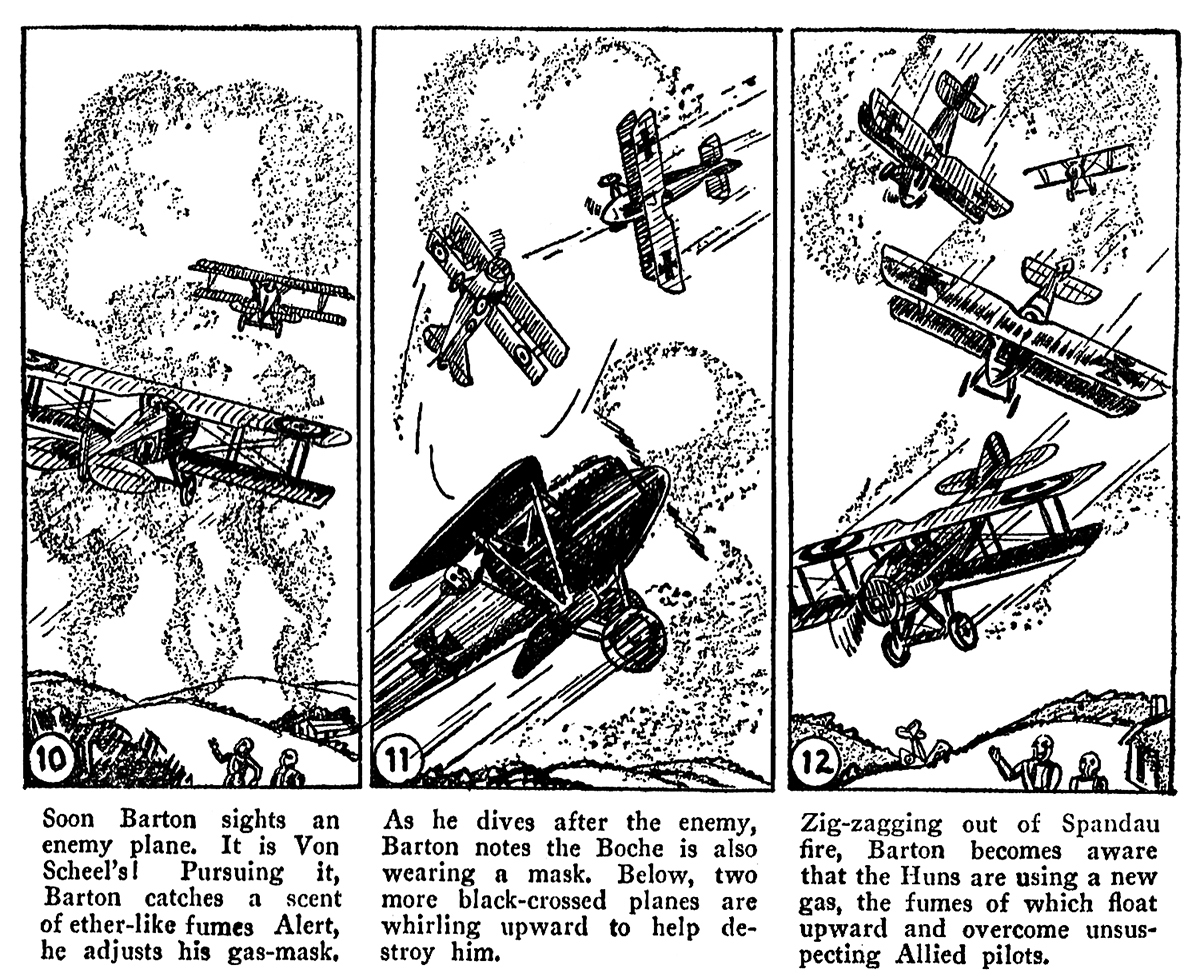
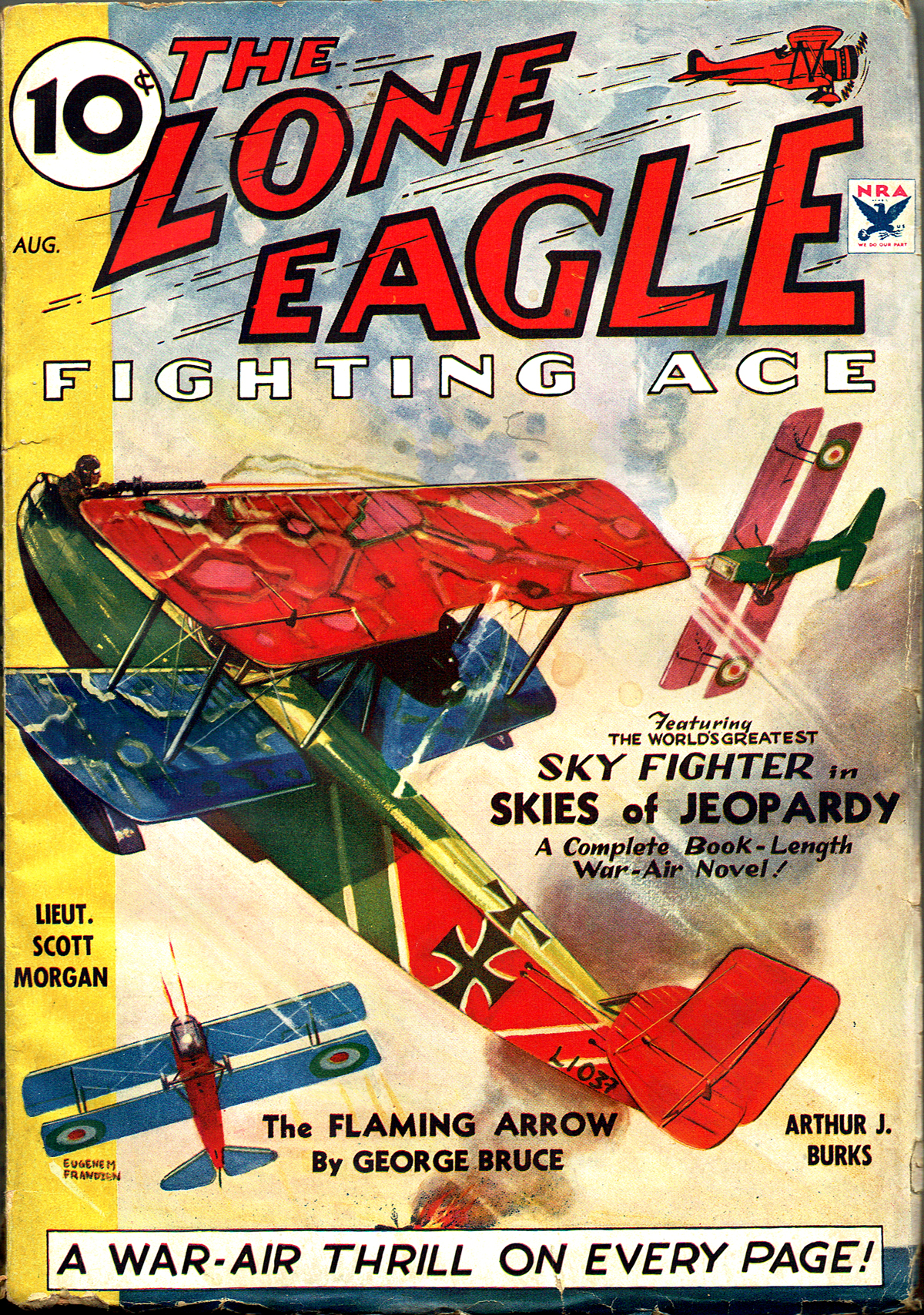 in on The Flying Devil! The Flying Devil was a regular feature of the first fifteen issues of The Lone Eagle and, more importantly, as they announced beneath each month’s story—“the Only War-Air Cartoon Story to Appear in Any Magazine!” The strip was drawn by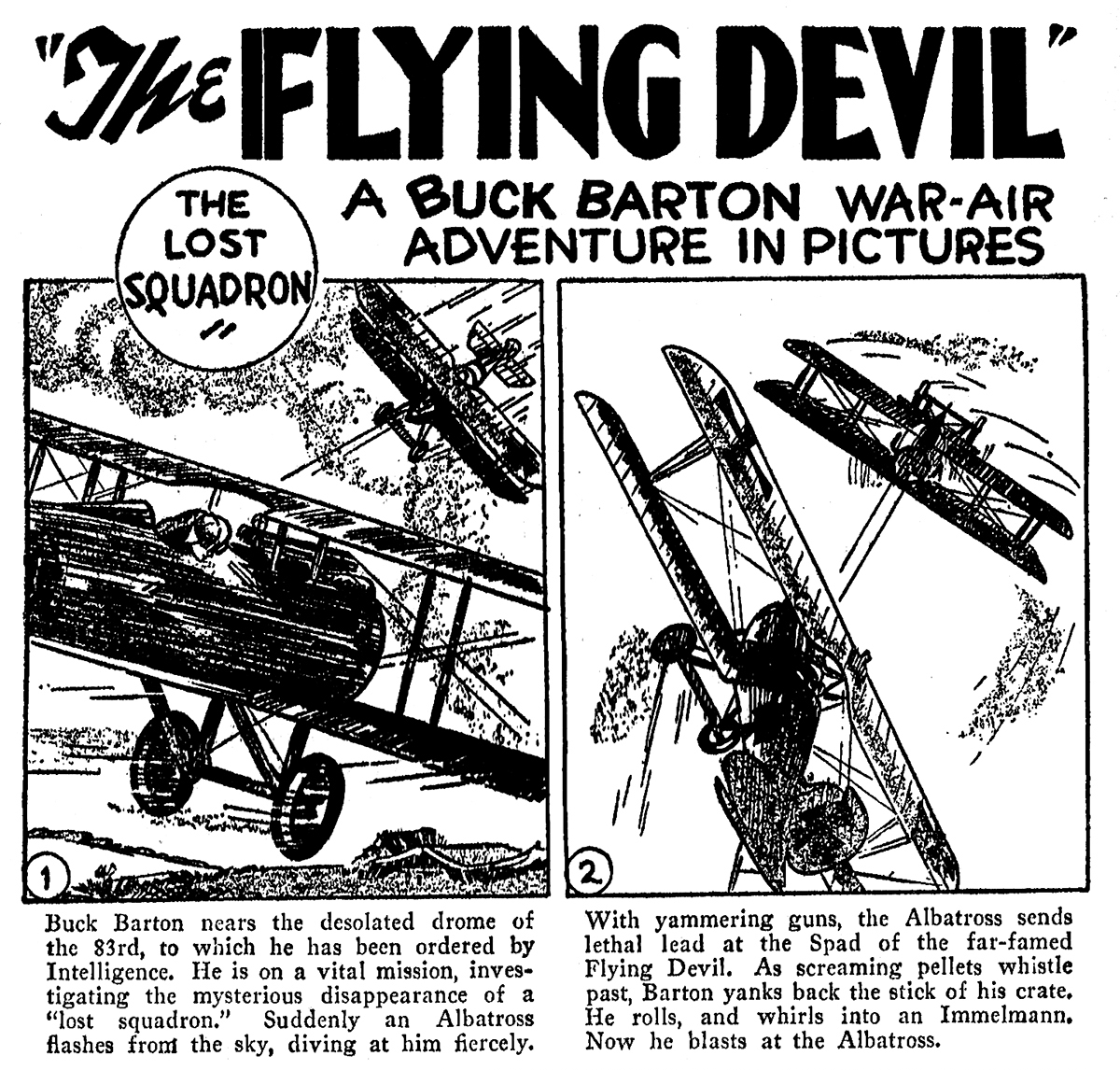


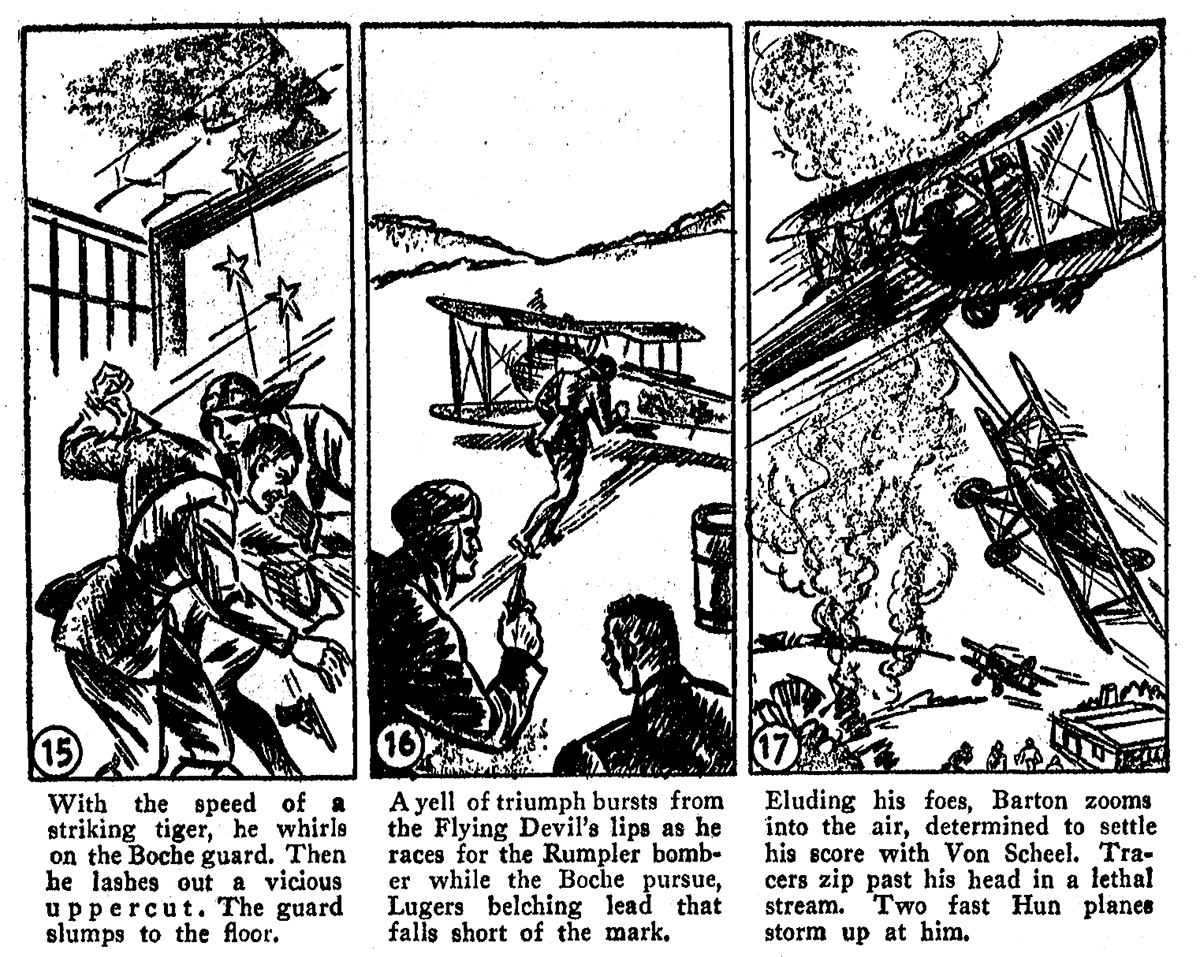
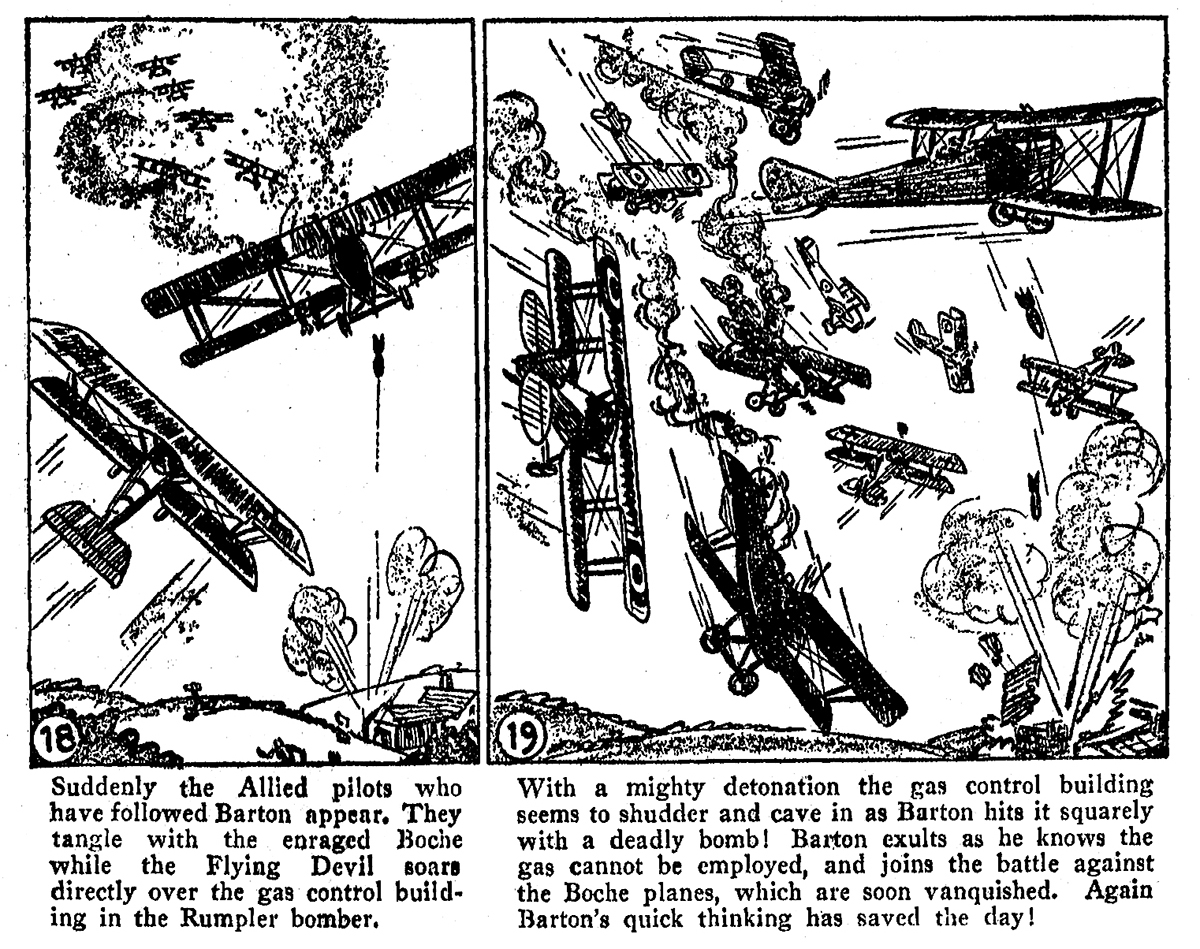
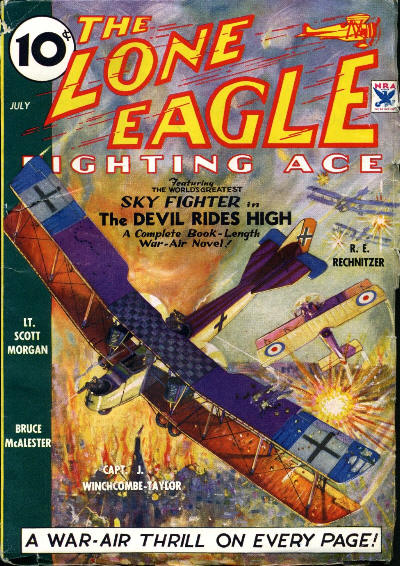 in on The Flying Devil! The Flying Devil was a regular feature of the first fifteen issues of The Lone Eagle and, more importantly, as they announced beneath each month’s story—“the Only War-Air Cartoon Story to Appear in Any Magazine!” The strip was drawn by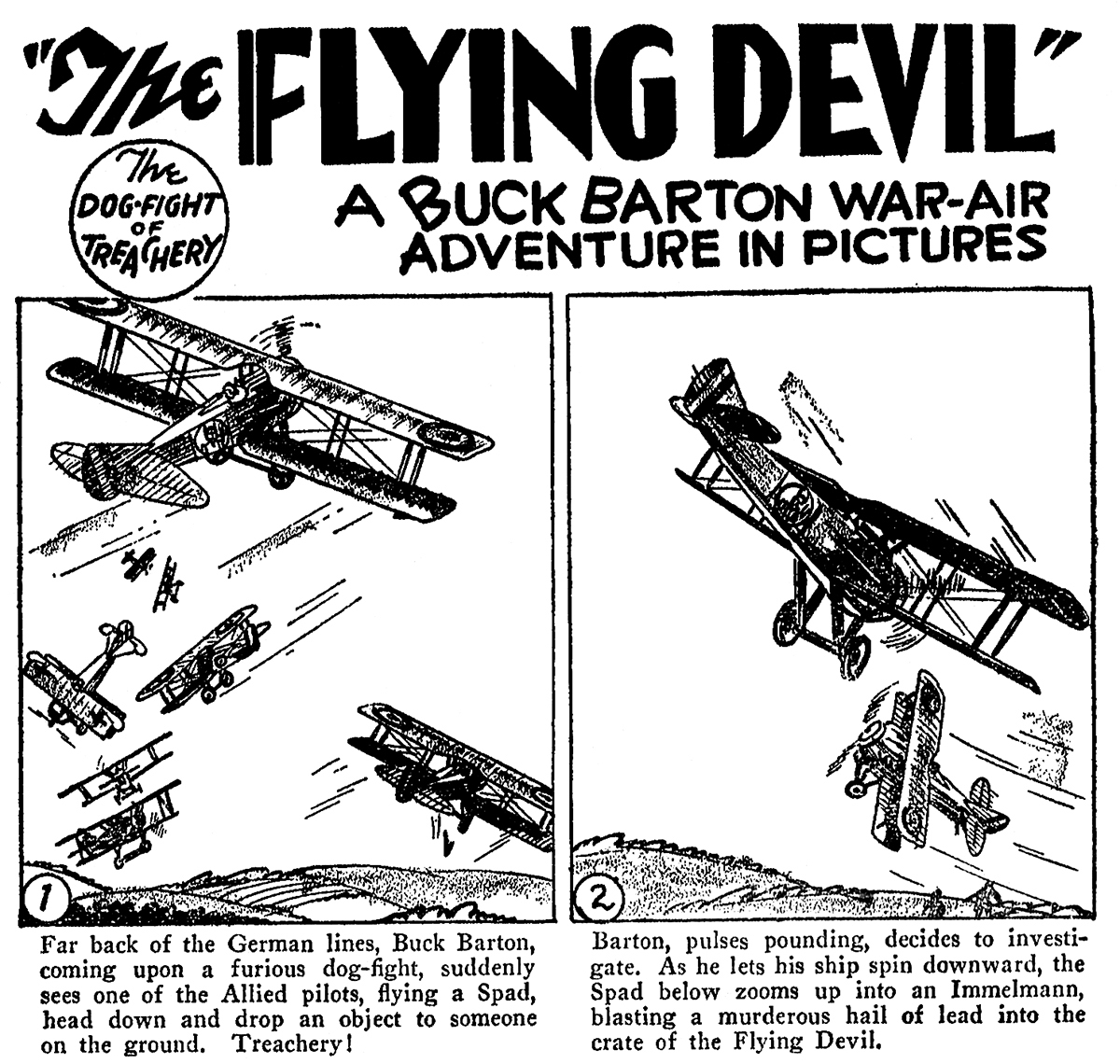
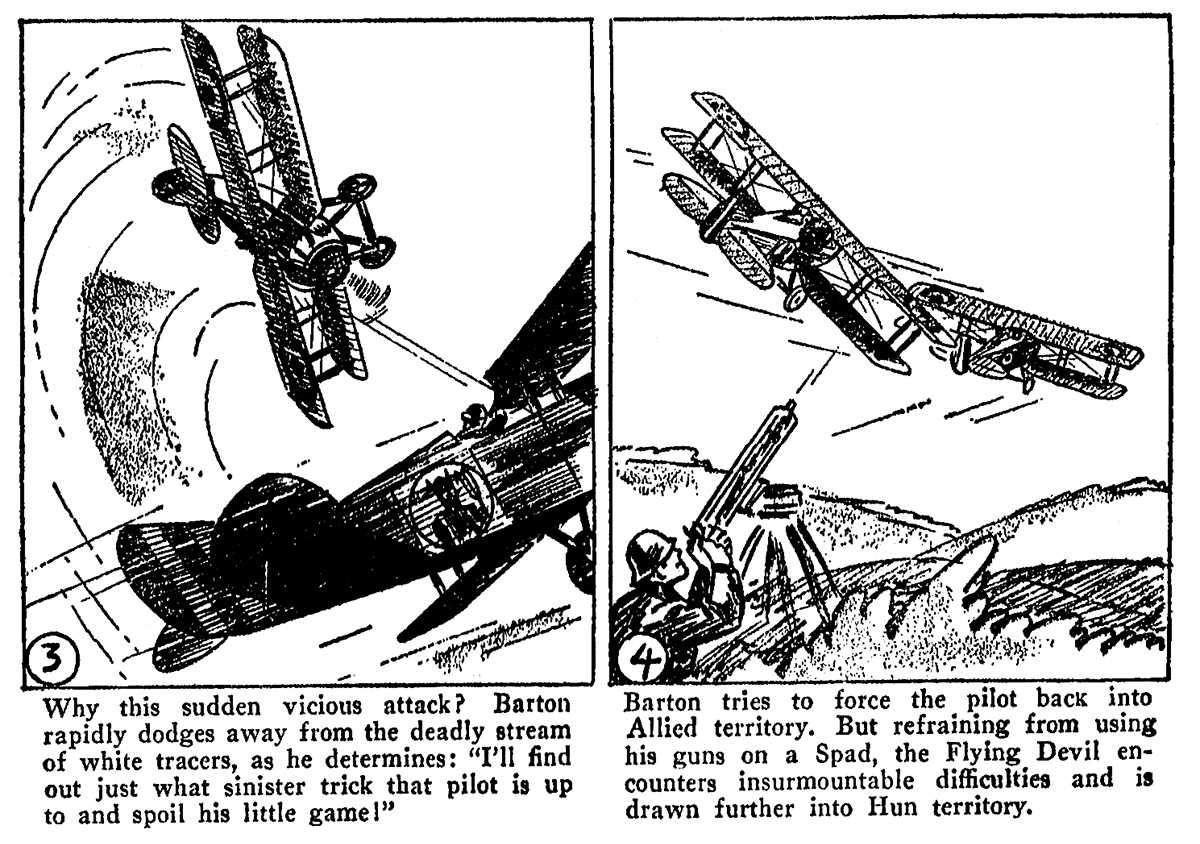

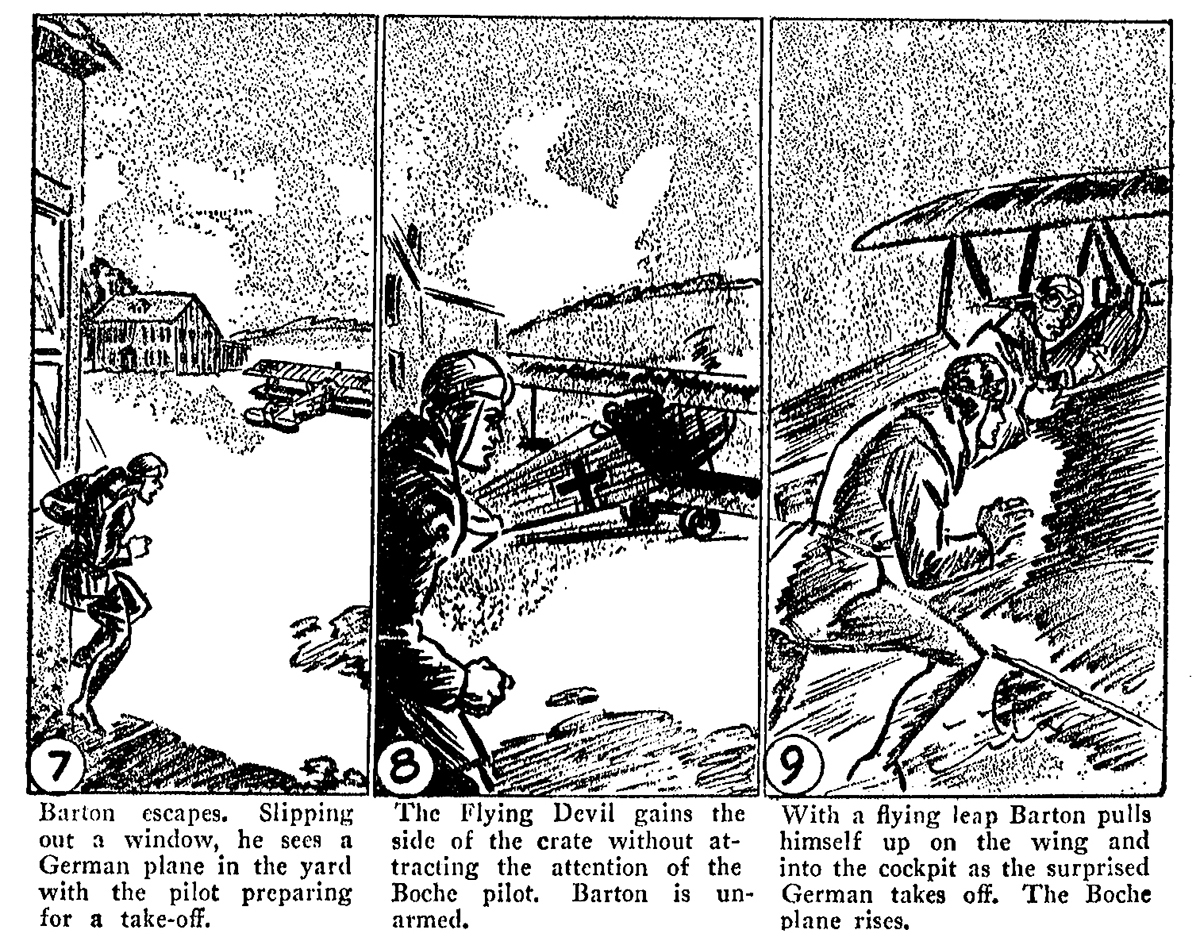
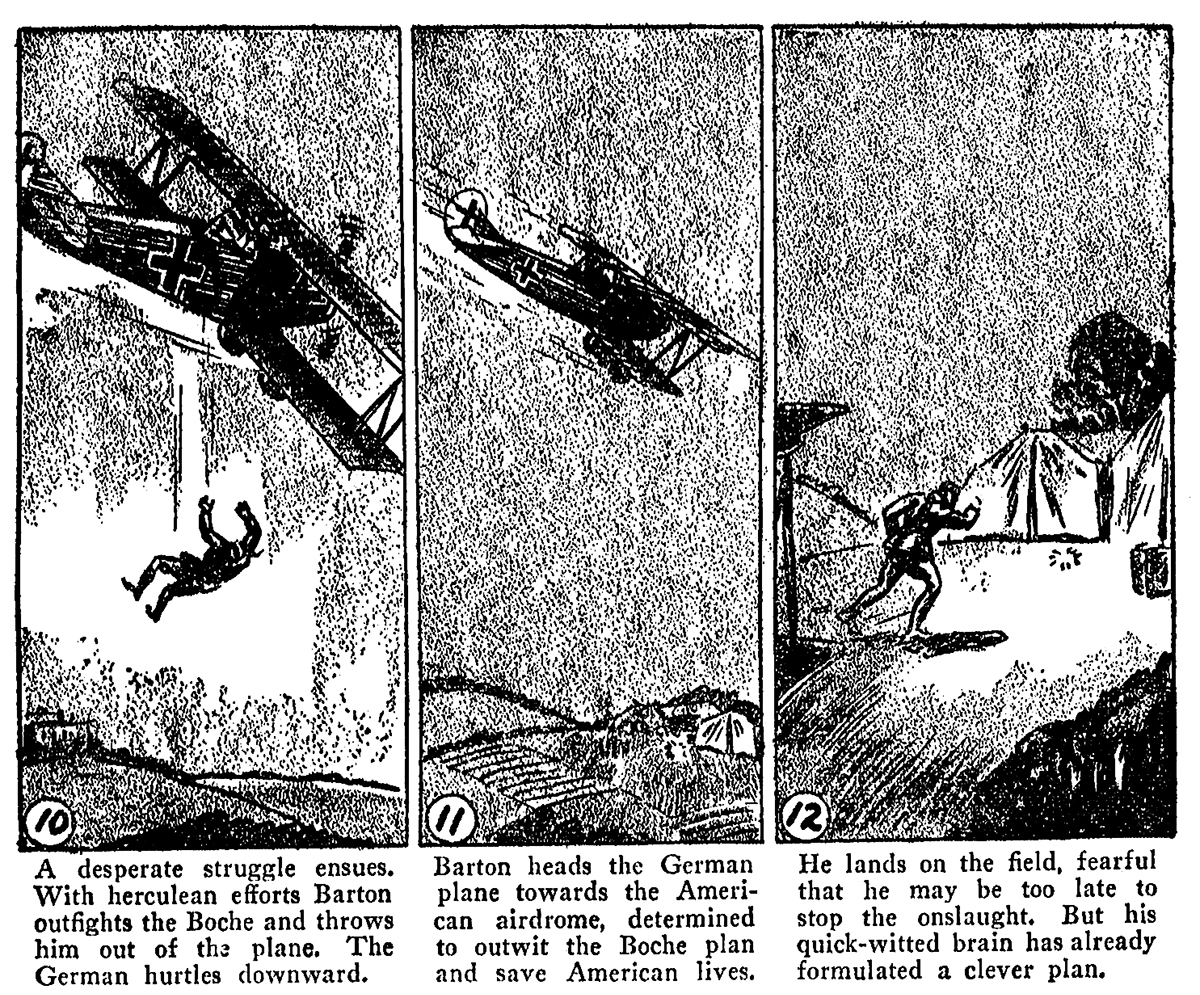
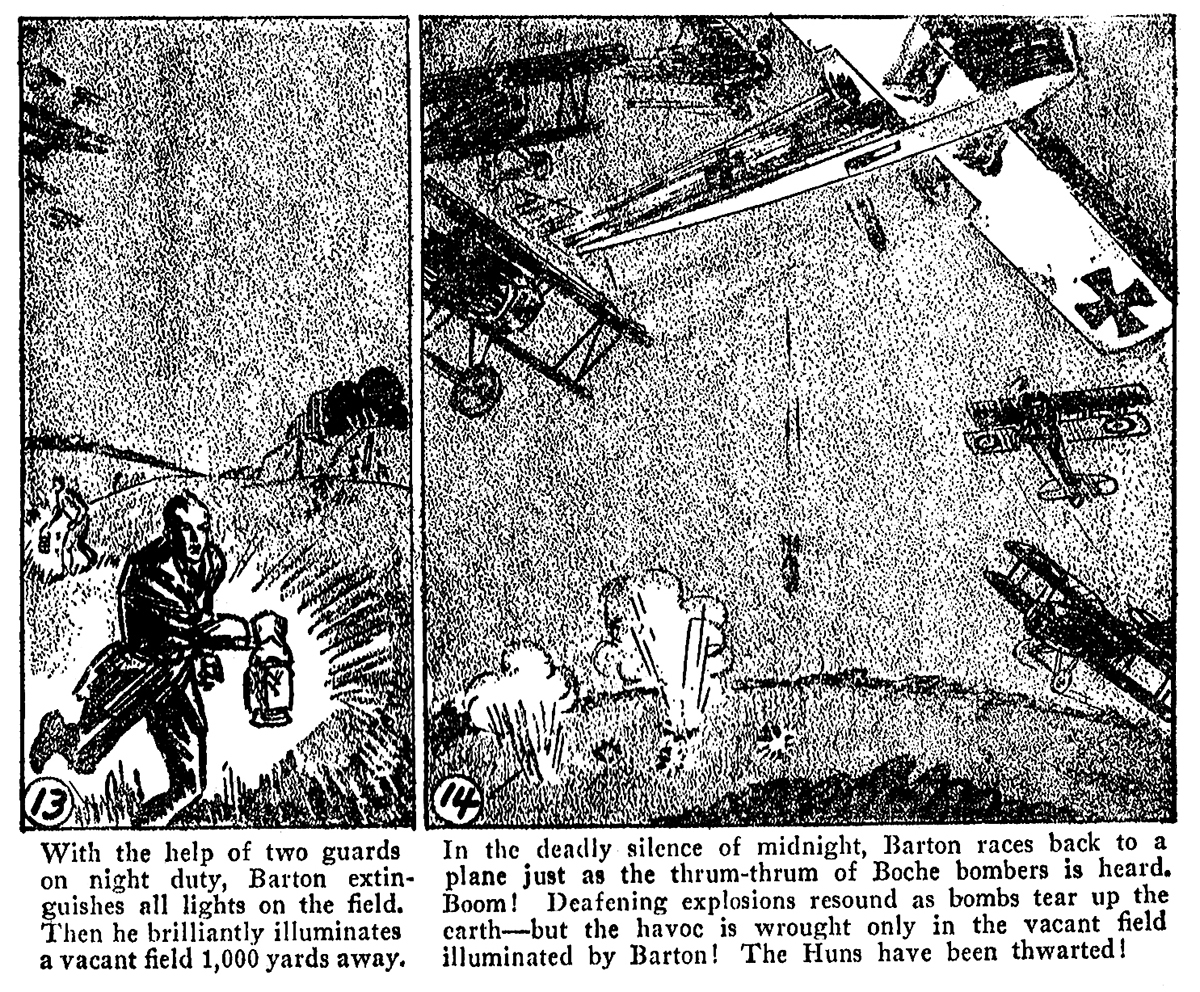
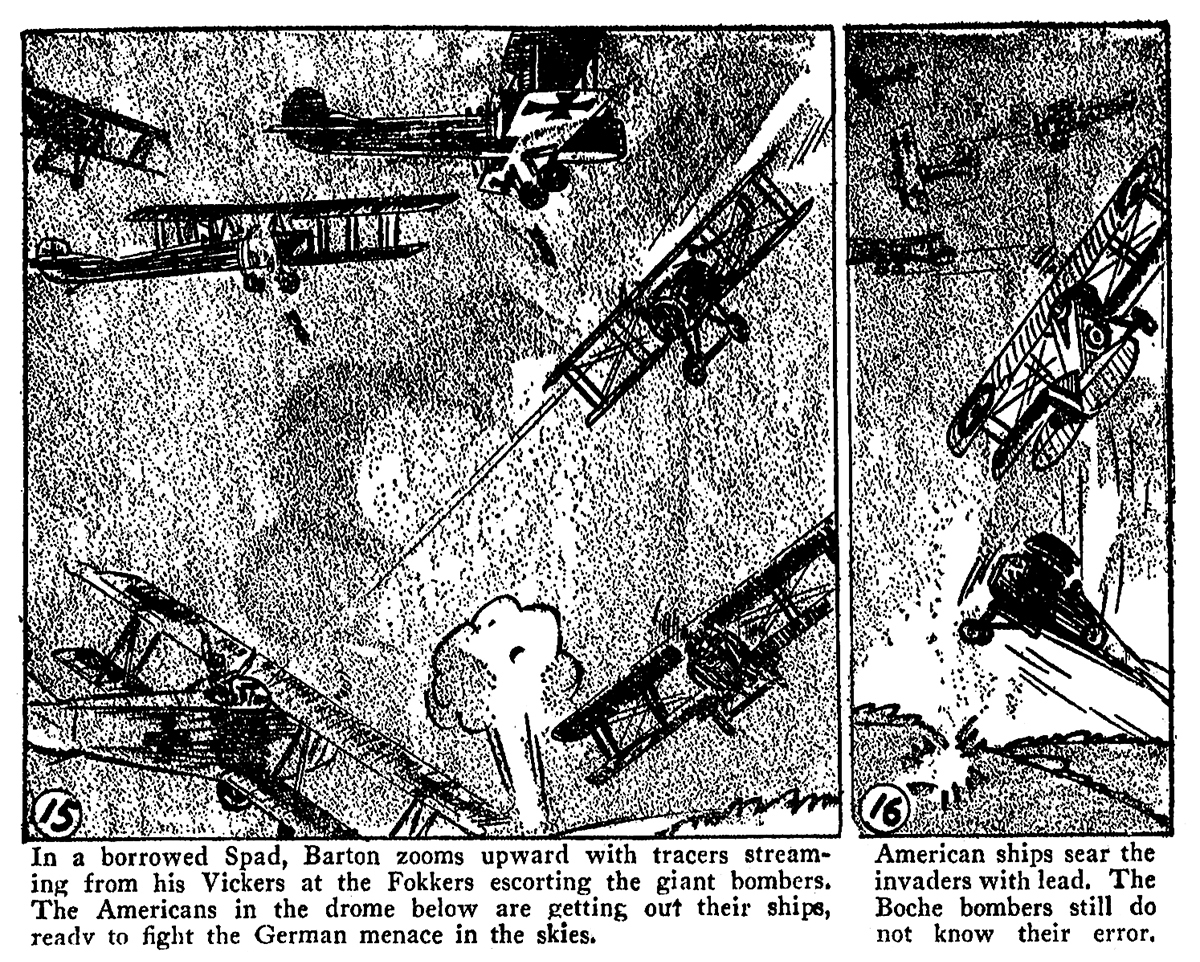

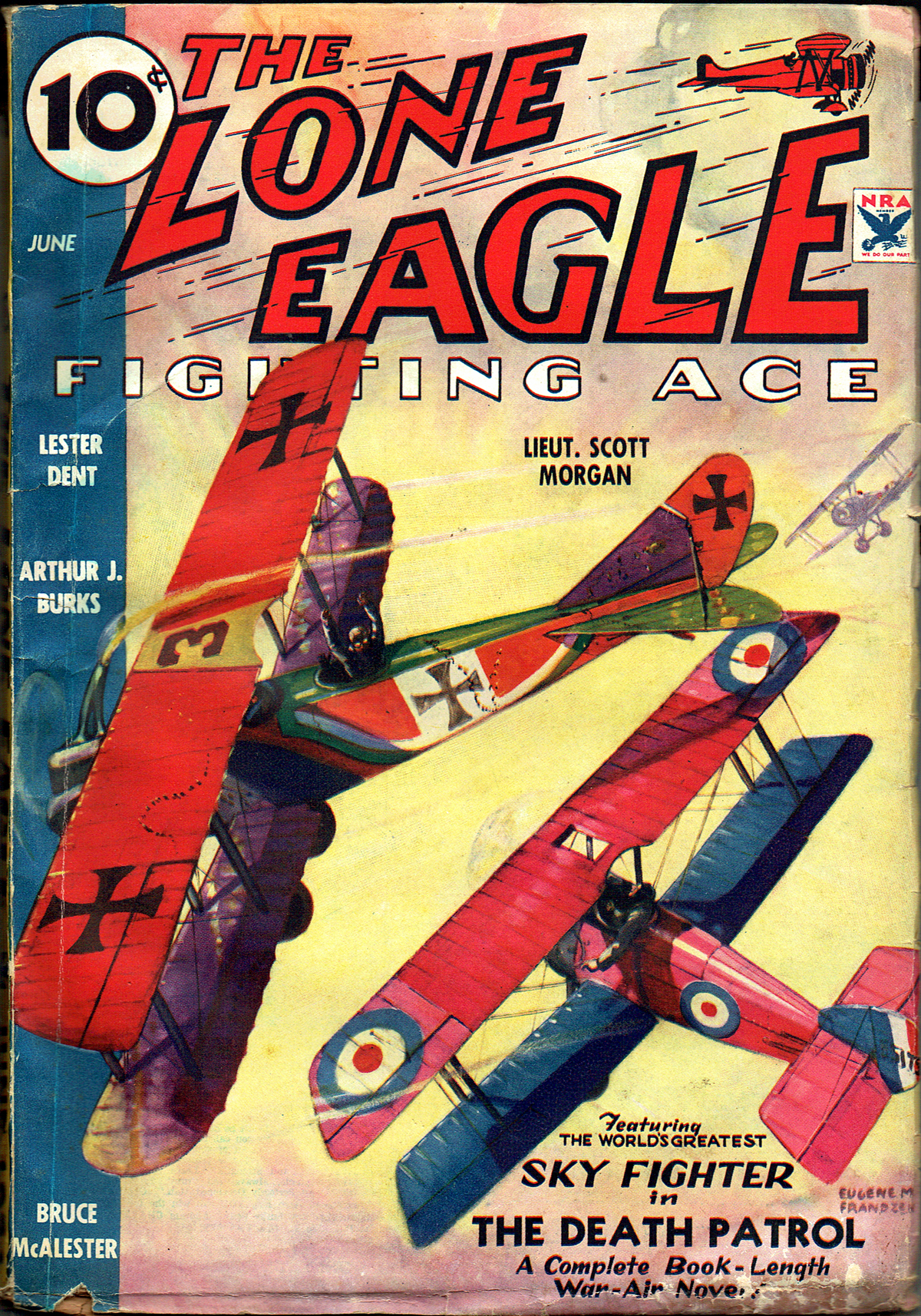 in on The Flying Devil! The Flying Devil was a regular feature of the first fifteen issues of The Lone Eagle and, more importantly, as they announced beneath each month’s story—“the Only War-Air Cartoon Story to Appear in Any Magazine!” The strip was drawn by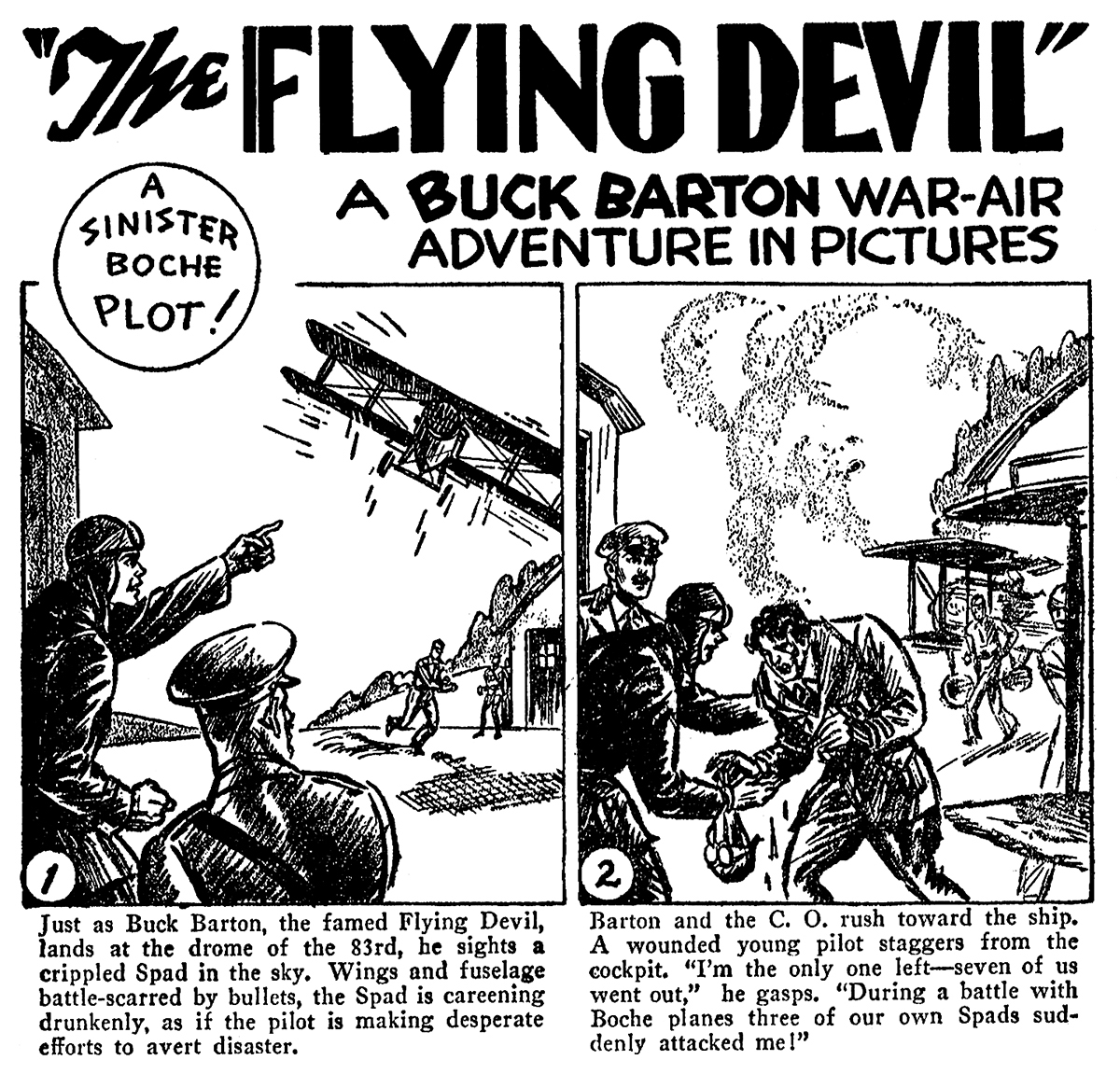
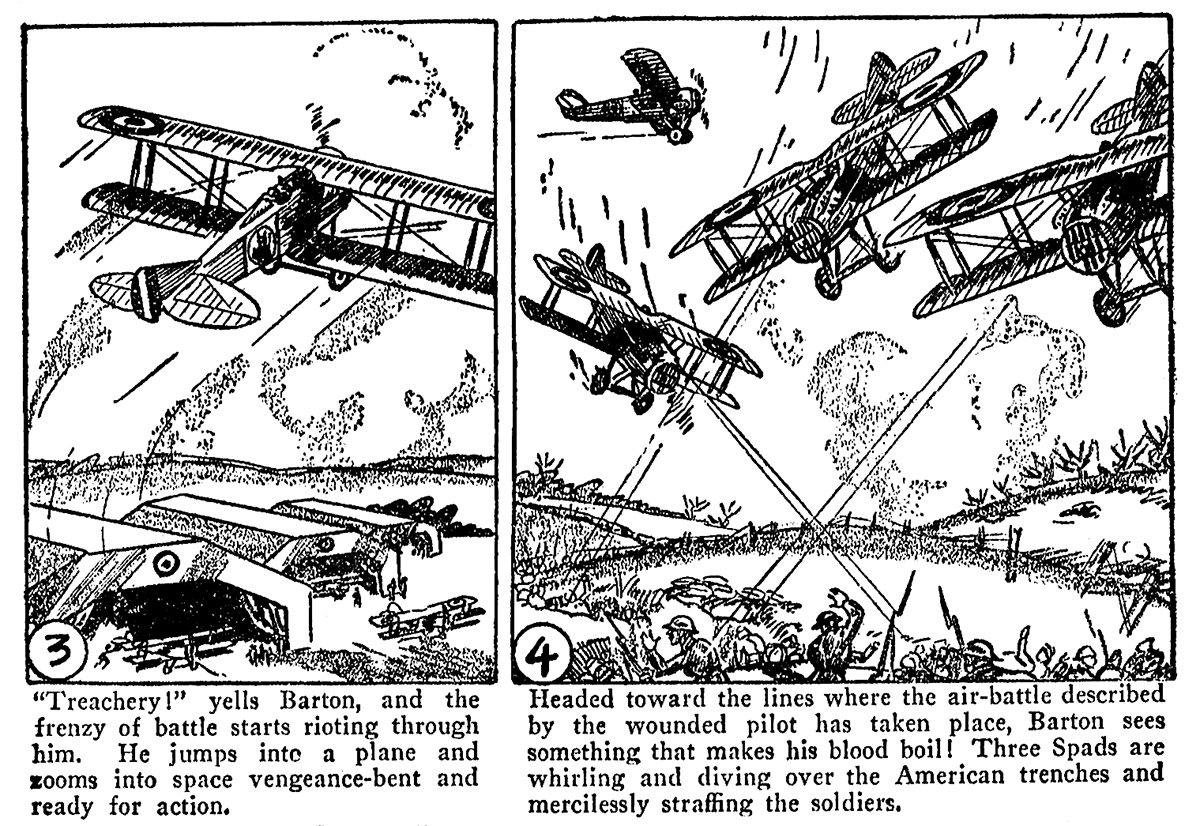


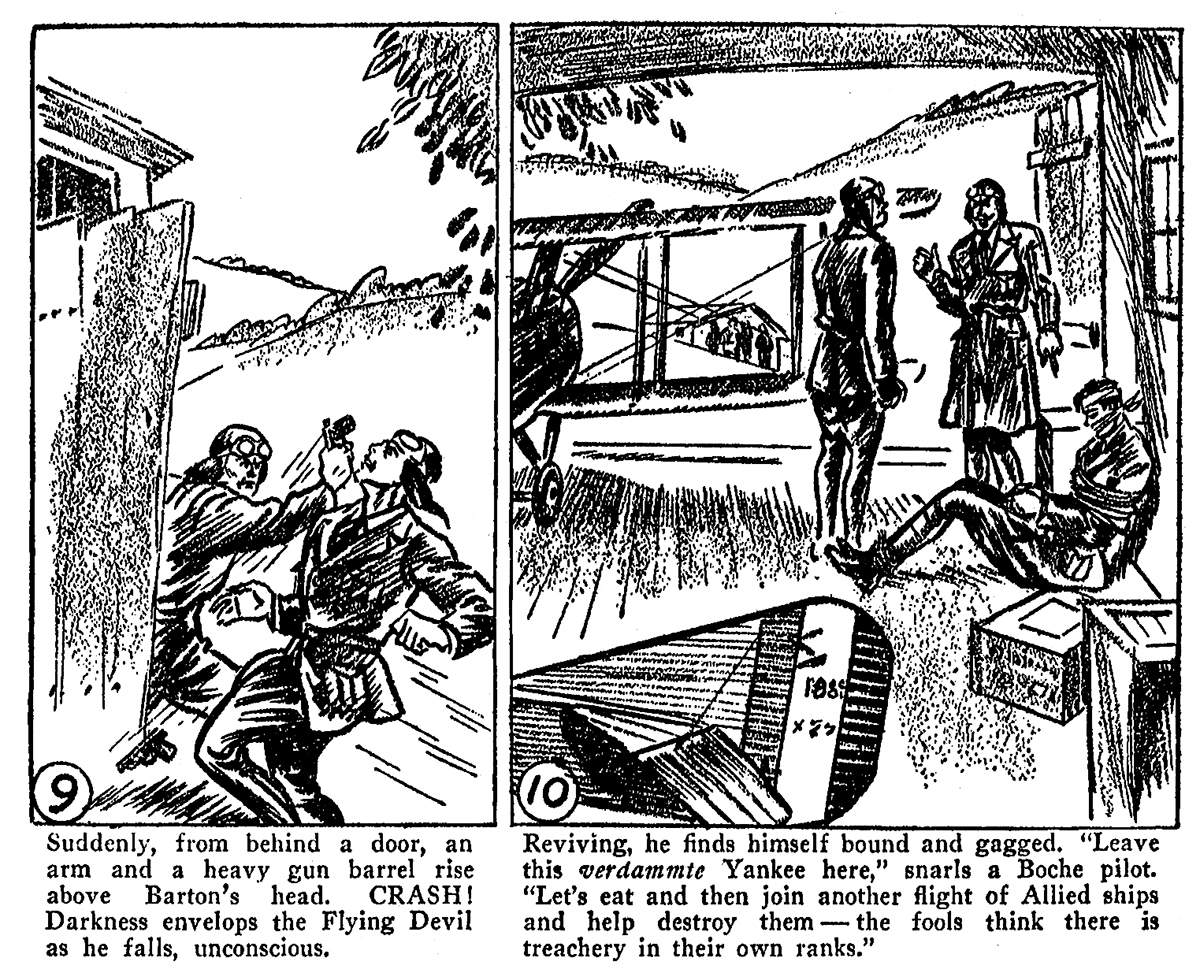

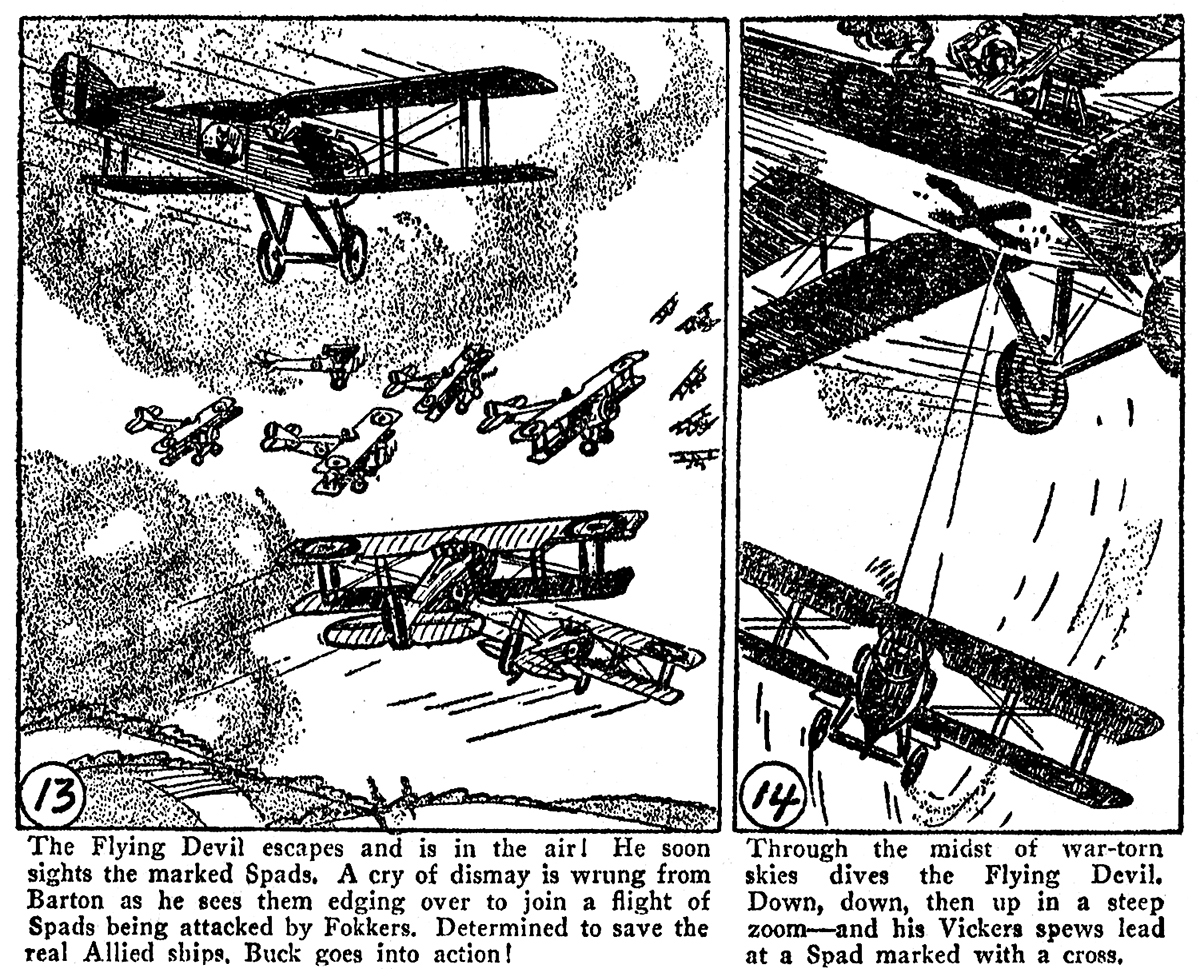

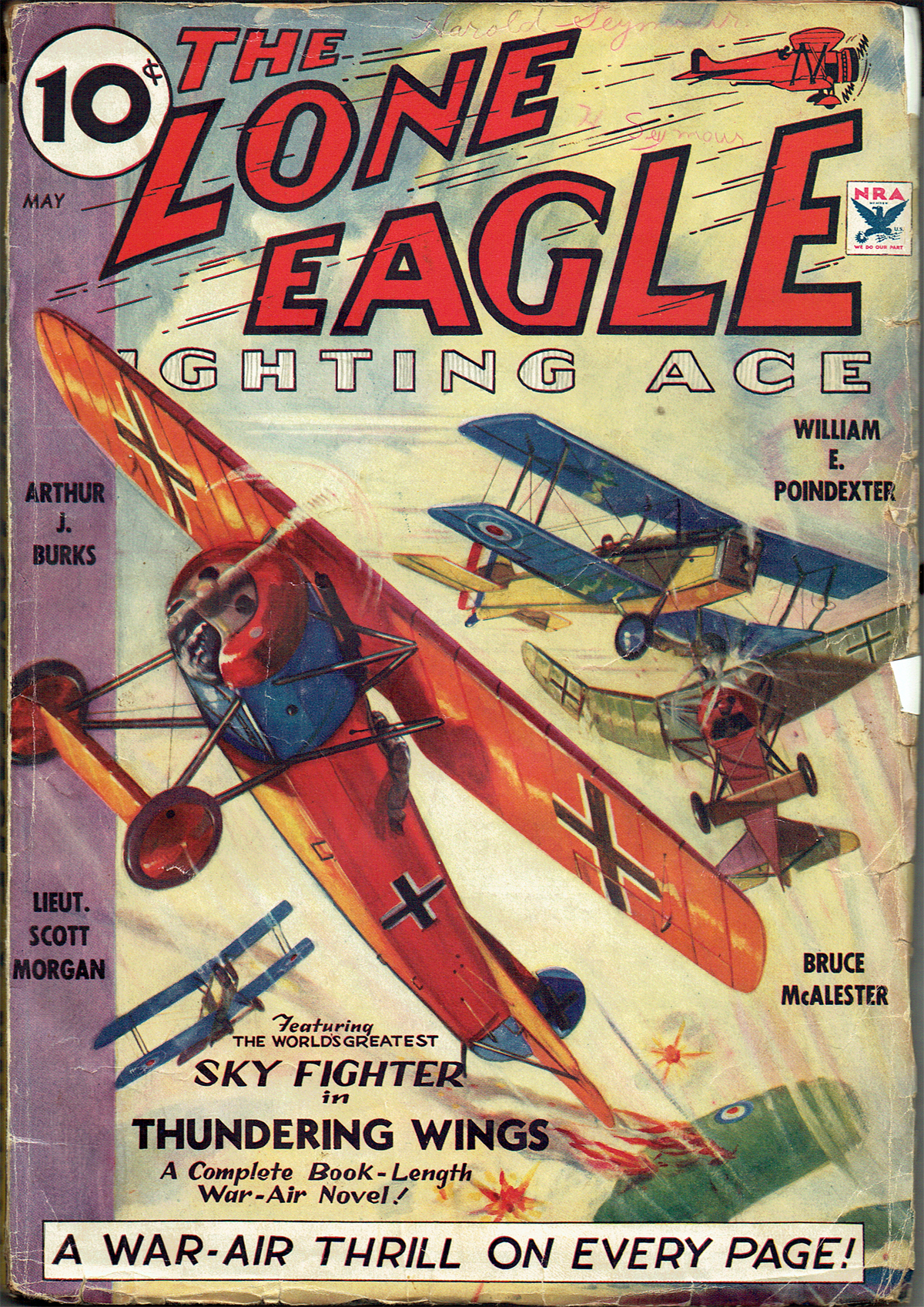 in on The Flying Devil! The Flying Devil was a regular feature of the first fifteen issues of The Lone Eagle and, more importantly, as they announced beneath each month’s story—“the Only War-Air Cartoon Story to Appear in Any Magazine!” The strip was drawn by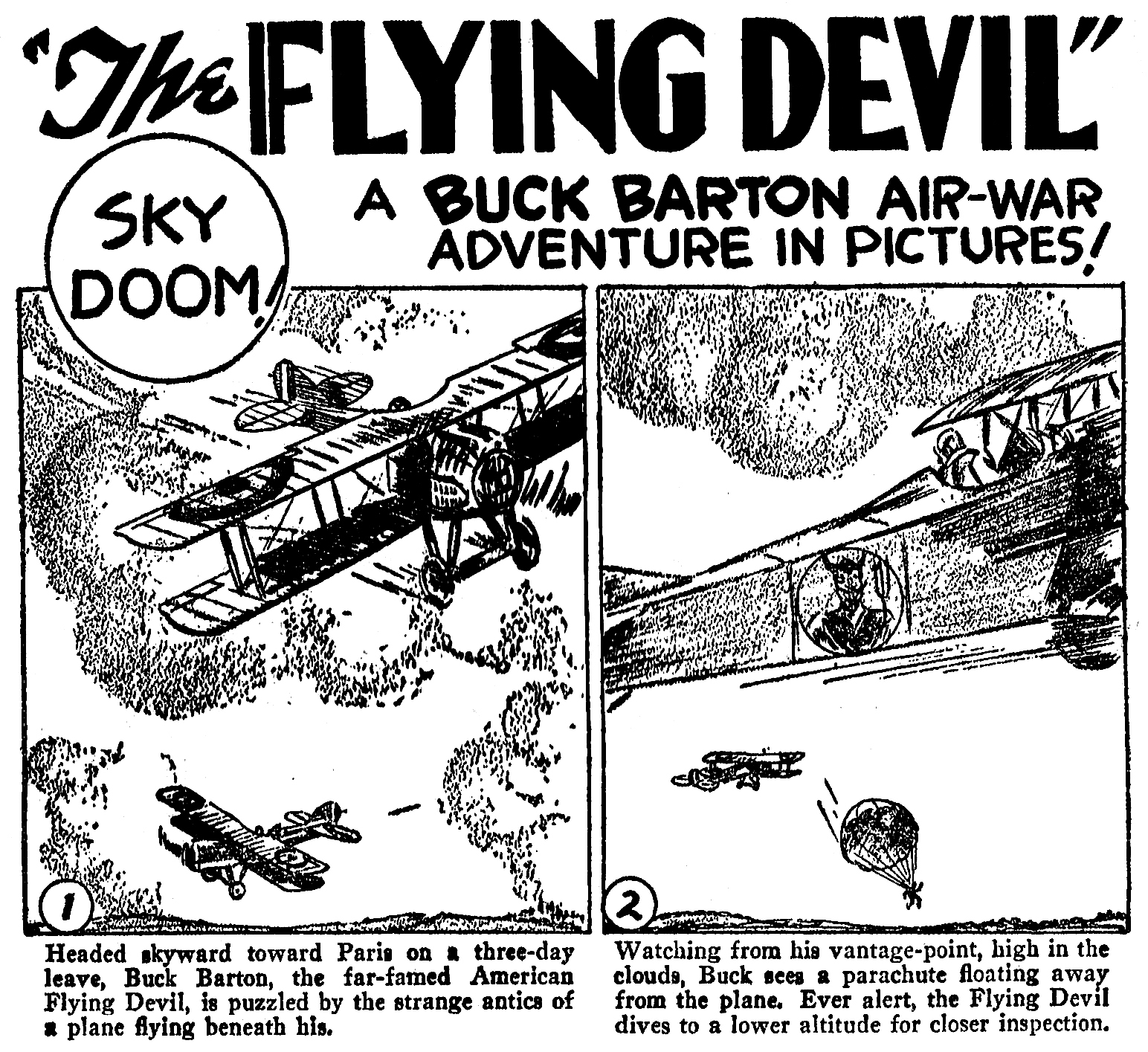
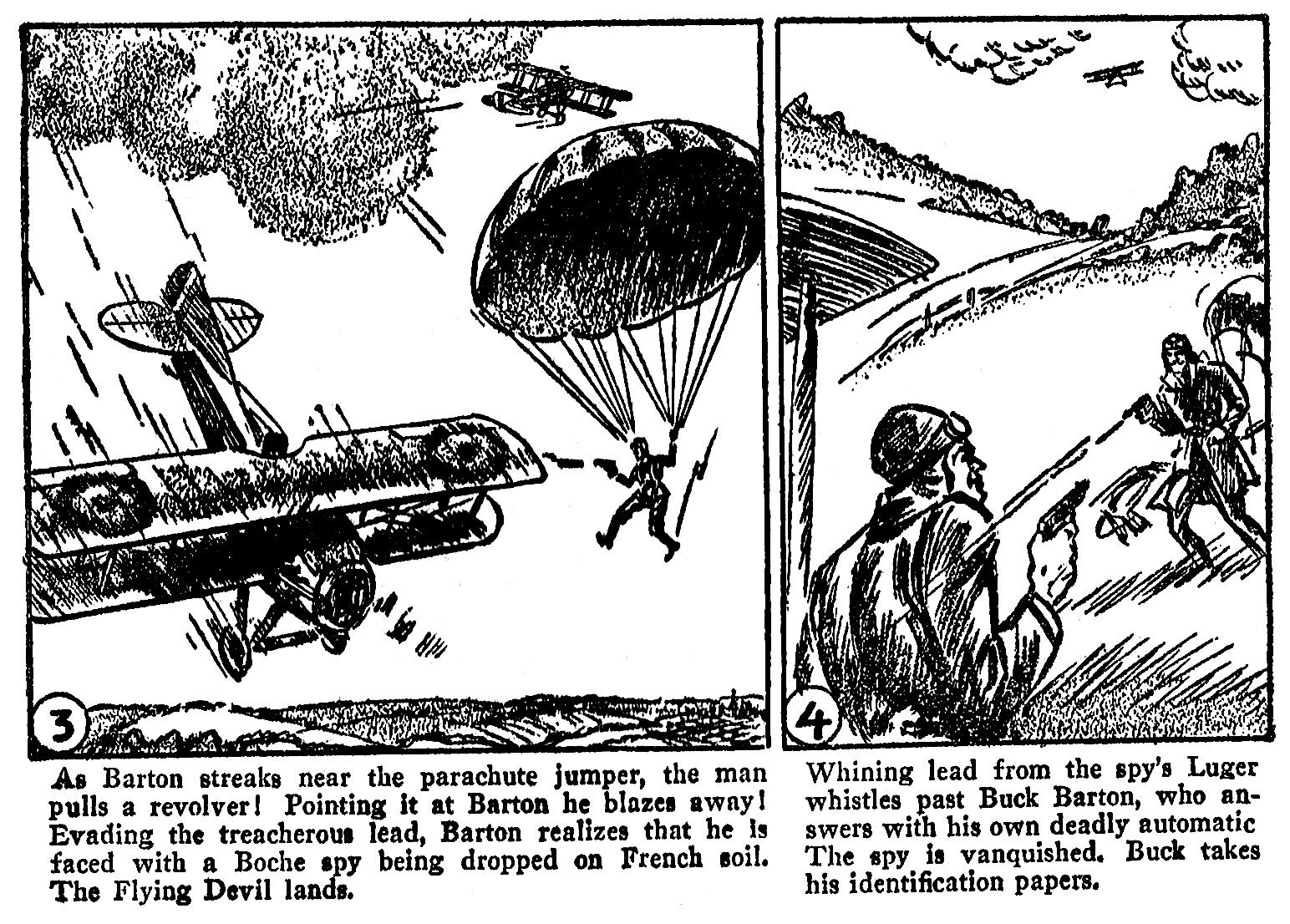
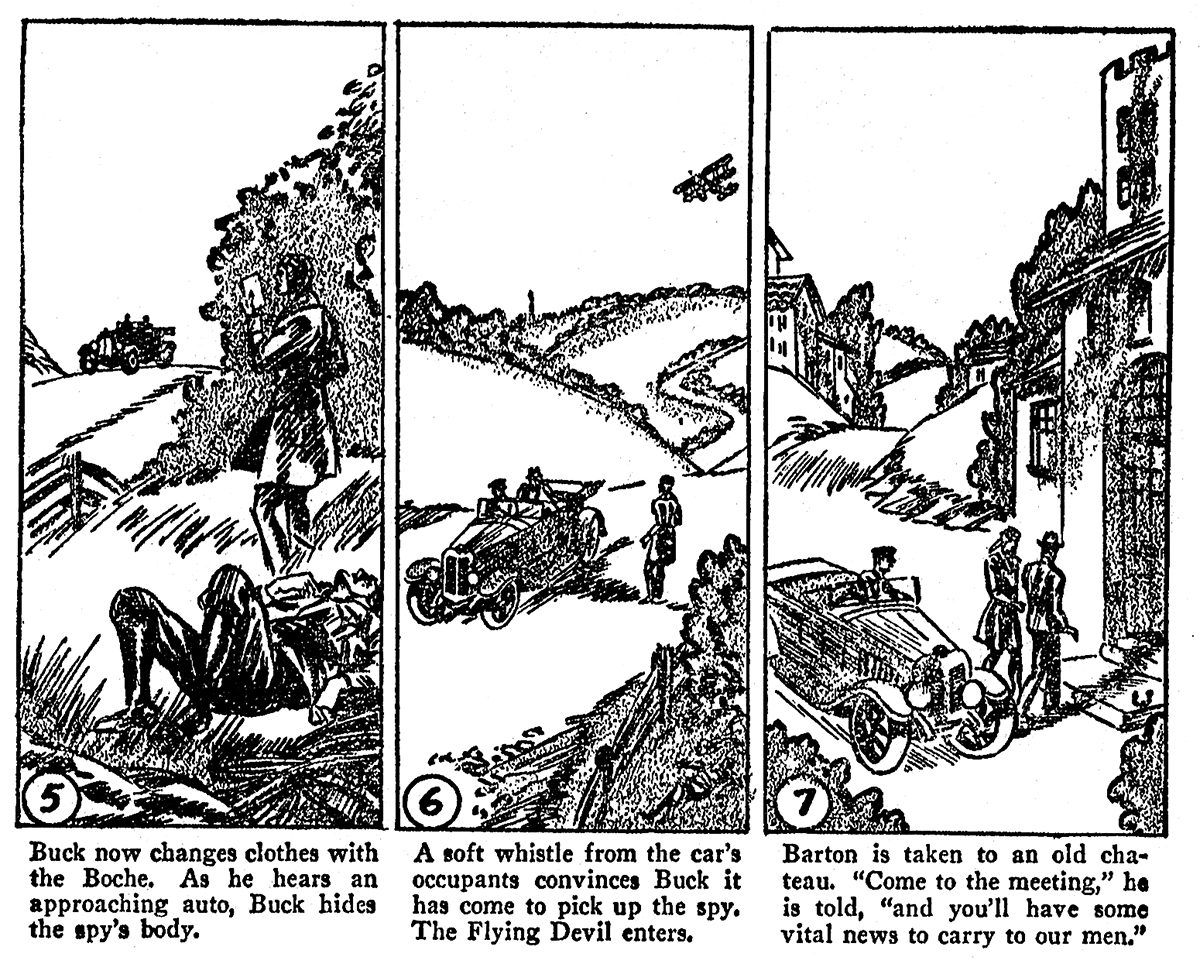


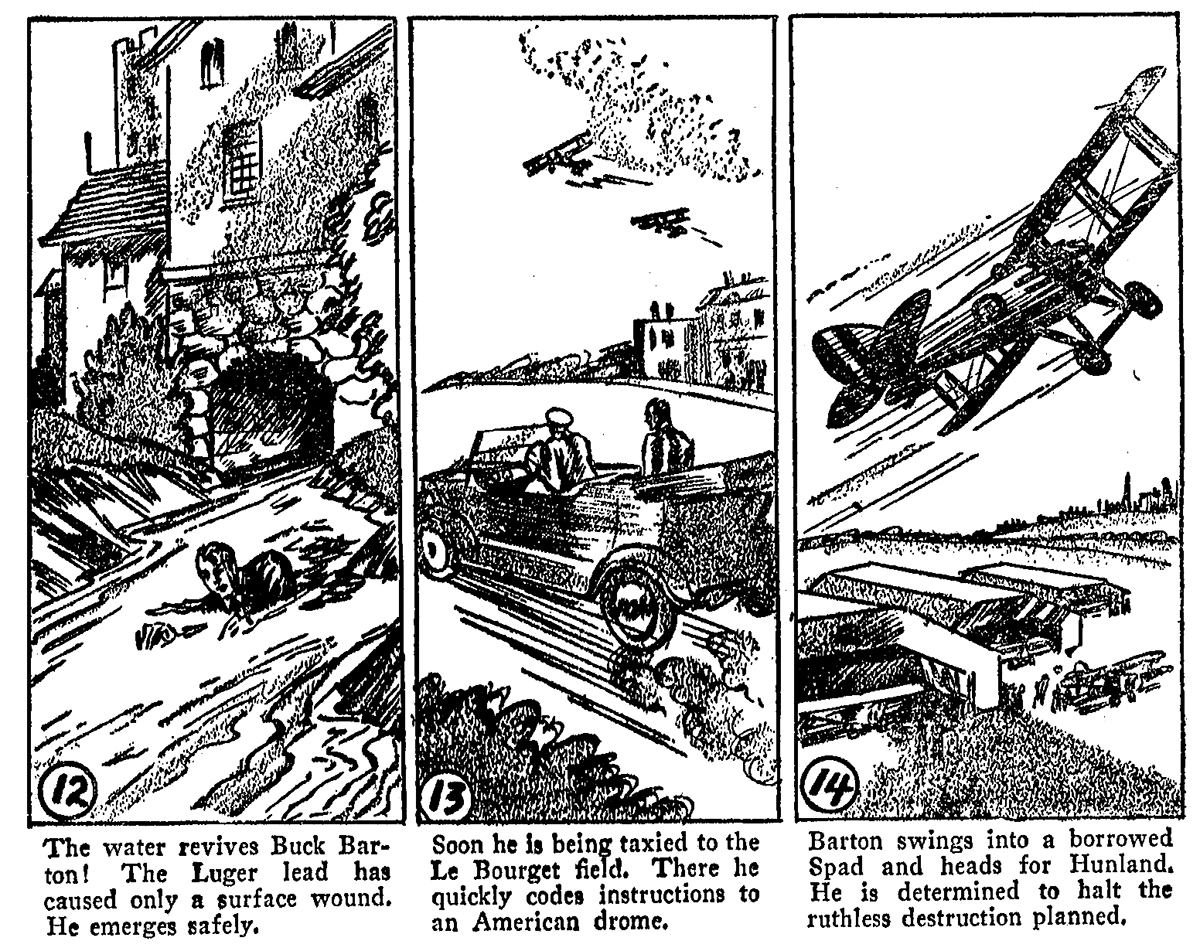

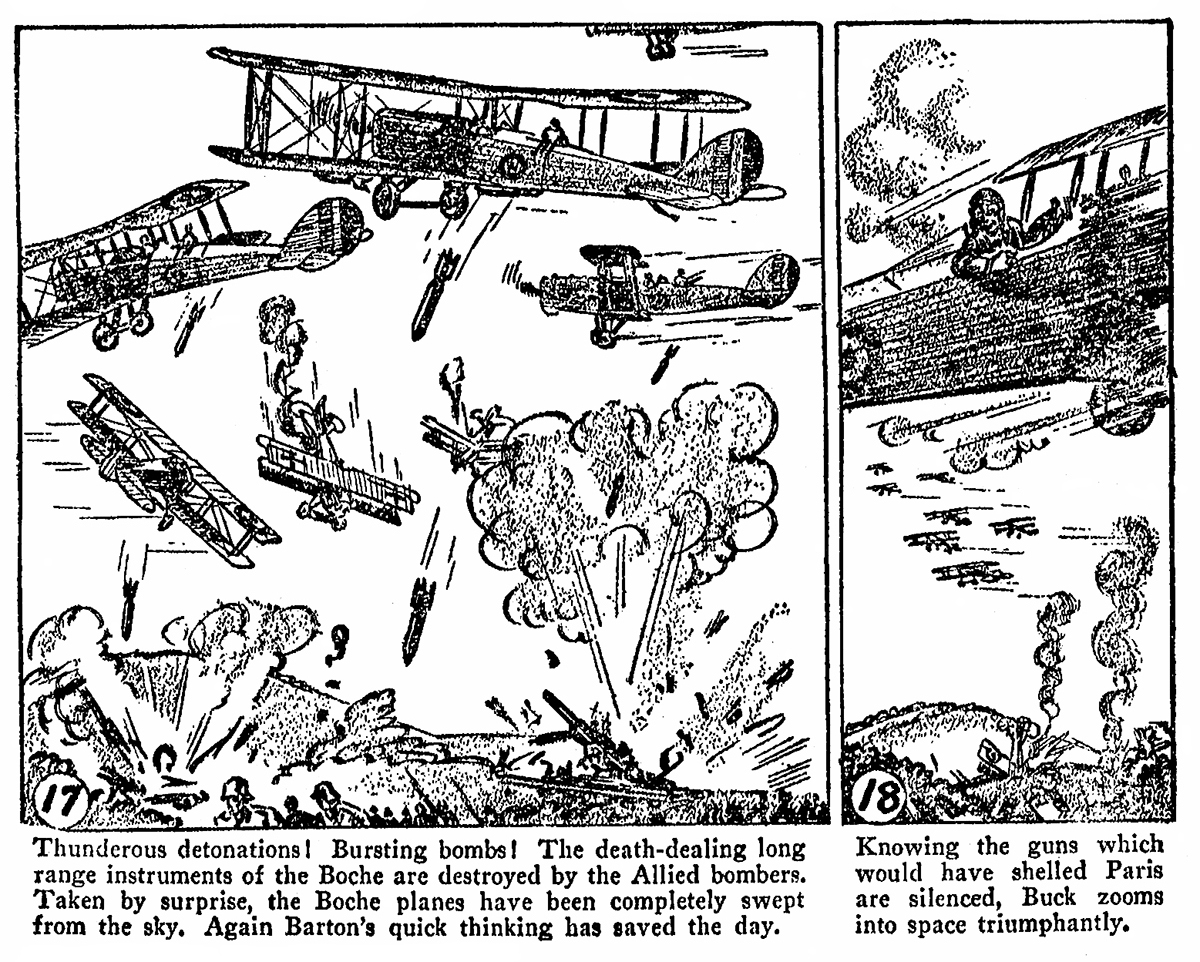
 in on The Flying Devil! The Flying Devil was a regular feature of the first fifteen issues of The Lone Eagle and, more importantly, as they announced beneath each month’s story—“the Only War-Air Cartoon Story to Appear in Any Magazine!” The strip was drawn by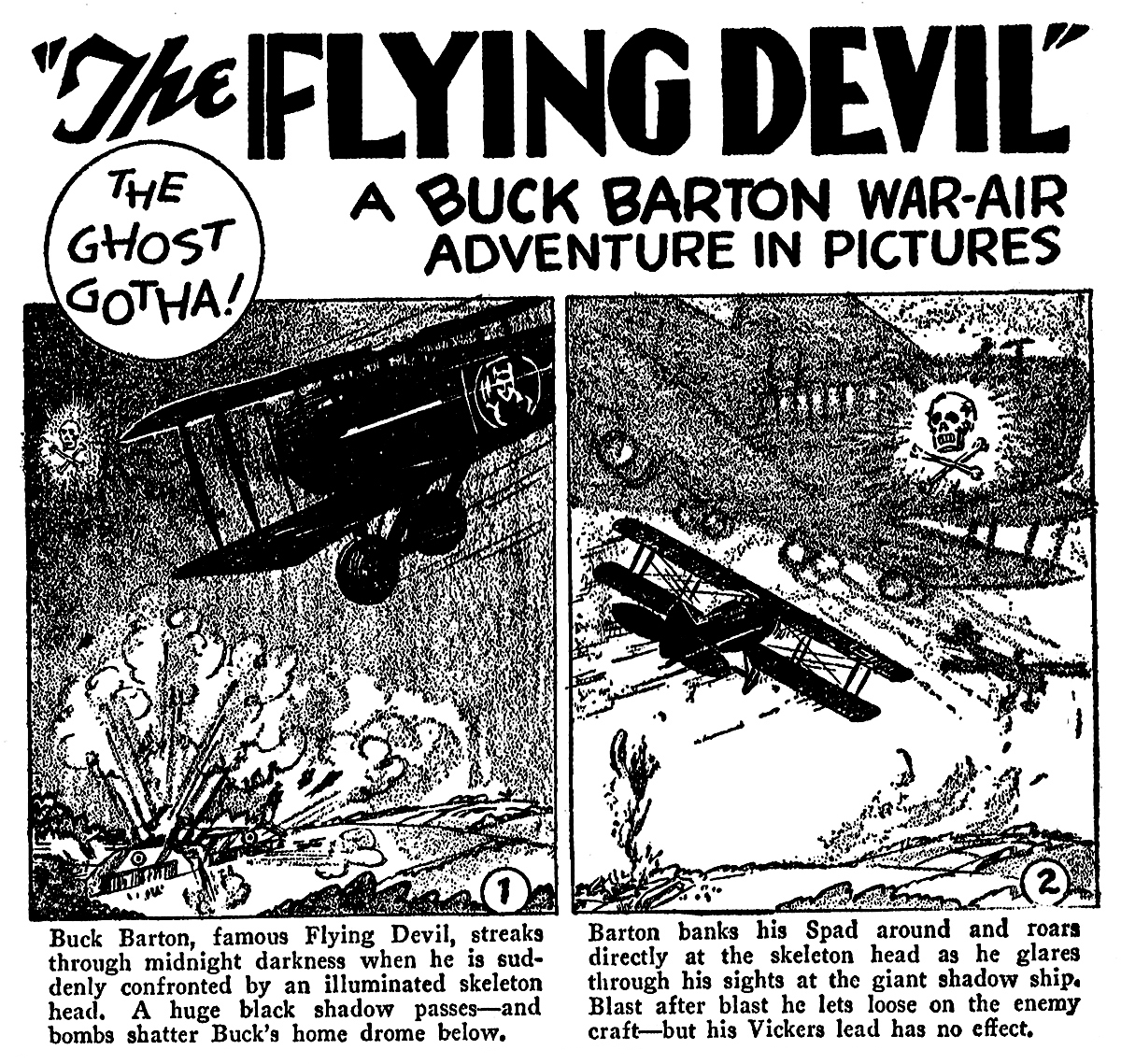
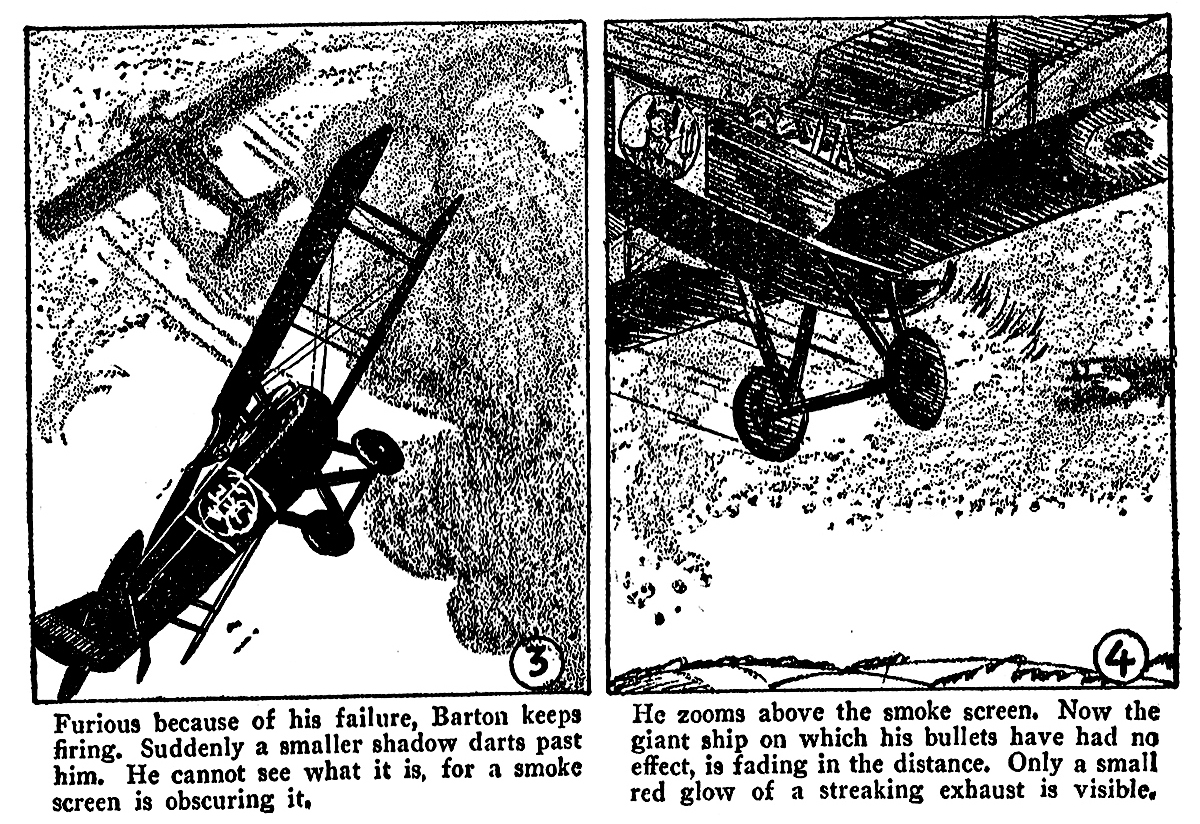
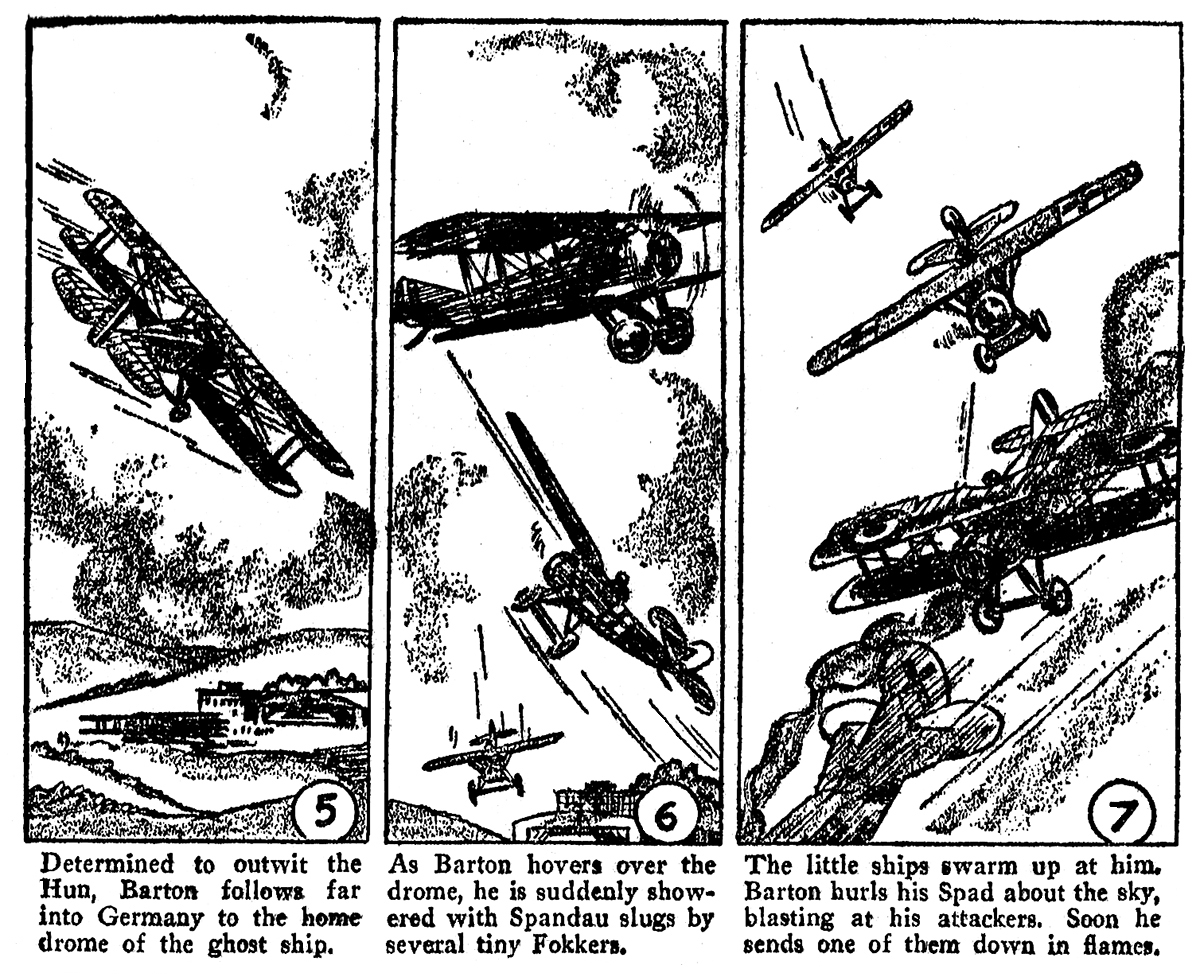
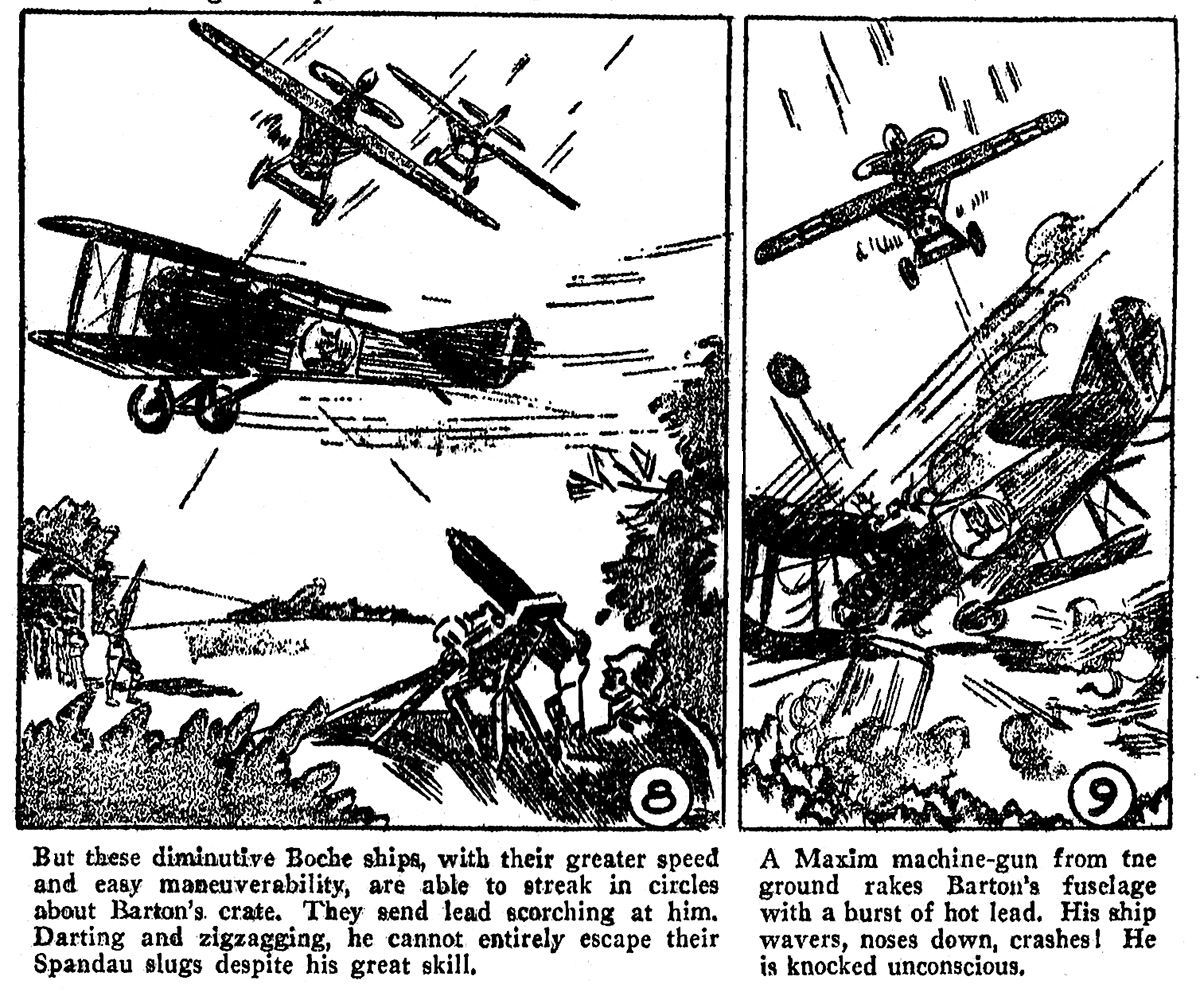
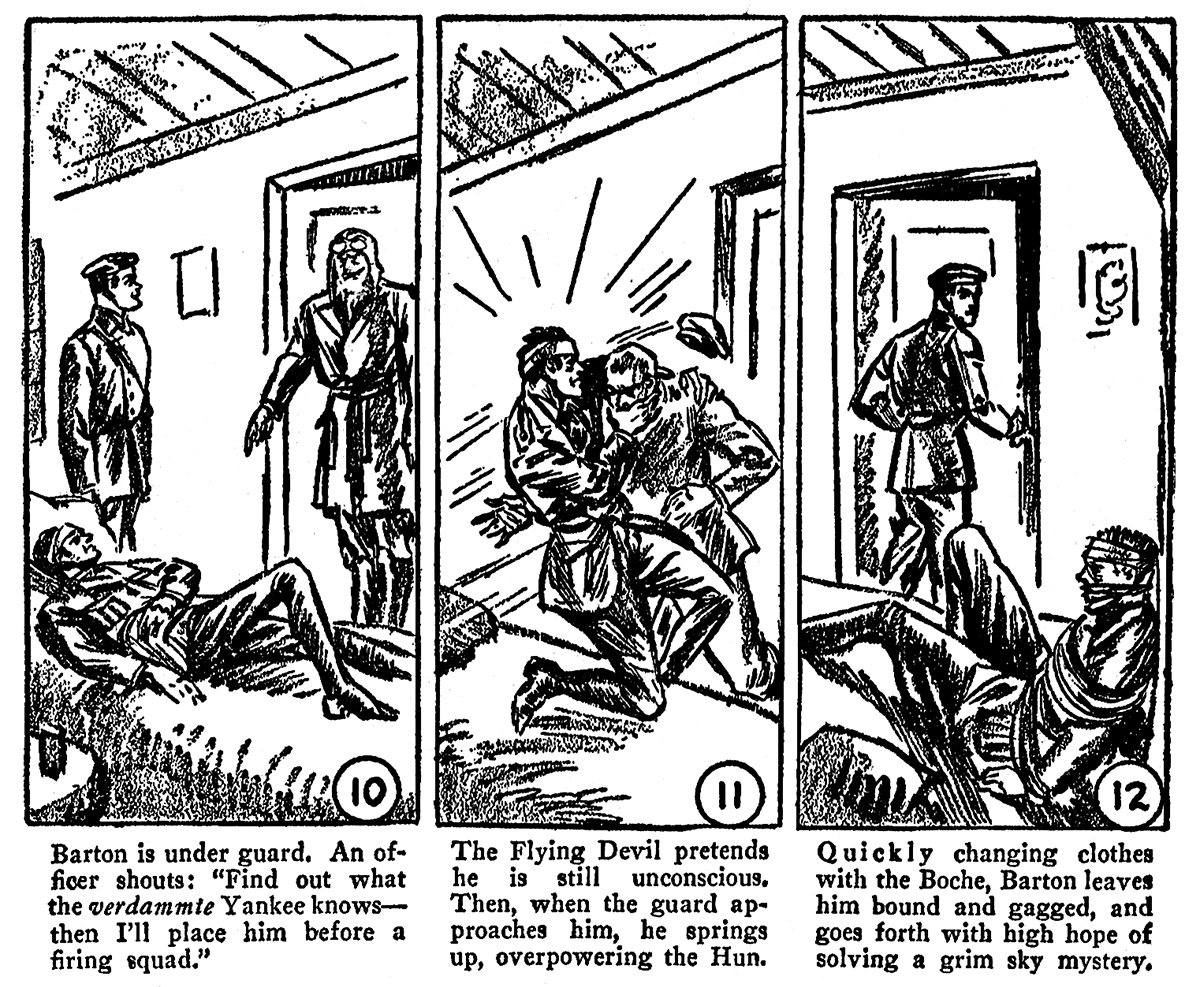
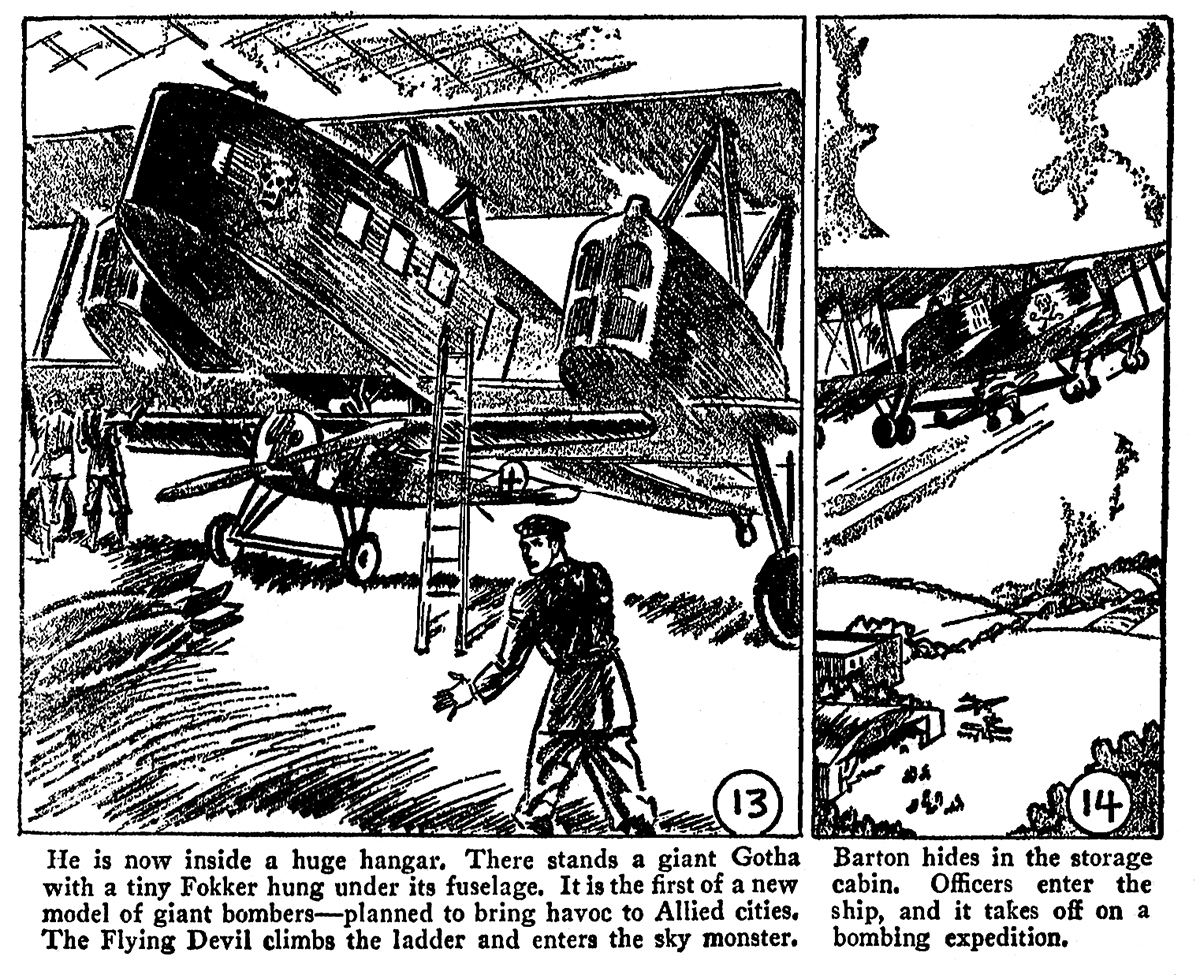
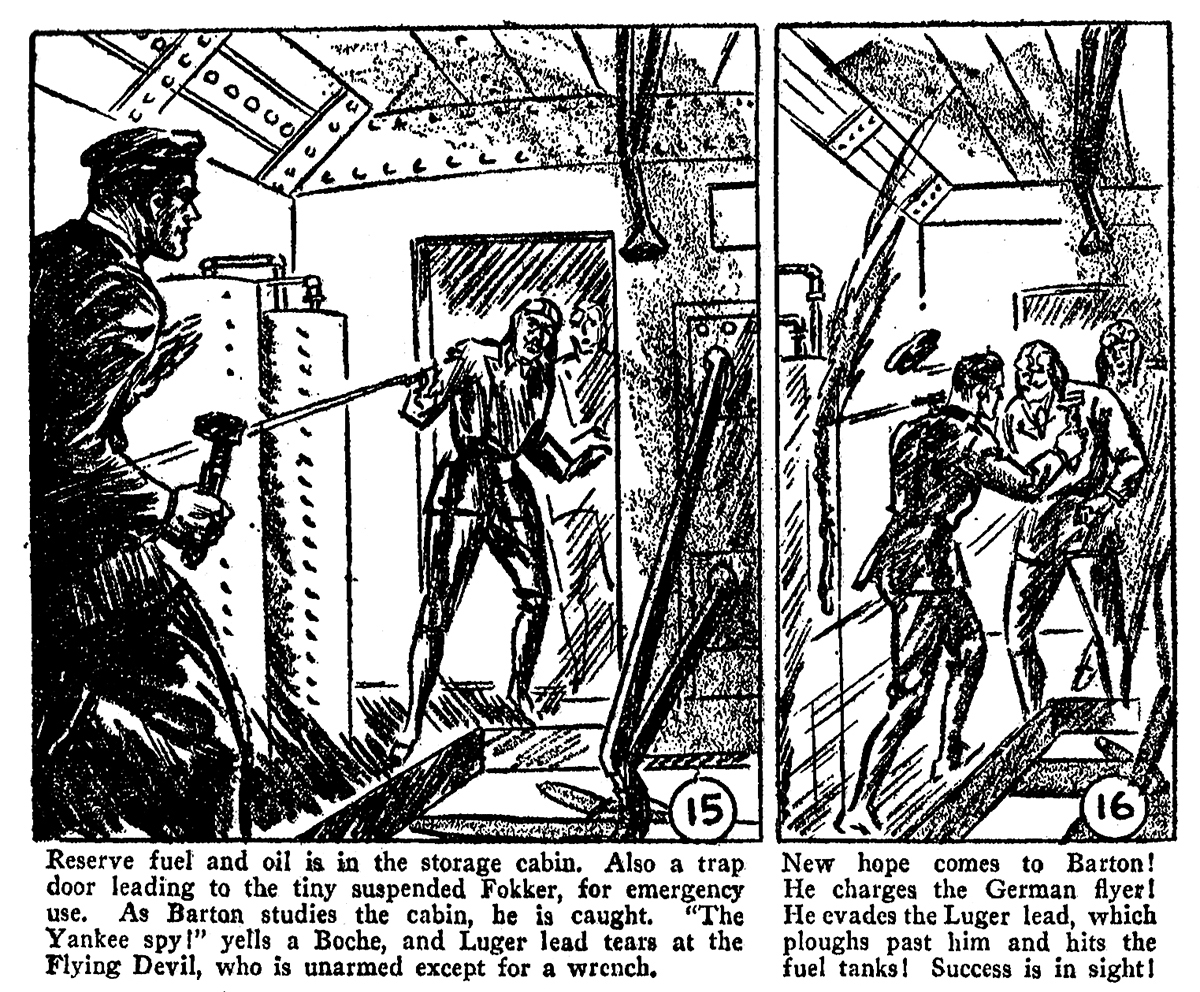
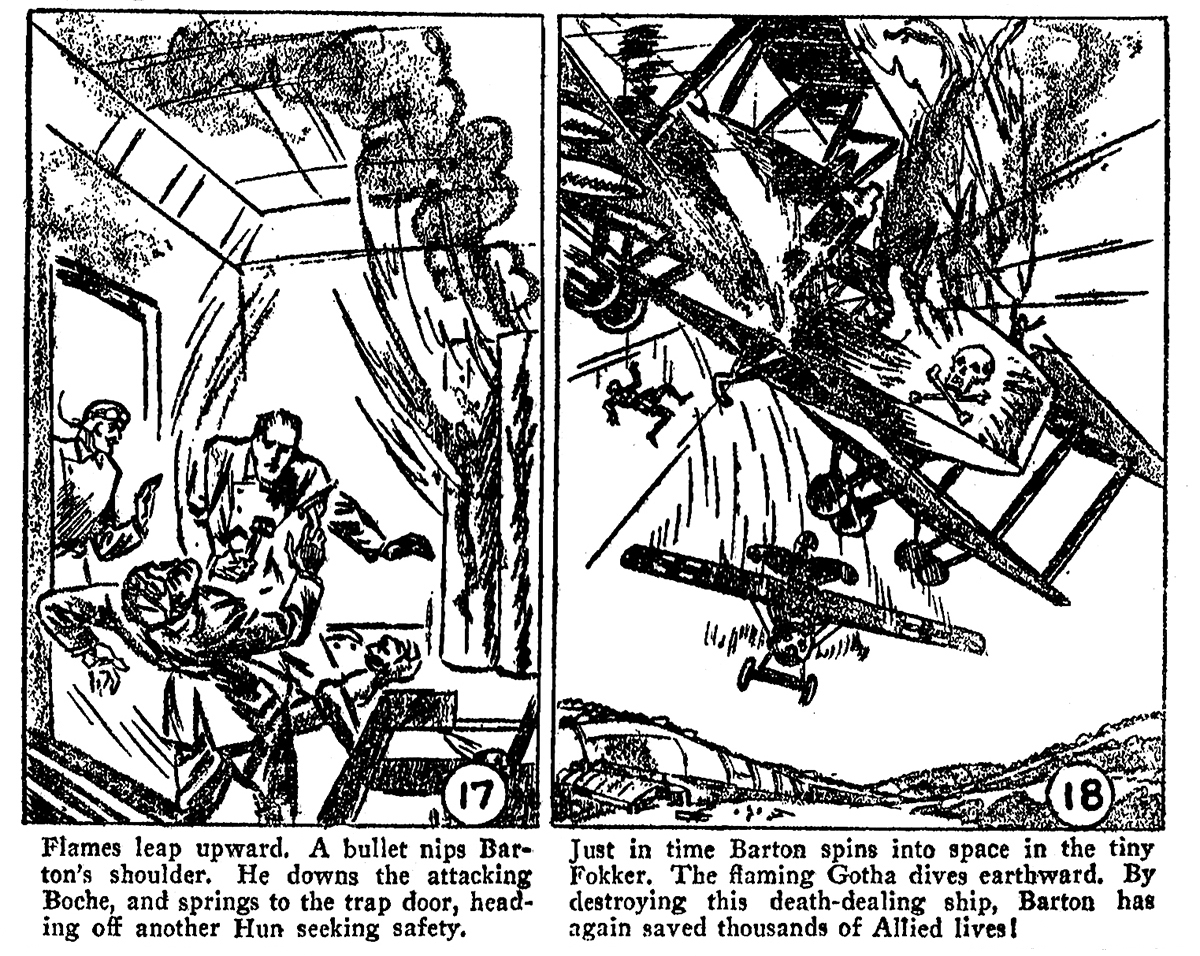
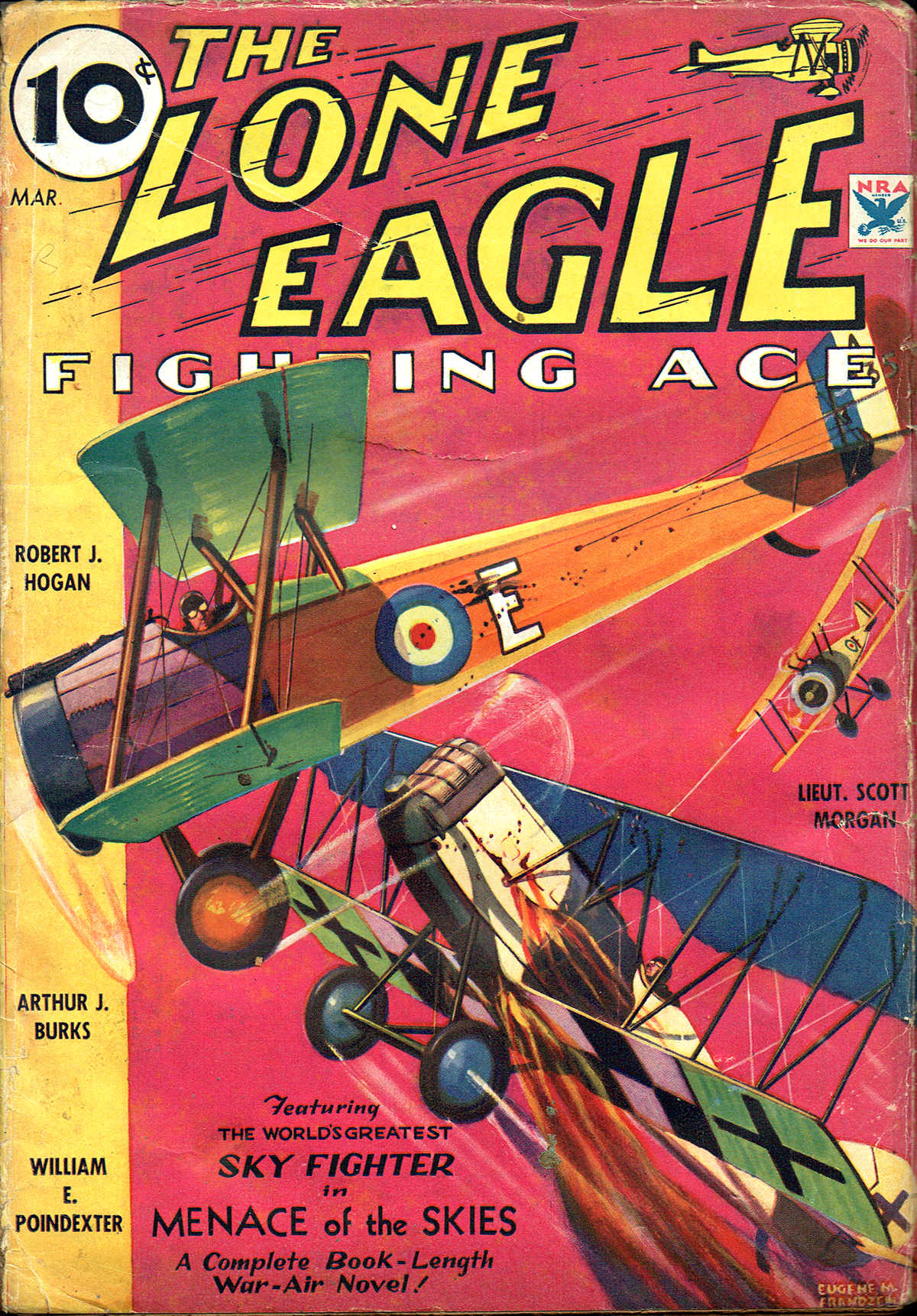 in on The Flying Devil! The Flying Devil was a regular feature of the first fifteen issues of The Lone Eagle and, more importantly, as they announced beneath each month’s story—“the Only War-Air Cartoon Story to Appear in Any Magazine!” The strip was drawn by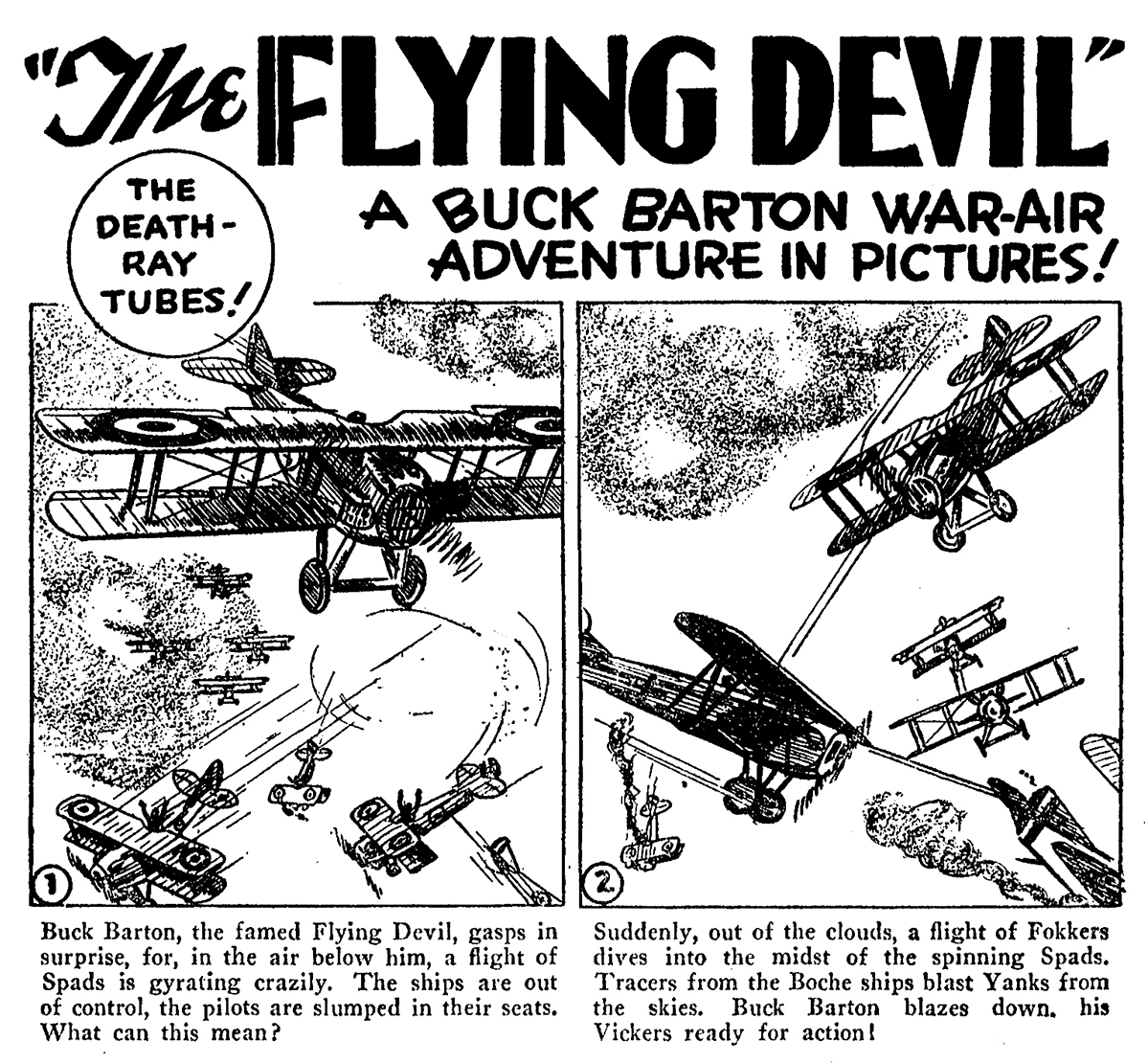
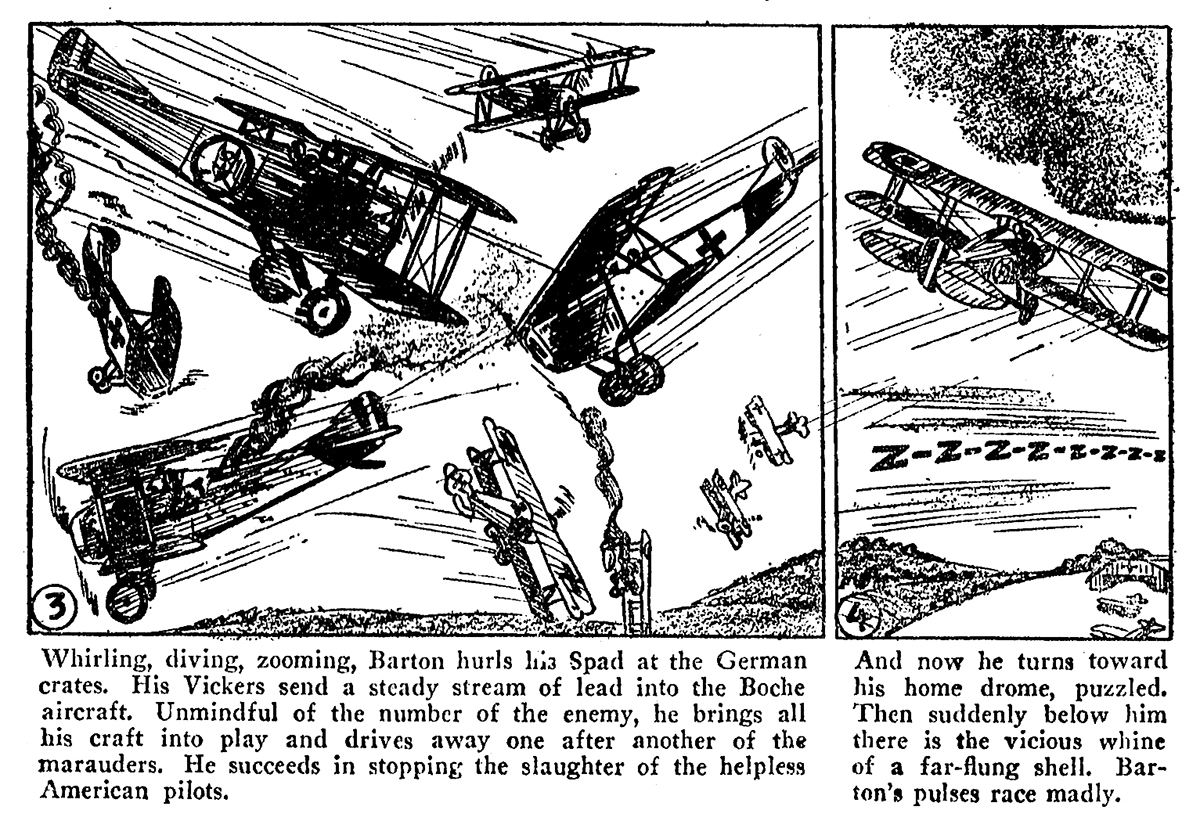
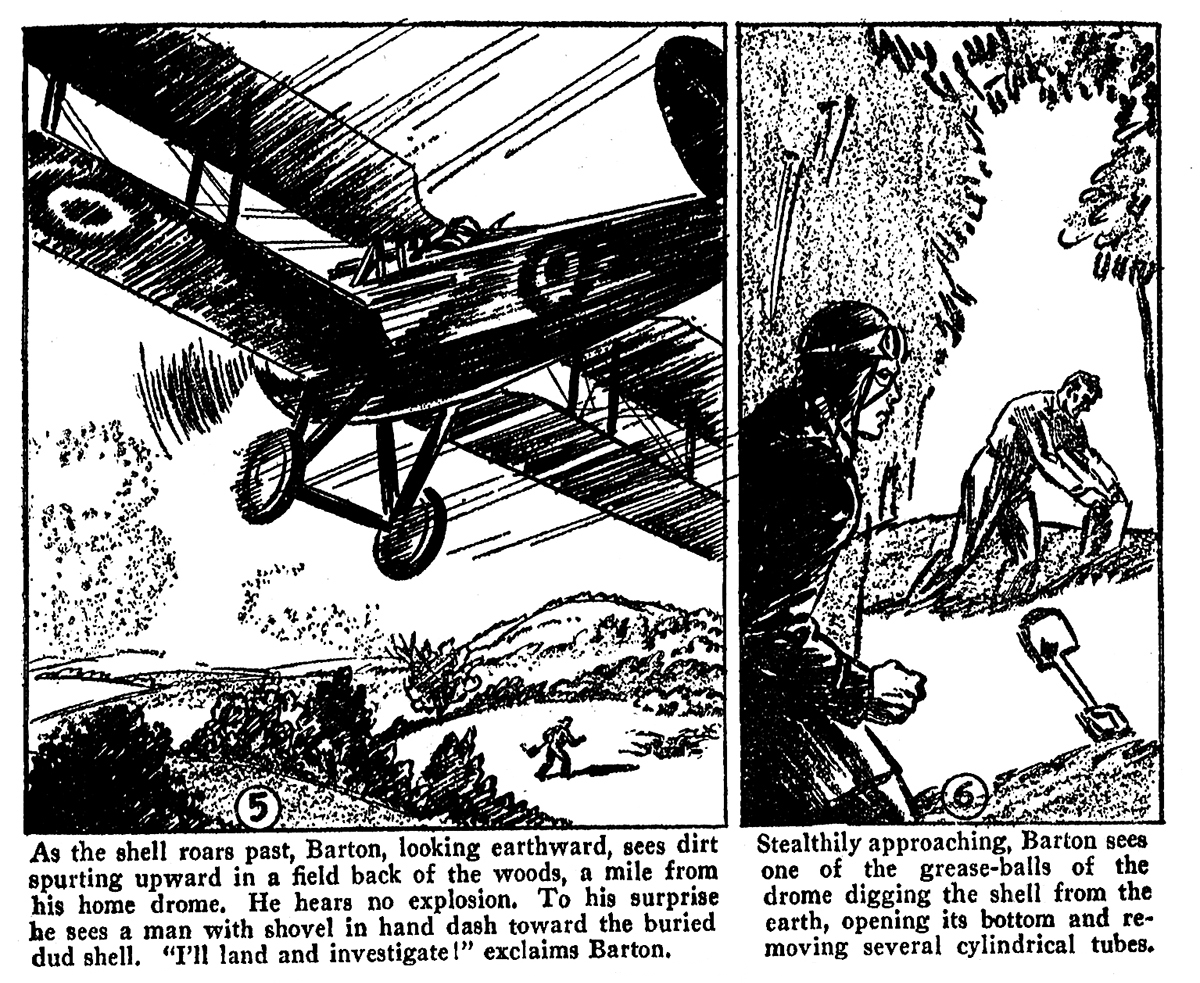
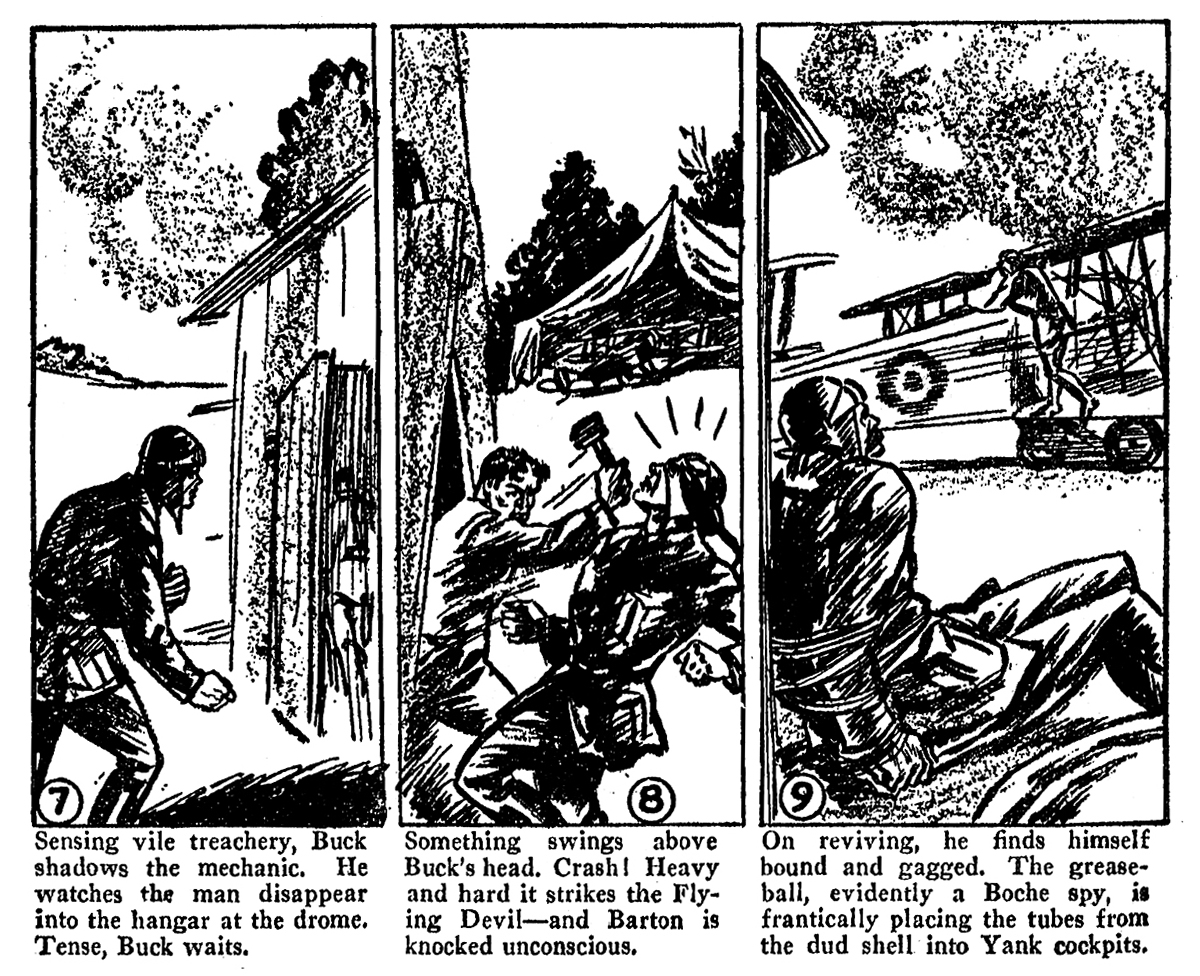
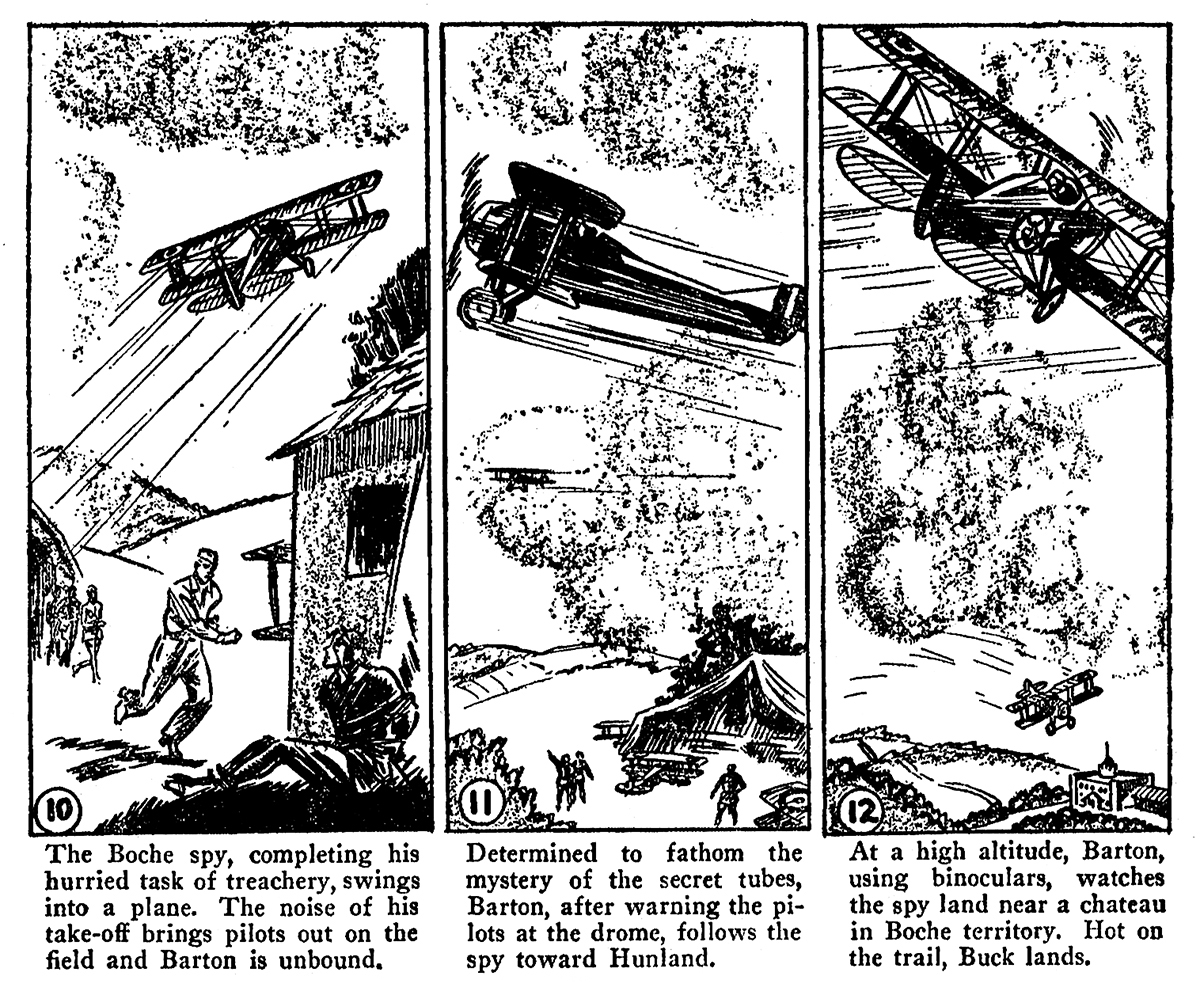
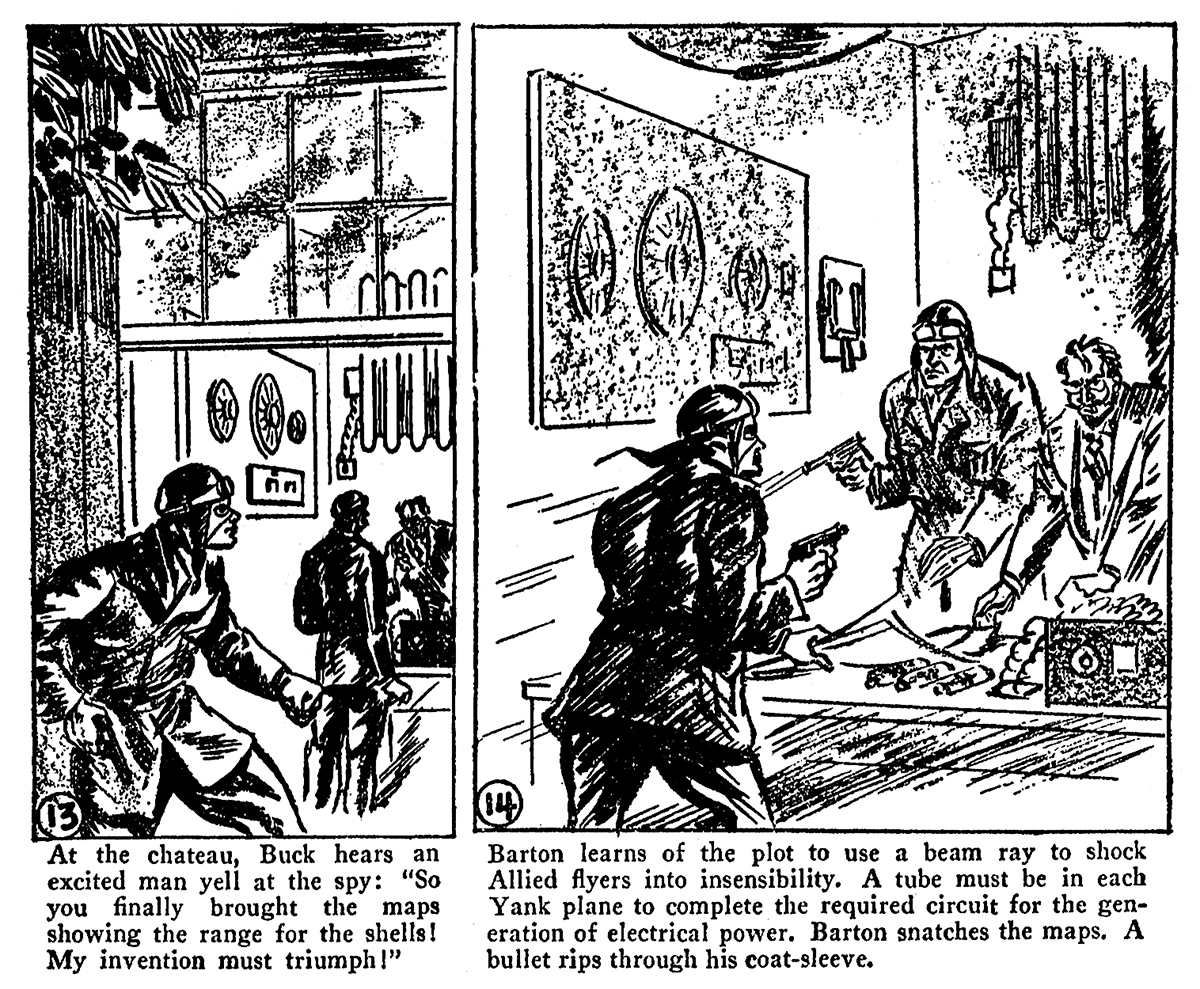

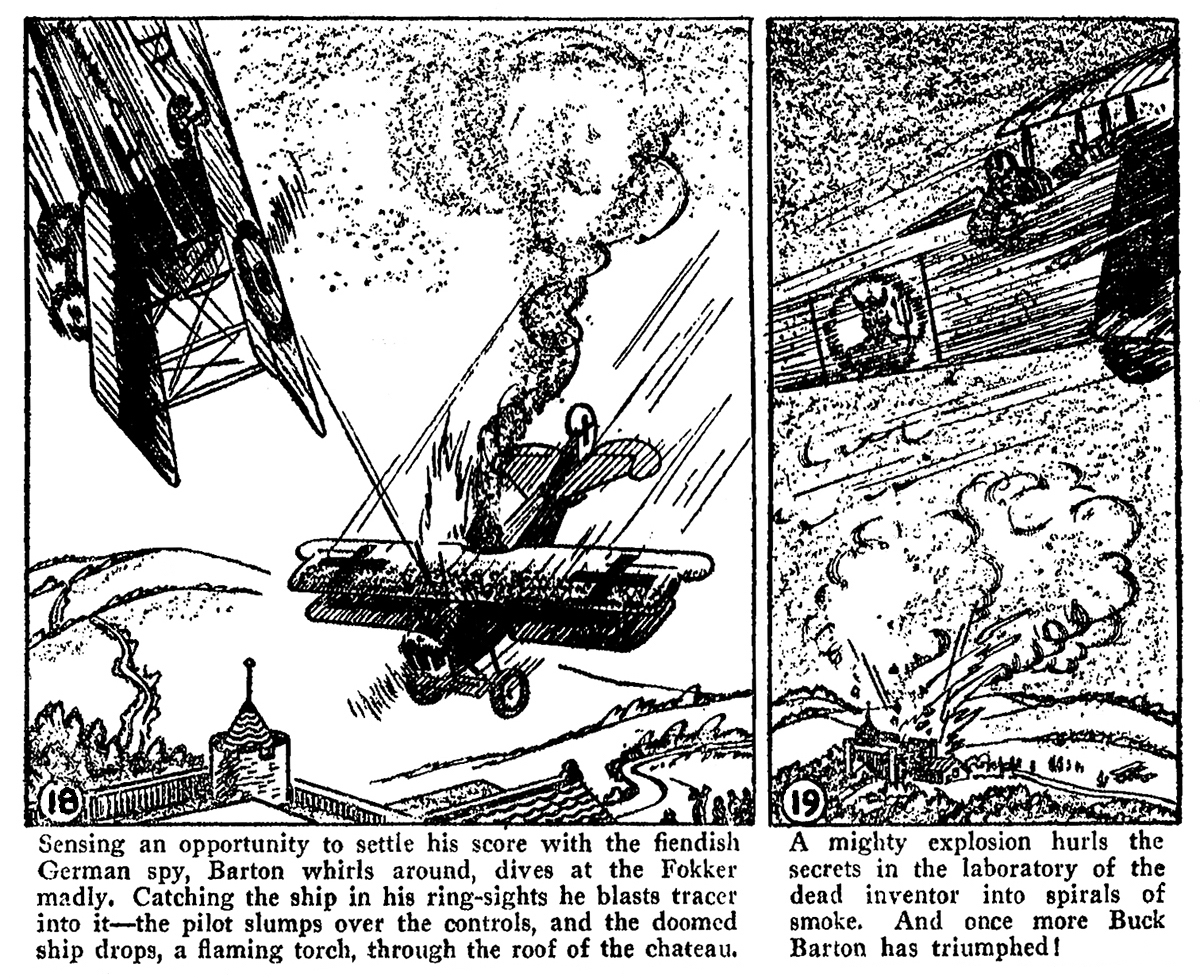
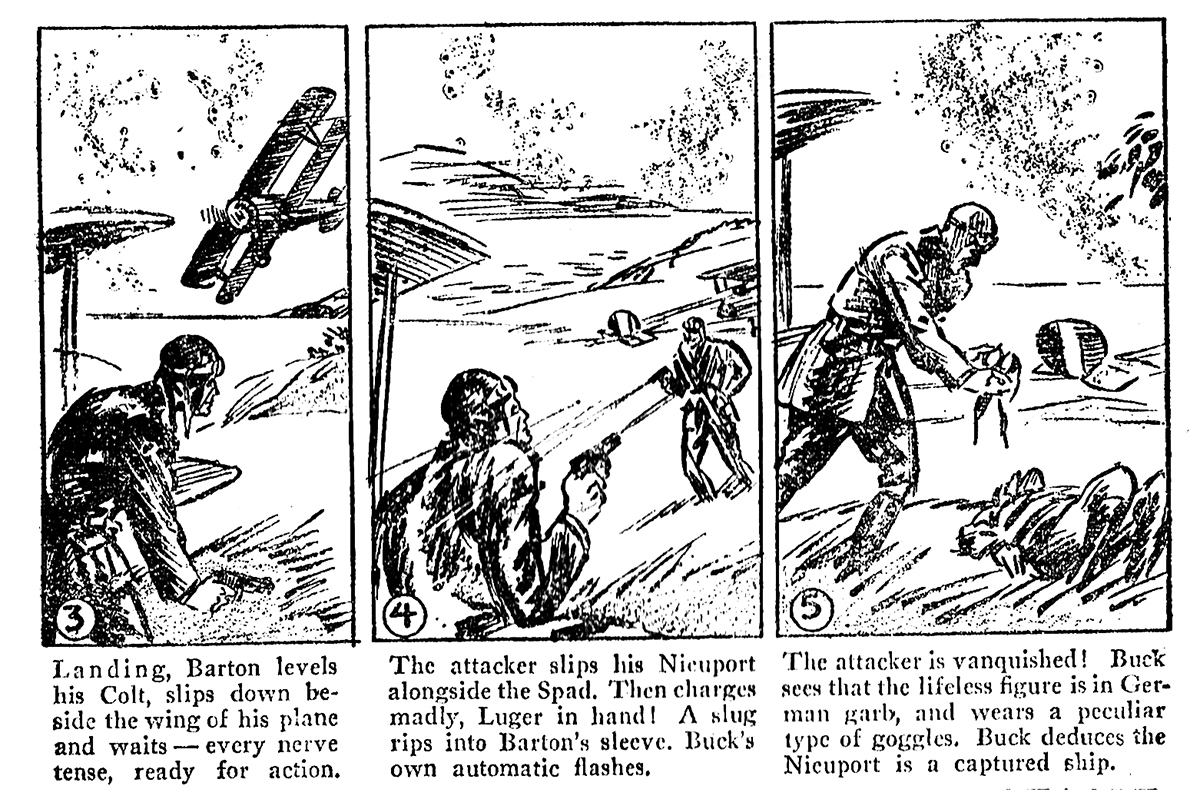
 in on The Flying Devil! The Flying Devil was a regular feature of the first fifteen issues of The Lone Eagle and, more importantly, as they announced beneath each month’s story—“the Only War-Air Cartoon Story to Appear in Any Magazine!” The strip was drawn by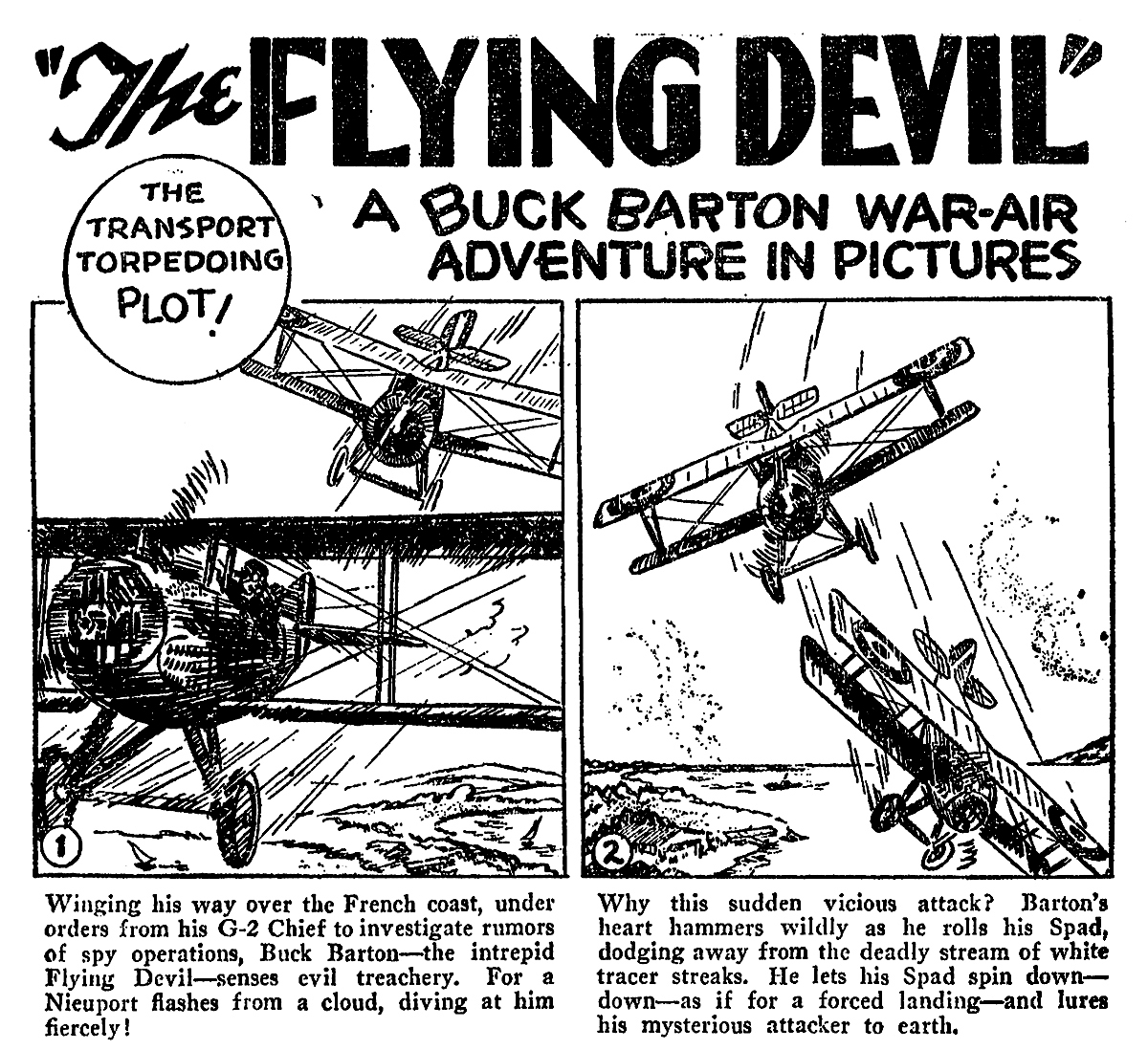
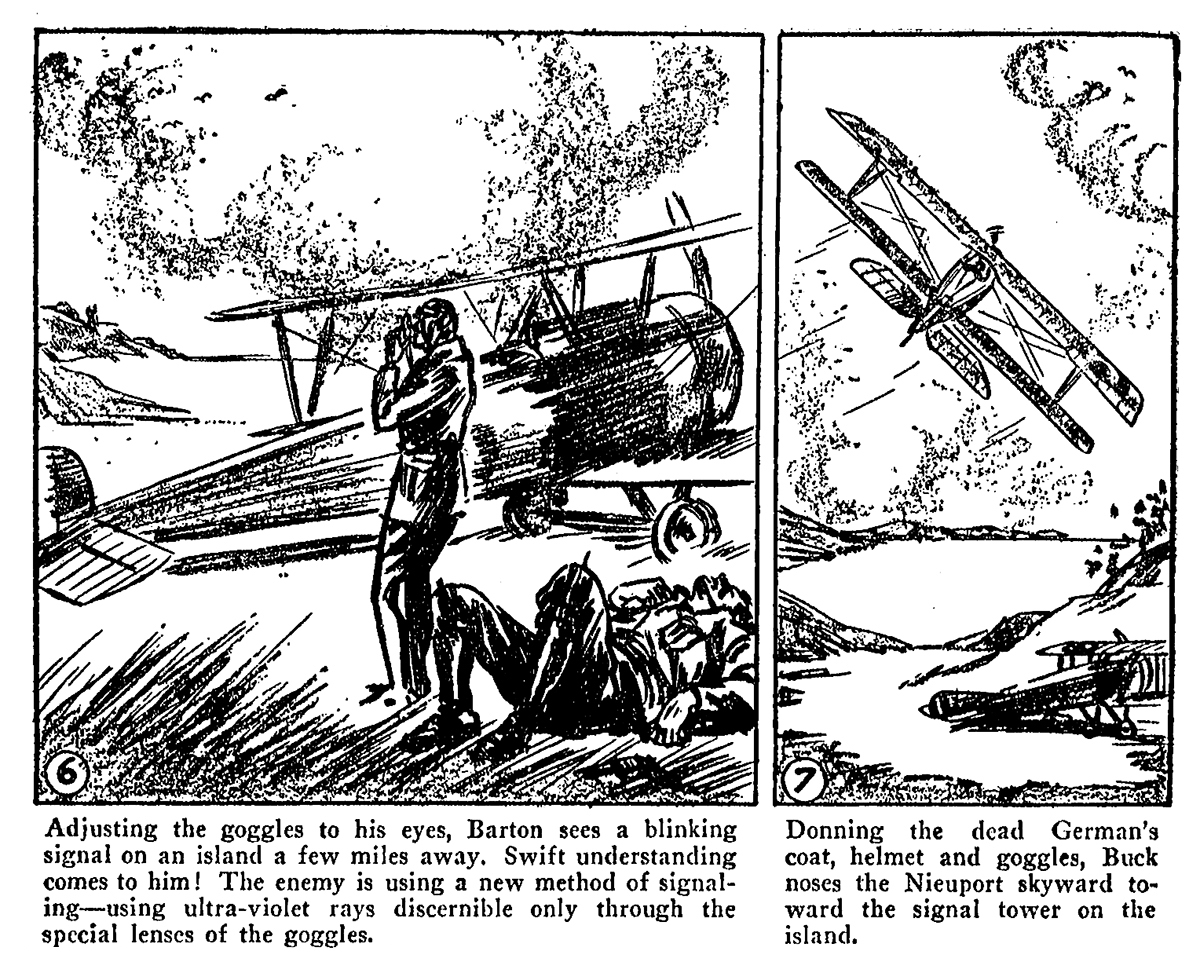
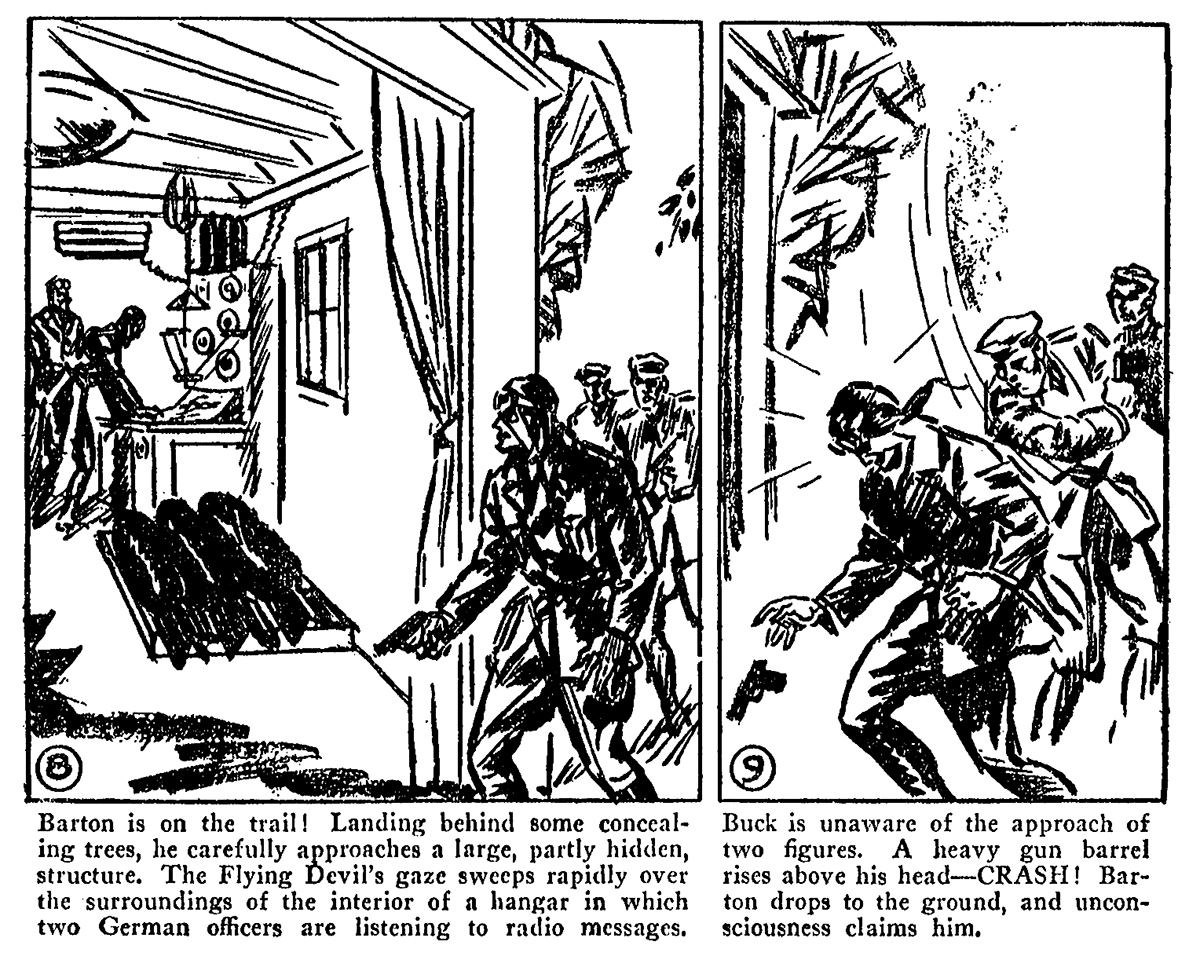


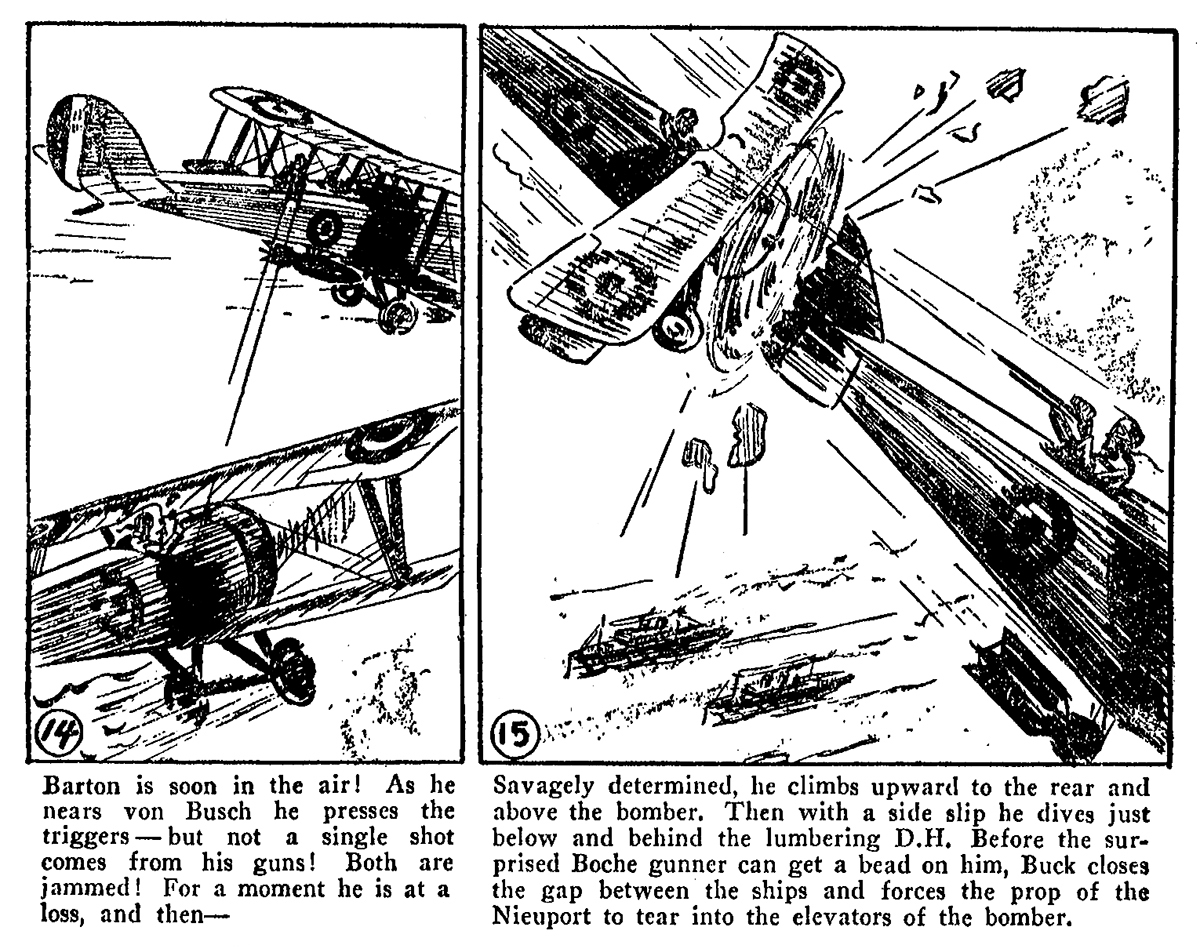
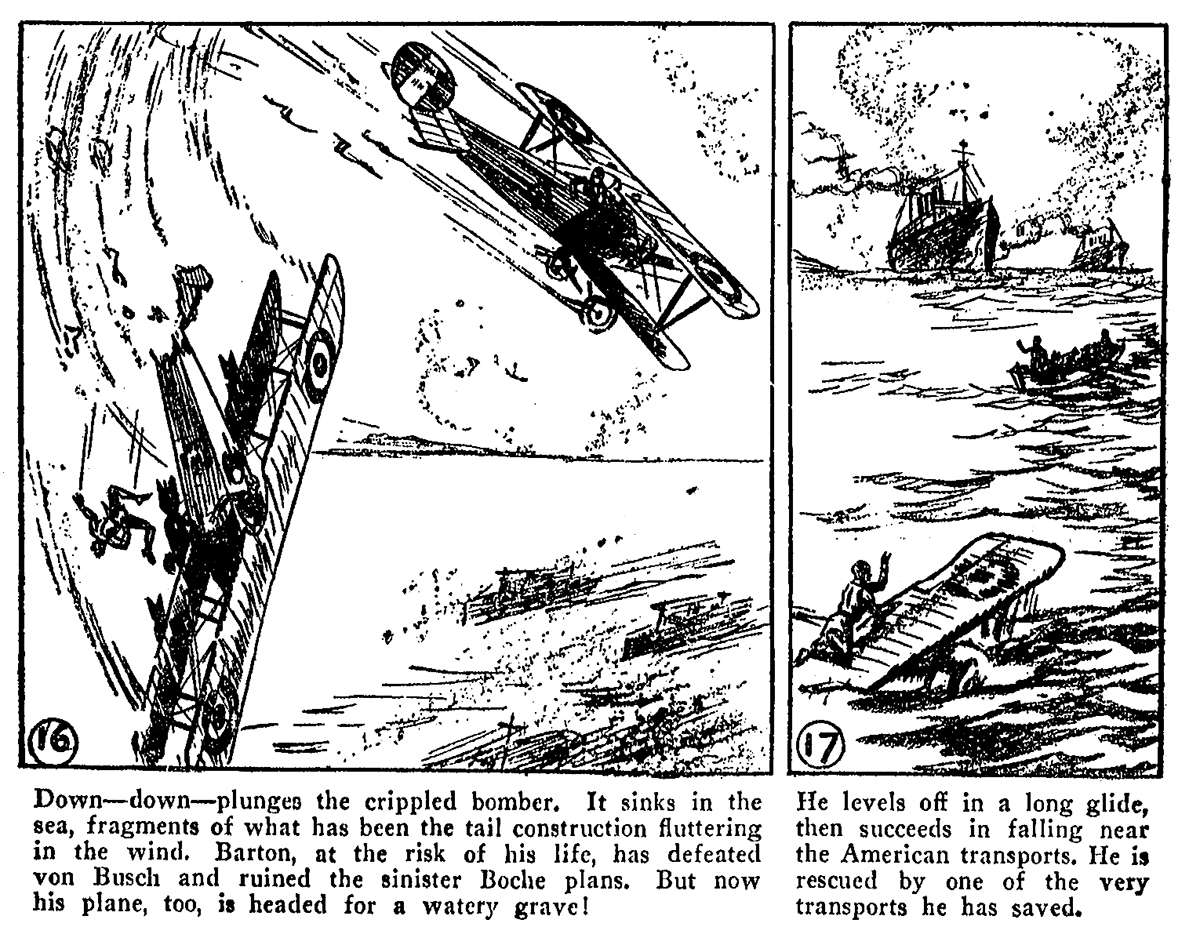
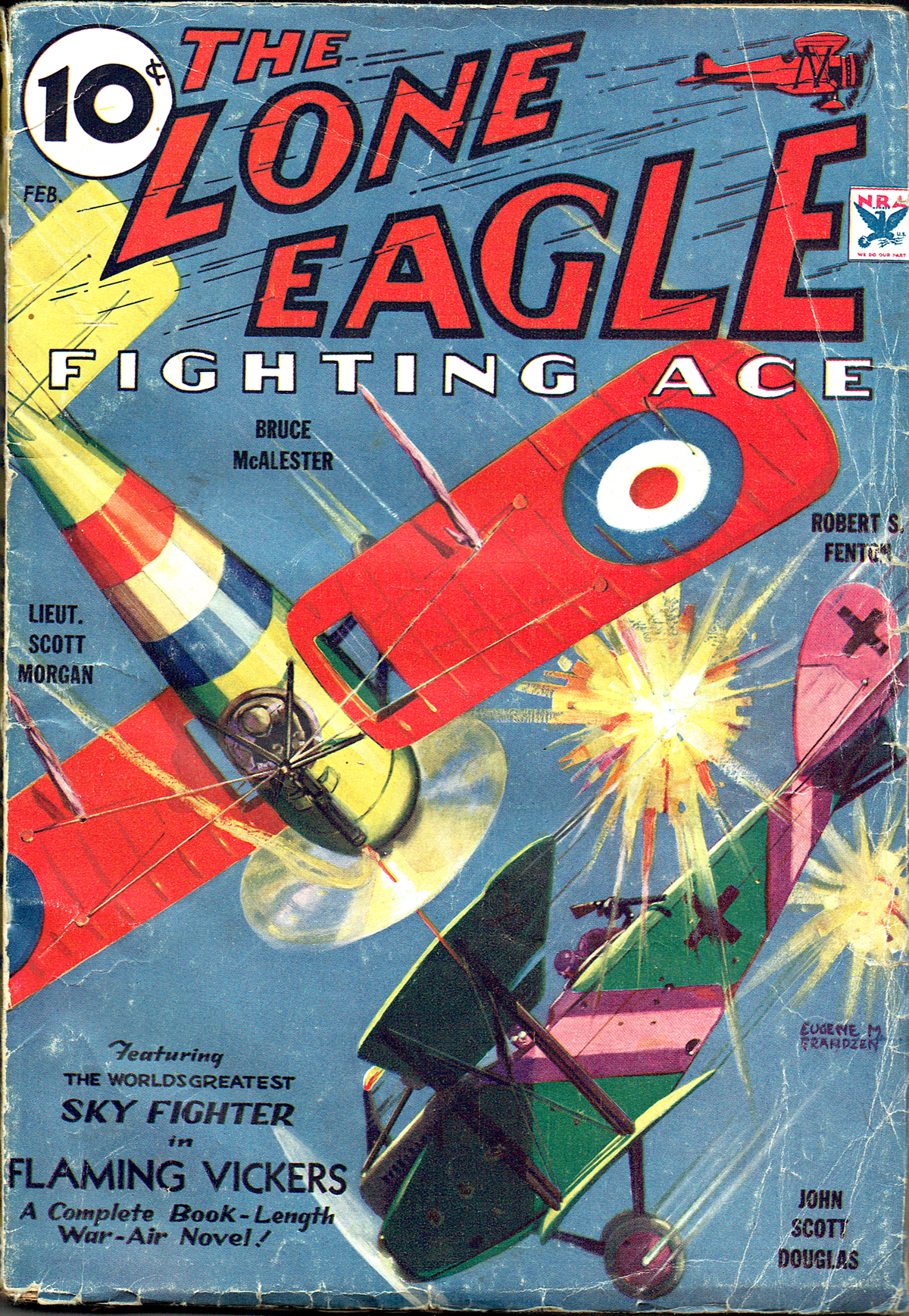
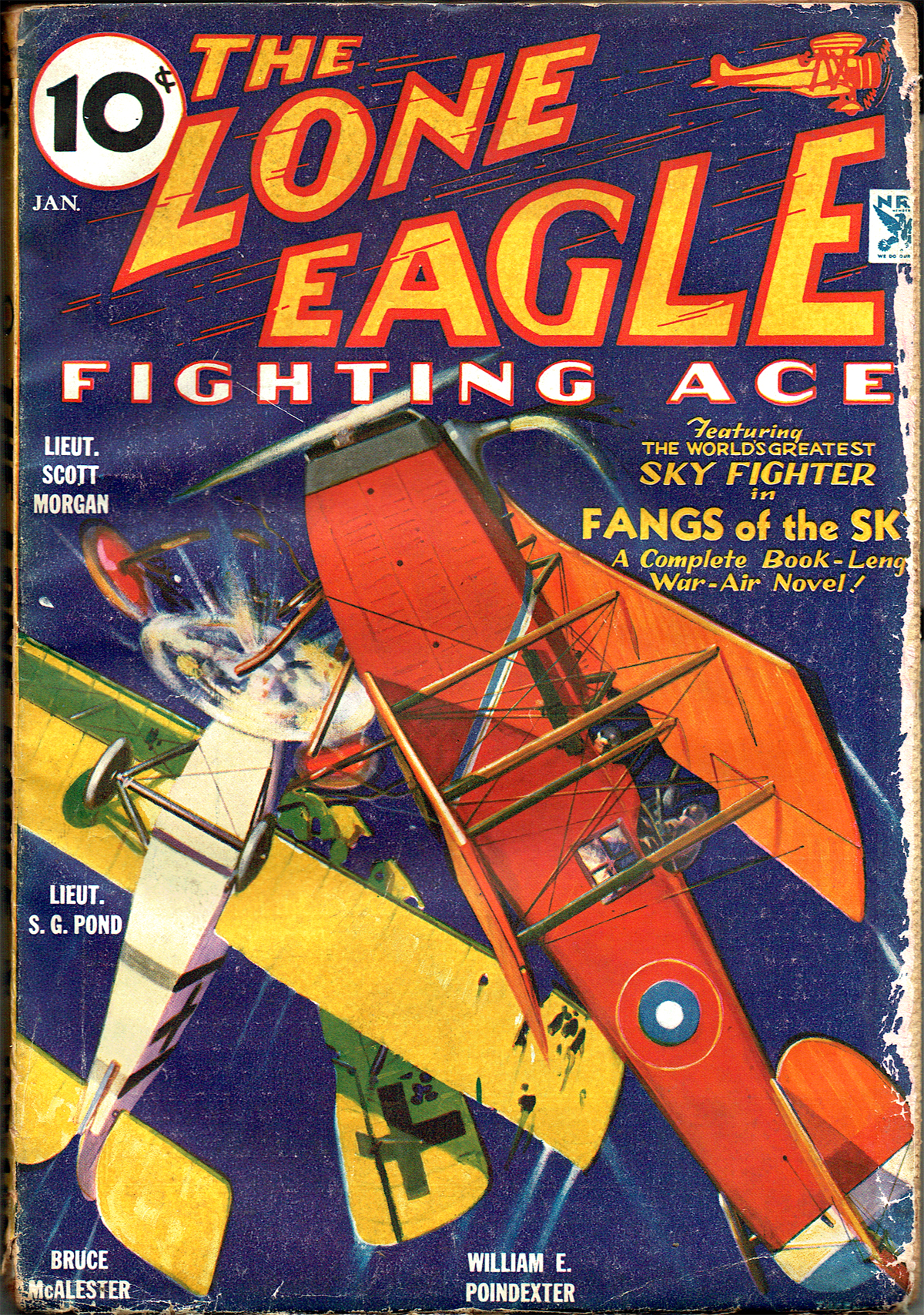 in on The Flying Devil! The Flying Devil was a regular feature of the first fifteen issues of The Lone Eagle and, more importantly, as they announced beneath each month’s story—“the Only War-Air Cartoon Story to Appear in Any Magazine!” The strip was drawn by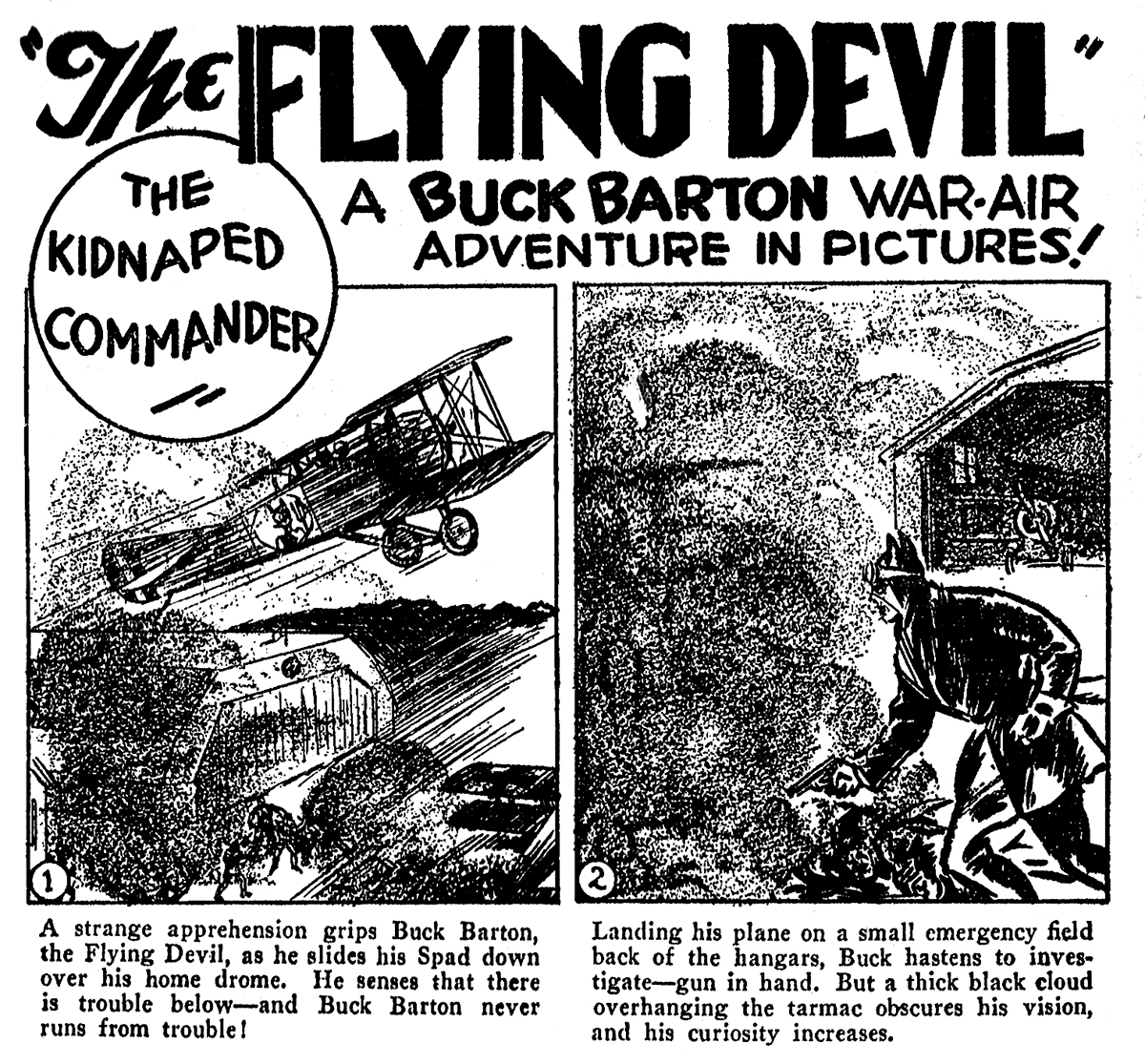
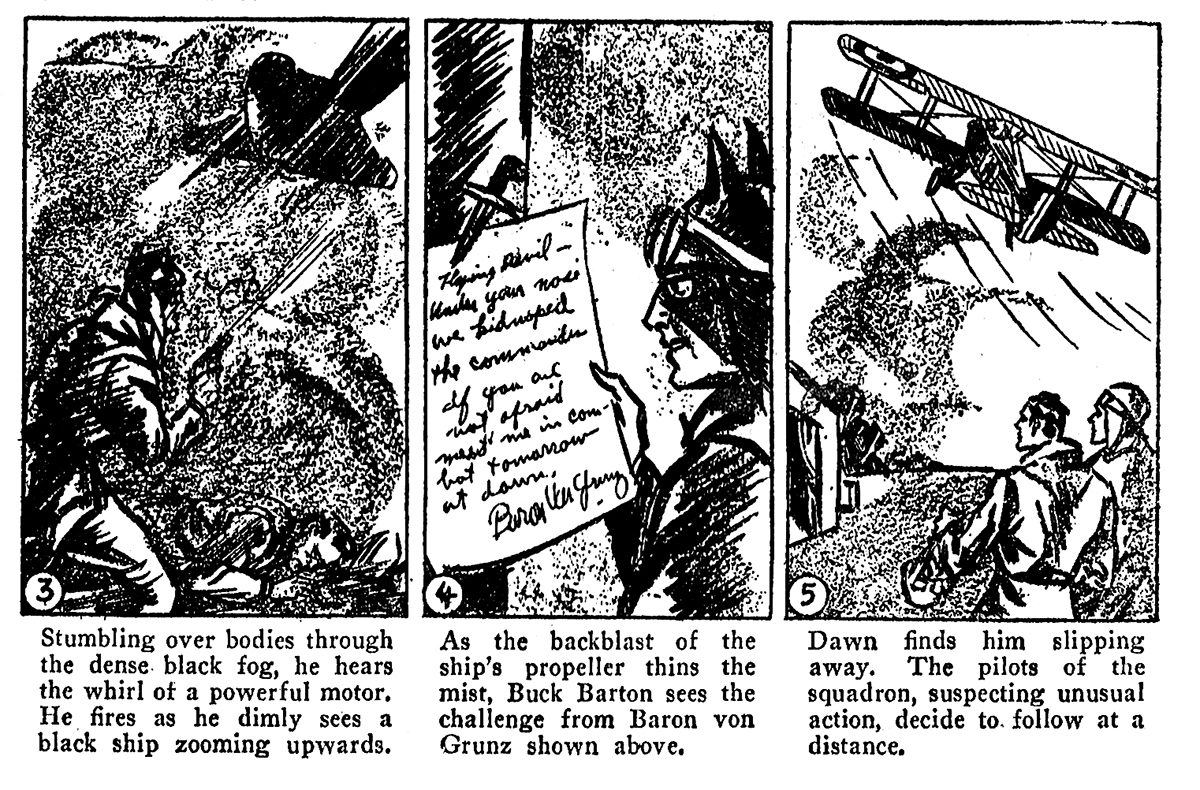

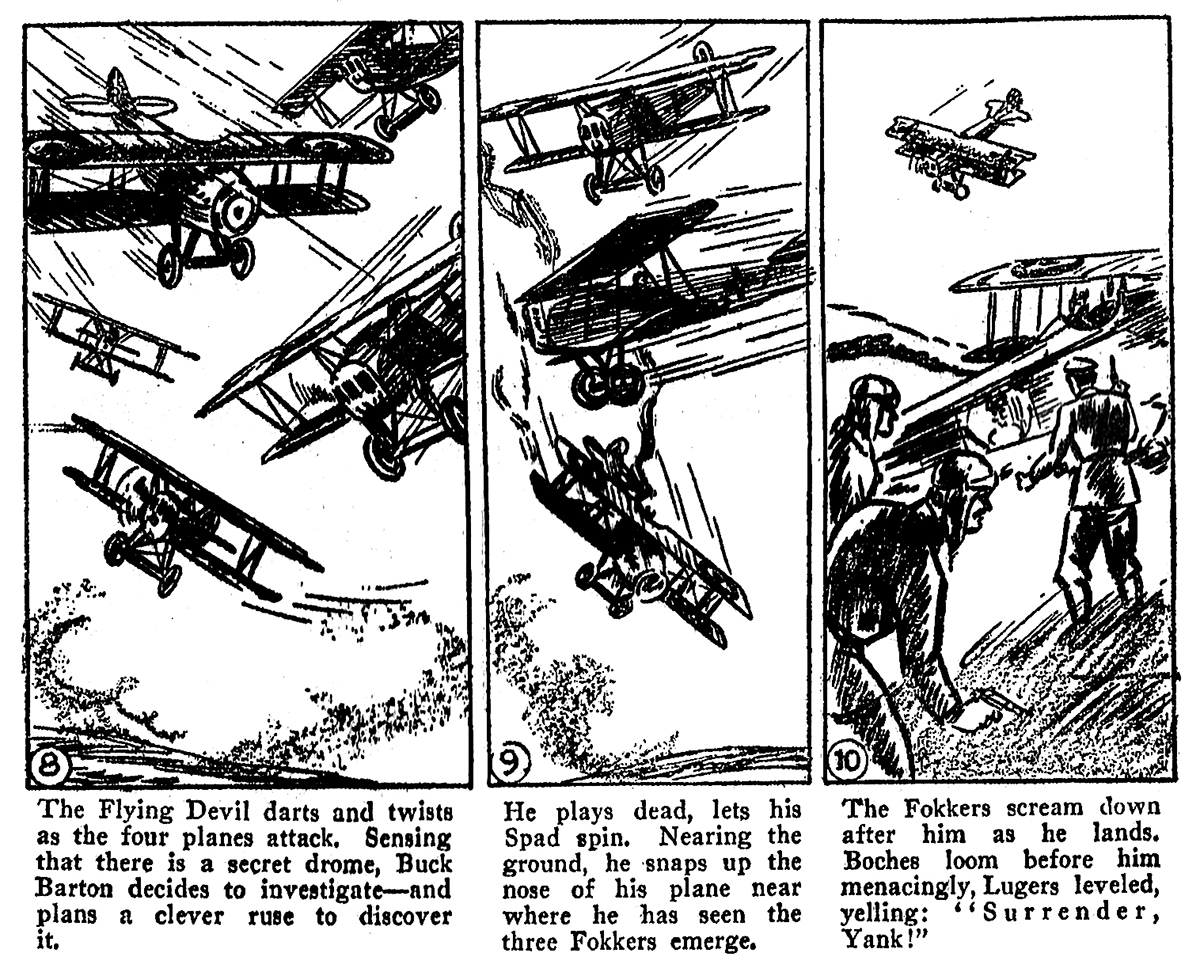

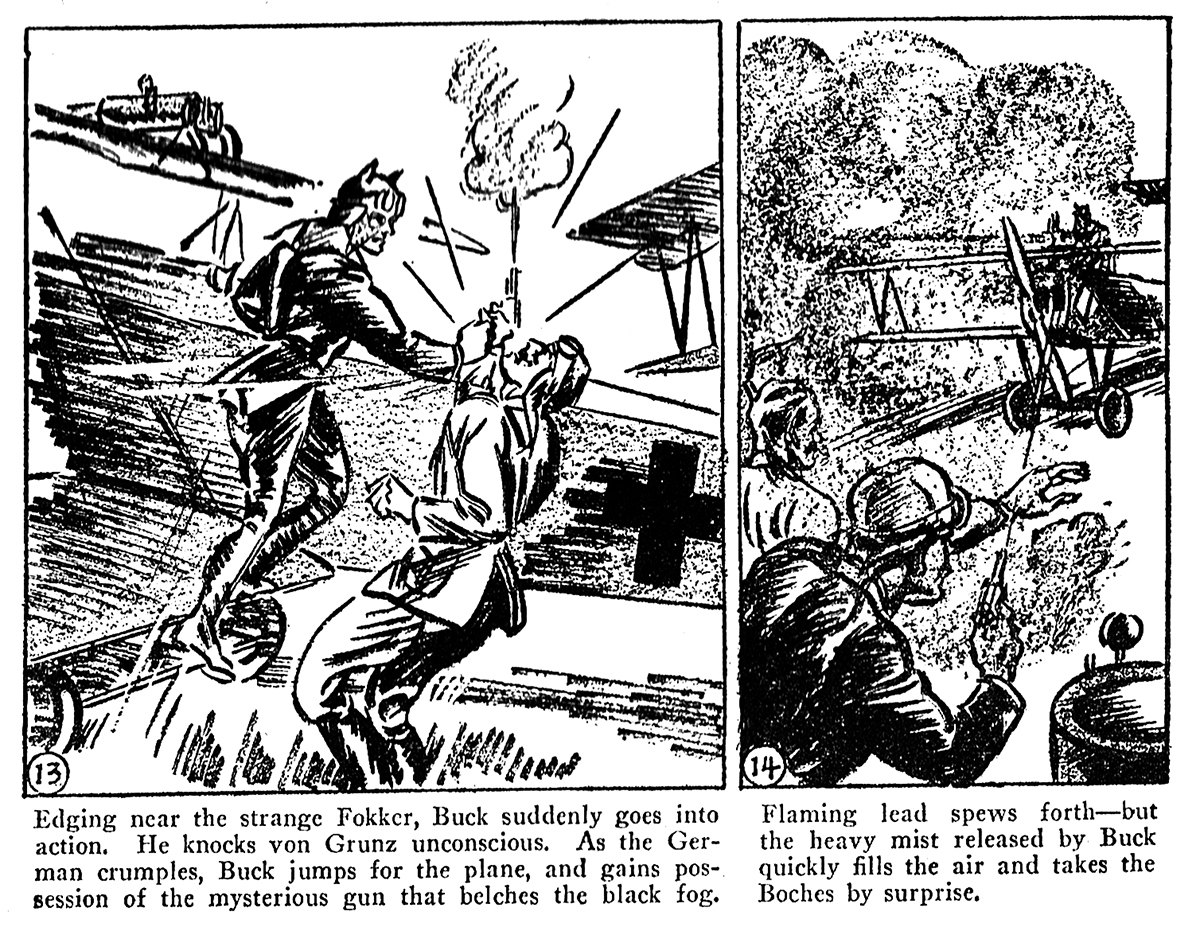
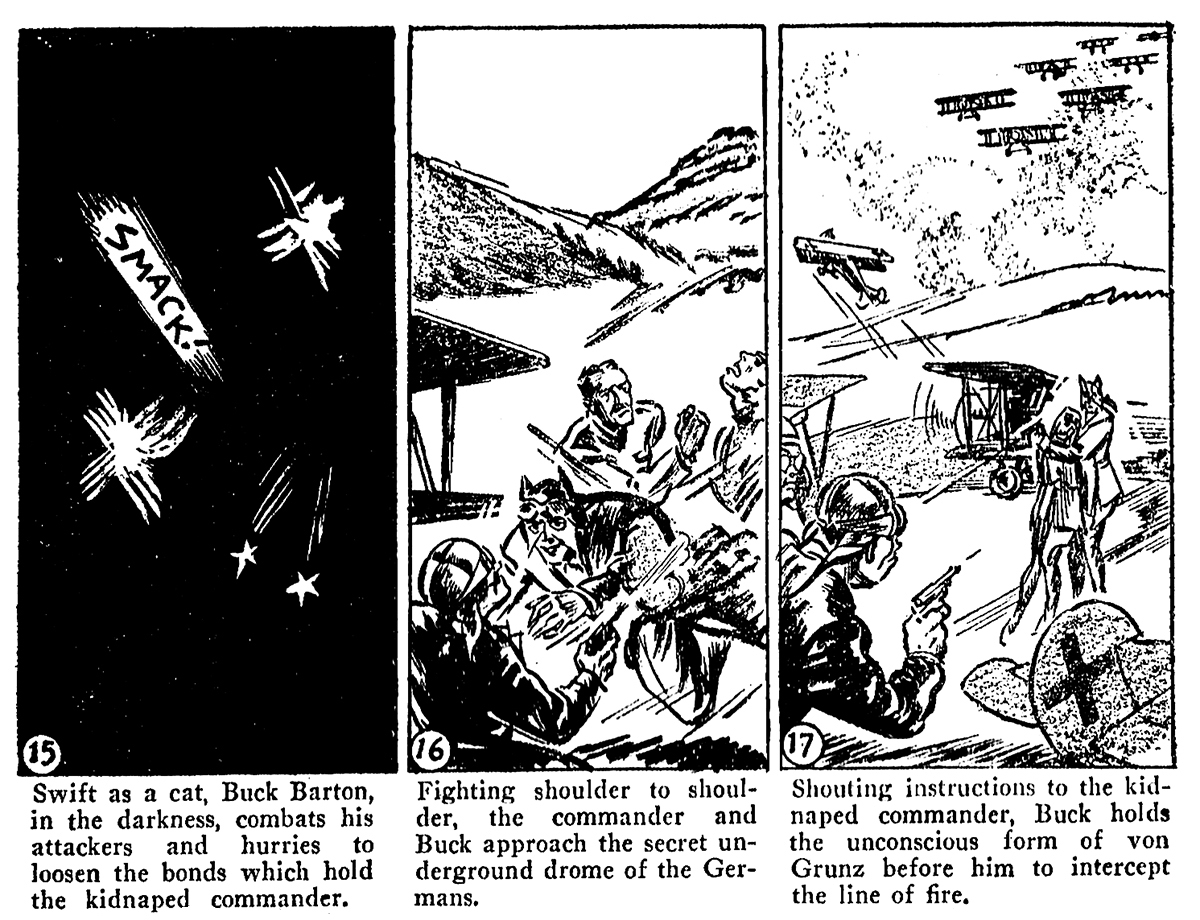
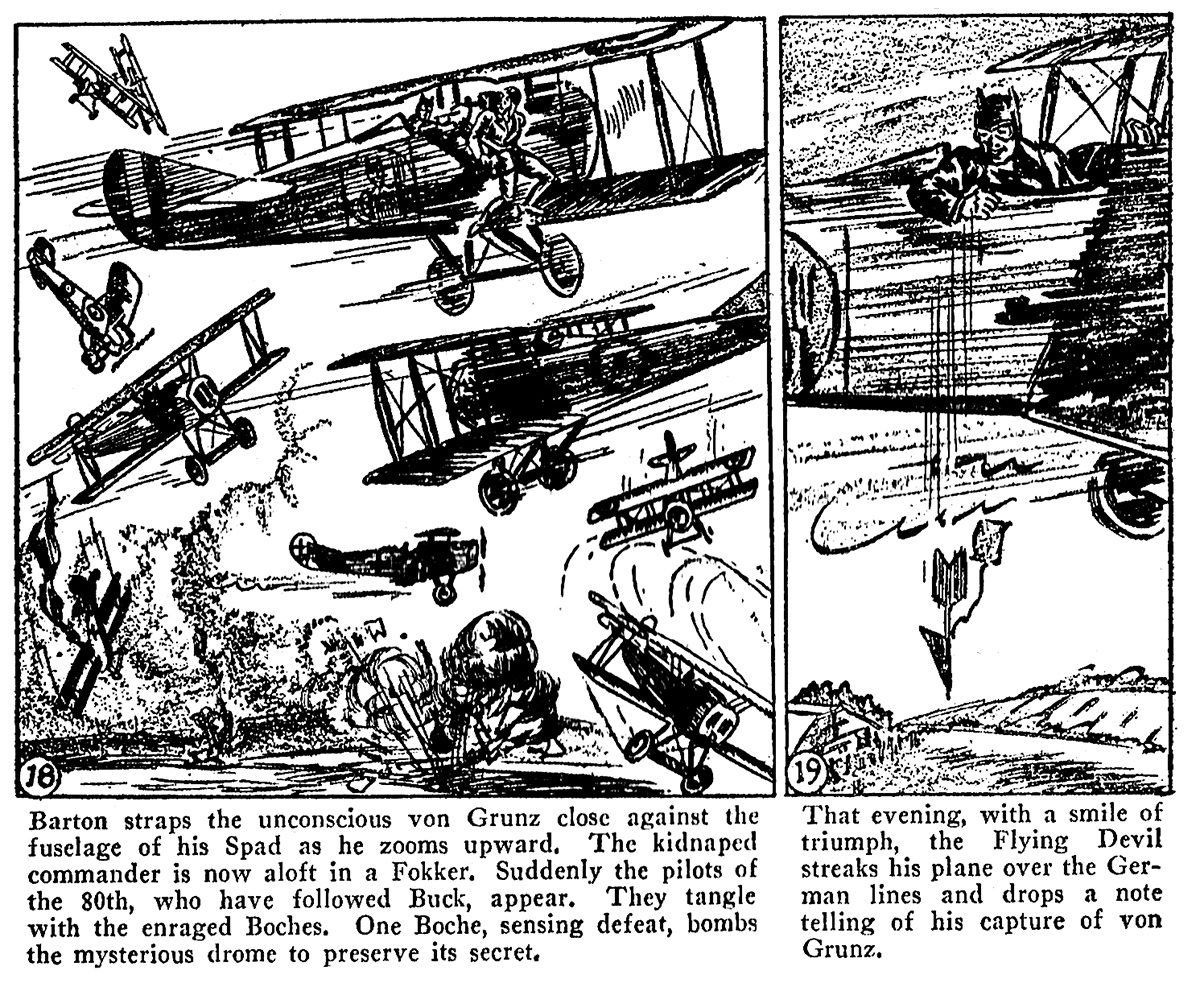
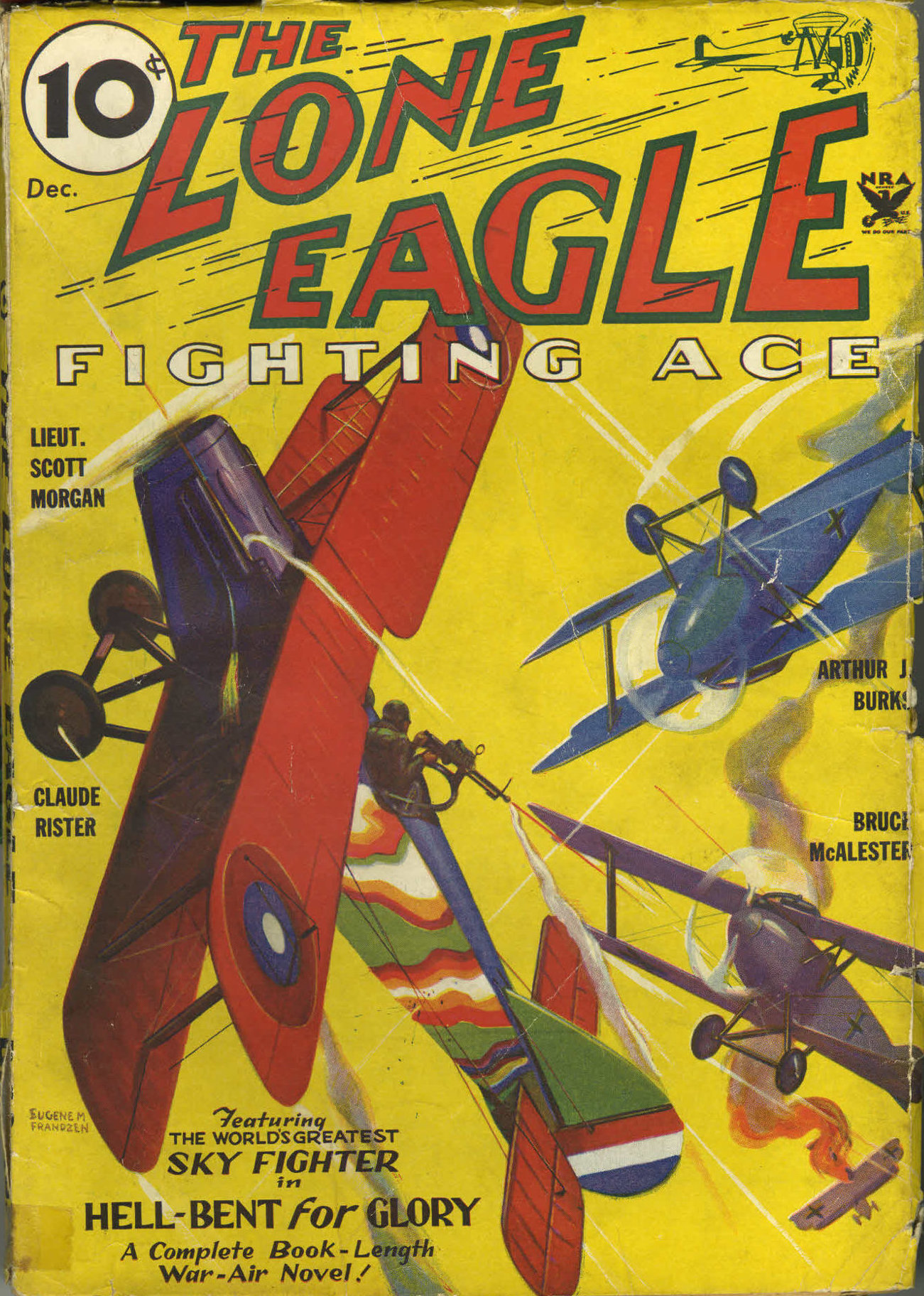 in on The Flying Devil! The Flying Devil was a regular feature of the first fifteen issues of The Lone Eagle and, more importantly, as they announced beneath each month’s story—“the Only War-Air Cartoon Story to Appear in Any Magazine!” The strip was drawn by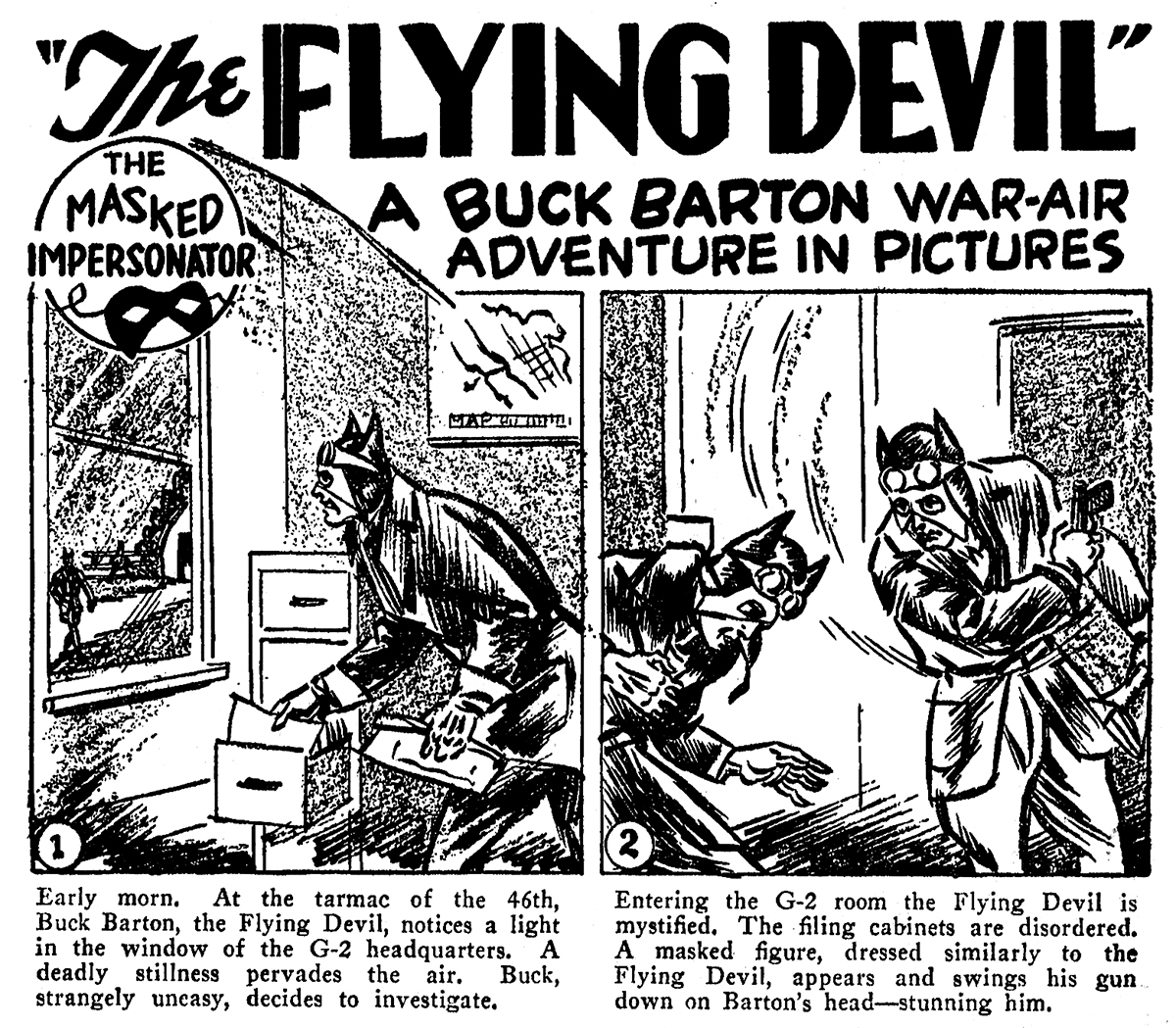
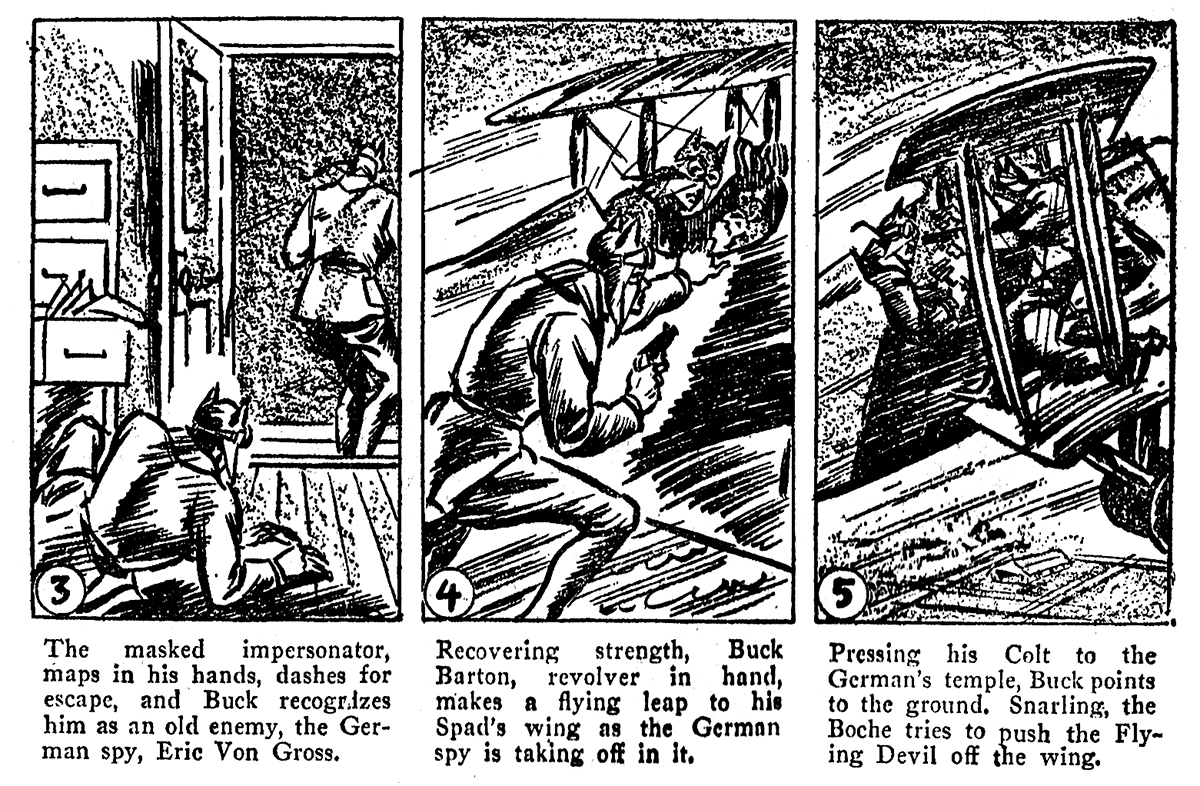
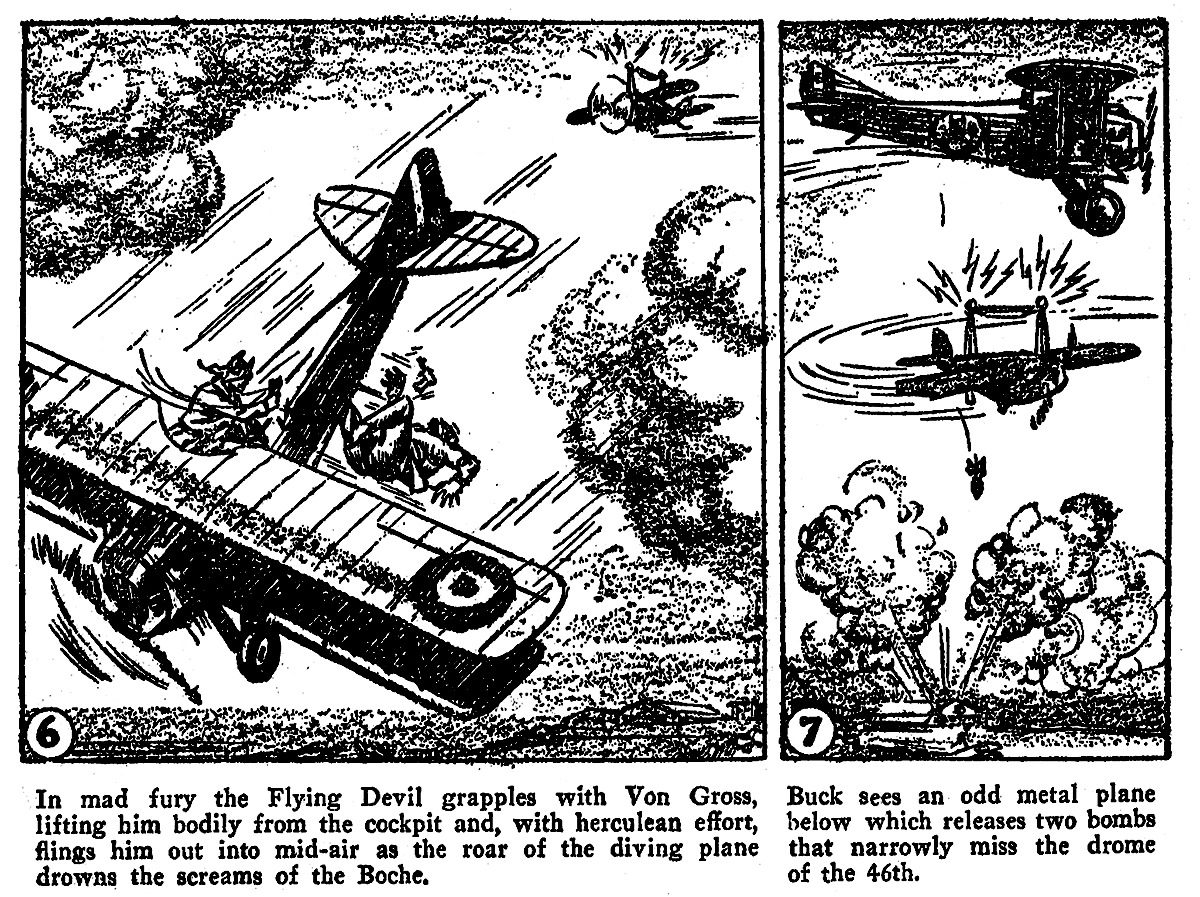
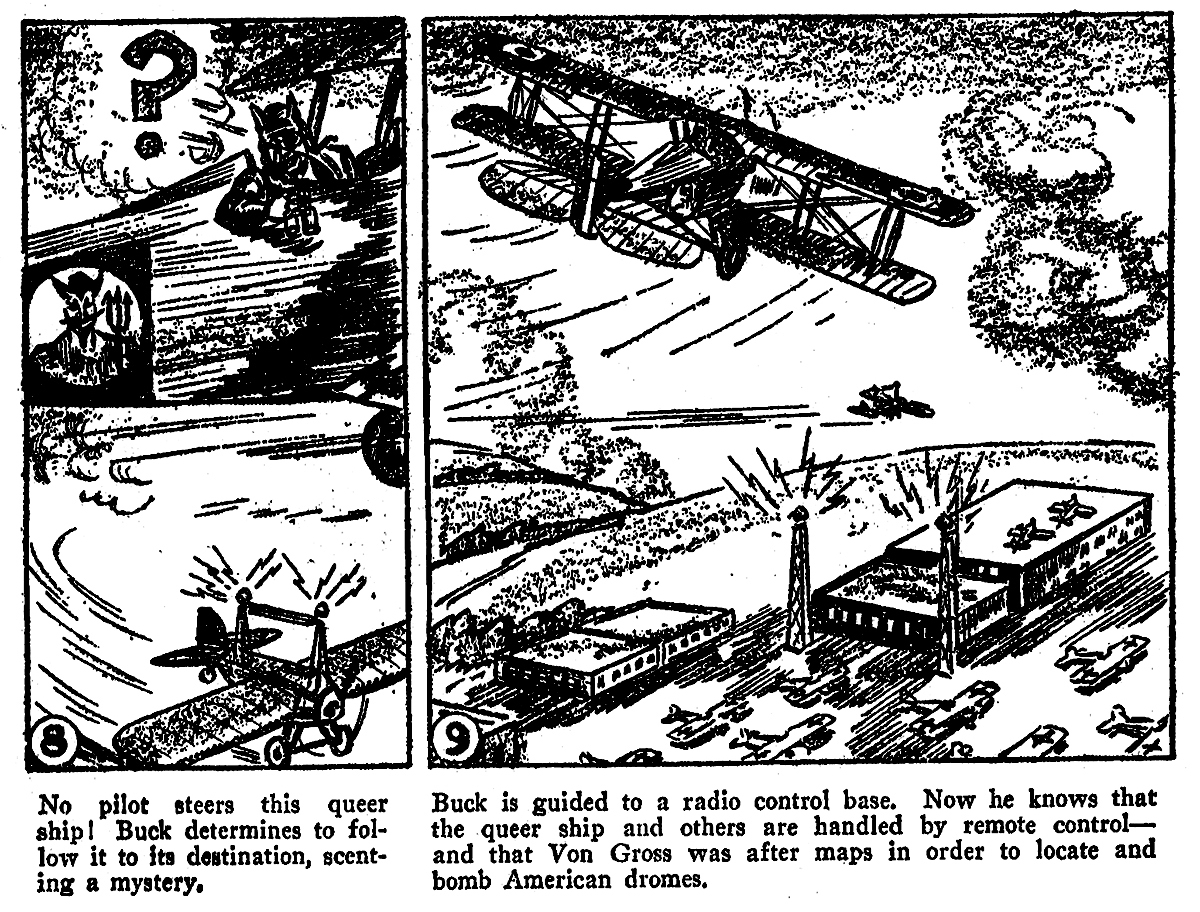
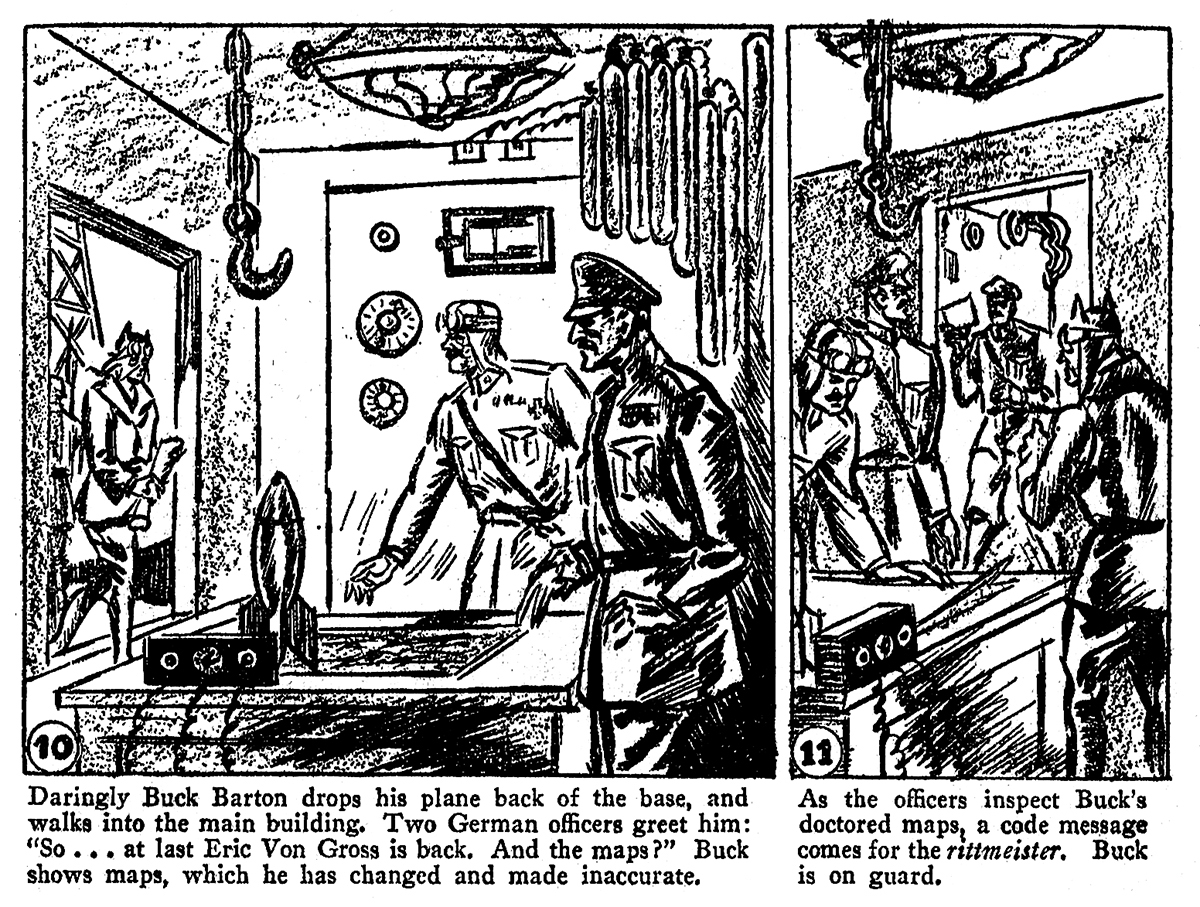
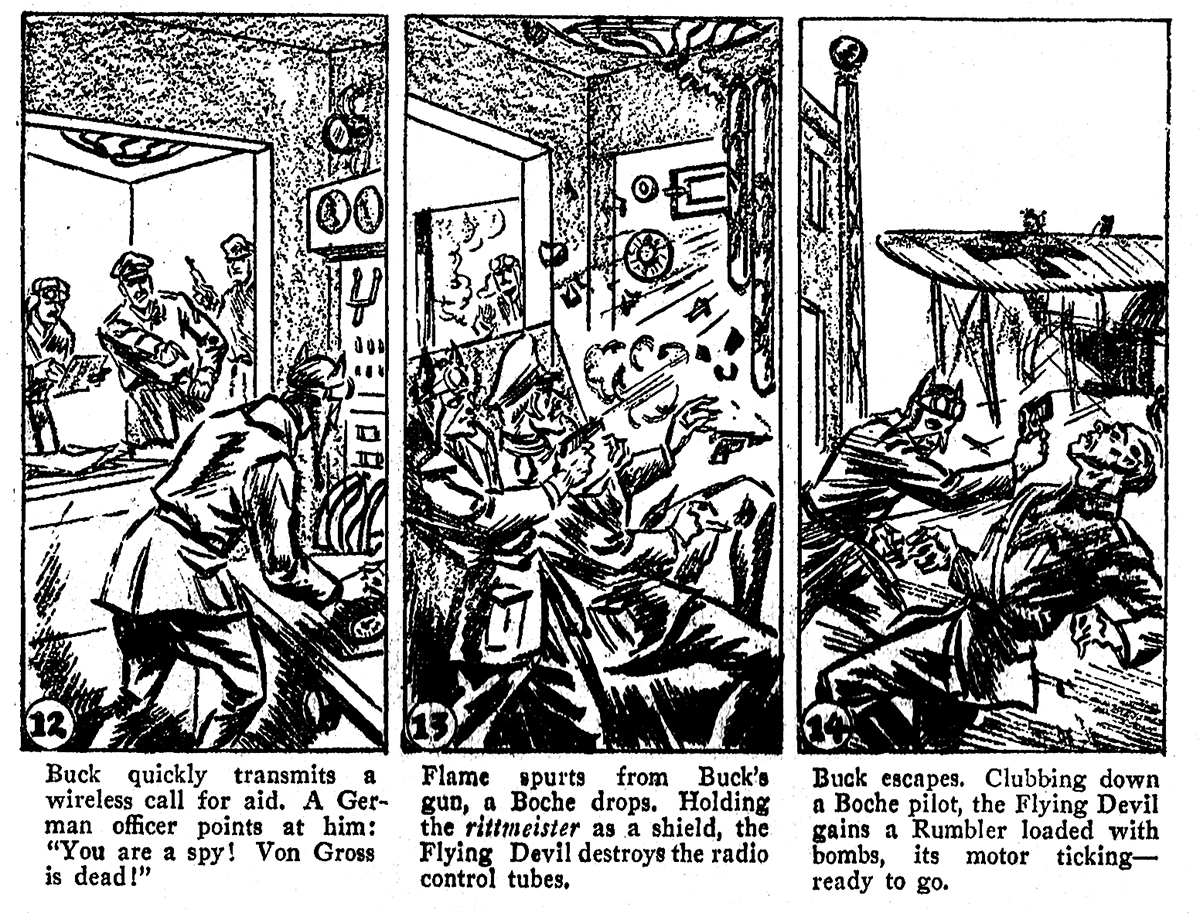
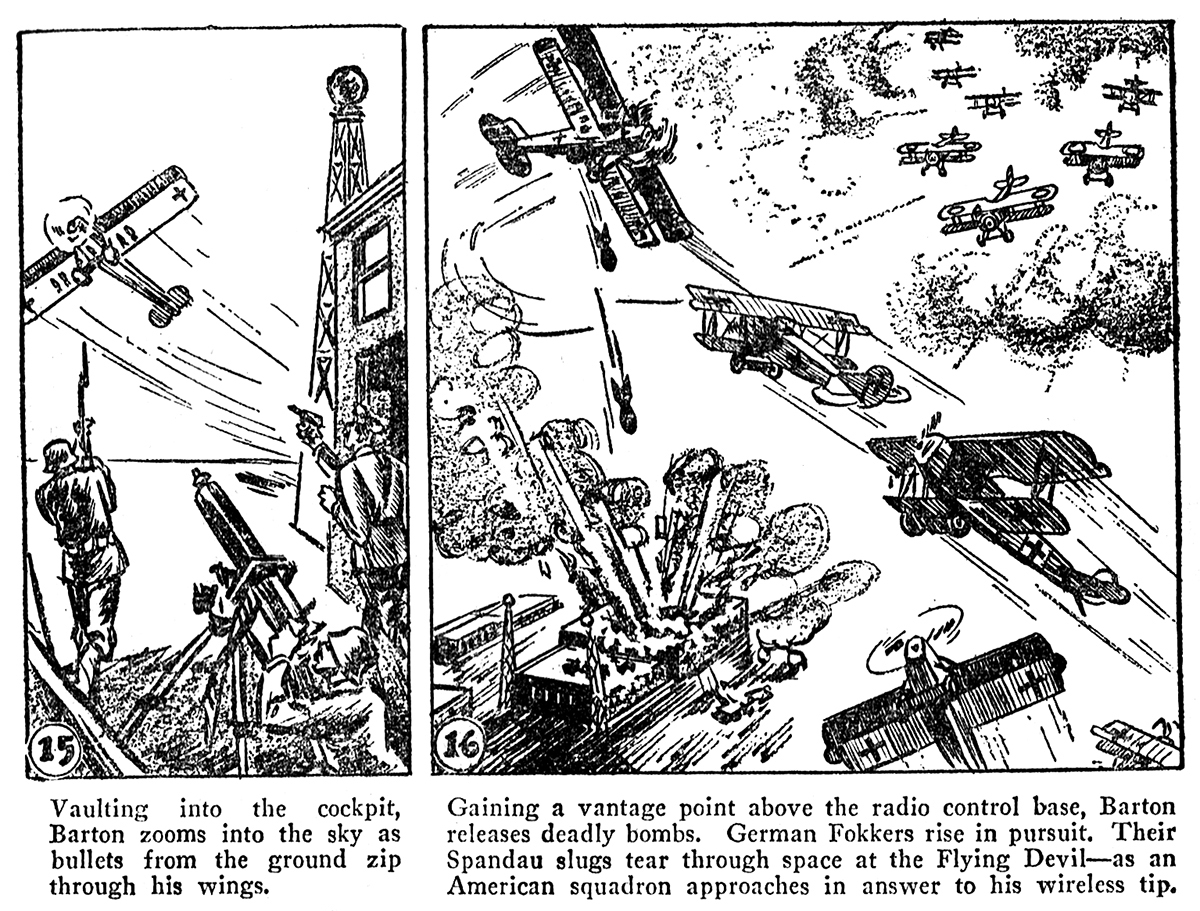
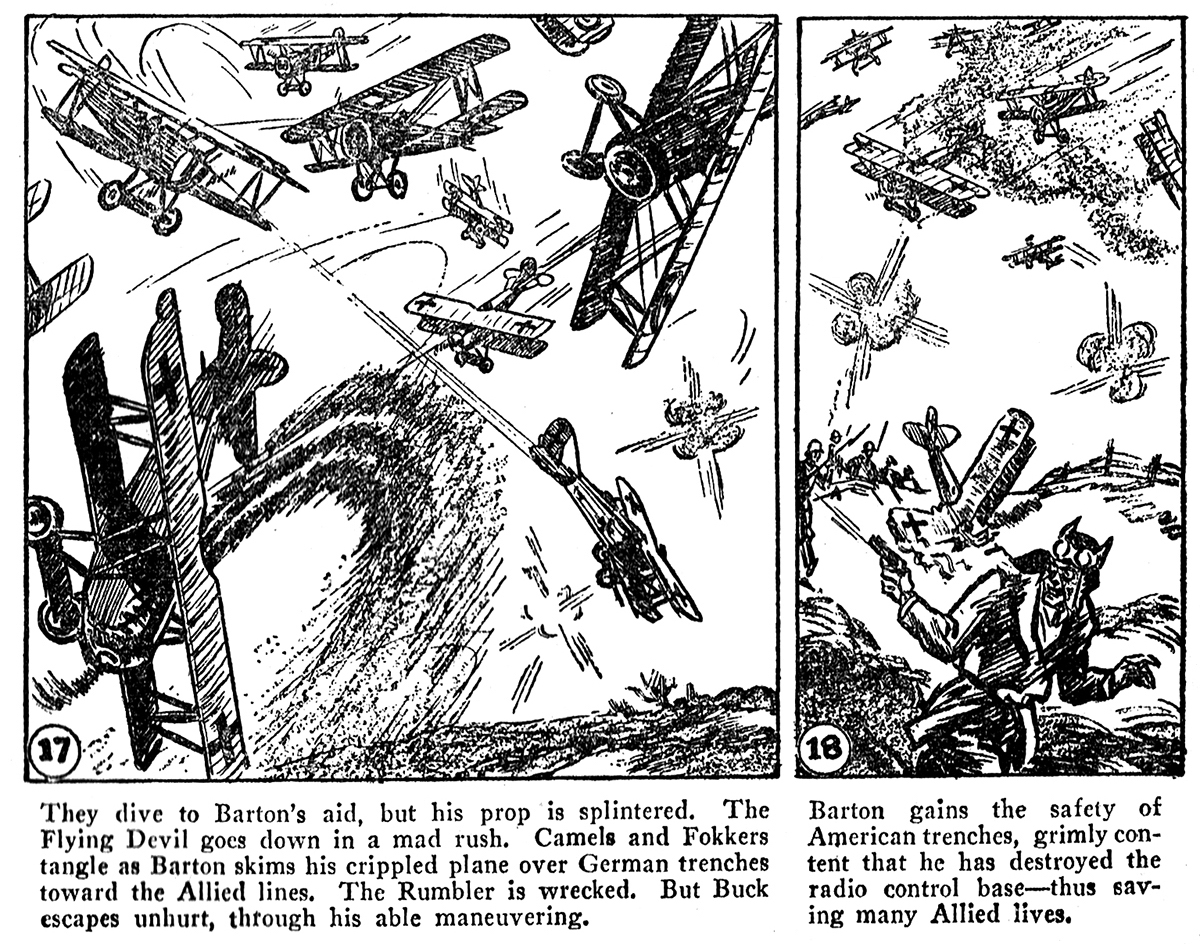
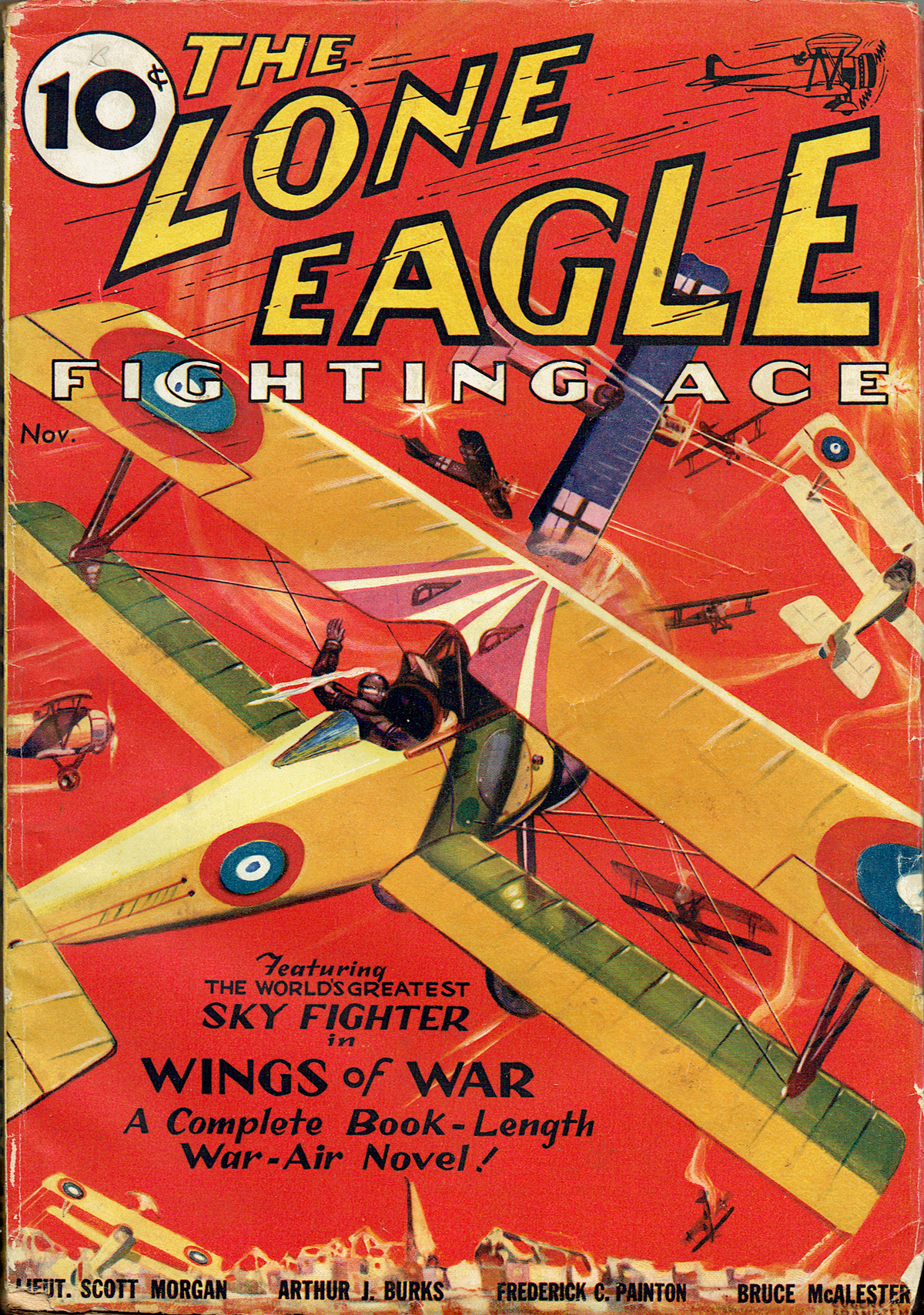 in on The Flying Devil! The Flying Devil was a regular feature of the first fifteen issues of The Lone Eagle and, more importantly, as they announced beneath each month’s story—“the Only War-Air Cartoon Story to Appear in Any Magazine!” The strip was drawn by