



“Knights of the Nieuport” by Andrew A. Caffrey
THIS week we have 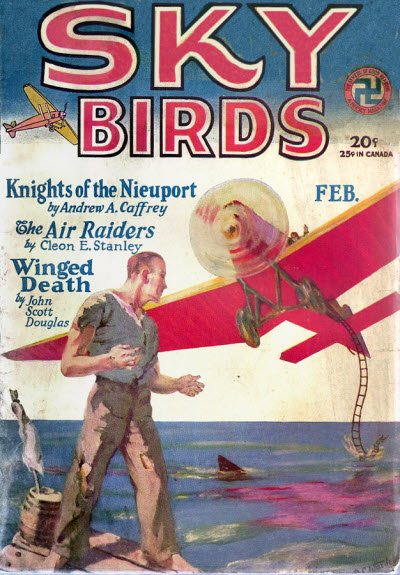 another story from one of the new flight of authors on the site this year—Andrew A. Caffrey. Caffrey, who was in the American Air Service in France during The Great War and worked for the air mail service upon his return, was a prolific author of aviation and adventure stories for both the pulps and slicks from the 1920’s through 1950. For the second issue of Sky Birds, Caffrey tells the story of Lieutenant Mike Harris—a.k.a. “Coupe Mike” due to his proclivity to overuse the coupe button during his training—fresh up from Issoudon after extensive training.
Caffrey himself gives a vague bit of the background for the tale while praising Hersey on his great line of aviation titles in a letter in the Ailerons column from the same issue:

From the February 1929 issue of Sky Birds:
“Coupe Mike,” they called him. He was named a Lieutenant by the War Department, and Michael by an adoring mother. However, Fate dubbed him a Black Cat for luck until Fate changed his mind and so furnished the material for a bang-up air novelette.
- Download “Knights of the Nieuport” (February 1929, Sky Birds)
As a bonus, here’s a brief autobiography of sorts by Andrew that ran in the April 1928 New McClures Magazine:
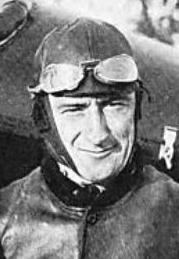 MY LONG-LOAFING experience was started back in Lawrence, Massachusetts, on the coldest March the eleventh that 1891 knew. That makes me twenty-one by actual count.
Early in May, 1917, I talked the War over with a recruiting sergeant in San Francisco and he promised that it would last long enough. Well, before I was in that uniform for one full lay I knew that the War had lasted too long. And it was more than three years before I gazed at a bird in a mirror of a New York automat and wondered why he looked back at me, and like me. It was so long since I had seen me in civvies that I was startled, as someone has said, to stillness. Yet, for the first time in a long while i liked me.
After the War I was with air mail in San Francisco. Later I went as a civilian employee to McCook Field, Dayton. There I worked with the cross-country section and flew much over the East. When Clover Field, Santa Monica, came into existence I came here as Chief Mechanic. Out of Clover Field I flew on much long-distance work; coast to coast and north and south. We were trying to prove that aviation had arrived. It hadn’t and it hasn’t: and I, for one, know that there’ll be lots of good flying ten years from now. And wanting to be in on some of the good flying, I gave the thing up till such time as some great skill unfolds the future of air. Over periods of years at a time we followers of air lose track of old pals. But sooner or later we always find them, and in the same place—in the crashed and killed news. As long as that is true flying has not arrived. The game today is just as dangerous as it was when the Wrights hopped off at kitty Hawk. That’s why the one living Wright, Curtiss, Martin and the old men of the air stay on the ground. They know, and better than anybody else realize, that the patron saint of aviation is the Fool Killer.
Fact is, I am one of an ex-army of broken men. And I tell you what: it’s been a hard quiet war for a lot of us boys ever since a certain long lank kid clapped a cool blue eye to a periscope and found Paris. . . Find Paris! Say, isn’t it just possible that a lot of us should get off the controls and let somebody fly who can fly? . . . But it’s tough to be running around with clipped wings and have no willing ears to tell it to. Lindy has done a lot for aviation, but look what he’s done to the rest of us!
Well, I’m sure sorry for the rest of the boys, but just so long as McClure’s will let me fly now and then I’ll try to keep a stiff upper lip and the rest of the fixings.

* The above picture of Andrew A. Caffrey is cropped from a picture that accompanied Caffrey’s article “West is East (Or Delivering the General’s Nickel-Plated Dog Kennel)” that appeared in the pages of the December 1923 issue of U.S. Air Service.
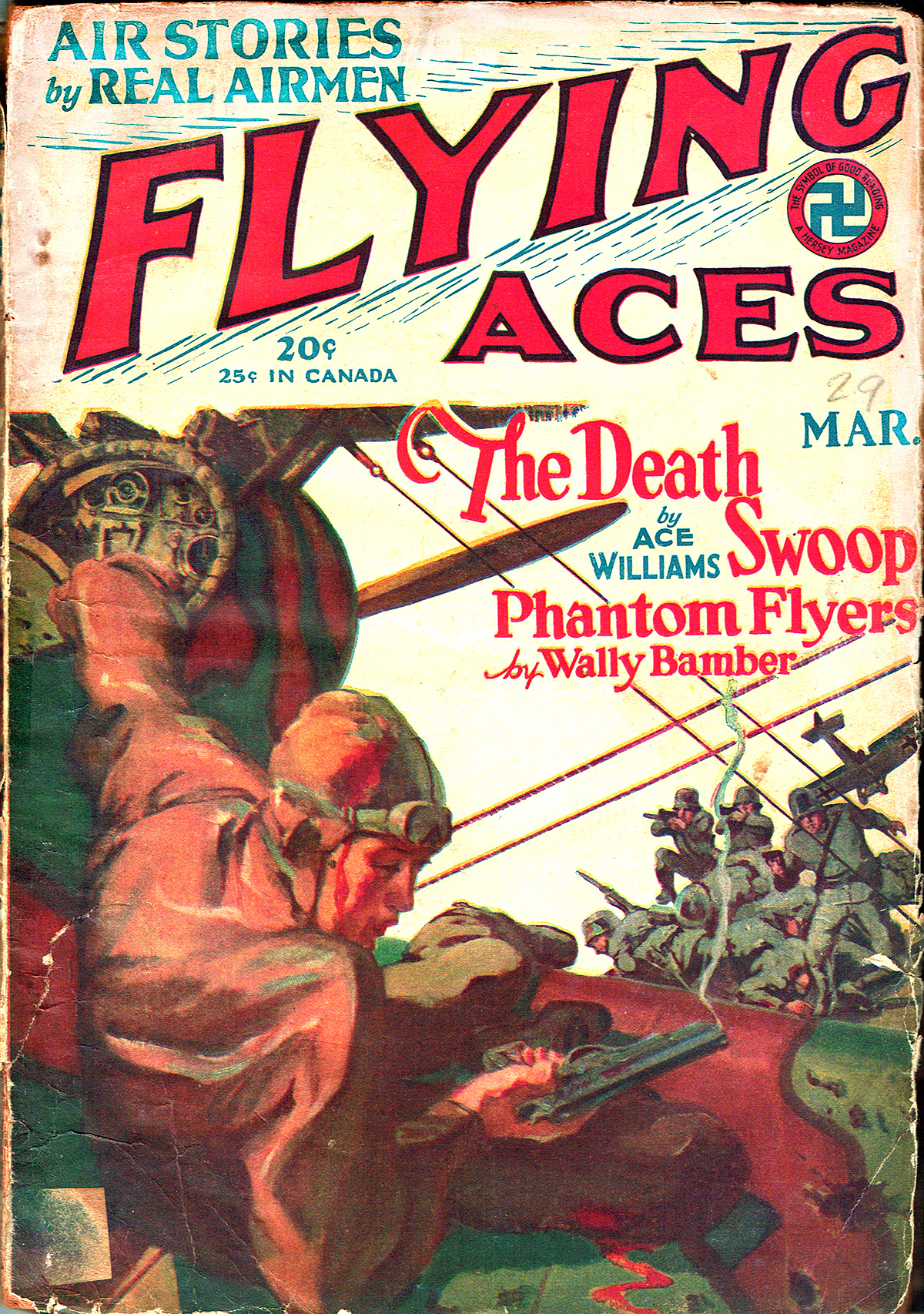
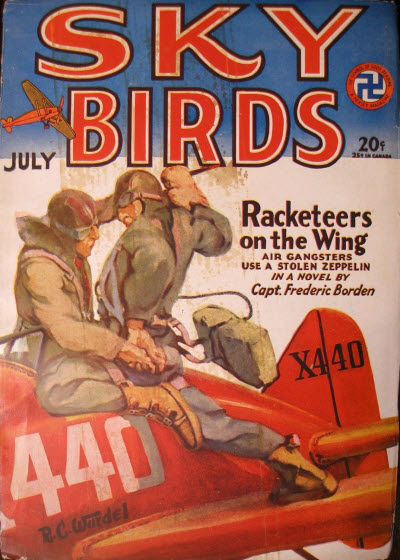 a story by Franklin M. Ritchie. Ritchie only wrote aviation yarns and his entire output—roughly three dozen stories—was between 1927 and 1930, but Ritchie was not your typical pulp author.

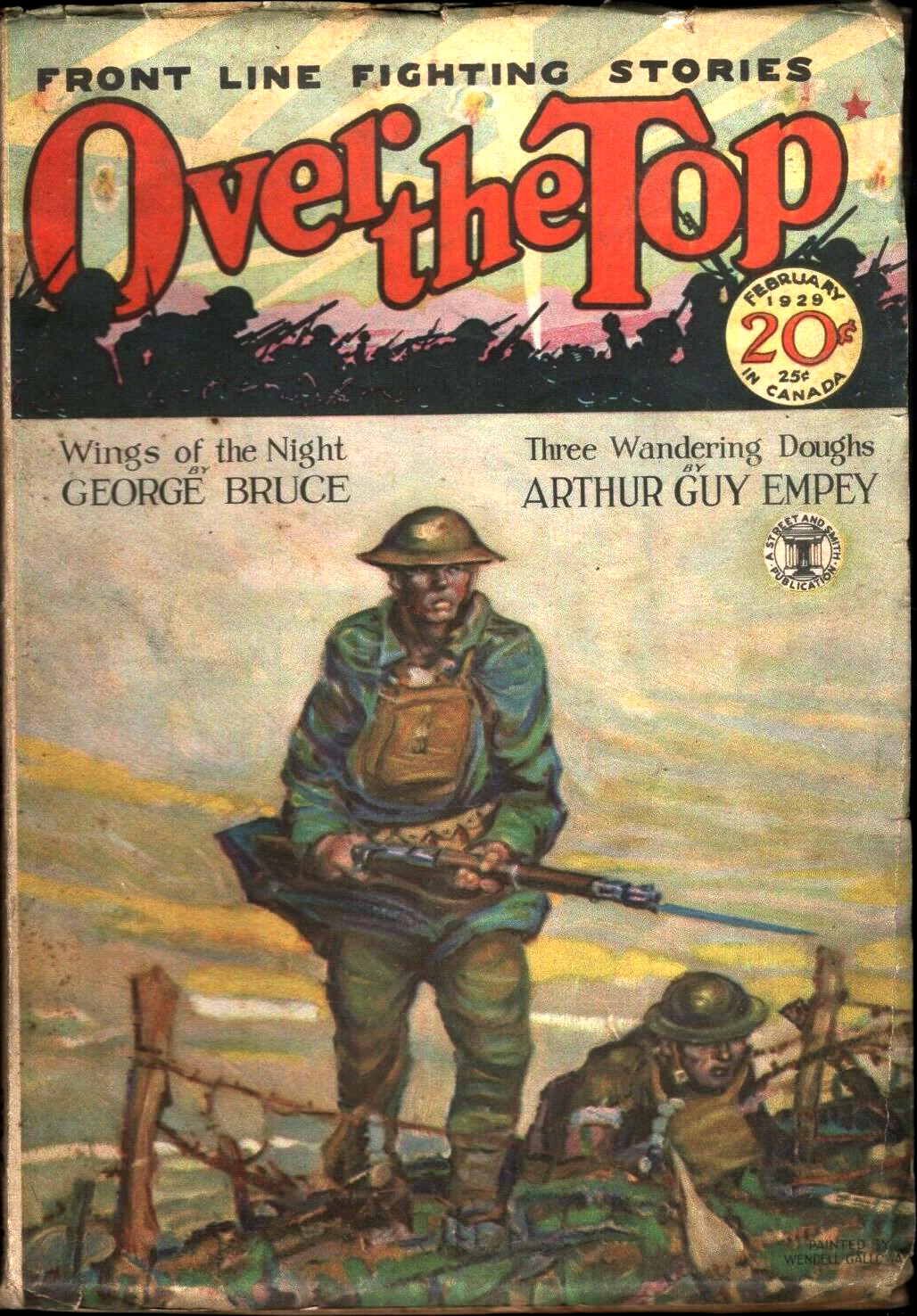 a story from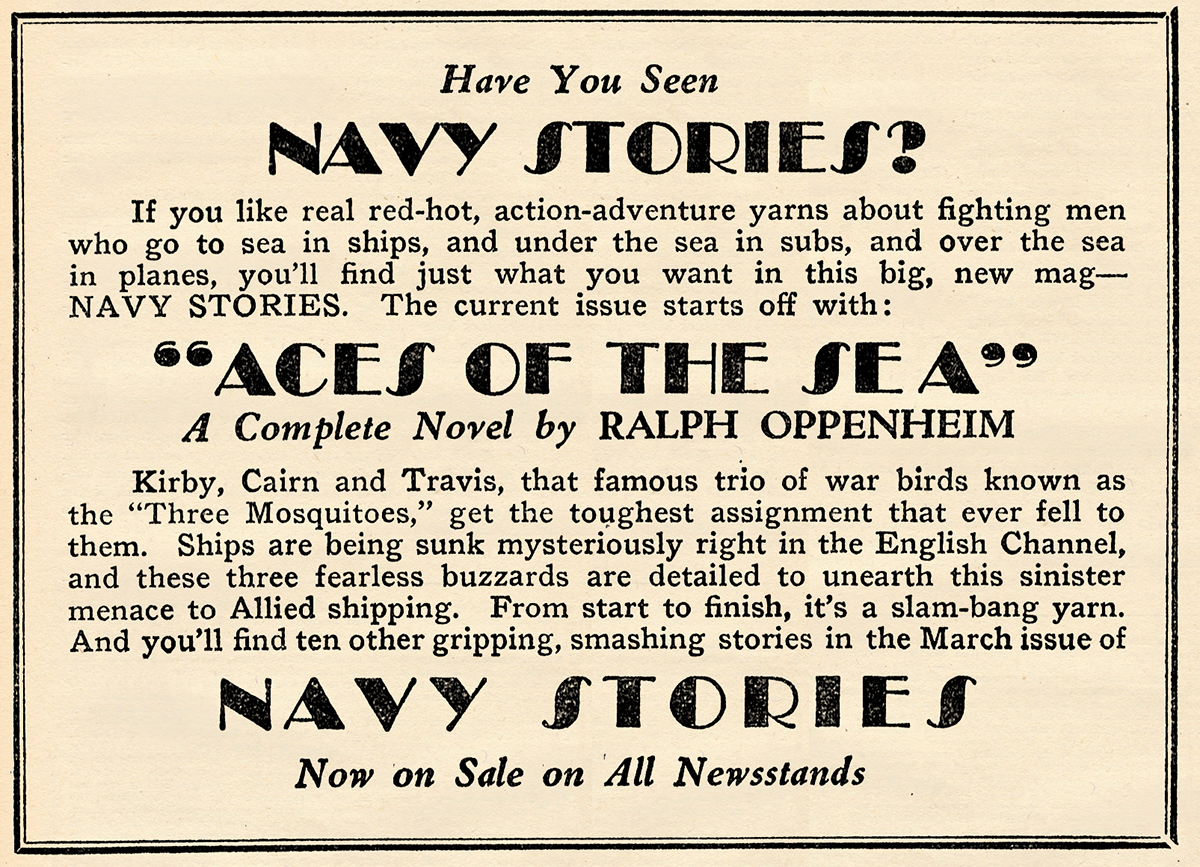
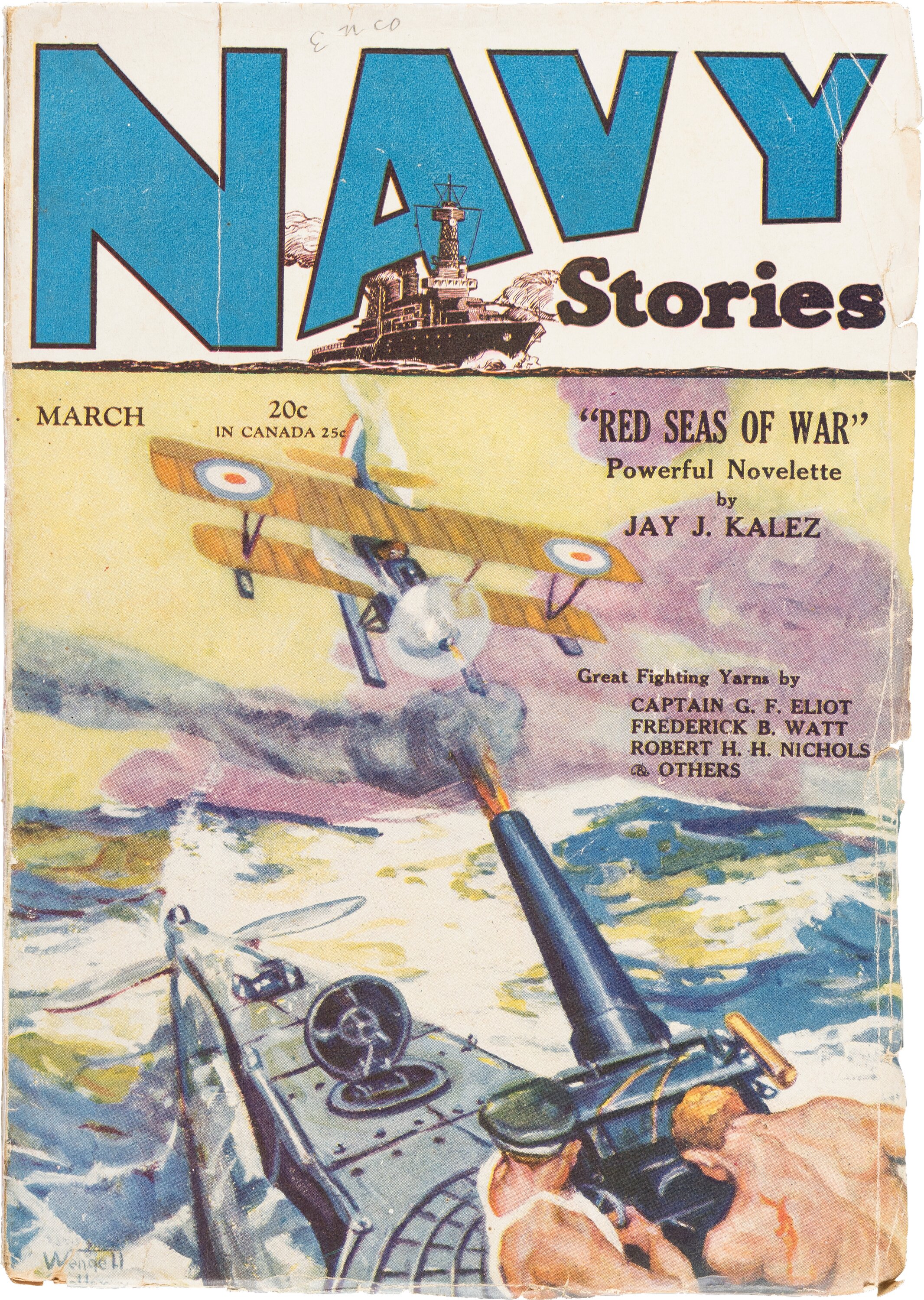 the third of three Three Mosquitoes stories we’re presenting this month. This week it’s a bit of a departure for the inseparable trio when they are loaned out to the Navy. Somehow, under our very noses in the heavily mined and patrolled waters of the English Channel, six ships have disappeared without a trace and no survivors. The Navy has designed a trap that they hope will catch or reveal what has happened to their missing ships and The Three Mosquitoes are to fly over the area to observe whatever happens. And that’s just the tip of this iceberg—events lead Kirby to be an unwilling passenger/prisoner aboard a U-boat bent on a hellish suicide mission to destroy Englands new super dreadnaught about to set sail! From the March 1929 issue of Navy Stories, it’s “Aces of the Sea!”
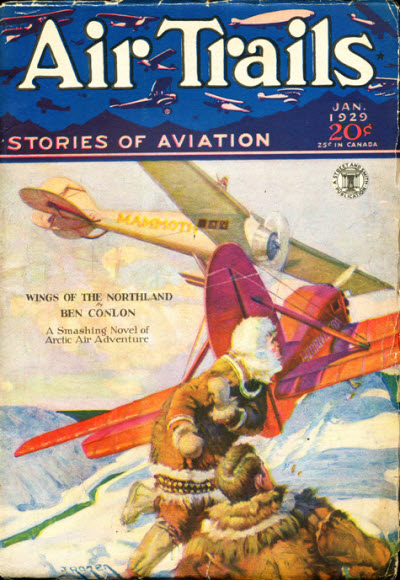 another of
 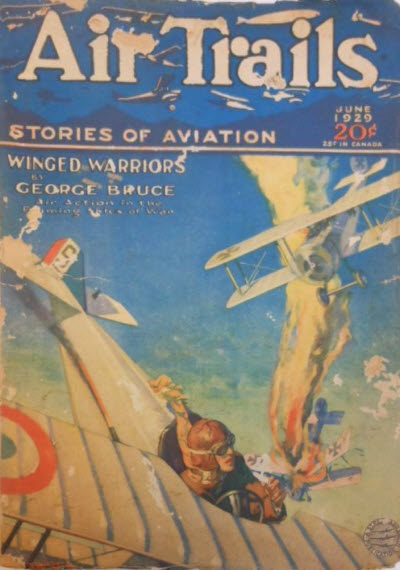 exciting air adventure with Rusty Wade from the pen of Frank Richardson Pierce. Pierce is probably best remembered for his prolific career in the Western Pulps. Writing under his own name as well as two pen names—Erle Stanly Pierce and Seth Ranger—Pierce’s career spanned fifty years and produced over 1,500 short stories, with over a thousand of these appearing in the pages of Argosy and the Saturday Evening Post.
 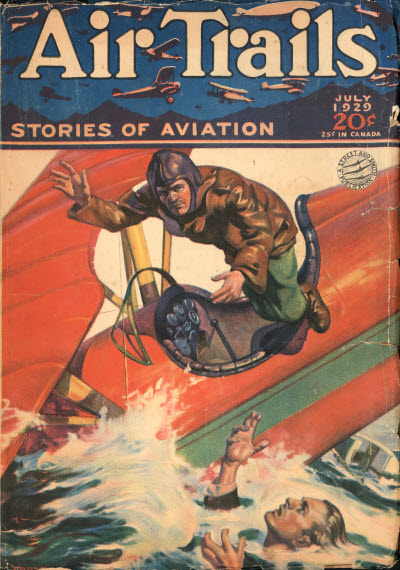 exciting air adventure from the pen of Ben Conlon. Conlon was quite the prolific author contributing stories in many genres and under a number of pseudonyms. He’s maybe best remembered for his many exciting Pete Rice western tales. He wrote all the full-length Pete Rice stories under the name Austin Gridley. Others used the pen name for the shorter Pete Rice stories in Wild West Weekly.
 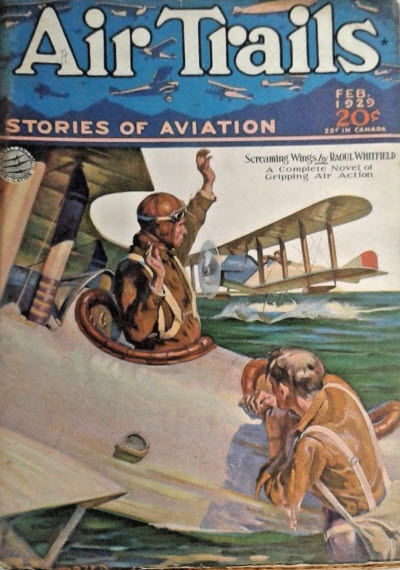 exciting air adventure with Rusty Wade from the pen of Frank Richardson Pierce. Pierce is probably best remembered for his prolific career in the Western Pulps. Writing under his own name as well as two pen names—Erle Stanly Pierce and Seth Ranger—Pierce’s career spanned fifty years and produced over 1,500 short stories, with over a thousand of these appearing in the pages of Argosy and the Saturday Evening Post.
 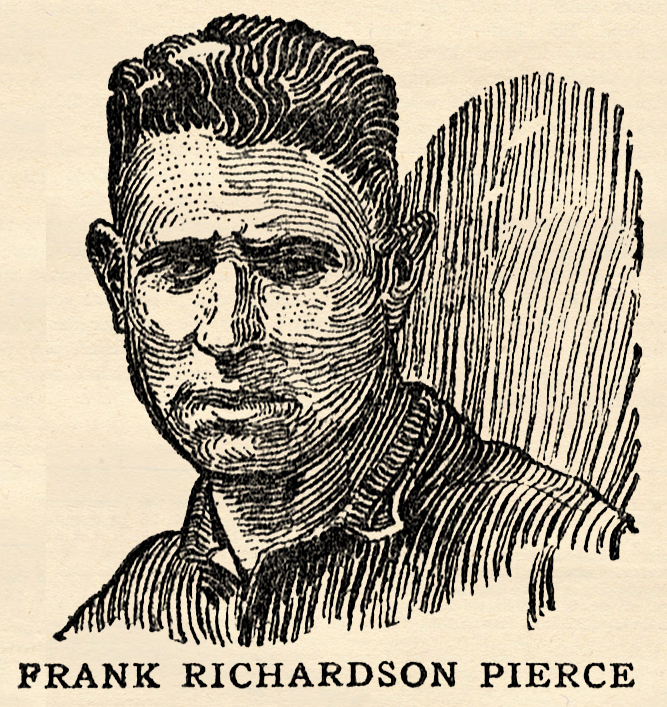 winter days with snow streaking through the sky, it seems right and proper to introduce Frank Richardson Pierce to you folks. Pierce lives up in the Northwest, up in Seattle, Washington—and he spends a good deal of his time hopping around Alaska. He is an outdoor man in every sense of the word. There are few writers in America who can catch the spirit of the frozen North as he can. His interests lie out under the open sky, with snow fields, fir forests, Canyons and great rivers. It was natural, therefore, that he took to flying.
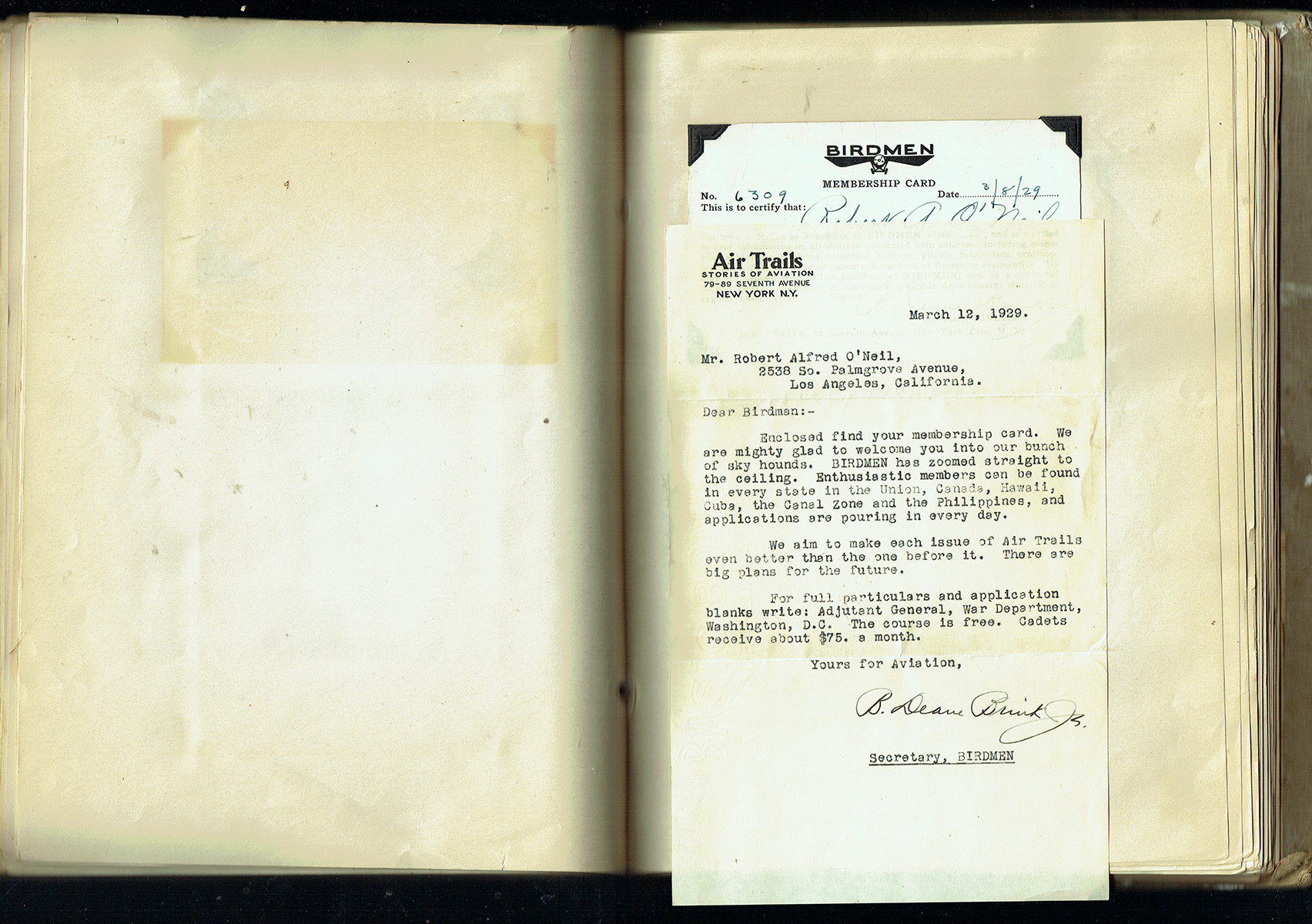
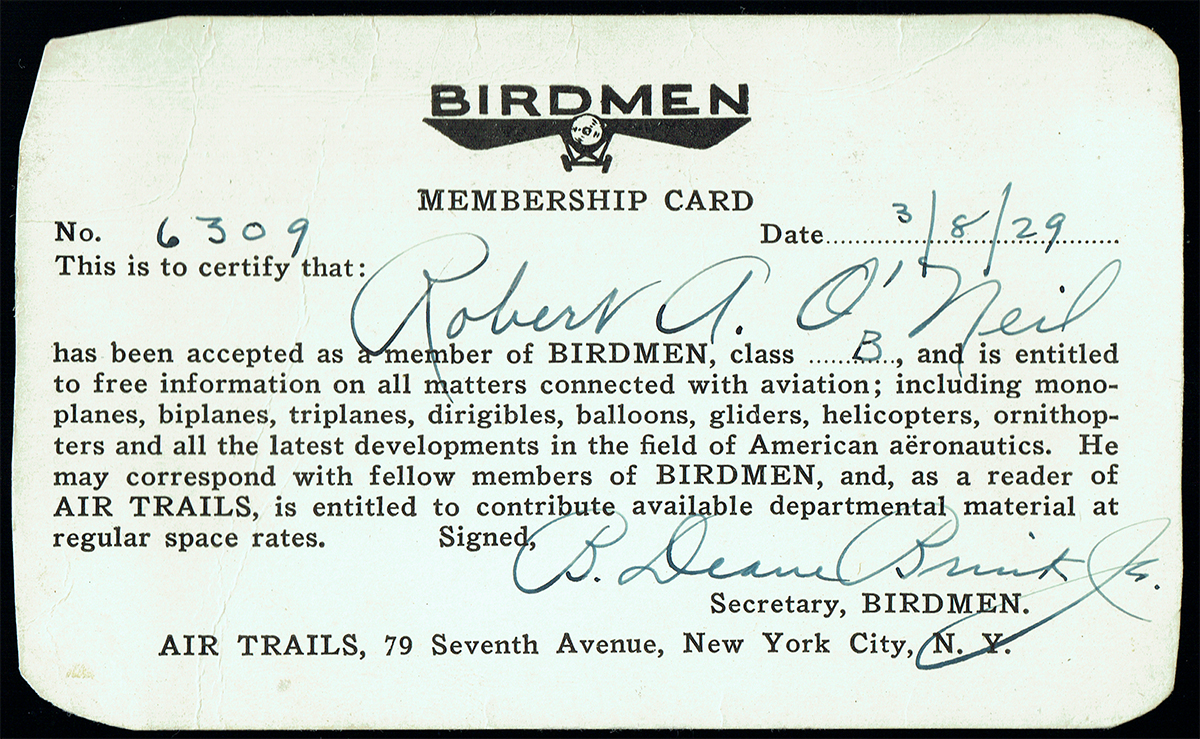
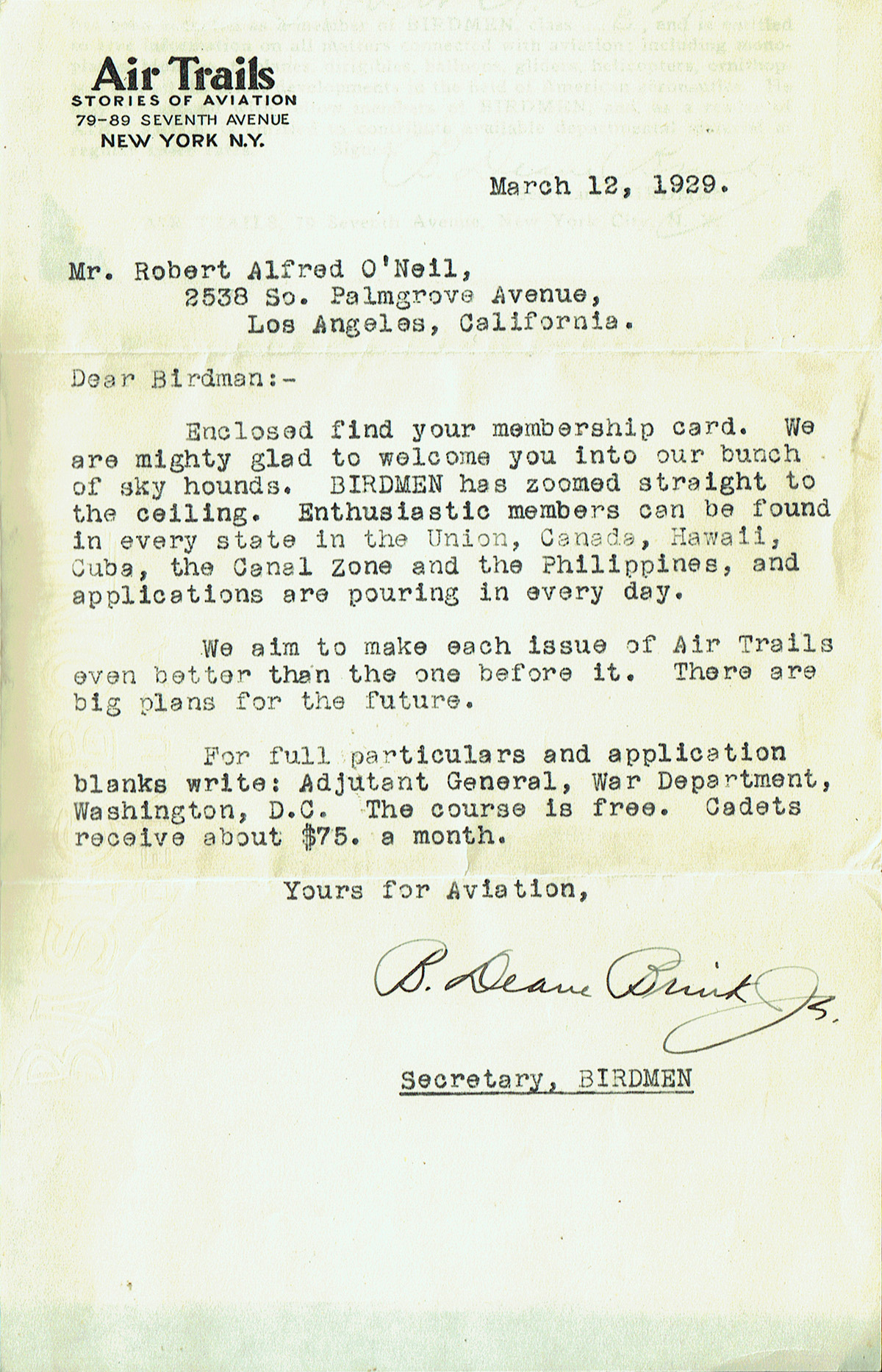
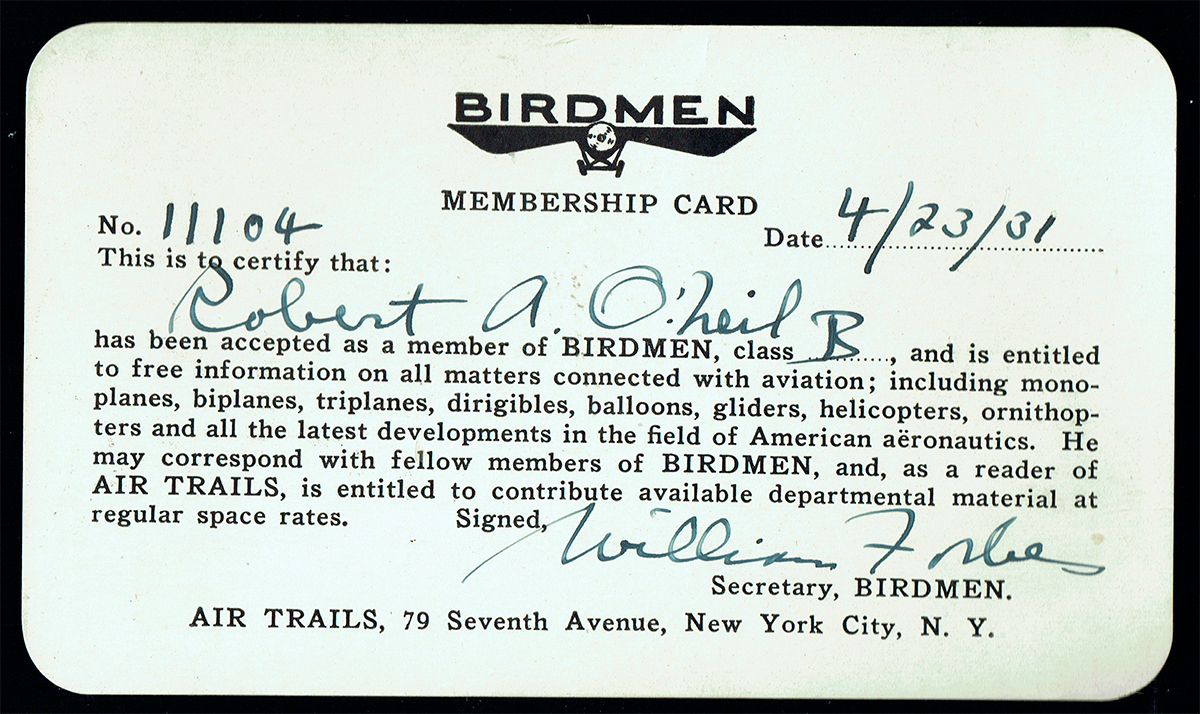
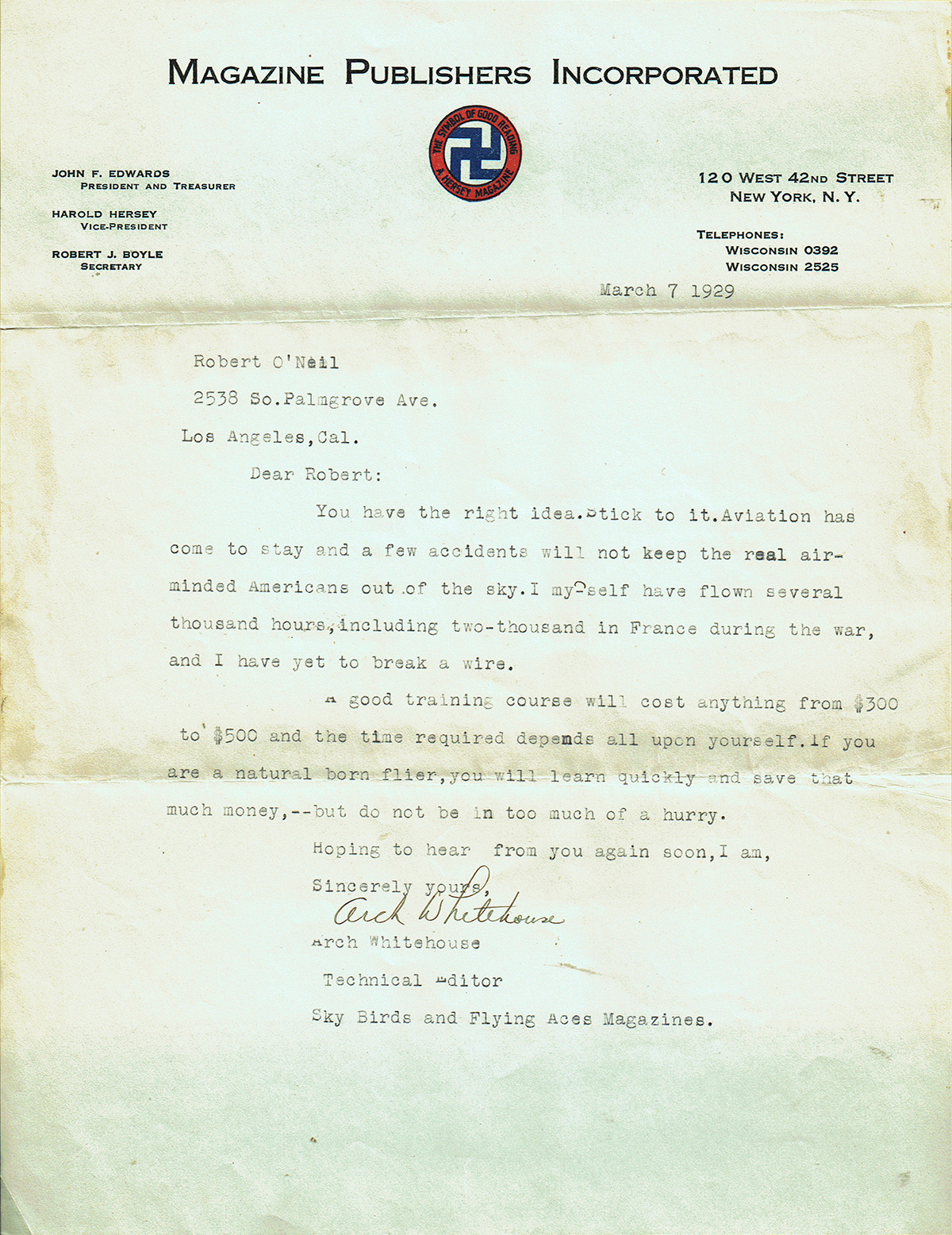
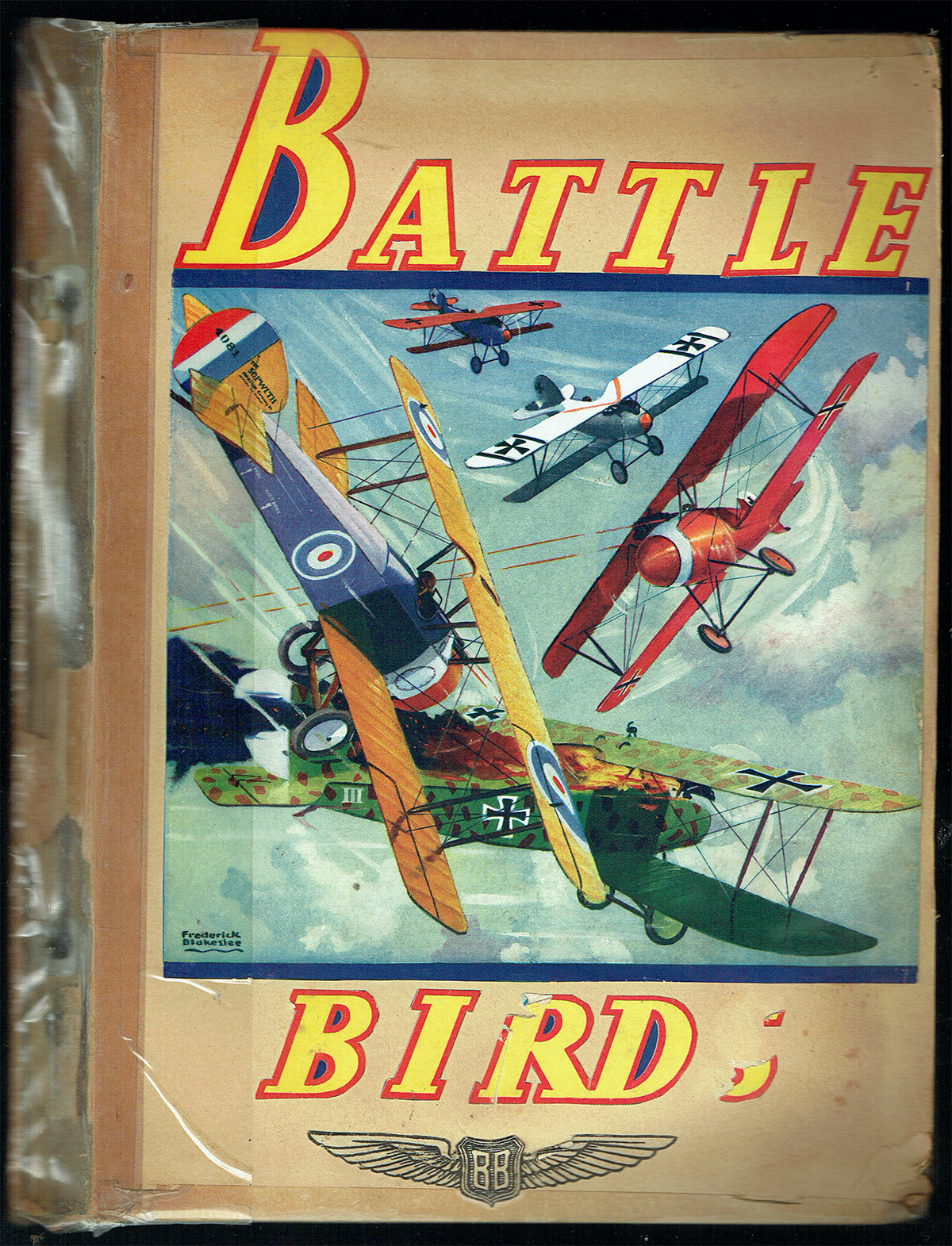
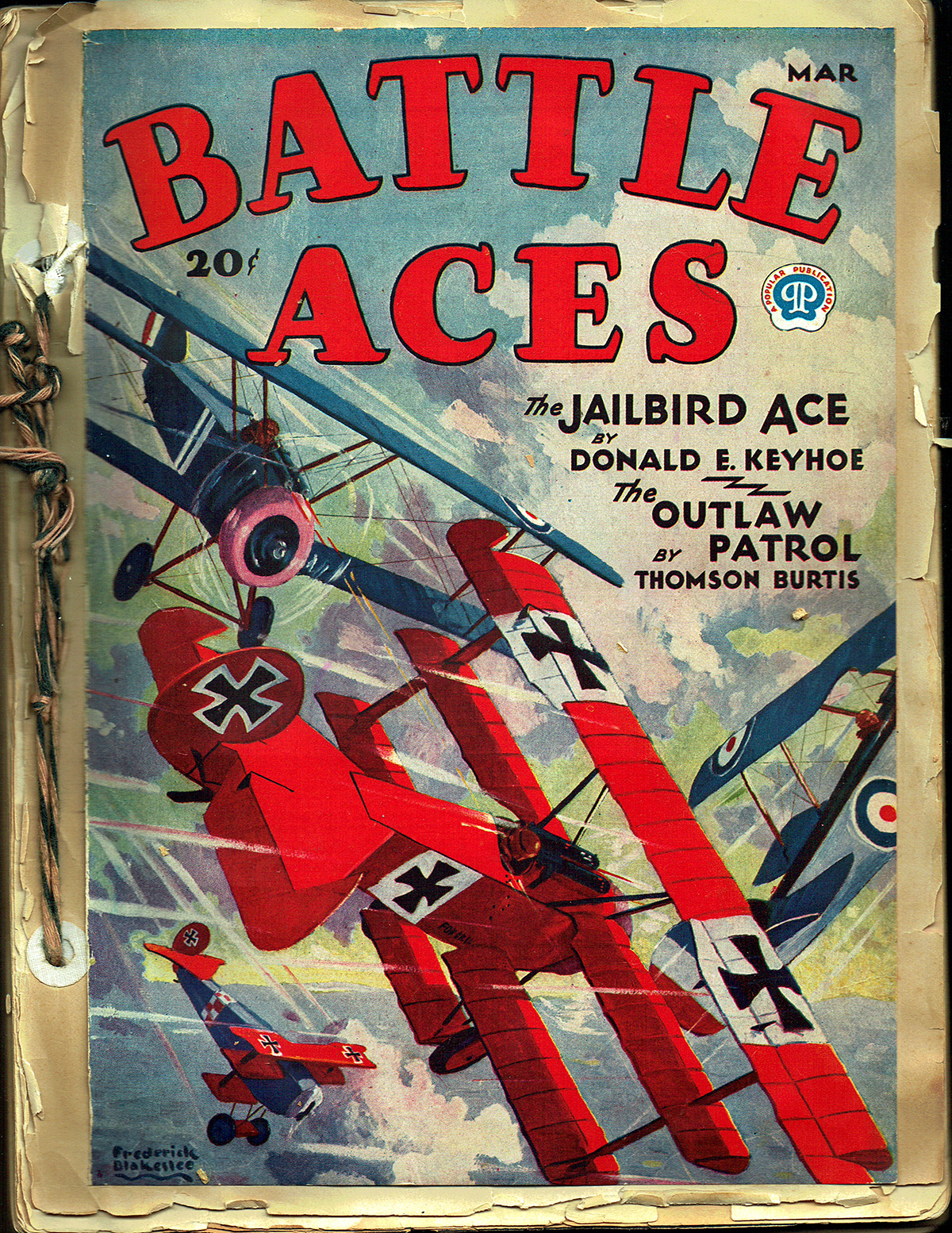 Like many in the late 20’s and early 30’s, Robert O’Neil was fascinated with aviation and as such, a large part of both volumes of his scrapbooks is taken up with a cataloging of the many different types of planes. But amongst all the planes and air race flyers and info on Aces are some surprising items.

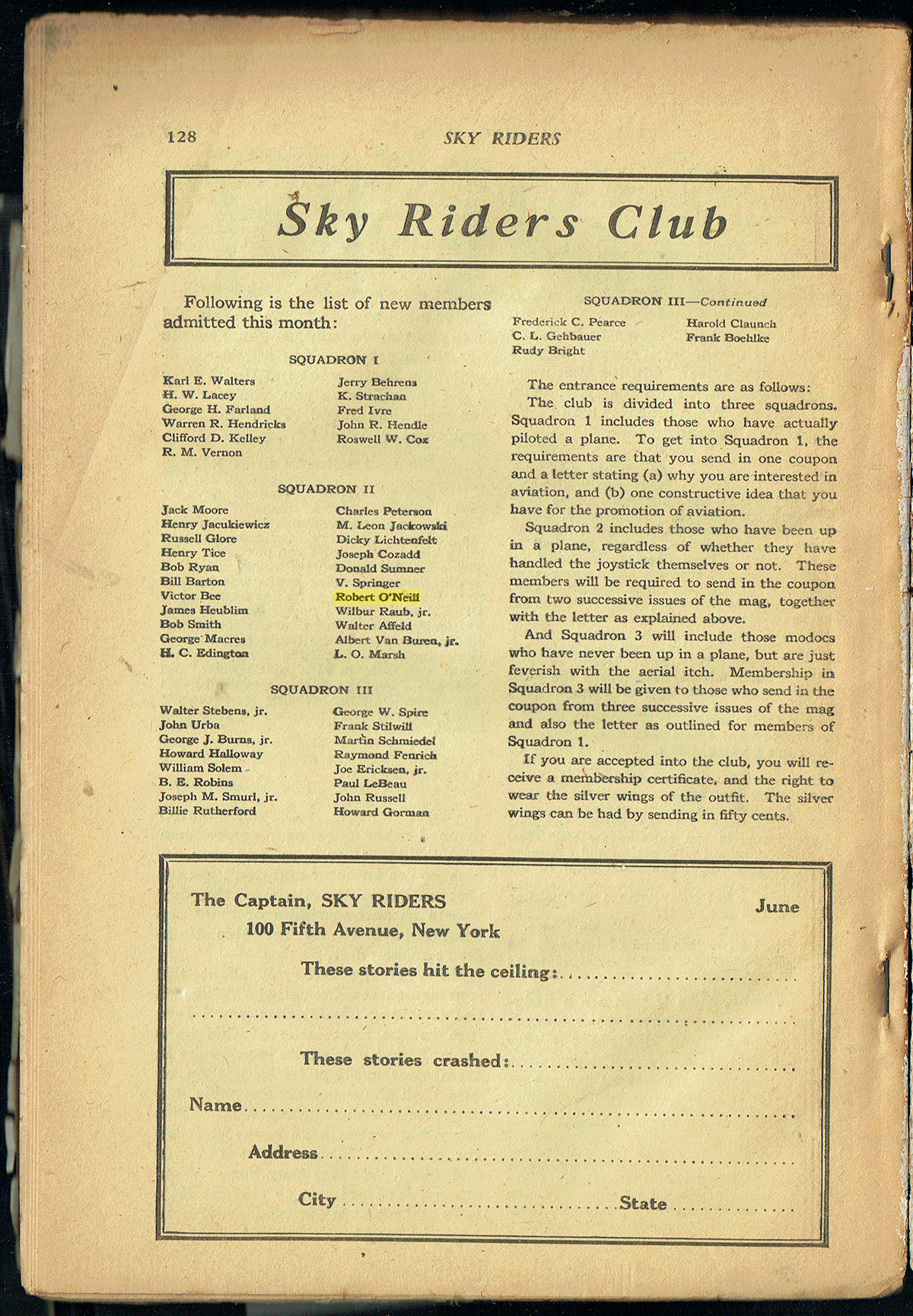
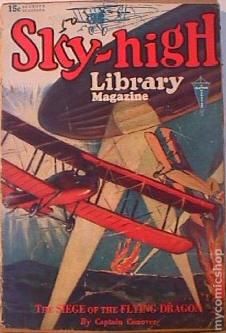 The Sky Riders Club had been combined with those members of the short lived Flying Corp Cadets which had been formed by readers of the first and sadly only issue of Clayton Magazine’s Sky High Library published in February 1930. The increase in new memberships allowed them to drop the price of the silver wings pin from 50¢ to 25¢ (September, 1930)


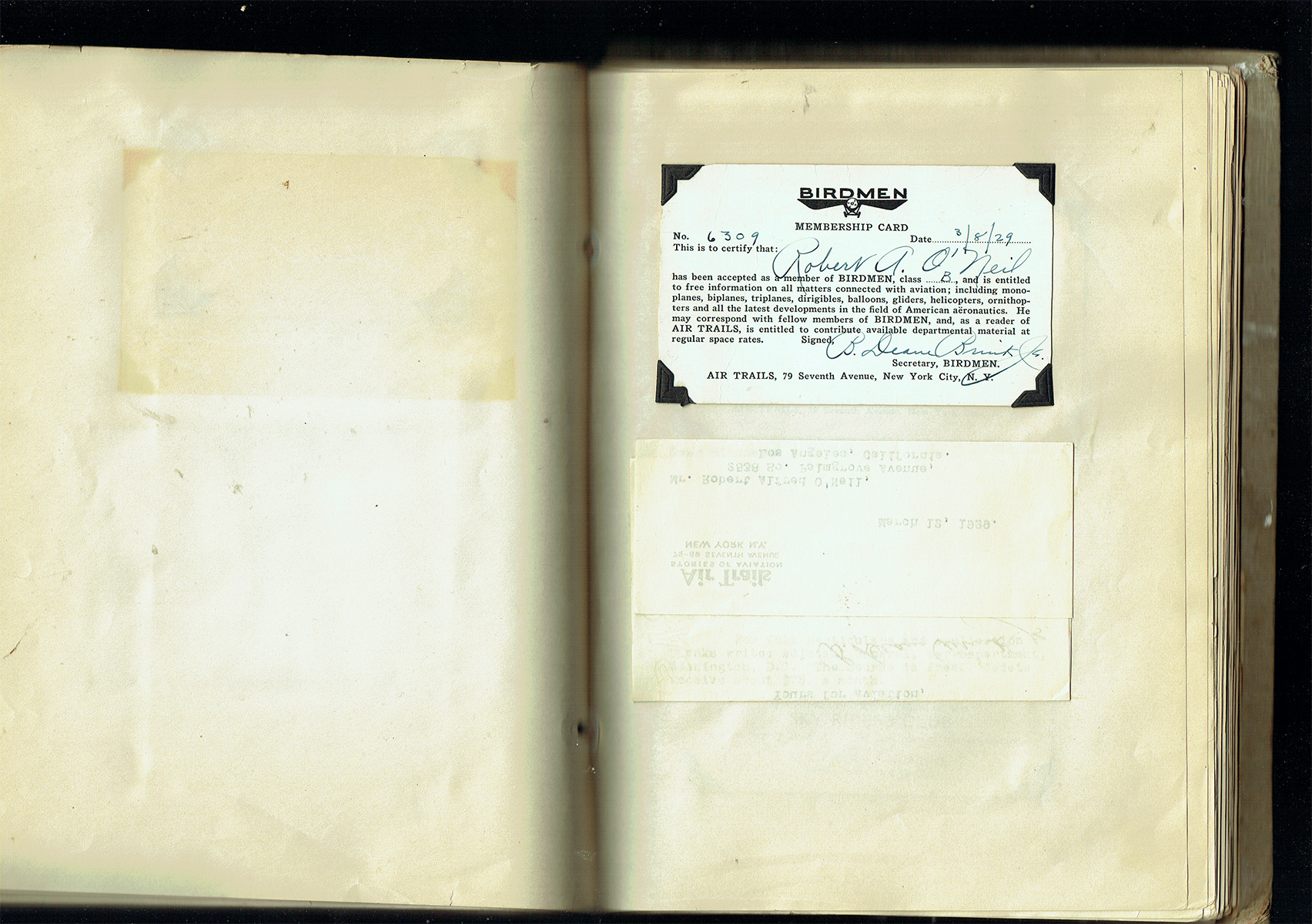
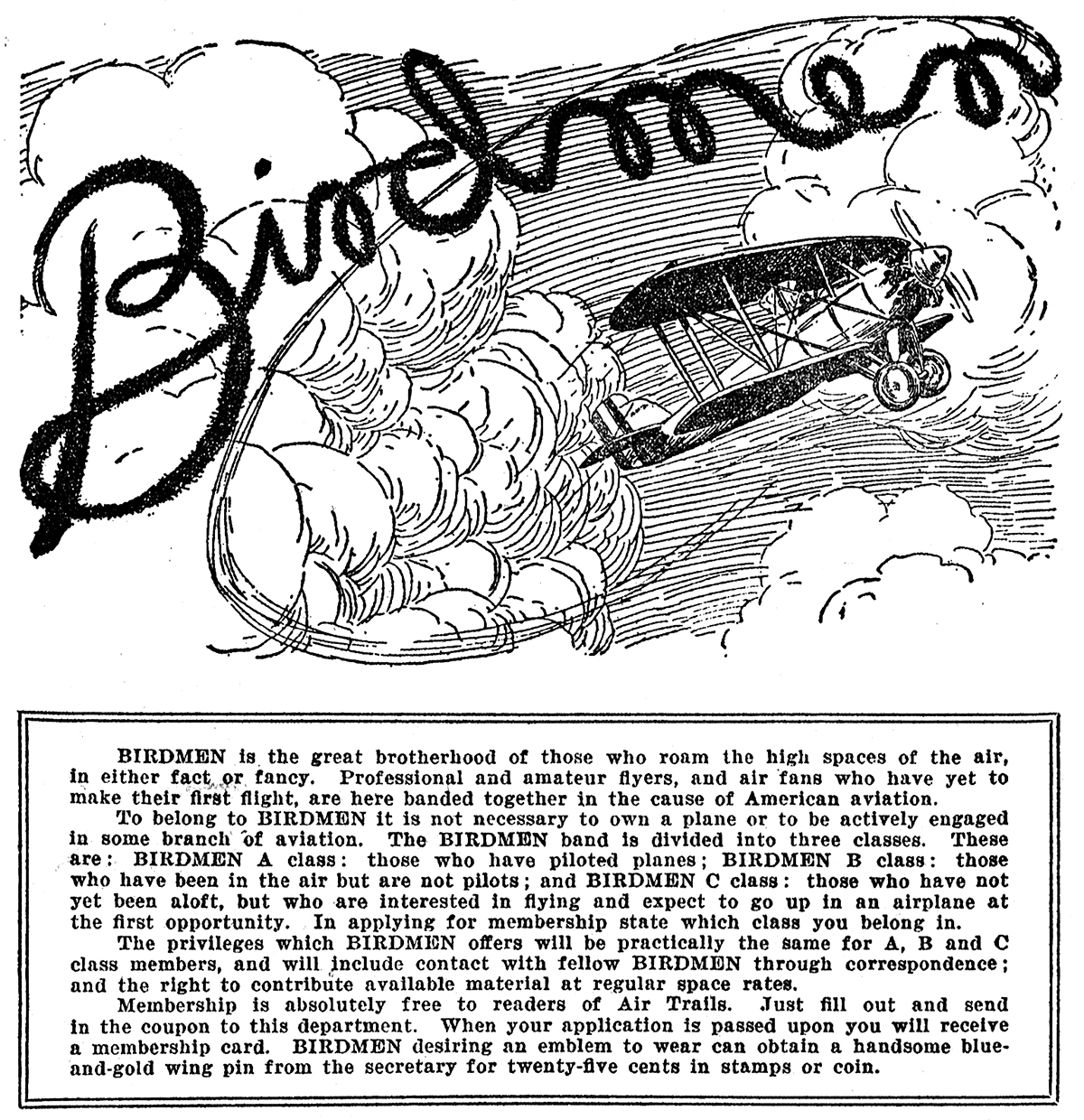
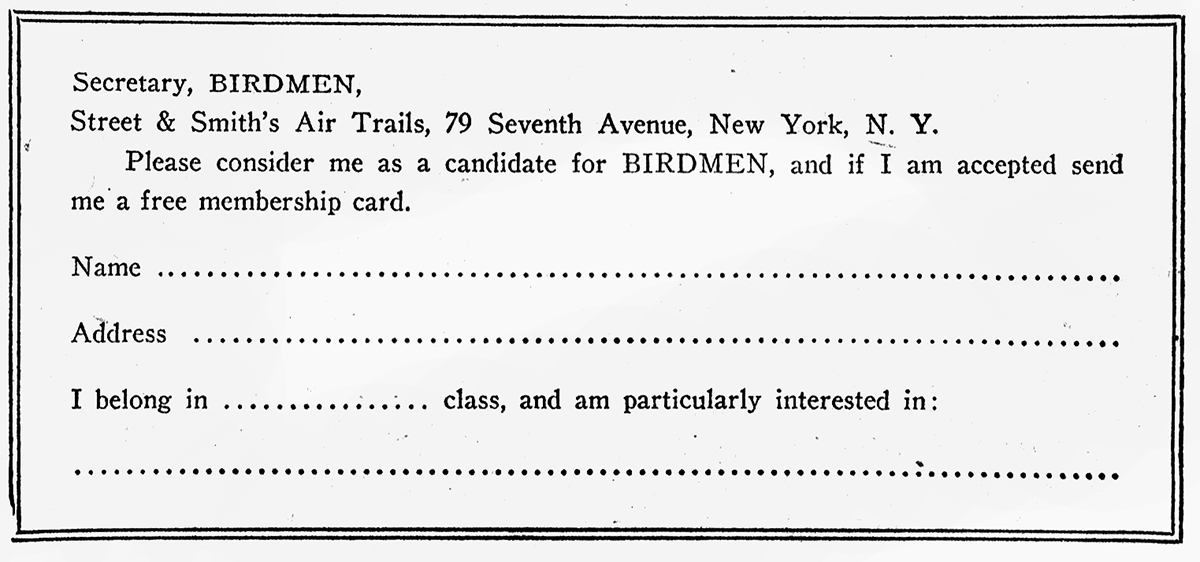
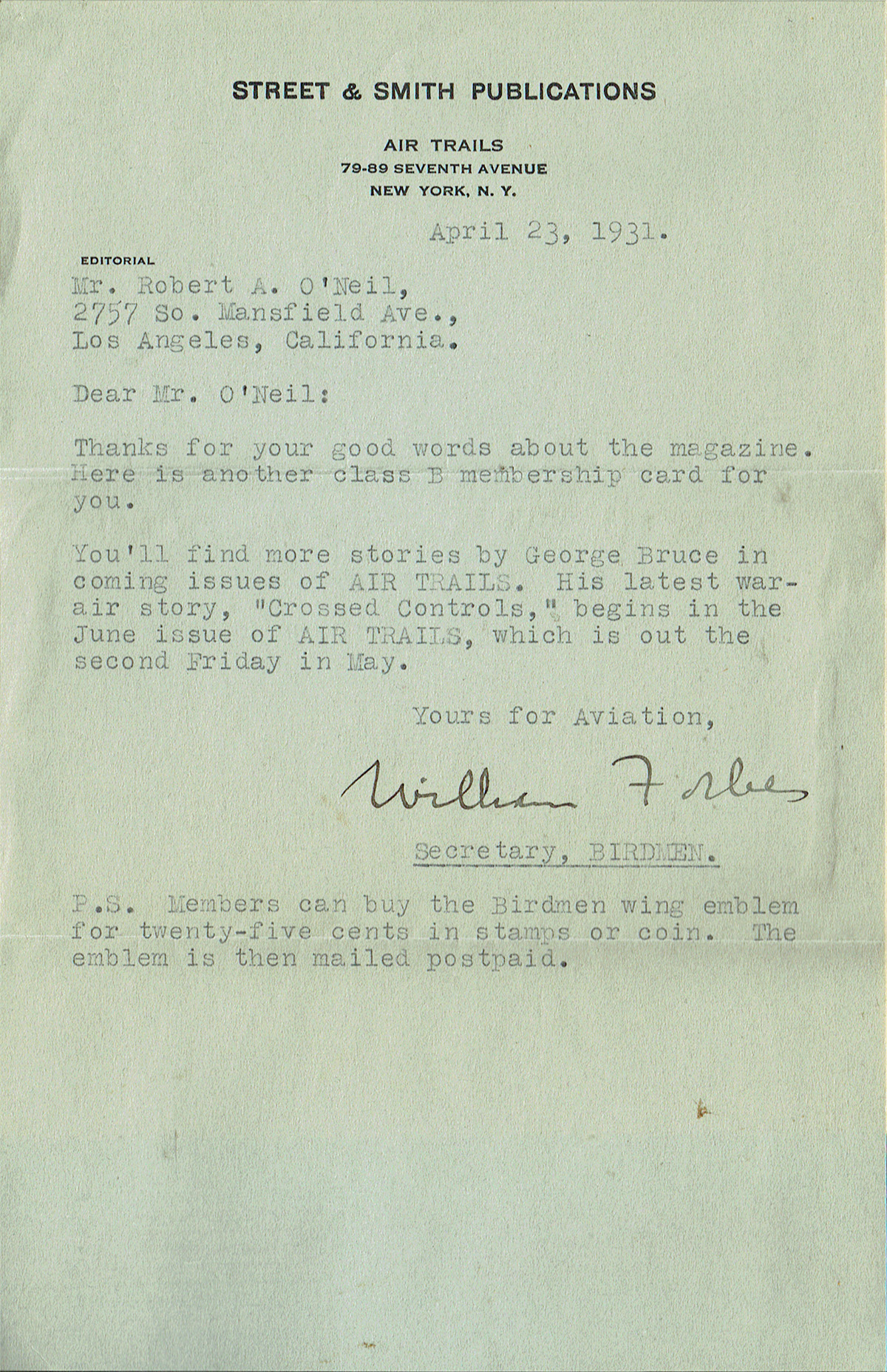
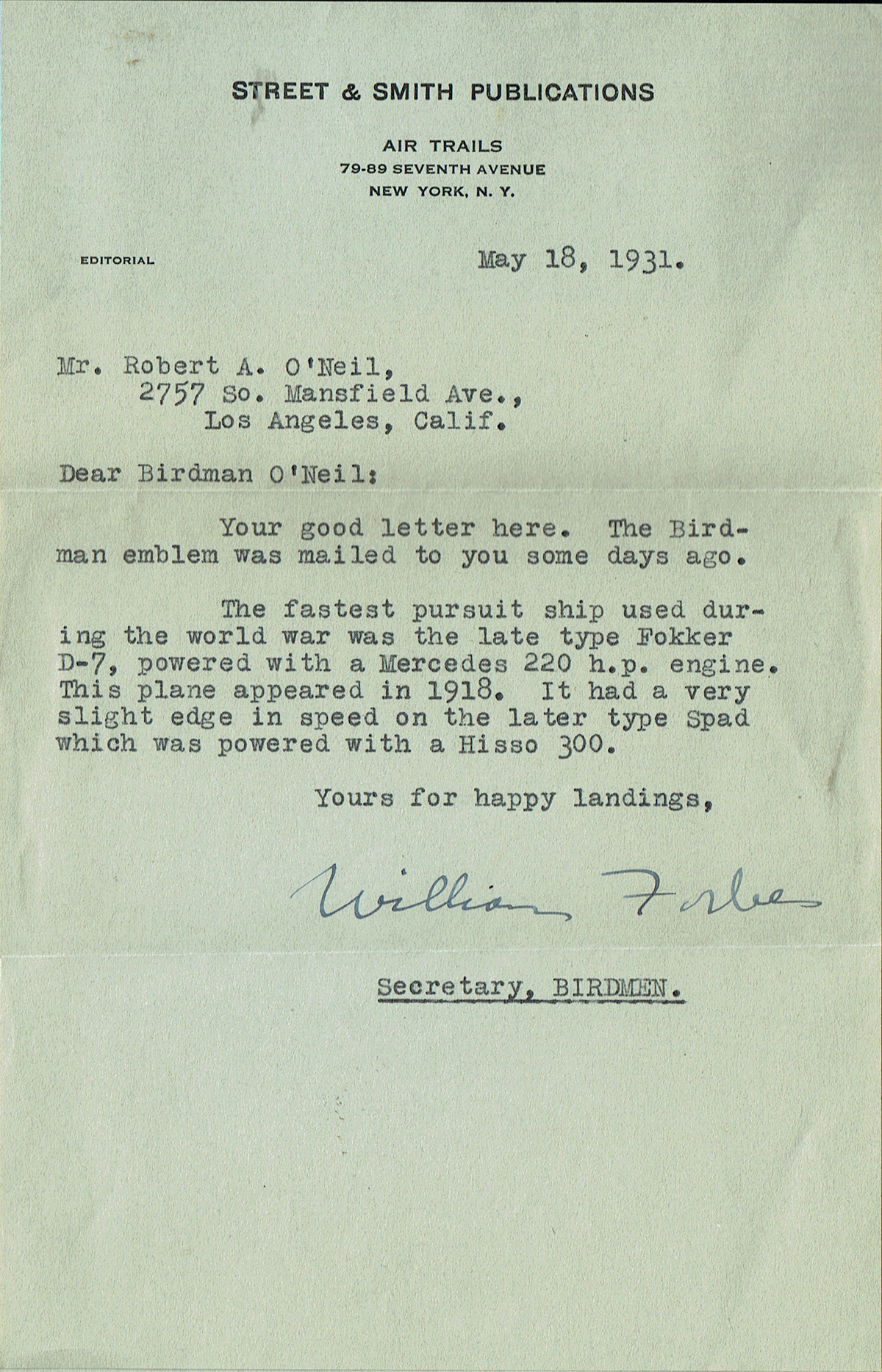
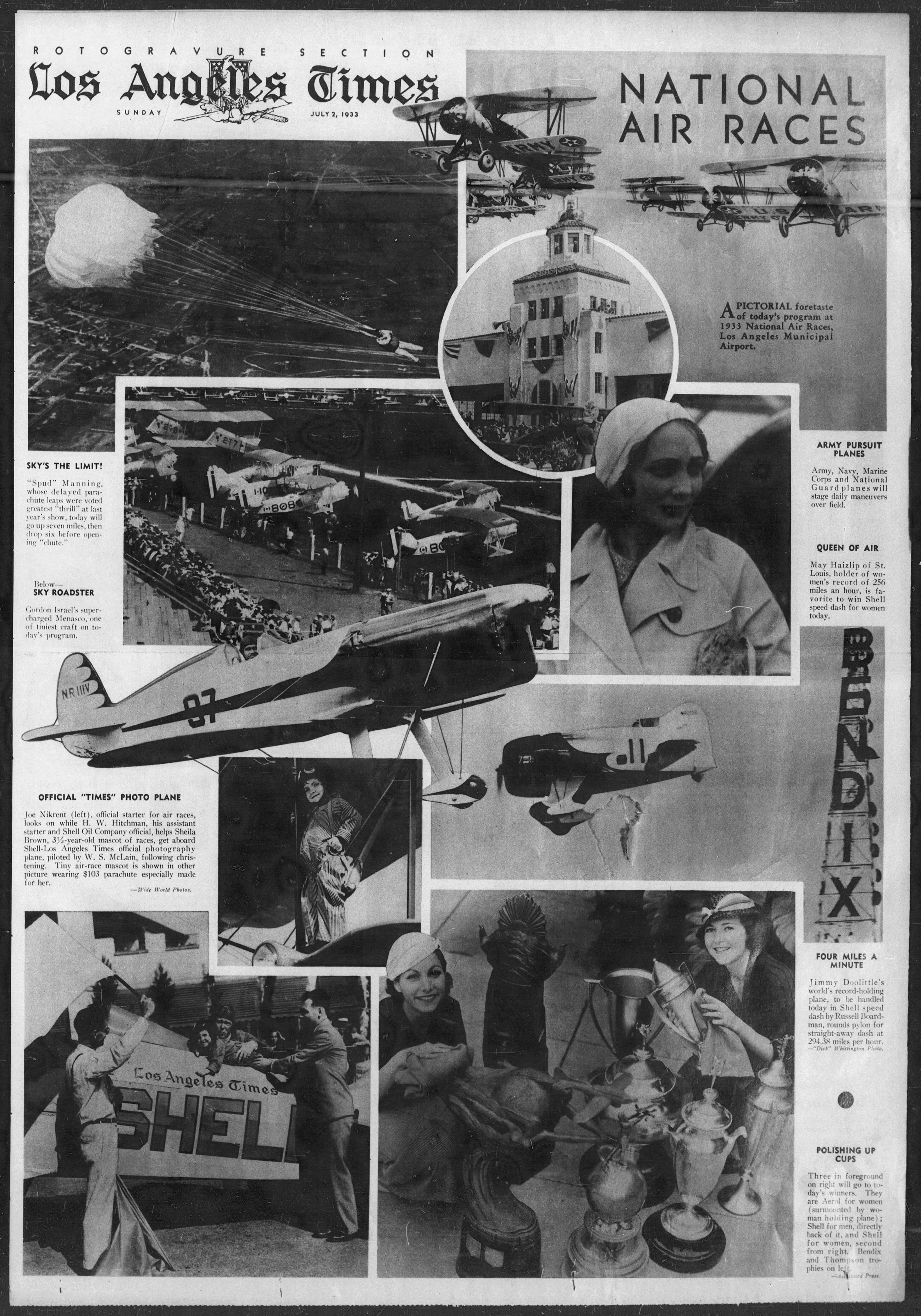
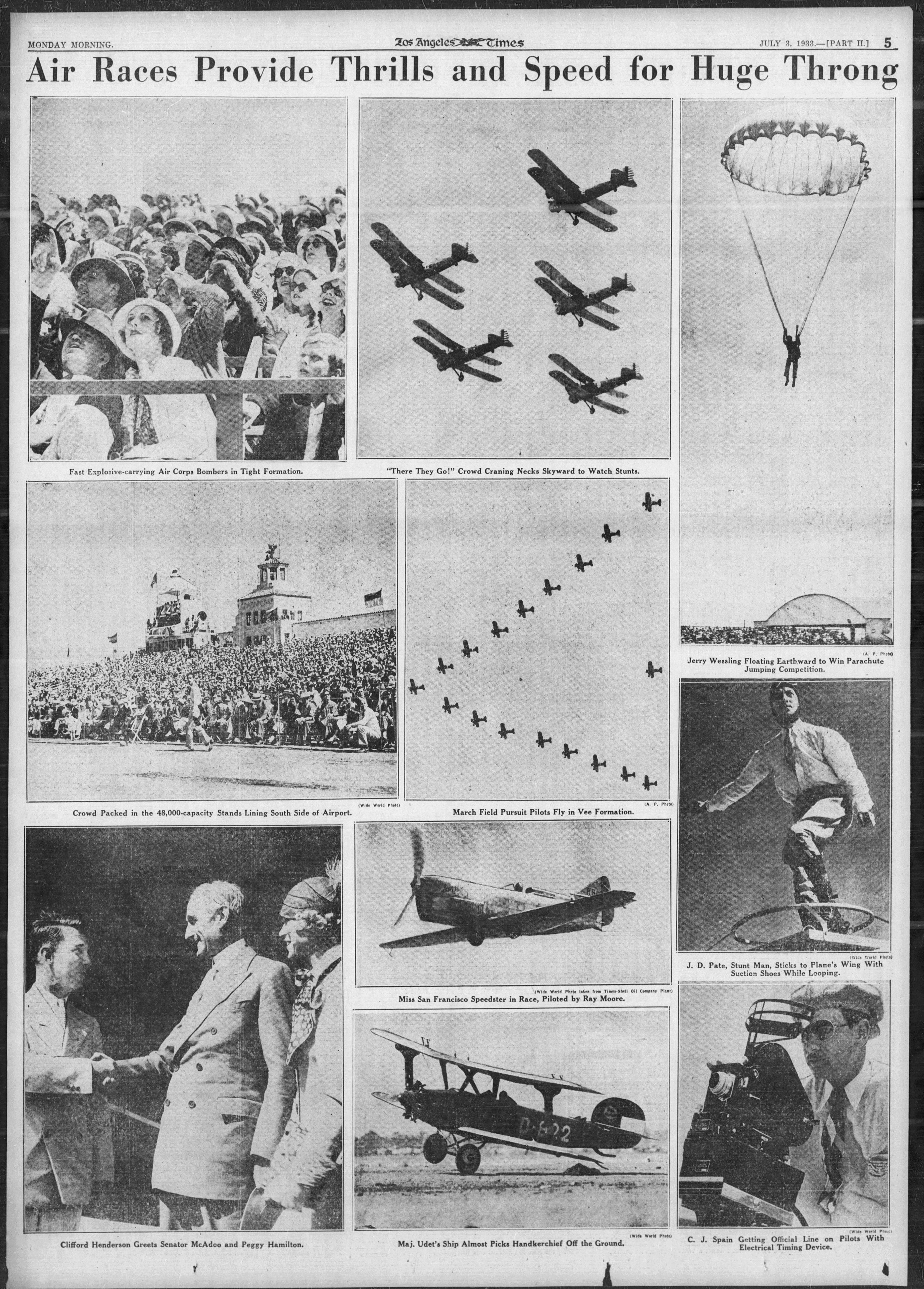
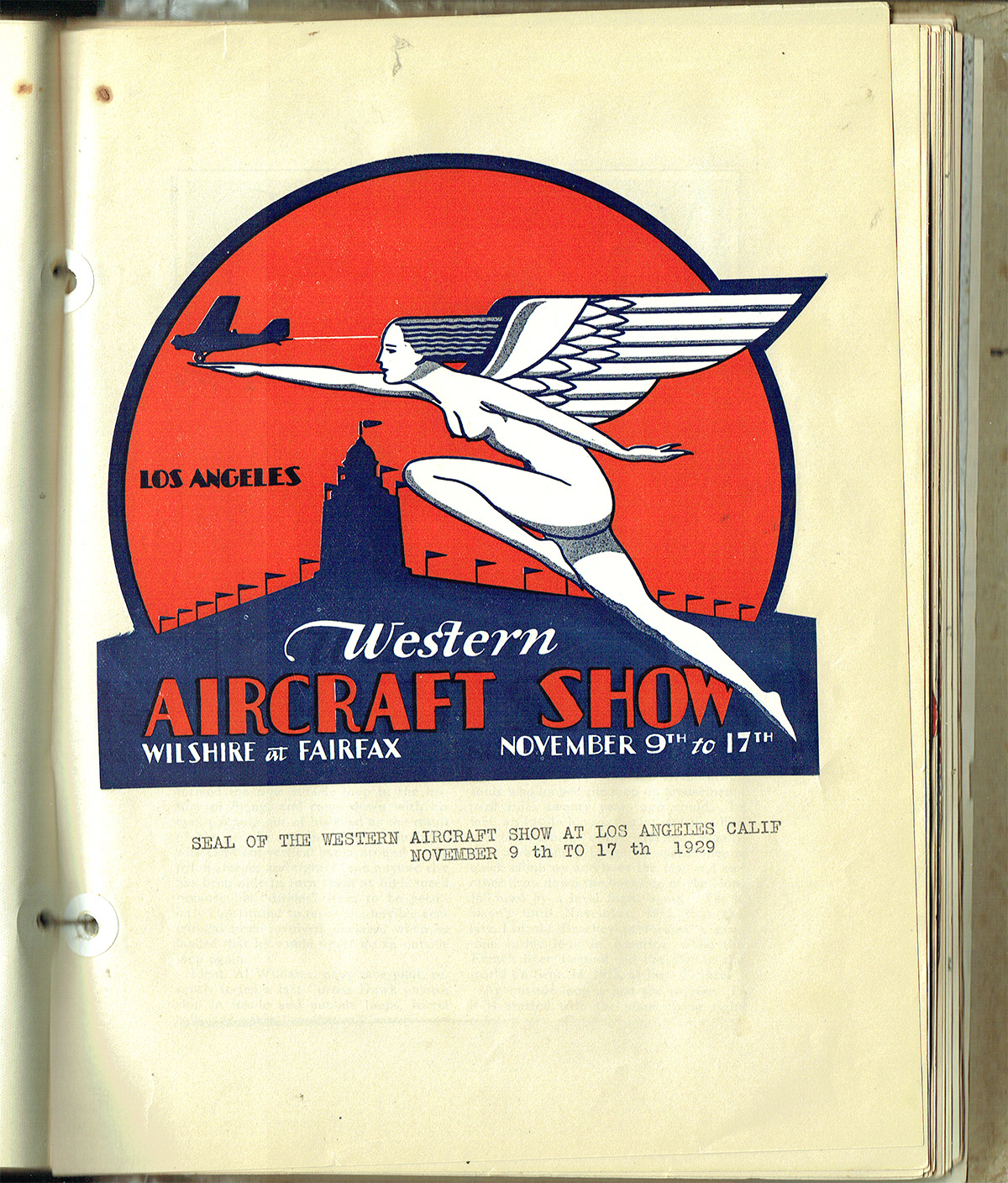
 One of the areas that Robert was interested in were the new and exciting Air Races! The races included a variety of events, like landing contests, glider demonstrations, airship fights, parachute-jumping contests, and of course, the races themselves—both closed-course and cross-country. The cross-country races were usually from Portland or Los Angeles to Cleveland. Robert included information on five different air shows from 1928-1933, and his ticket stub for two of them.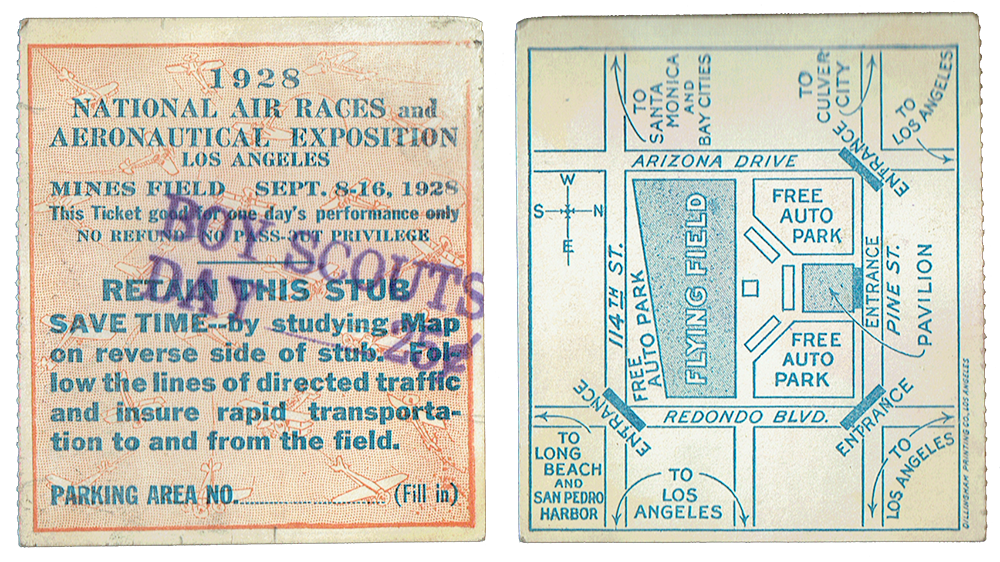
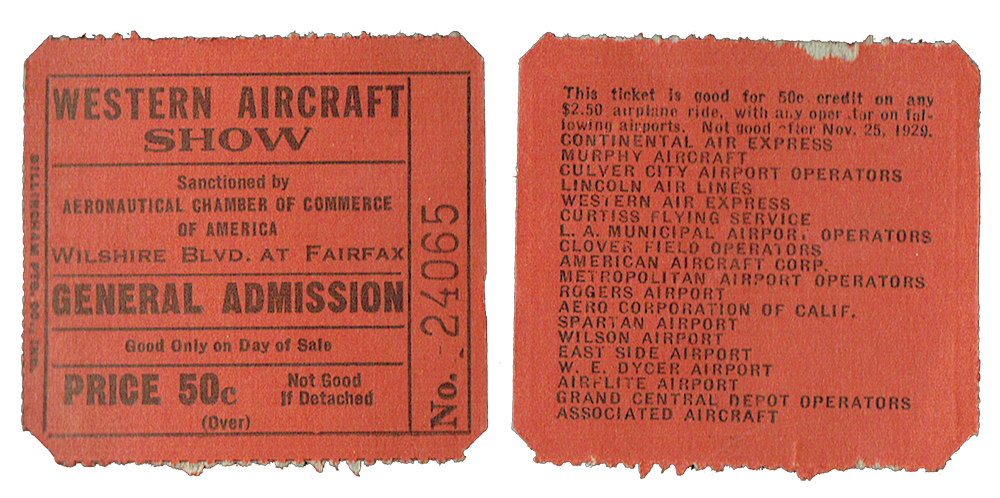
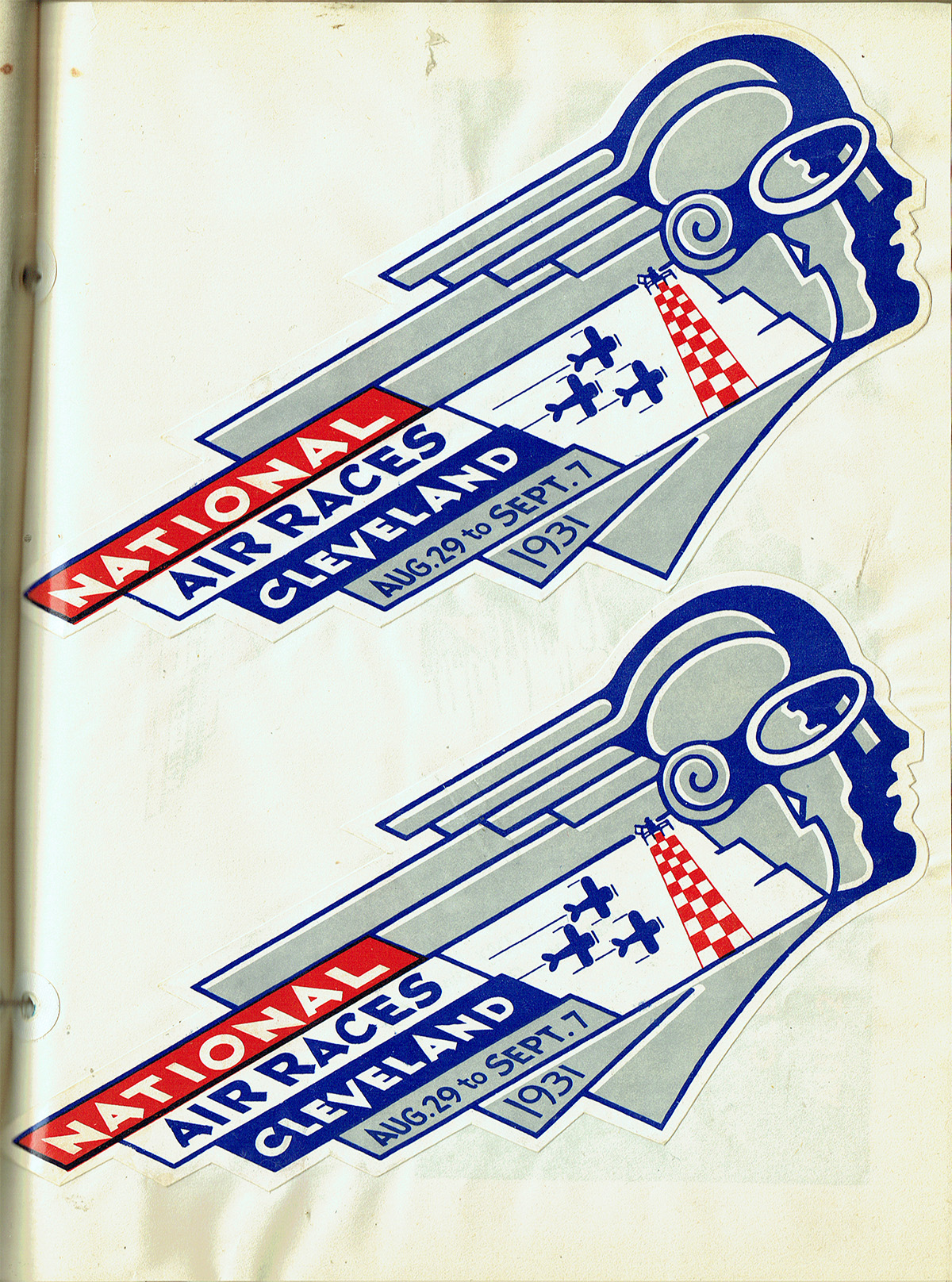
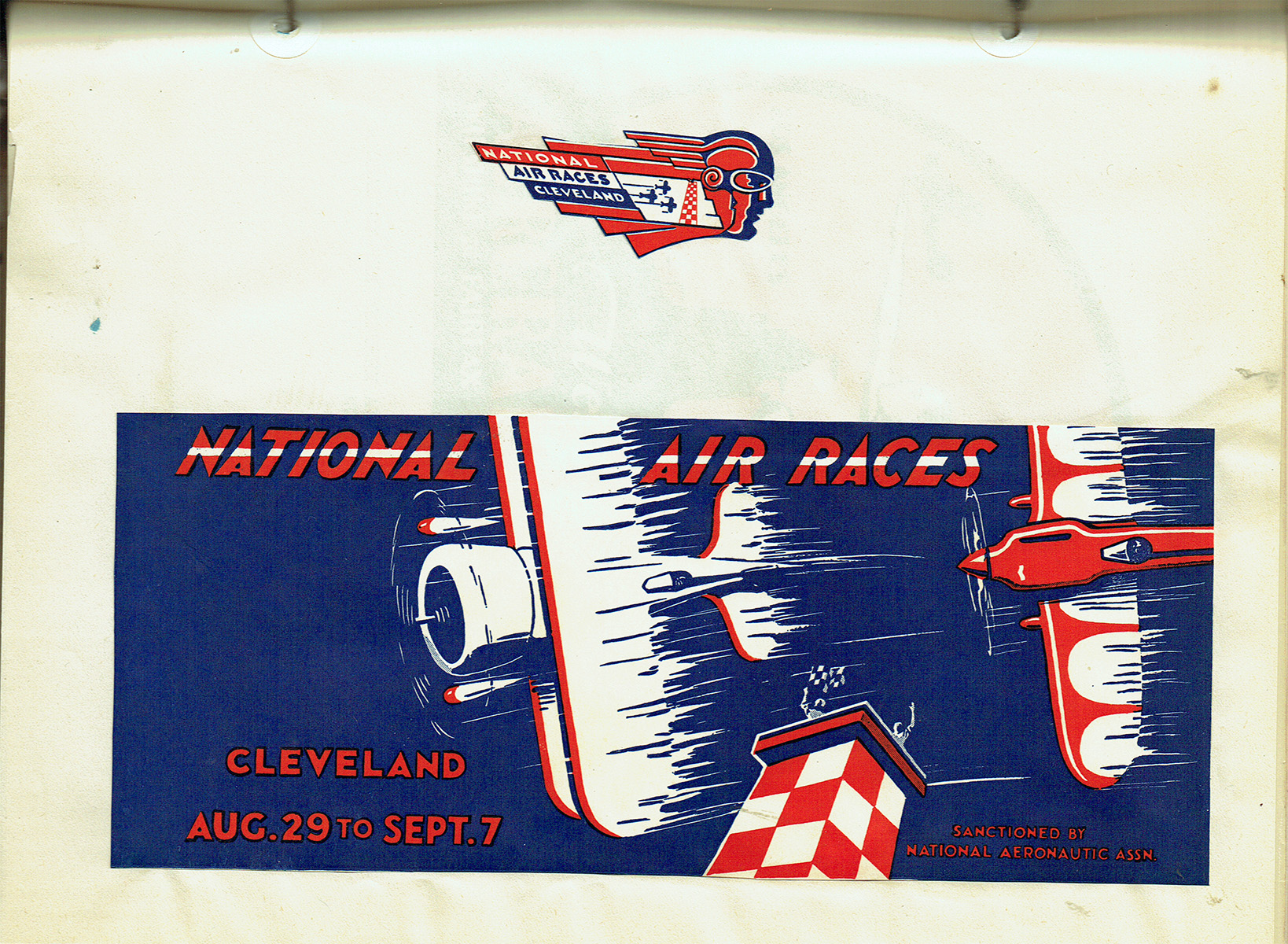
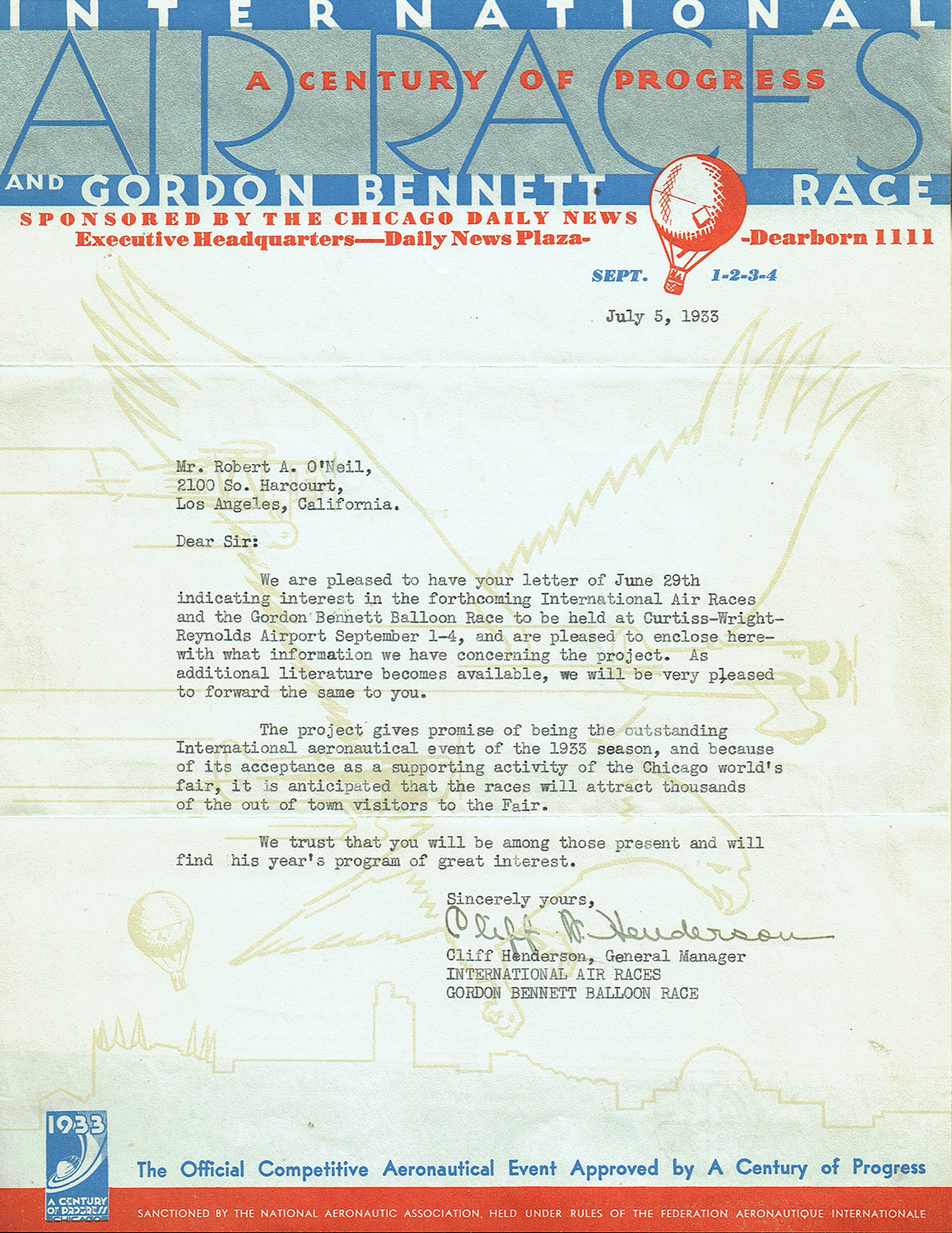
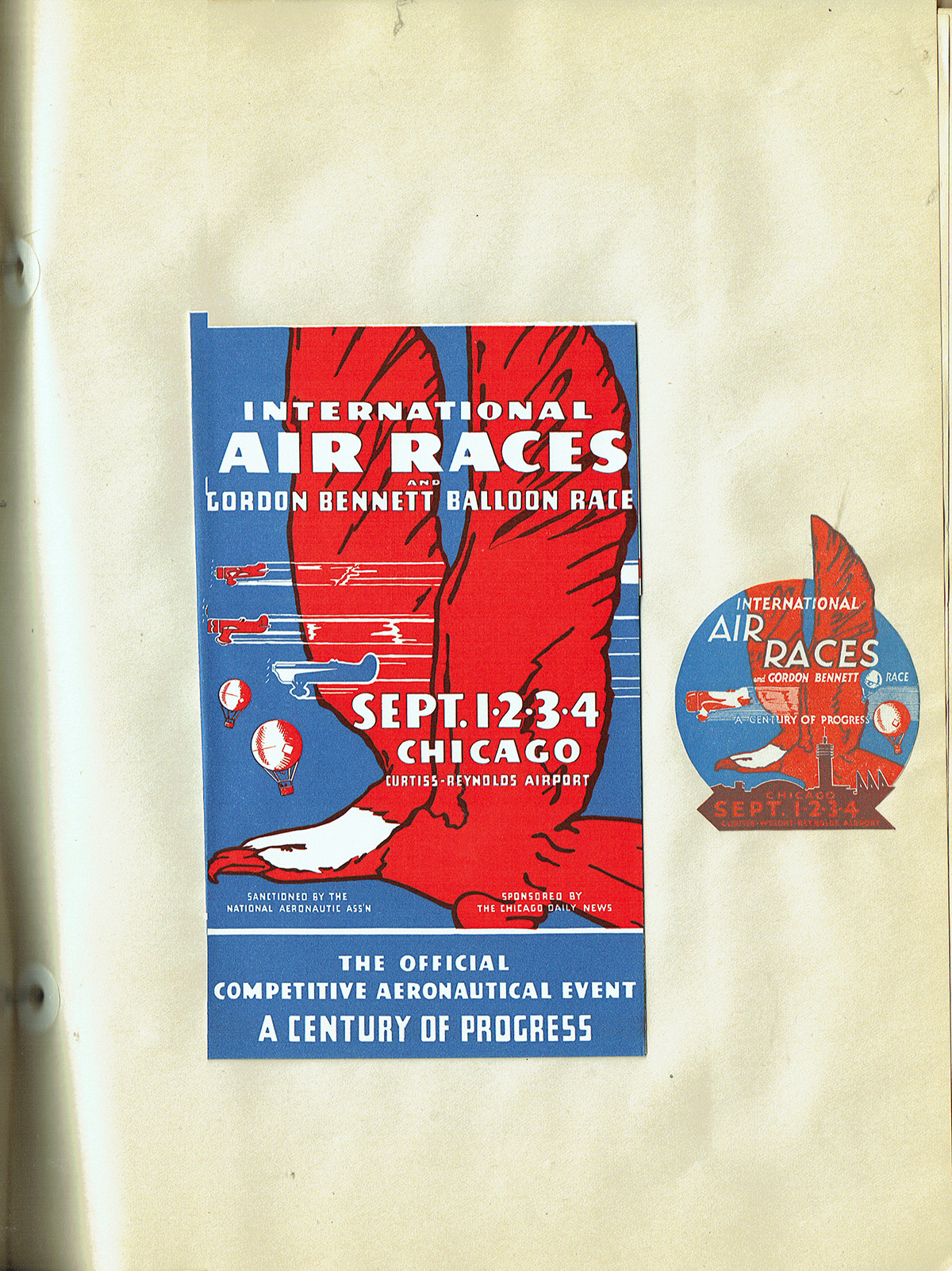
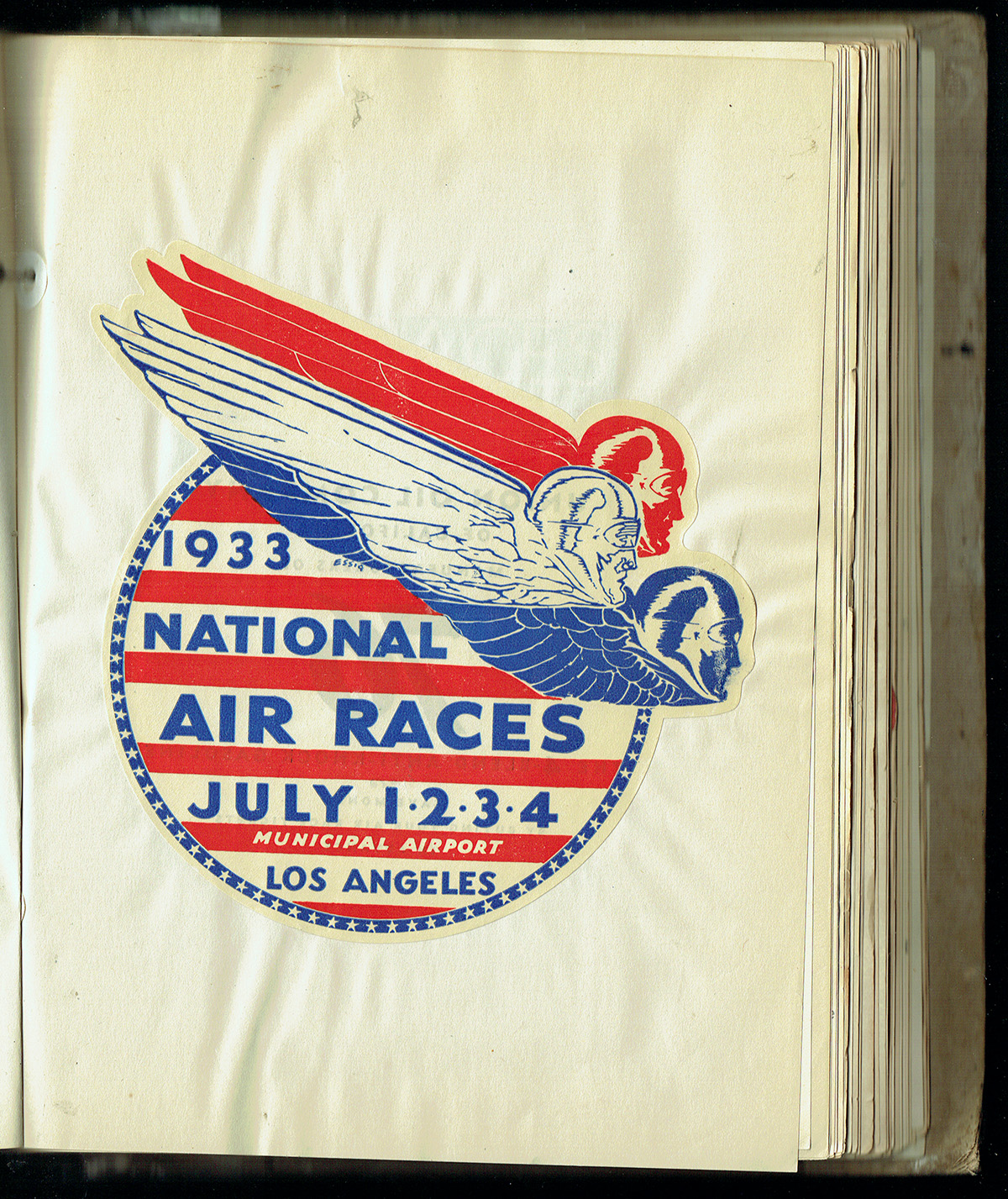
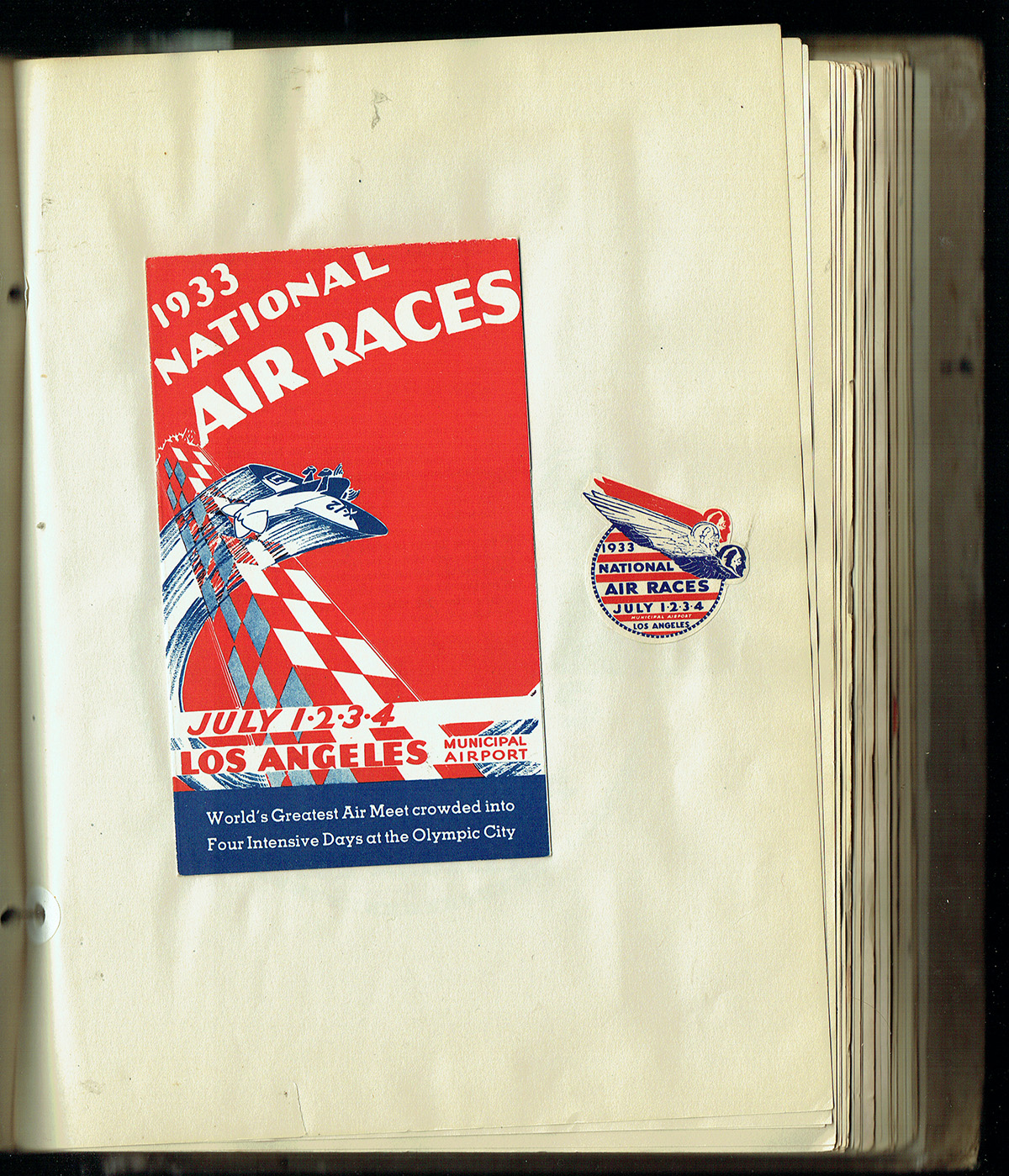
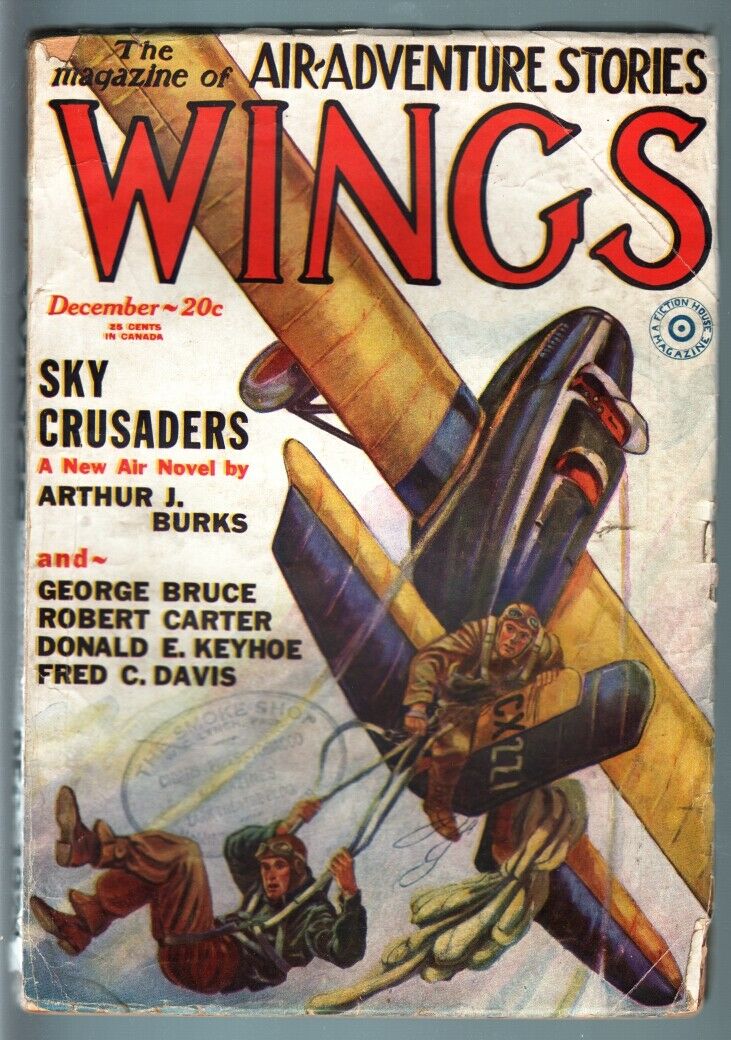 a short story by renowned pulp author Frederick C. Davis. Davis is probably best remembered for his work on Operator 5 where he penned the first 20 stories, as well as the Moon Man series for Ten Detective Aces and several other continuing series for various Popular Publications. He also wrote a number of aviation stories that appeared in Aces, Wings and Air Stories.
 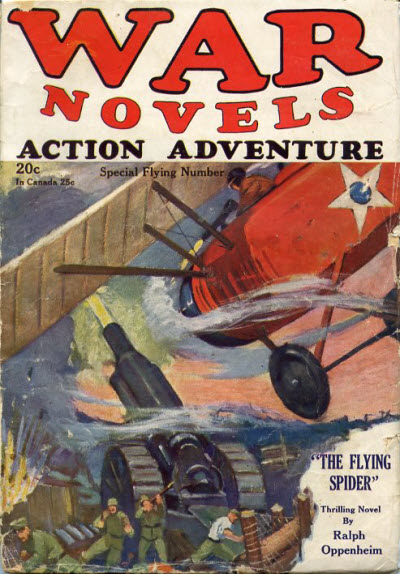 the third and final of three Ralph Oppenheim’s Three Mosquitoes stories we’re featuring this March for Mosquito Month! And this one’s a doozy! Who had not heard of that grim nickname—”The Spider”? It was the nickname of Germany’s most notorious spy—the plague and dread of the Allied powers. The whole Allied intelligence system was after this man, but they had never been able to catch him; he seemed to bear a charmed life. Kirby and his comrades had heard many rumors of his wild, hairbreadth escapades, but they had not known how truly deadly he was! And now the Three Mosquitoes found themselves caught in The Spider’s web! From the pages of the June 15th, 1929 issue of War Novels it’s Ralph Oppenheim’s “The Flying Spider!”