



“Cloud-Killer ” by O.B. Myers
THIS week we have another early story 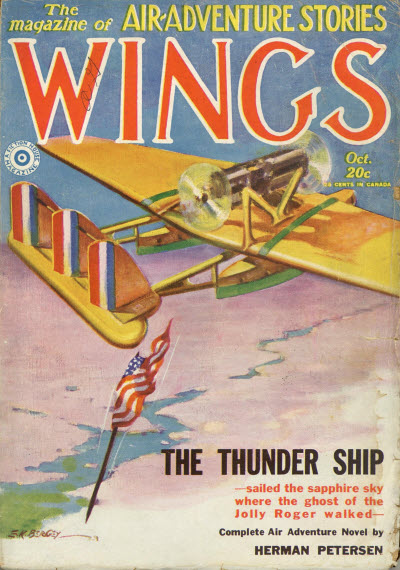 by the prolific O.B. Myers! Myers was a pilot himself, flying with the 147th Aero Squadron and carrying two credited victories and awarded the Distinguished Service Cross.
Bert had been in France for almost two years, including two months over the front with the Lafayette, but had no Huns to his credit. He didn’t want to be known as a cloud-killer, but what can you do when the situation doesn’t present itself….. From the pages of the October 1929 issue of Wings it’s O.B. Myer’s “Cloud-Killer!”
They called him a joy-rider, a cloud-killer—and a war going on! Tremaine waited to answer the slight—and a day came when his guns didn’t jam and his motor carried him through to a winged target.
- Download “Cloud-Killer” (October 1929, Wings)
As a bonus, Obie was featured in Sergeant L.E. Jaeckel’s “American Aviators in the World War” column in The Charlotte Observer (The foremost newspaper of the two Carolinas) Friday July 22nd, 1932 (Page 17). It’s retelling of the events that led to Obie being awarded the Distinguished Service Cross.
FIRST LIEUTENANT OSCAR B. MYERS.
THERE comes the time in the career 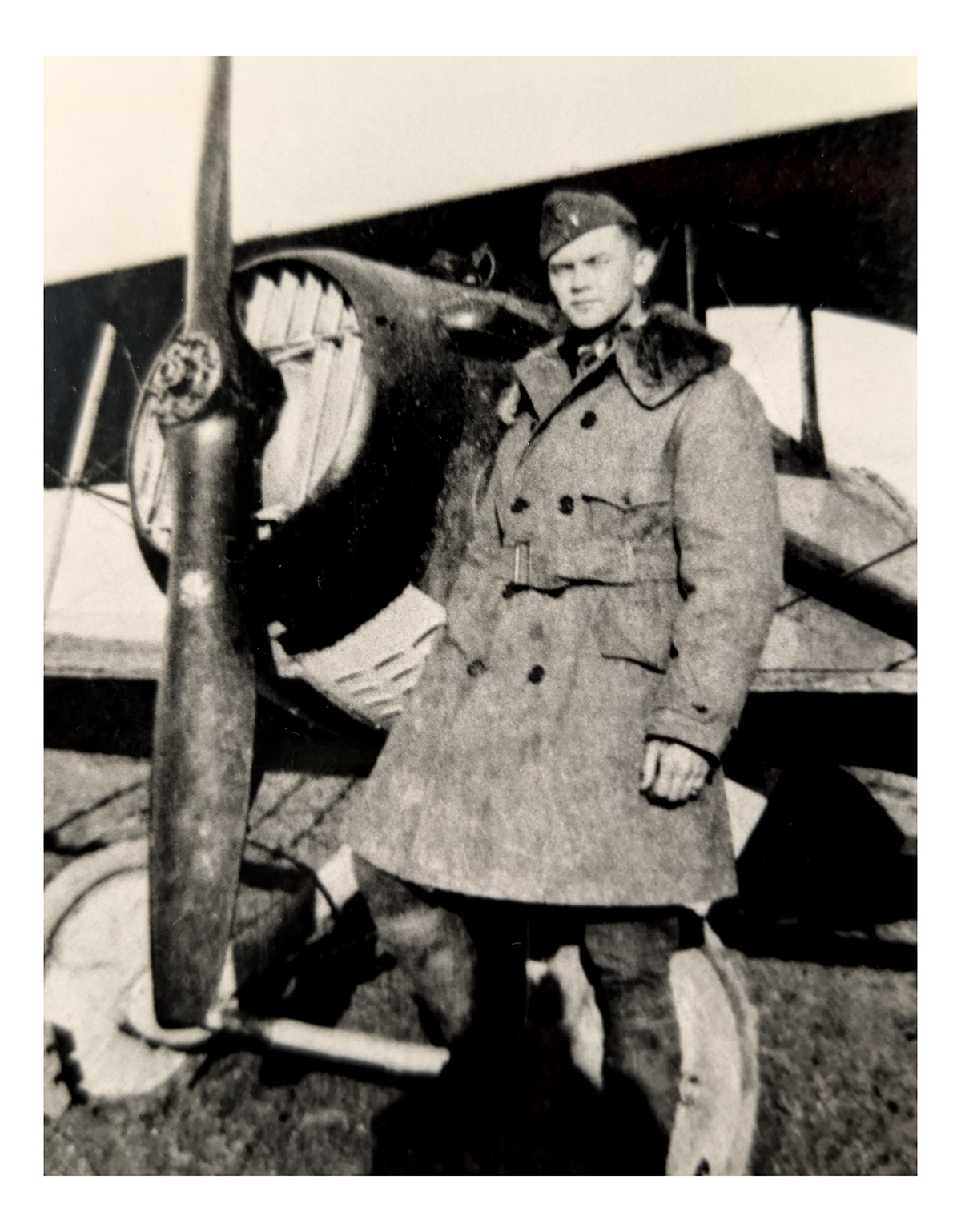 of every aviator when he wants to do something that is just a little beyond the assigned mission. Patrolling in itself should provide enough excitement for any one person. The flyer never knows when he will be called upon to give account of himself, whether on an equal footing with his enemy, or whether to engage in combat with formations many times his equal. Considering all the hazards of war time flying, irrespective of the mission, it would seem that the aviator would be satisfied with the common dangers of his profession without seeking the new.
Ground straffing is an art. Successfully performed, it has been shown what a demoralizing effect it can have upon an enemy, yet it is in all likelihood one of the most dangerous of the aerial missions. Men were trained for it specially. Now and then we find one of our flyers making what might be called a noble experiment of this business on his own. Lieutenant Oscar B. Myers of the 147th Aero Squadron was a fellow who obviously preferred to secure his taste of it by the experimental method.
Near Clerges on September 28th the routine of patrol duty evidently became monotonous for him. Several hundred meters below him there were German troops that could provide him with the action and excitement he craved. Accordingly he swooped down upon them and opened fire with his machine guns. If there has ever been any doubt about the combat qualities of ground straffing, here was irrefutable evidence of its merits. The troops, on their way to the front lines, turned and ran in all directions, throwing panic into the reserves behind them who also sought, such cover as was available.
With the retreat of the troops and the incessant fire from antiaircraft artillery showering him with fusilades becoming uncomfortably close, Lieutenant Myers gained altitude to hunt more action. The little fray in which he had just participated merely whetted his appetite for more. It was not long in coming. Some distance to the northward there appeared a formation of 10 planes, one of which he immediately recognized as an observation plane. Now if there was anything Lieutenant Myers especially wanted to bag it was an observation plane, but how to get to it. It was surrounded by nine Fokkers, all determined to protect their charge at, any cost. As if in answer to his dilemma, two American planes appeared at the moment, and Lieutenant Myers drafted them to assist him. The three machines then launched a vigorous attack upon the enemy formation, Myers not forgetting his chief object.
Throughout the hot combat he did little but fight in an effort to drive away the protection planes. He maneuvered so skillfully that it was not long until he had separated three of the machines from the formation and driven them off. His companions, meanwhile, were having it tooth and nail with the other half dozen contenders. Lieutenant Myers jumped in again noticing that the other planes always closed in on their charge as their ranks were thinned. Finally, with a last great effort, the American trio opened up the enemy flight and Lieutenant Myers grasped his opportunity. He banked above the sextette and dived straight at the observation machine. For a few brief minutes it careened madly, then hurst into flames and fell.
- Download “American Aviators in the World War” (22 July 1932, The Charlotte Observer)
And if that wasn’t enough…
For all his many published stories, 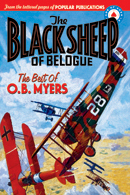 O.B. Myer’s didn’t really have any series characters. The few recurring characters he did have in the pages of Dare-Devil Aces, we’ve collected into a book we like to call “The Black Sheep of Belogue: The Best of O.B. Myers” which collects the two Dynamite Pike and his band of outlaw Aces stories and the handful of Clipper Stark vs the Mongol Ace tales. If you enjoyed this story, you’ll love these stories!
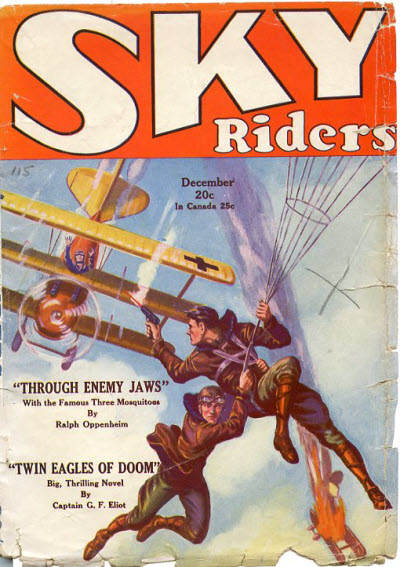 the third and final of three Ralph Oppenheim’s Three Mosquitoes stories we’re featuring this March for Mosquito Month! And this one’s a doozy! Allied intelligence had learned that the Germans had built a great seaplane, destined to turn the whole tide of the naval war. This seaplane was not only a compact fighting and raiding ship, but it could make remarkable speed and cover remarkable distance. It was even rumored that the Germans proposed to send a whole fleet of these new planes across the Atlantic, with the object of raiding the American coast!
 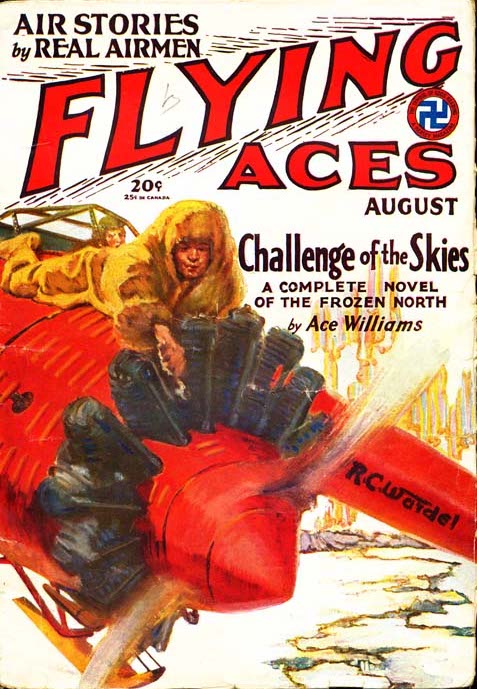 a story by J.D. Rogers, Jr. Rogers is credited with roughly fourteen tales from the pages of Flying Aces, Sky Birds and Sky Aces. “The Yellow Ace” from the August 1929 Flying Aces was his first published tale. In it James Lawrence arrives on the tarmac of the 23rd Squadron R.F.C. with his newly designed fighter plane. In the make-up of this plane was the knowledge and experience of a young man who had played and worked in his father’s aeroplane factory since age permitted. Prompted by zealous patriotic duty he had built this super fighter for his country, a country which the warring nations had far surpassed in the art of building aircraft. Refused a fair demonstration of his plane by a very inexperienced air board, the youth, with his flame of patriotism quenched, turned from his own country to England whose air board was frantic for a plane fast enough and maneuverable enough to successfully combat the German demons who had held the air supremacy through the war.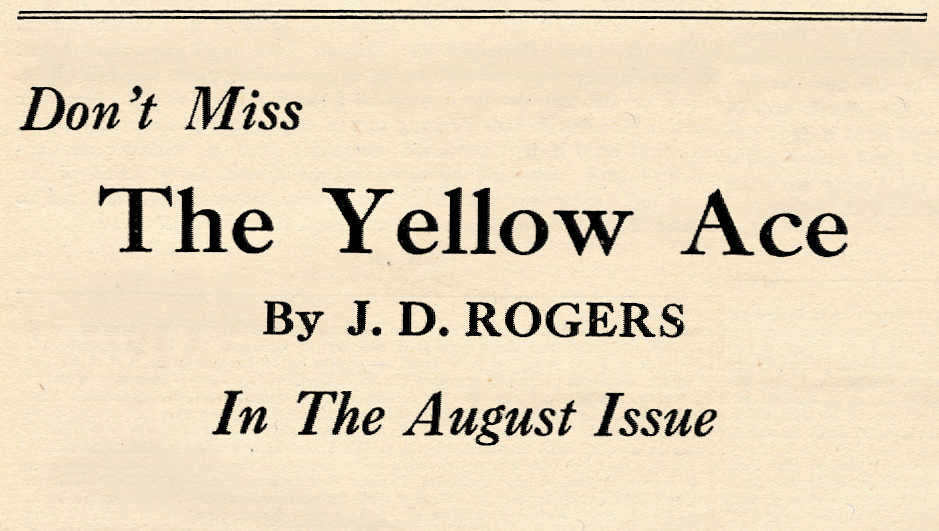
 another story by Alfred Hall Stark. Stark wrote a dozen or so stories for the pulps, frequently dealing with aviation, in the late twenties and early thirties before building a reputation for writing well-researched, fact-based articles for The Reader’s Digest, Popular Science, Saturday Evening Post and others.
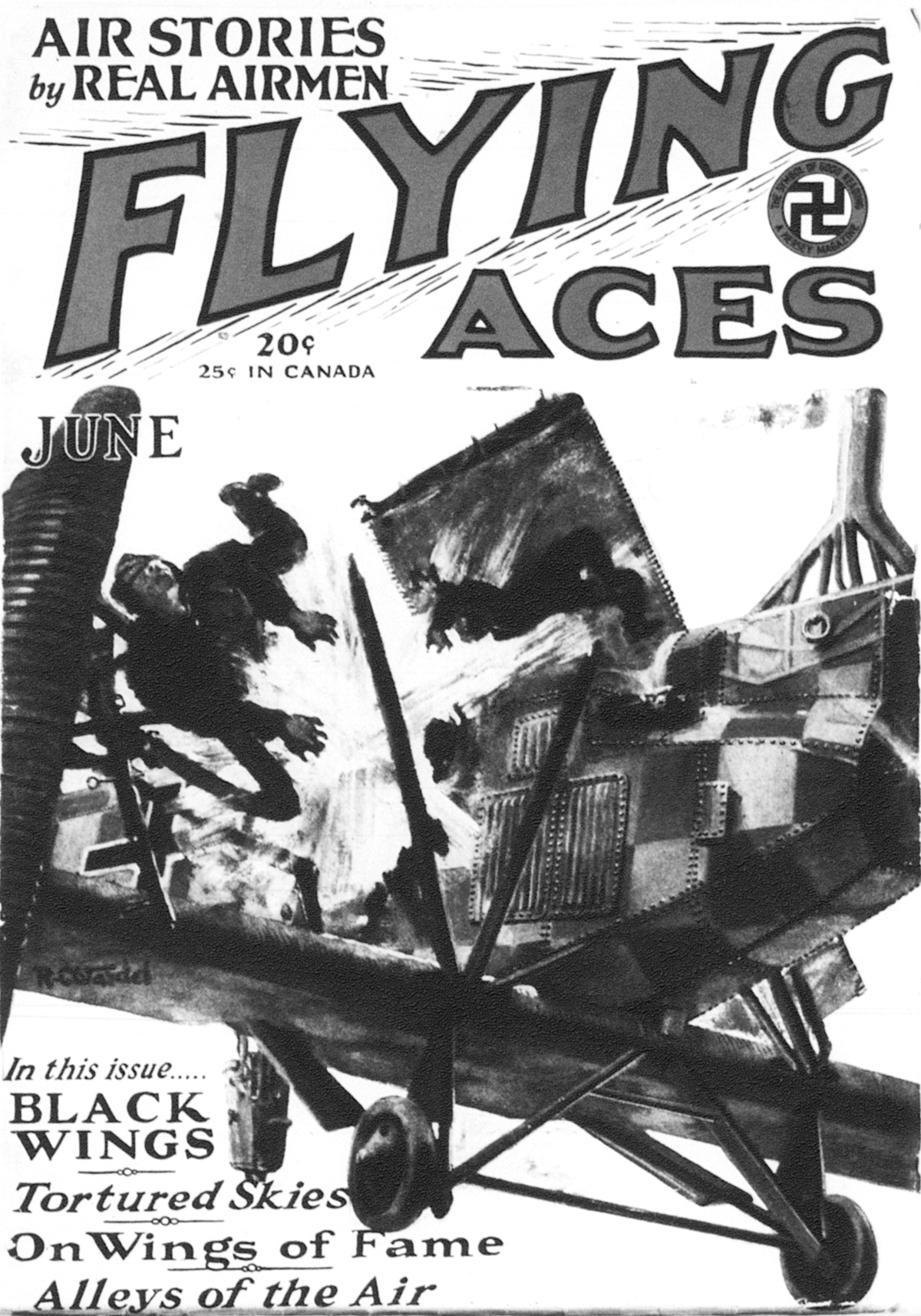 a story by Alfred Hall Stark. Stark wrote a dozen or so stories for the pulps, frequently dealing with aviation, in the late twenties and early thirties. Stark was a pseudonym for Afred Halle Sinks. Sinks was a native of Ohio, who won his reportorial spurs in New York before heading to Porto Rico to work on the Porto Rico Progress published in San Juan. When sinks returned to the US, he was a staff writer for Popular Science and The Reader’s Digest building a reputation for writing well-researched, fact-based articles for those publications as well as others and newspapers.
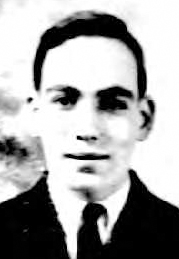 In a brief biographical paragraph from an article in 1963, Alfred Halle Sinks was said to be living in Philadelphia and responsible for the public information program that launched Bucks County’s open space conservation program. By that time he had been editor of the Bucks County Traveler, as well as a staff writer for Popular Science and Reader’s Digest, and had contributed articles to the Saturday Evening Post, Collier’s, Ladies Home Journal, and other leading national magazines.
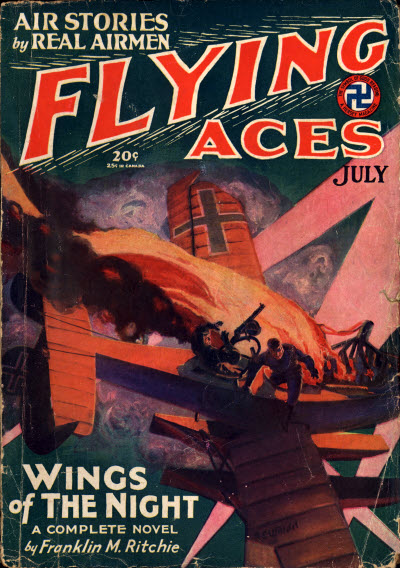
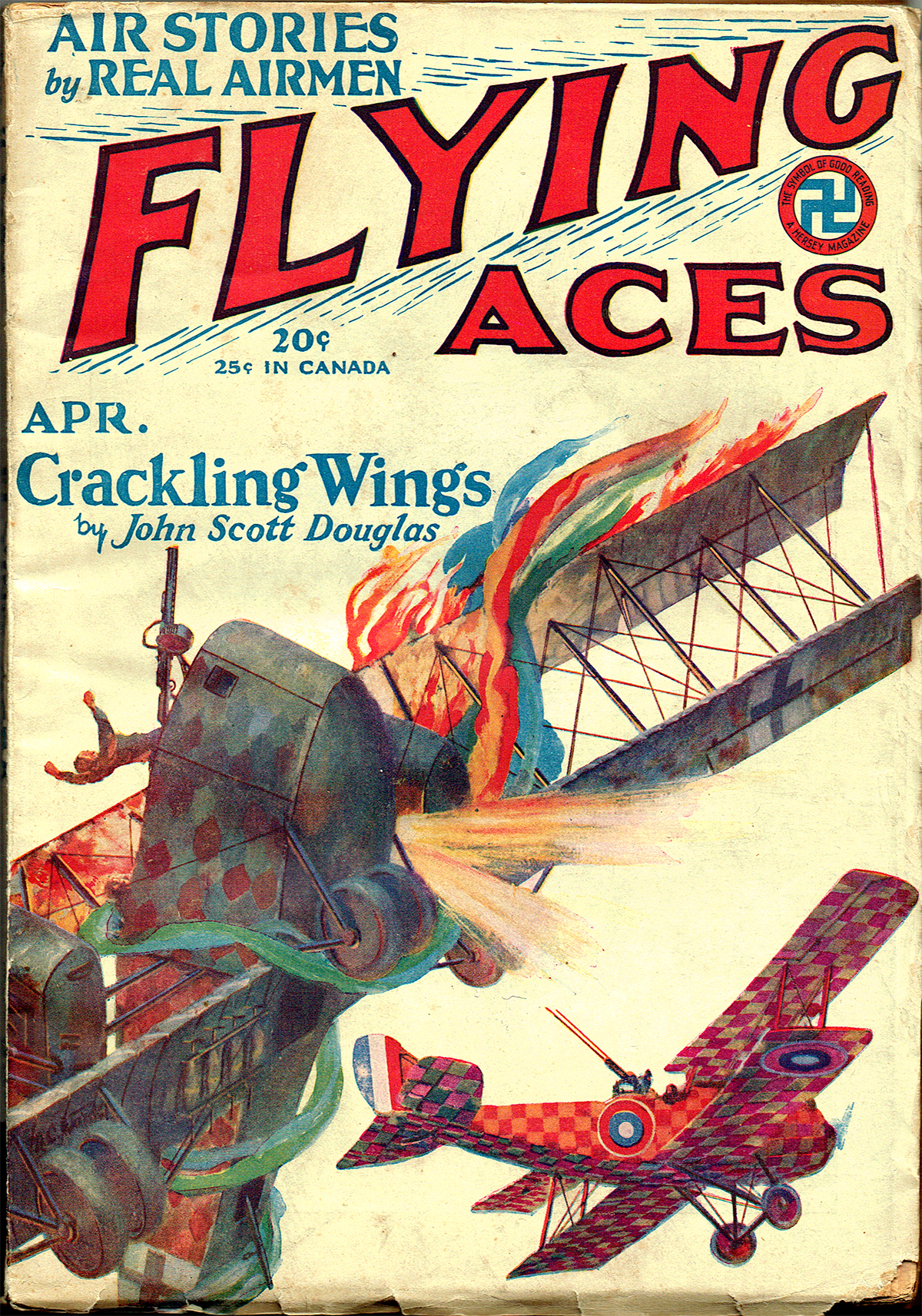 a story by Franklin M. Ritchie. Ritchie only wrote aviation yarns and his entire output—roughly three dozen stories—was between 1927 and 1930, but Ritchie was not your typical pulp author—he was a lawyer who wrote pulp stories on the side to satisfy his yen for flying.
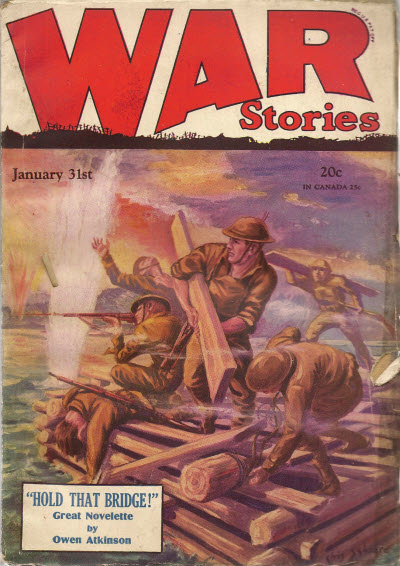 by the prolific O.B. Myers! Myers was a pilot himself, flying with the 147th Aero Squadron and carrying two credited victories and awarded the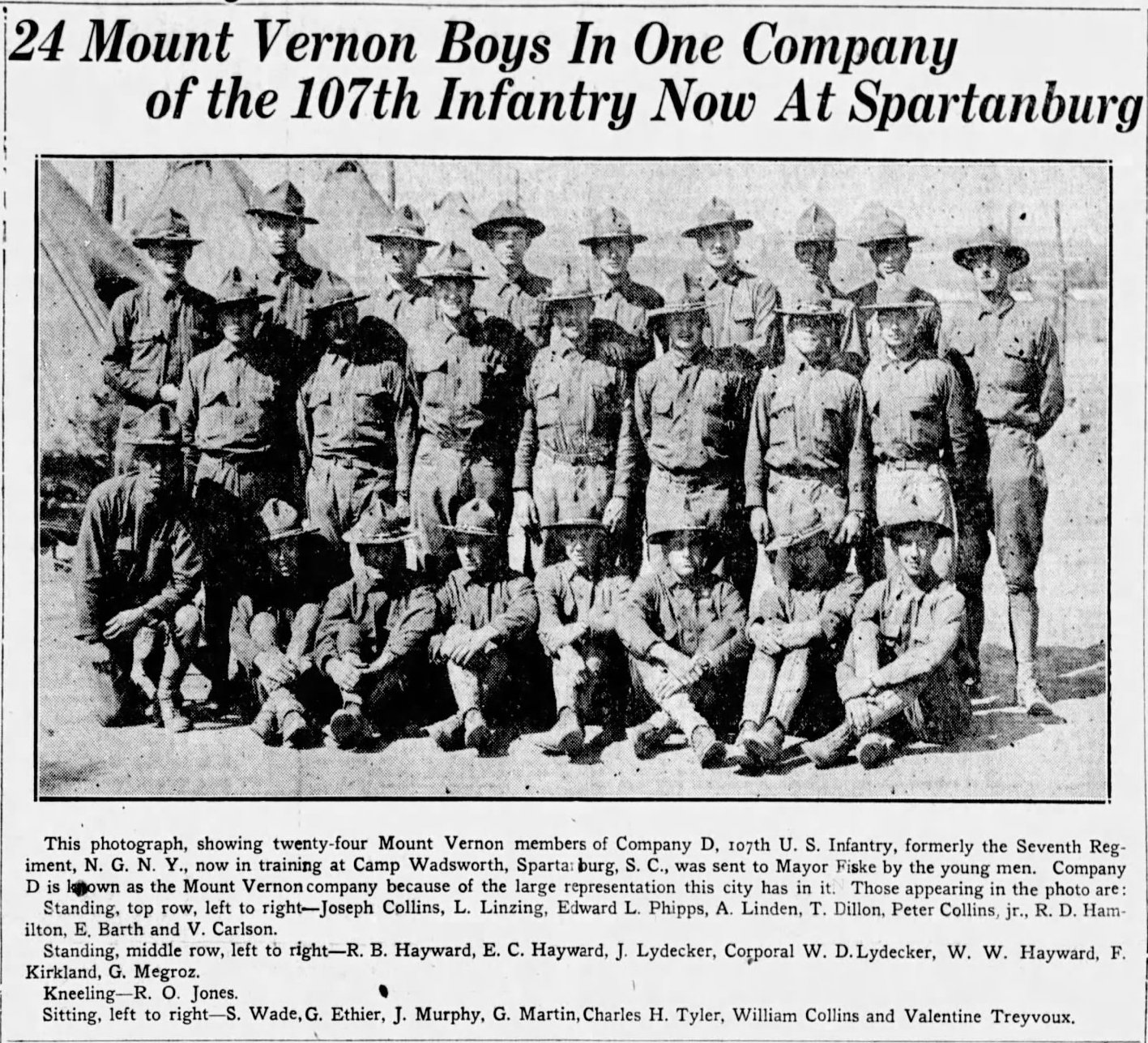
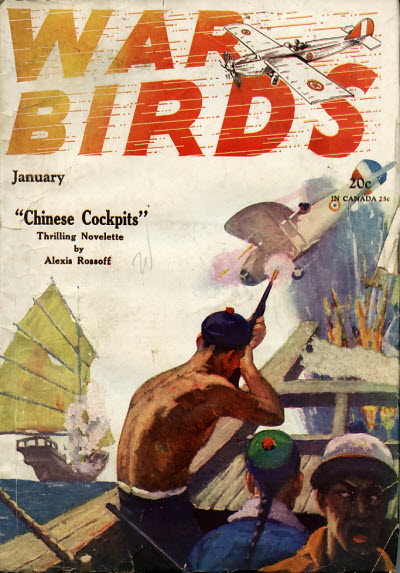 by the prolific O.B. Myer’s! Myers was a pilot himself, flying with the 147th Aero Squadron and carrying two credited victories and awarded the
 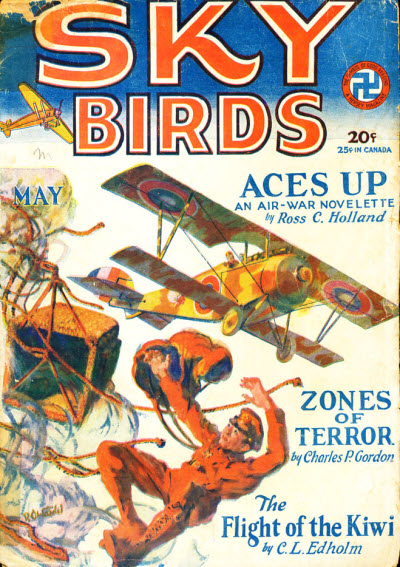 another story by Franklin M. Ritchie. Ritchie only wrote aviation yarns and his entire output—roughly three dozen stories—was between 1927 and 1930. Today we have another one from the lawyer who wrote pulp stories on the side to satisfy his yen for flying. From the May 1929 issue of Sky Birds, Ritchie gives us a tale of Lieutenant Hank Durant.
 exciting air adventure with Rusty Wade from the pen of Frank Richardson Pierce. Pierce is probably best remembered for his prolific career in the Western Pulps. Writing under his own name as well as two pen names—Erle Stanly Pierce and Seth Ranger. Pierce’s career spanned fifty years and produced over 1,500 short stories, with over a thousand of these appearing in the pages of Argosy and the Saturday Evening Post.
 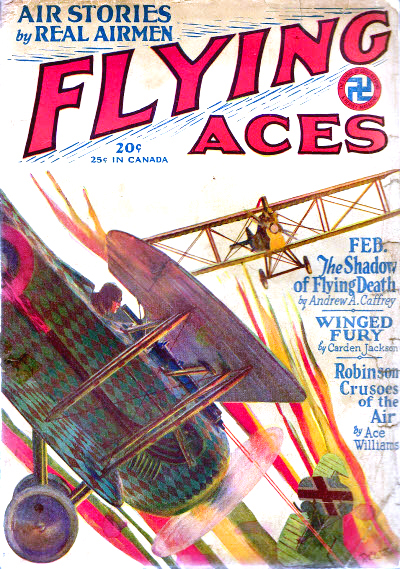 another story by Franklin M. Ritchie. Ritchie only wrote aviation yarns and his entire output—roughly three dozen stories—was between 1927 and 1930. Today we have another one from the lawyer who wrote pulp stories on the side to satisfy his yen for flying. From an early issue of Flying Aces, Ritchie gives us a tale of bomber Jim Barker who longed to show everyone that even a bombing pilot can get Germany’s most ruthless Ace, by any means necessary! From the February 1929 issue of Flying Aces, it’s Franklin M. Ritchie’s “Say It With Bombs!”
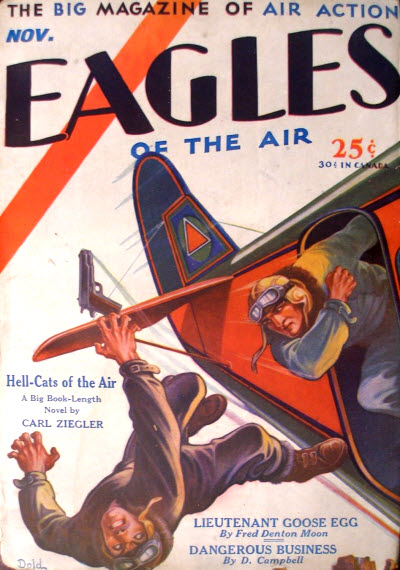 of three stories featuring D. Campbell’s The Three Wasps—stories plagiarized right from The Three Mosquitoes! So instead of the young impetuous leader Kirby of the Mosquitoes, we have the young and impetuous Gary heading up the Wasps. Similarly, Campbell changed “Shorty” Carn to “Shorty” Keen complete with briar pipe and eldest and wisest Travis to Cooper. This time we have their first of five appearances in Harold Hersey’s Eagles of the Air, a short lived pulp that didn’t even run a year. From October 1929 to August 1930, Eagles of the Air had nine issues; The Wasps ran in five of them.
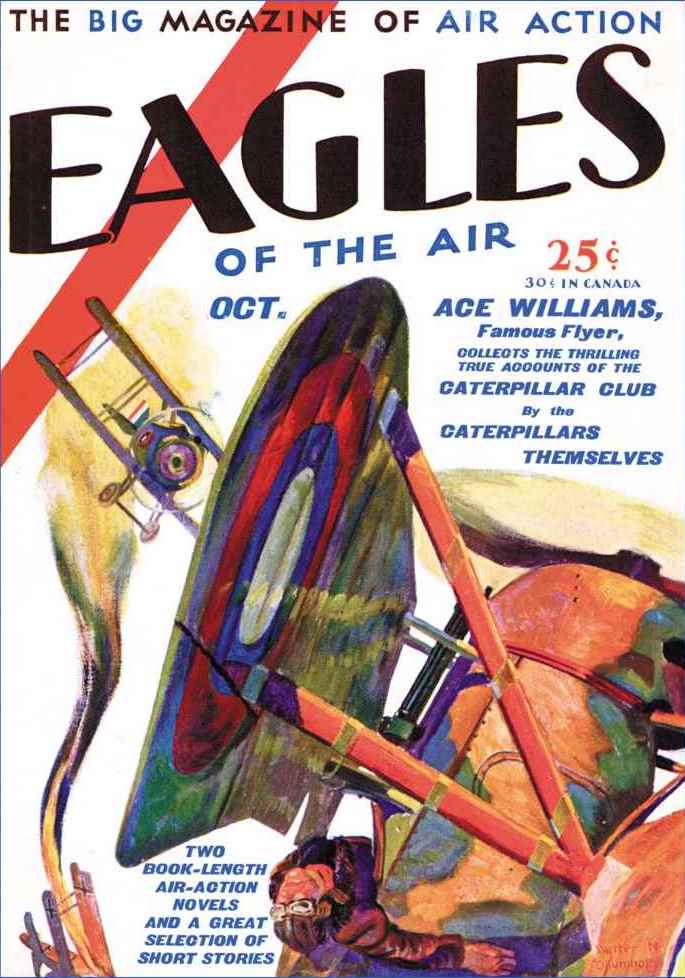 of three stories featuring D. Campbell’s The Three Wasps—stories plagiarized right from The Three Mosquitoes! So instead of the young impetuous leader Kirby of the Mosquitoes, we have the young and impetuous Gary heading up the Wasps. Similarly, Campbell changed “Shorty” Carn to “Shorty” Keen complete with briar pipe and eldest and wisest Travis to Cooper. This time we have their first of five appearances in Harold Hersey’s Eagles of the Air, a short lived pulp that didn’t even run a year. From October 1929 to August 1930, Eagles of the Air had nine issues; The Wasps ran in five of them.

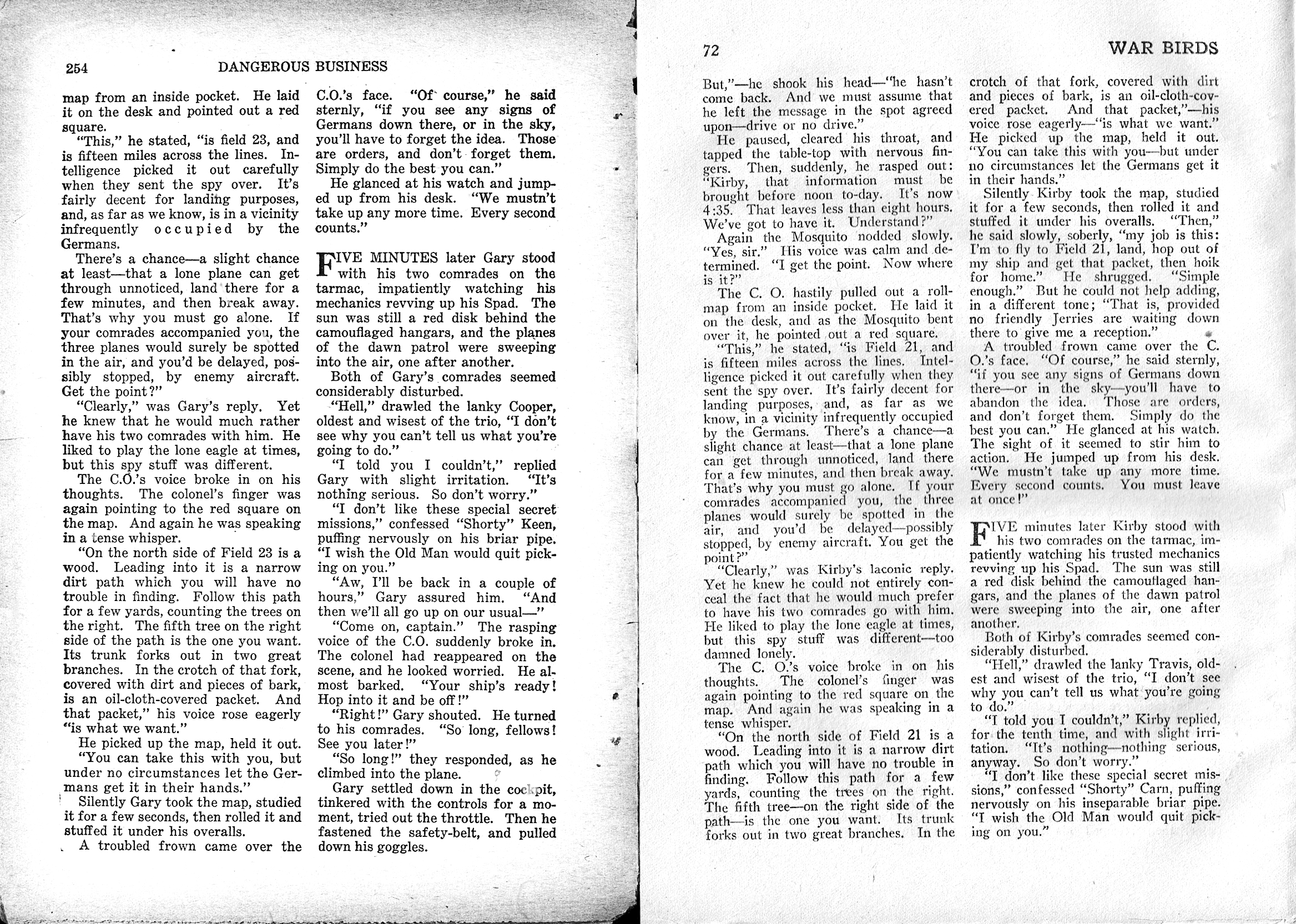


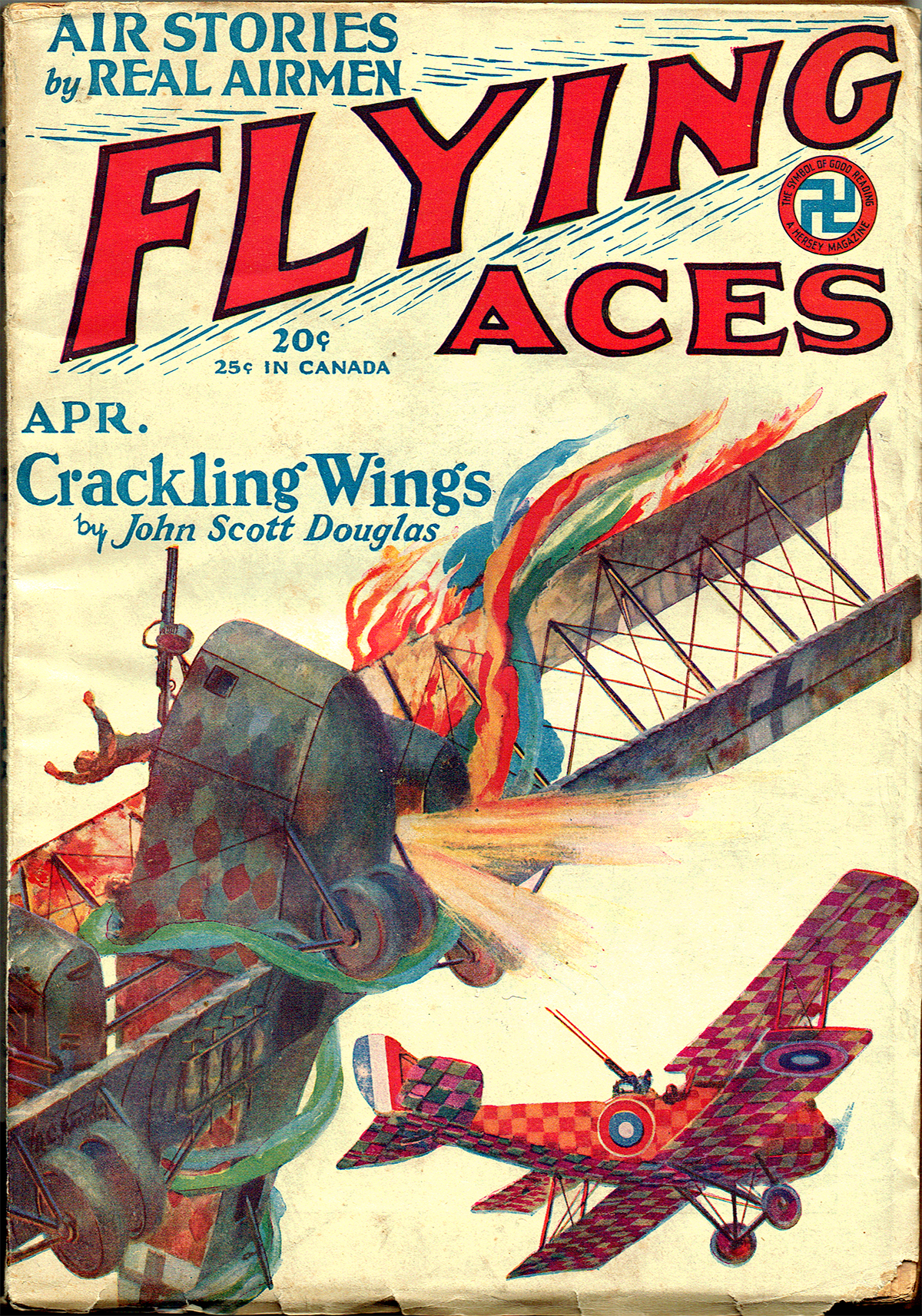 to the squadron and he can’t stand pilots who “grand-stand” which is the Mosquitoes stock-in-trade and boy do they catch hell when they get on the C.O.’s wrong side—that is until the C.O. gets in a jam and it’s trick flying that’ll save him when the Boche attack!