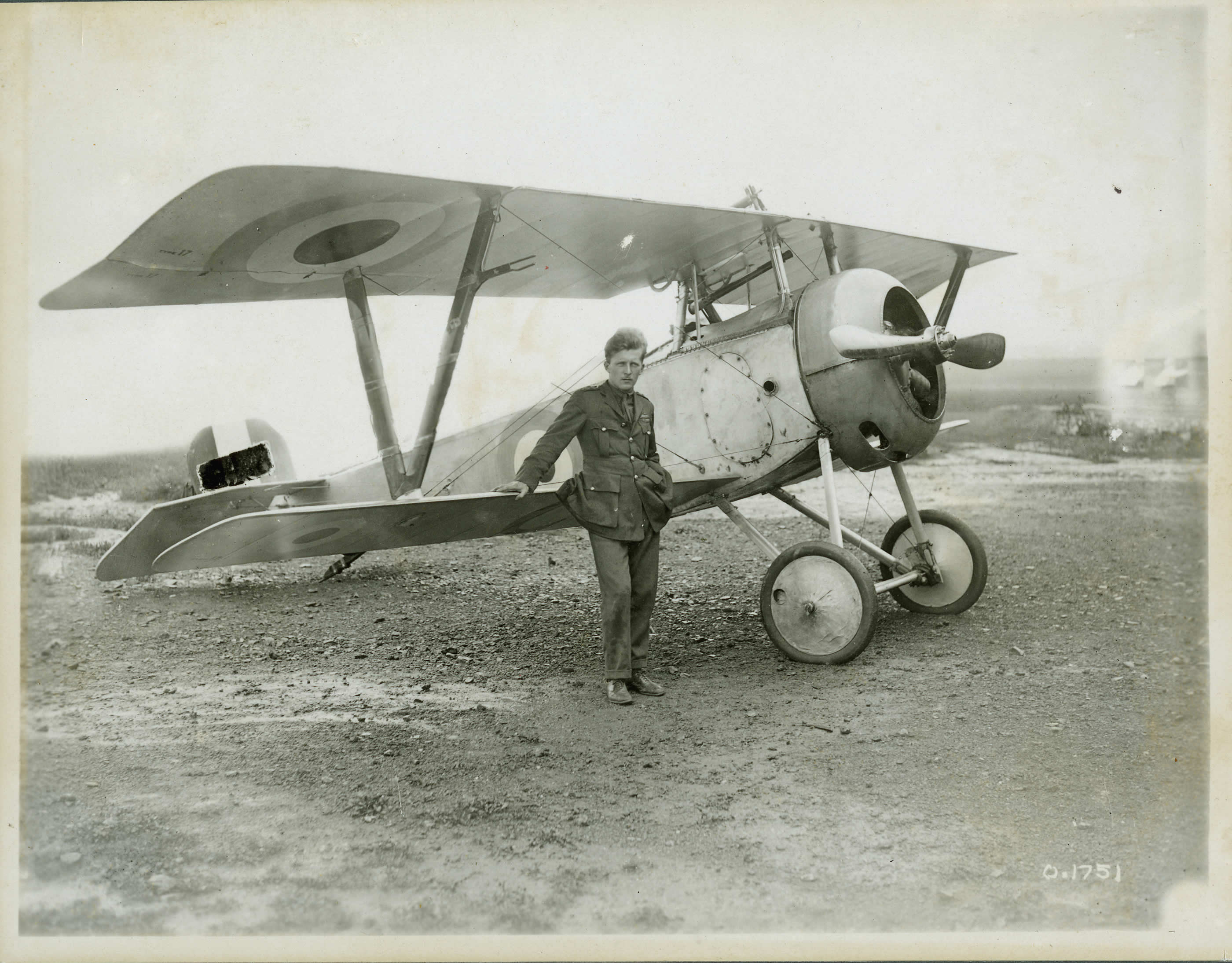




Oppenheim’s Detectives: Daniel Craig, The Bystander
AN OVERWHELMING majority of Oppenheim’s pulp output were aviation stories, many featuring our intrepid trio, The Three Mosquitoes. In 1933, when the Mosquitoes were winding down their adventures in Popular Publications aviation magazines, Oppenheim tried his hand at a new genre that was very popular at the time—detective fiction. Over the next fourteen years oppenheim would produce eighteen detective stories for the some of the leading magazines in the field—Dime Detective and Dime Mystery Magazines, Popular Detective, Thrilling Detective, Thrilling Mystery, Black Book Detective, Detective Fiction Weekly, Strange Detective Mysteries and Phantom Detective—as well as even ghost writing a Phantom Detective story (”Murder Calls the Phantom” March 1941).
Finally we have Daniel Craig, known as the Bystander. . .
He could see himself, young Daniel Craig, then a humble clerk, walking proudly to the marriage-license bureau with the lovely girl who had consented to be his bride. They had been strolling past a bank when the hold-up gang had barged out with their loot, guns blazing a thoughtless swathe. Craig and his fiancee had been what the newspapers called “innocent bystanders.” Craig had only been wounded, but the slug that hit the girl had ripped the life from her; she had died in Craig’s arms.
Daniel Craig had left all vestige of humble, happy youth in the hospital; he’d come out like tempered steel. In a month he’d hunted down that bank-gang, and killed the man whose thoughtless slugs had slain his fiancee. After that, giving up clerking, Craig had opened this office—into which he now strode—as a private detective. But rarely did a case come whose storm-signals he had not seen beforehand; for as the Bystander, no longer an innocent one, he roamed the streets looking for crime.
Oppenheim’s Bystander appeared in three issues of Dime Mystery Magazine often confronted with weird menaces.
Beauty Treatments for Corpses
July 1940
In his first appearance, 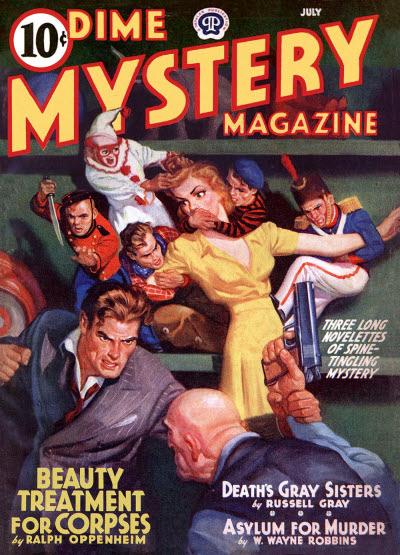 the Bystander’s eye is caught by a girl reminiscent of one from his past that leads him to a rotting corpse that had been very much alive moments before. The girl’s own sister tries to hire Craig to investigate why her own body seems to be rotting away until her husband phones and tells her not to. That’s like waving a bone in front of a dog and Craig can’t help but investigate this bizarre series of deaths! From the July 1940 issue of Dime Mystery Magazine it’s Ralph Oppenheim’s Bystander in “Beauty Treatments for Corpses!”
(P.S.—This story contains what must be one of the longest scene of a villain boasting about the details of his fiendish plan ever. I get the feeling Oppenheim had more story than he had room to tell it in and had to resort to the exposition to flesh out the story so to speak. No pun intended.)
On four slabs in the morgue lay the girls who had fallen victim to the mad master of rotting flesh. But to Daniel Craig they marked only the beginning of a murder plague which was to bring him within the very jaws of hell!
- Download “Beauty Treatments for Corpses” (July 1940, Dime Mystery Magazine)
The Bystander—self-sworn enemy of crime since the day his bride became the innocent victim of gunmen’s lead—appeared in two more bizarre tales of weird crime resulting in hideous corpses in the pages of Dime Mystery Magazine:
Thieves Without Faces
September 1940
When the Bystander started out to 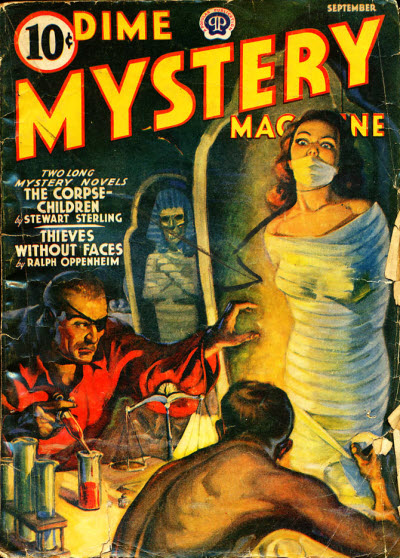 clear lovely Anne Ferris of a shop-lifting charge, he could not guess what was waiting for him. In all his long years of fighting crime, the Bystander had never seen anything like those vastly, distorted corpses—or that he was putting himself into the power of a monstrous murder syndicate whose victims died with the flesh decaying on their bodies! The Bystander found himself trapped and helpless—while they prepared for their last, most fiendish act of all!
Death Stalks in Purple
February 1941
At first the Bystander refused 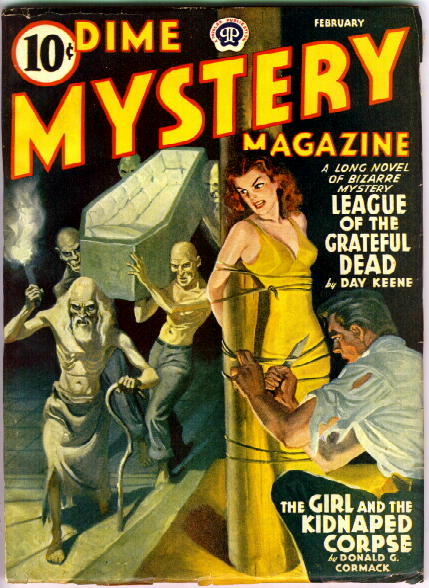 to help the police find the maker of those hideous, purple corpses. But then people began taking pot shots at him from dark corners, and he realized that Ahmed Bey and company had no real interest in his further health. And the Bystander was never the man to turn down a dare—especially from Death! For the death-loaded touch of an invisible finger was turning lovely young girls into rigid corpses—hideously purple!
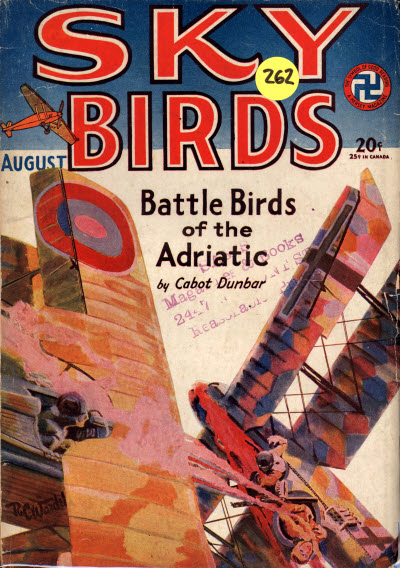 a story from the prolific pen of Eustace L. Adams. Born in 1891, Adams was an editor and author who served in the American Ambulance Service and the US Naval Service during The Great War. His aviation themed stories started appearing in 1928 in the various war and aviation pulps—Air Trails, Flying Aces, War Stories, Wings, War Birds, Sky Birds, Under Fire, Air Stories and Argosy. He is probably best remembered for the dozen or so airplane boys adventure books he wrote for the Andy Lane series.


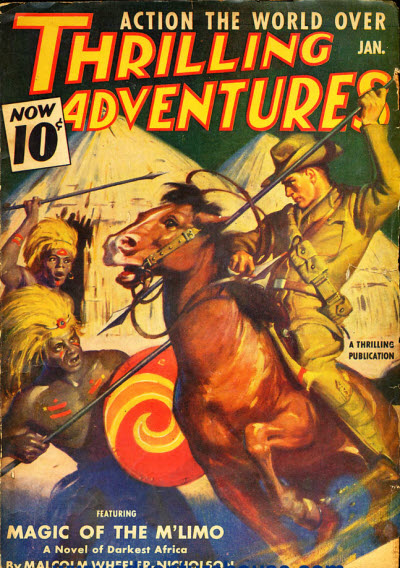 Canada’s very own
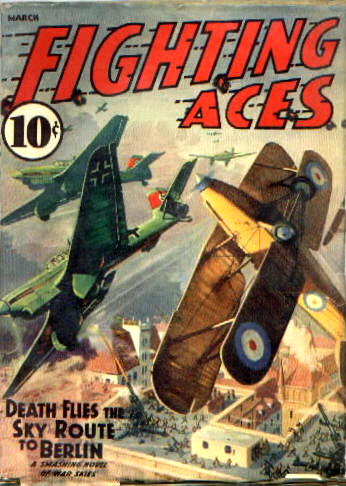 flew through the Hell Skies of 29 adventures in the pages of Dare-Devil Aces from 1932-1935. Cruickshank returned to the savior of the Western Front in six subsequent stories several years later. The first two were in the pages of Sky Devils (June 1939) and Fighting Aces (March 1940). The other four ran in Sky Fighters (1943-1946); and like Oppenheim had done with his Three Mosquitoes, so Cruickshank did with Sky Devil—he moved him to the Second World War where Bill Dawe changes his name to get into the air service and flys along side his son!
 of Sky Devil and his Brood by Harold F. Cruickshank, check out our new volume of his collected adventures in
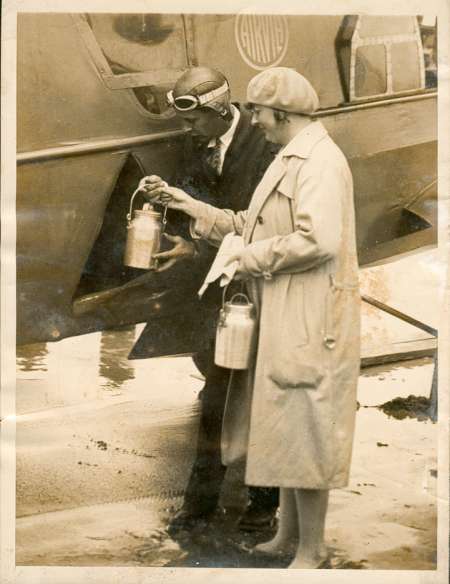 We have arrived at the final installment of Alden McWilliam’s illustrated biographies he did for Flying Aces Magazine—They Had What It Takes. For this last article he features world famous navigator
 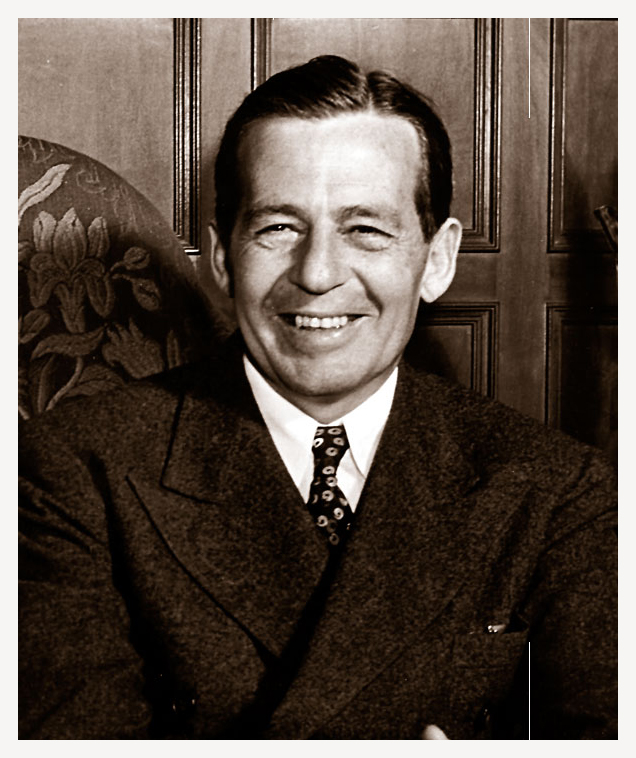 Alden McWilliam’s illustrated biographies he did for Flying Aces Magazine. And this time around we have that giant of American Aviation—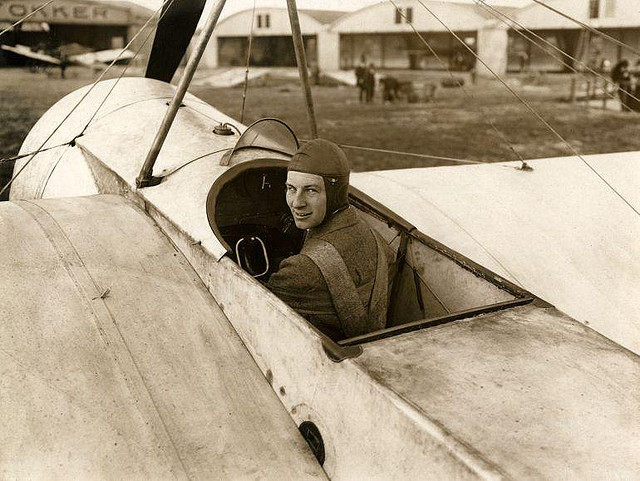
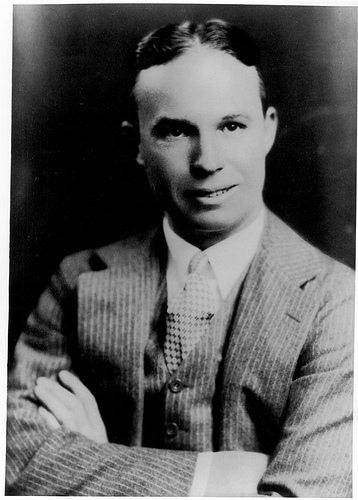 Alden McWilliams continues his look at the great airplane designers in his “They Had What It Takes” feature from Flying Aces. It’s March 1940, and this time we have
 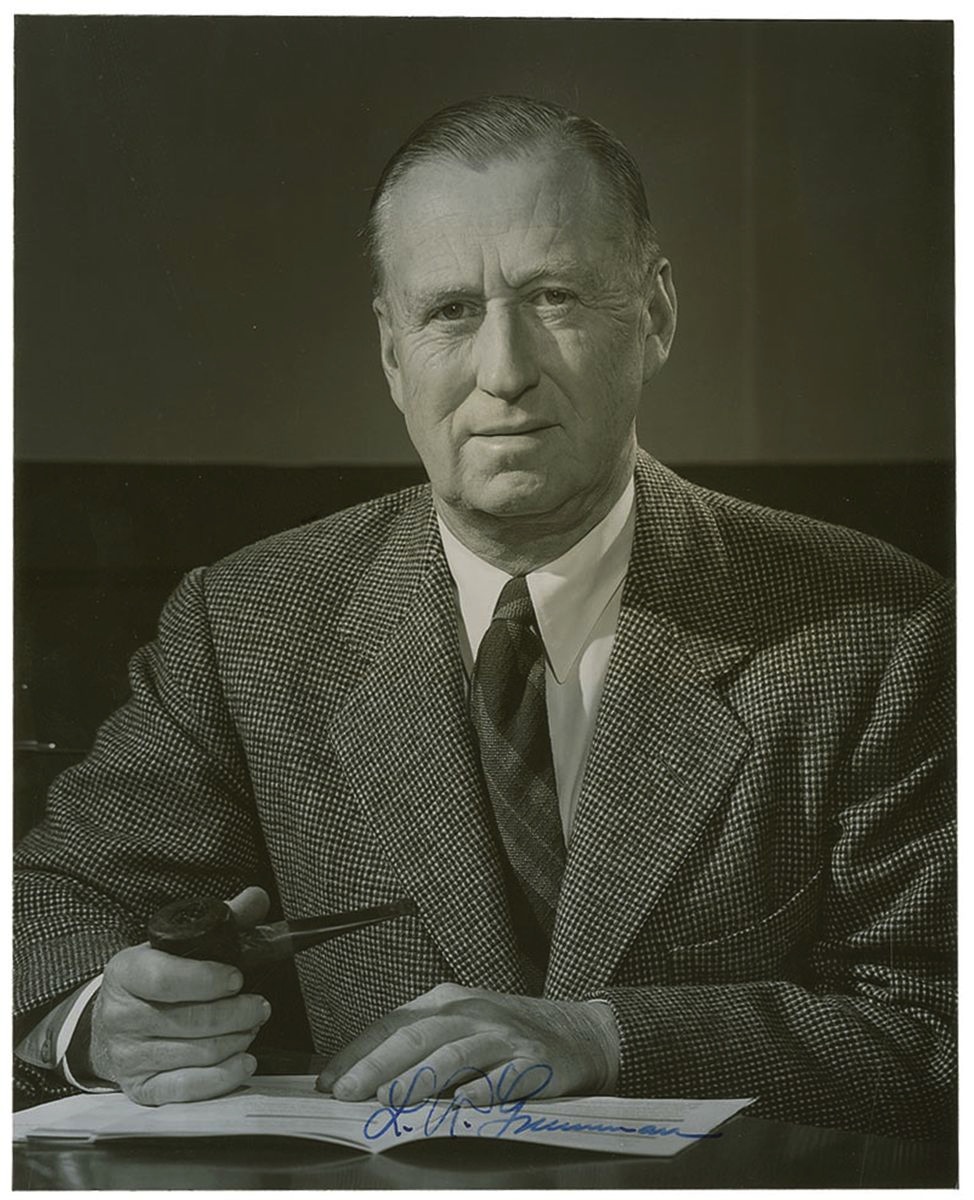 Alden McWilliam’s “They Had What It Takes,” McWilliams turns his pen to those who designed the planes. First up, from the February 1940 issue of Flying Aces we have