



“Lives of the Aces in Pictures – Part 42: Capt. Armand Pinsard” by Eugene Frandzen
Starting in the May 1932 issue of Flying Aces and running almost 4 years, Eugene Frandzen’s “Lives of the Aces in Pictures” was a staple of the magazine. Each month Frandzen would feature a different Ace that rose to fame during the Great War. This time around we have one of the great Aces from Les Cigognes—Capt. Armand Pinsard!
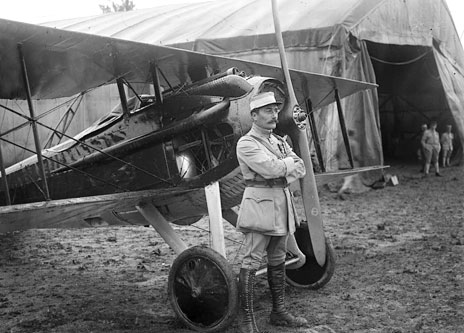
Armand Pinsard was already a decorated hero by the time war began in 1914—his army service, which took him to Africa, began in 1906. Pinsard was one of relatively few servicemen who made the transfer to the French Air Service prior to 1914—in his case he took to the skies in 1912 and was serving with unit MS23 in August 1914.
Pinsard was France’s eighth highest-scoring air Ace of the First World War, scoring 27 confirmed victories in total—nine of these were enemy observation balloons. He was the recipient of the Legion d’Honneur (Chevalier and Officier) in 1916 and 1917 respectively as well as Croix de Guerre with 19 palms, Medaille militaire, British Military Cross, Italian Military Medal, and the Moroccan Medal.
Pinsard was taken prisoner in early February 1915 after his aircraft was forced to land behind enemy lines. He launched a series of escape attempts in an effort to cross the Allied line and return home. Undeterred after several failed attempts, Pinsard finally escaped with a fellow prisoner by digging a tunnel underneath a 12-foot prison wall after a year of imprisonment.
Finally reaching Allied lines Pinsard was given a promotion to Lieutenant and underwent pilot re-training in order to be able to fly the current breed of fighter aircraft. He was then assigned to France’s foremost fighter squadron, Les Cigognes, and later N78 and Spa73.
Pinsard went on to serve with distinction during the Second World War, losing a leg during air combat in 1940.
He died during a dinner in Paris that he was attending that was sponsored by a group of flying veterans. He was 65.
- Download “Lives of the Aces in Pictures – Part 42: Capt. Armand Pinsard” (December 1935, Flying Aces)
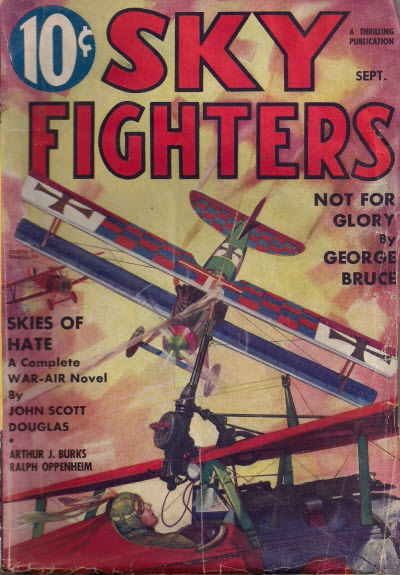
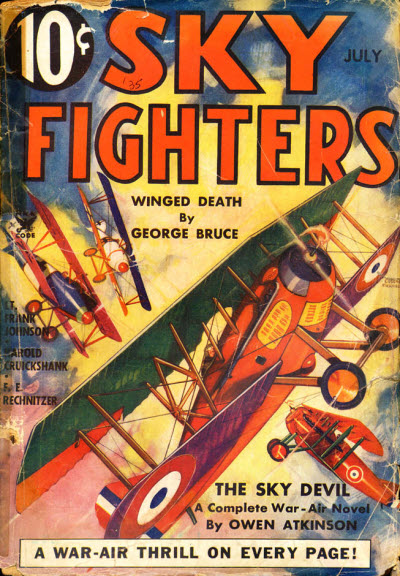 a story from the pen of a prolific pulp author—F.E. Rechnitzer. In “Errant Flight” from July 1935 Sky Fighters, Rechnitzer presents a tale of a pilot who feels he’s washed up and going to be sent stateside any day until fate intervenes and a mistaken order sends him to a British bombing squadron—only problem is Lt. P.T. Garner who can barely land a Spad without cracking up, must now pilot a large Handley-Page Bomber!
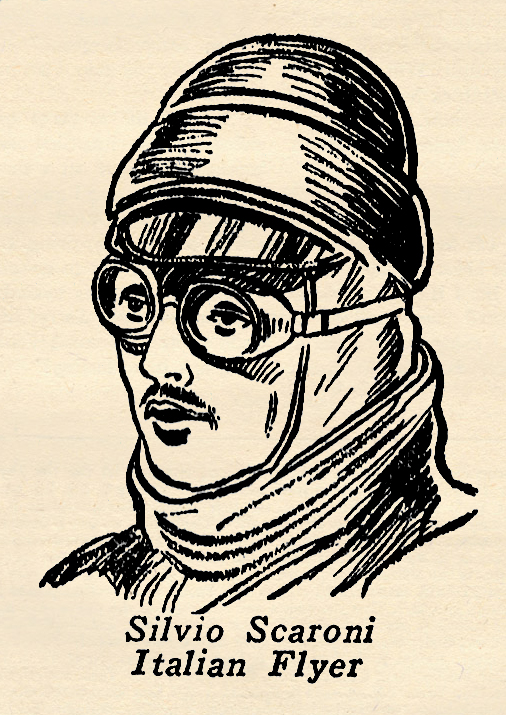 born at Brescia, Italy, and entered the aviation corps at the beginning of the war. As a bomber he was recognized as one of the best in the Italian Flying Corps and he was very adopt in handling big three-engined Capronis. But the big ships were too slow to satisfy Lieutenant Scaroni. He wanted to fly single Heaters and eventually managed to secure his transfer to a combat squadron on the morning of November 14, 1917.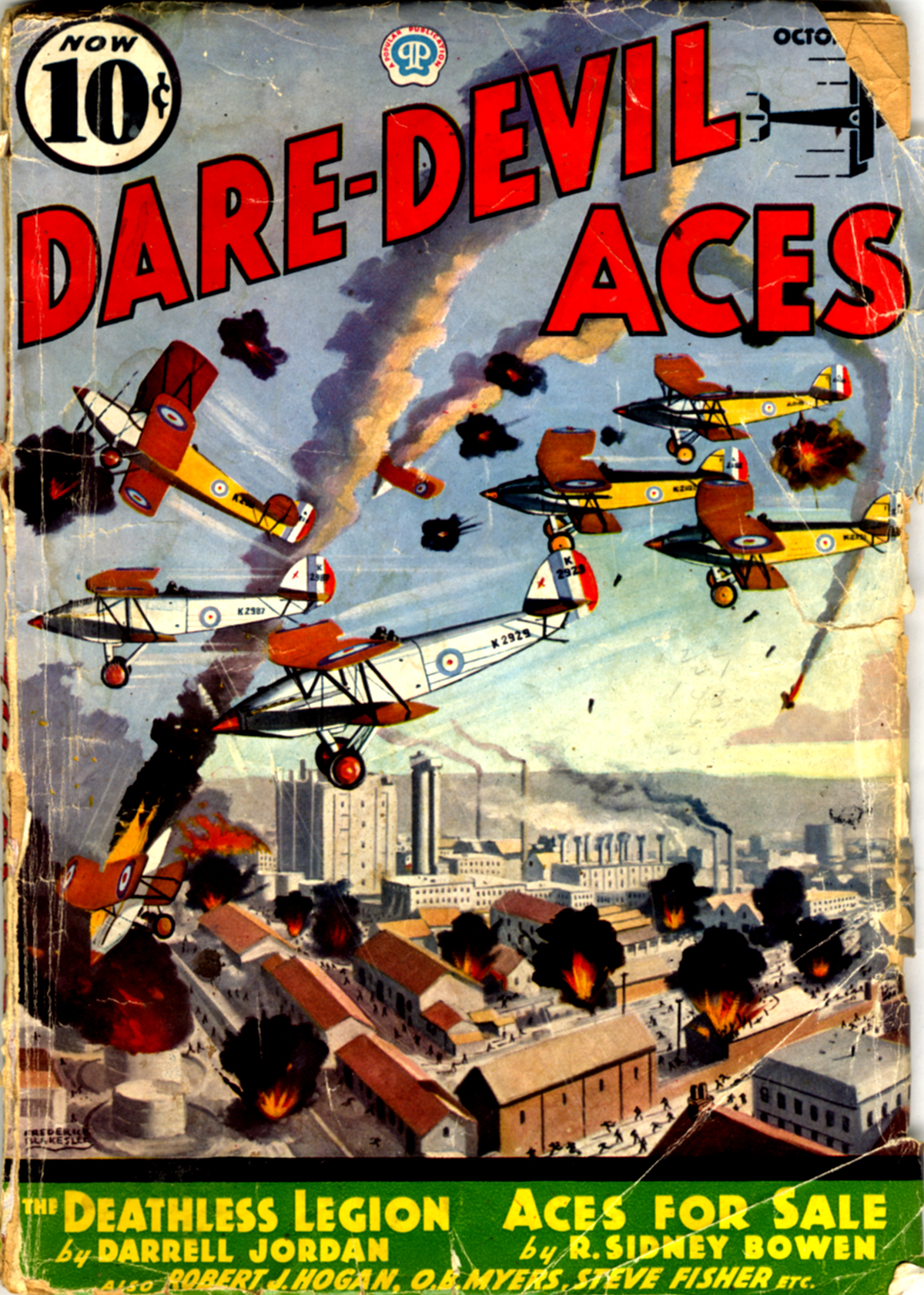
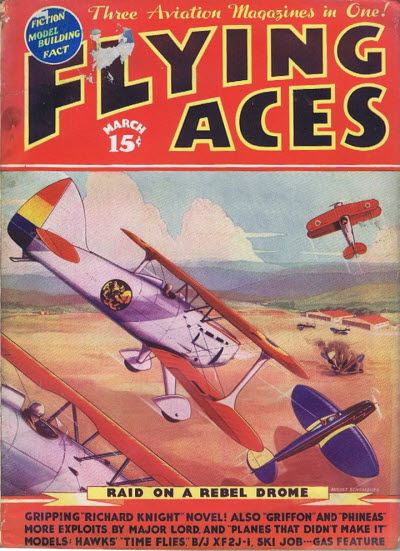 had a story in a majority of the issue of Flying Aces from his first in January 1930 until he returned to the Navy in 1942. Starting in August 1931, they were stories featuring the weird World War I stories of Philip Strange. But in November 1936, he began alternating these with sometime equally weird present day tales of espionage Ace Richard Knight—code name Agent Q. After an accident in the Great War, Knight developed the uncanny ability to see in the dark. Aided by his skirt-chasing partner Larry Doyle, Knights adventures ranged from your basic between the wars espionage to lost valley civilizations and dinosaurs. In this, his third adventure, Knight and Doyle come up against the mysterious Four Faces—a criminal cabal that seek to control all crime on the earth.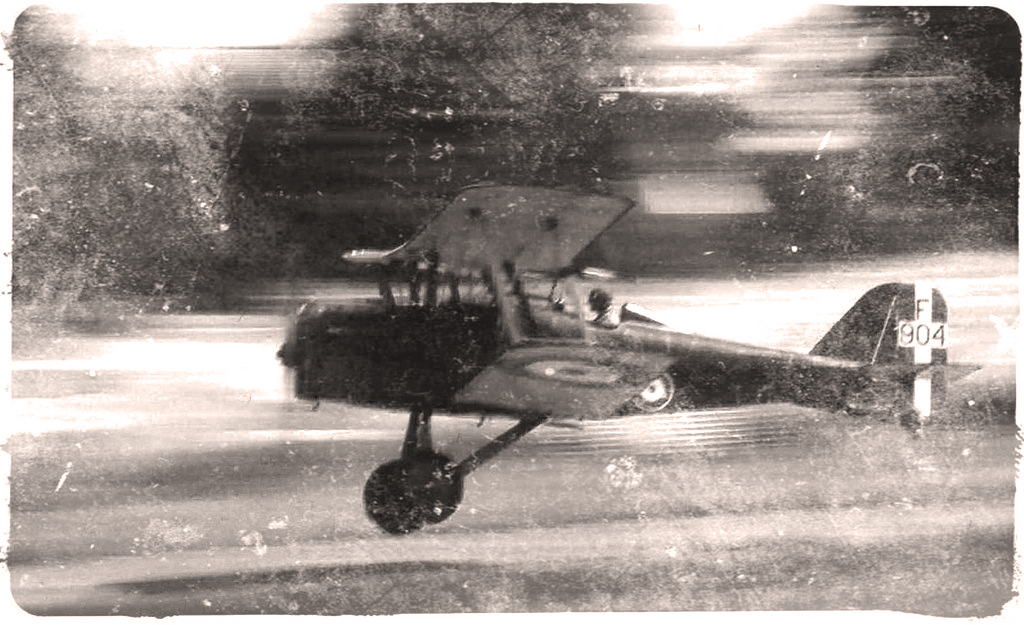
 a story from the one and only creator of The Three Mosquitoes—Ralph Oppenheim! Mickey Rand trained pilots to be Aces using his infallible techniques of air combat. That is until it seemed the German Ace Kemmerer had found a way to beat these tricks, downing three of Mickey’s star pupils and he wasn’t about to let his latest protege, Jim Conway be next!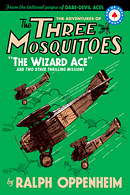
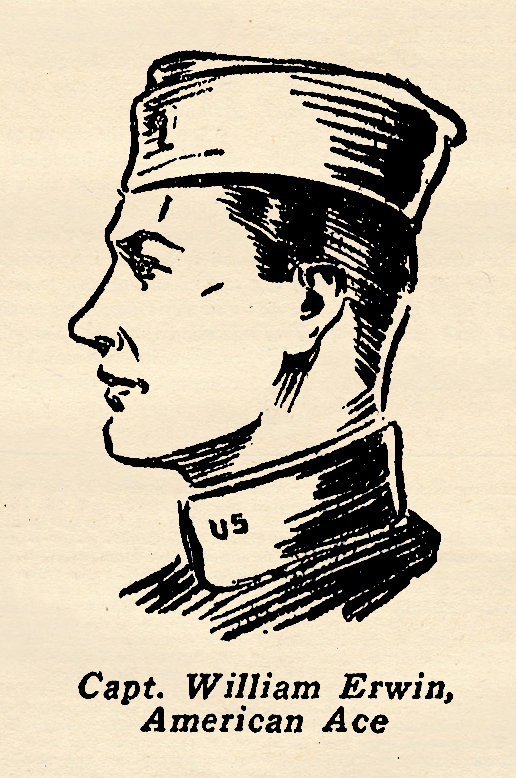 a unique record. He was the only accredited American observation ace, and piled up a string of 9 official victories while flying slow ungainly two-seaters. A Texan, William Erwin enlisted for training the day after war was declared. He received his commission as a Lieutenant after a bare forty hours of flight and was immediately sent overseas and assigned to the First Aero Squadron which he joined on its first day at the front. Before his first week he had downed an enemy plane and the French awarded him the Croix de Guerre. He was awarded additional recognition by the French and also received the American Distinguished Service Cross with Oak Leaves. Through the war safely, without ever having been wounded despite his rare courage and daring, he came to an untimely end while flying the Pacific in a futile search for the missing Dole flyers in 1923. Erwin, himself, recounted the following experience to the compiler of these records on a grey day in the Argonne many years ago.

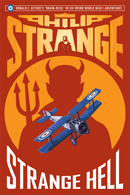 check out the latest volume of Donald E. Keyhoe’s Philip Strange—
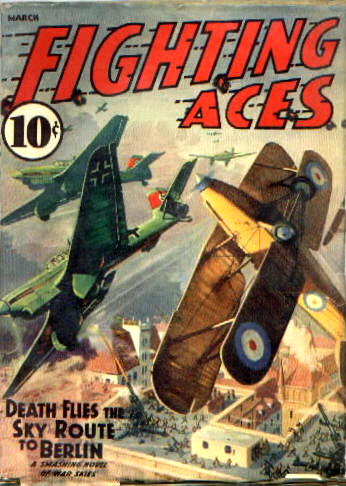 flew through the Hell Skies of 29 adventures in the pages of Dare-Devil Aces from 1932-1935. Cruickshank returned to the savior of the Western Front in six subsequent stories several years later. The first two were in the pages of Sky Devils (June 1939) and Fighting Aces (March 1940). The other four ran in Sky Fighters (1943-1946); and like Oppenheim had done with his Three Mosquitoes, so Cruickshank did with Sky Devil—he moved him to the Second World War where Bill Dawe changes his name to get into the air service and flys along side his son!
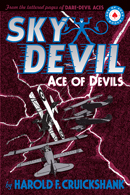 of Sky Devil and his Brood by Harold F. Cruickshank, check out our new volume of his collected adventures in