


From the Scrapbooks: Aces of Note
THIS Holiday Season we’re delving into a pair of scrapbooks that were created in the late 20’s and early 30’s by an industrious youth, Robert A. O’Neil, with a keen interest in all things aviation. The books contain clippings, photos and articles from various aviation pulps as well as other magazines. What has been assembled is a treasure trove of information on planes and aces of WWI.
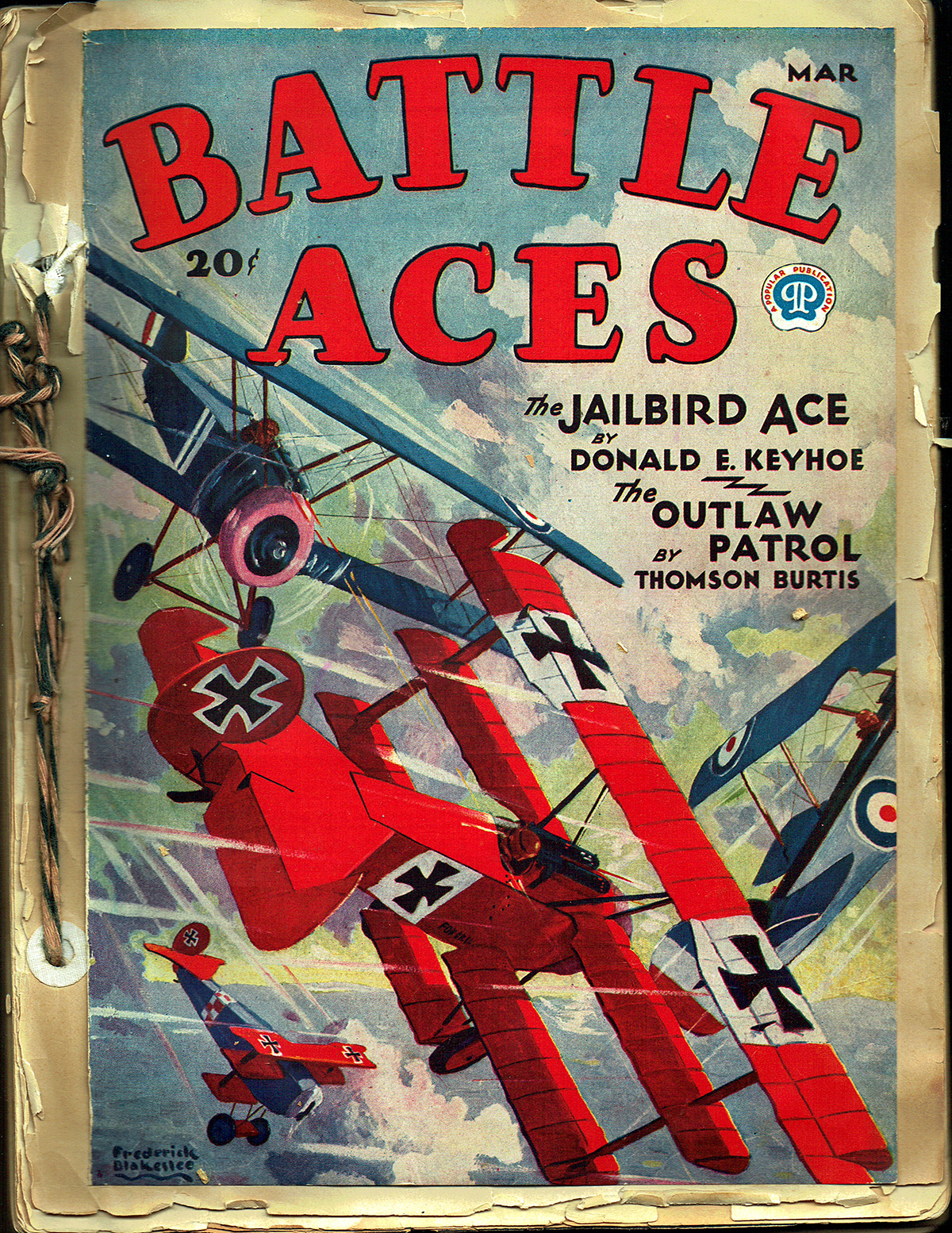 Like many in the late 20’s and early 30’s, Robert O’Neil was fascinated with aviation and not just the planes, but also some of the men who made a name for themselves flying them in The Great War.
Chronicled within the pages of the scrapbooks are such Aces the likes of:
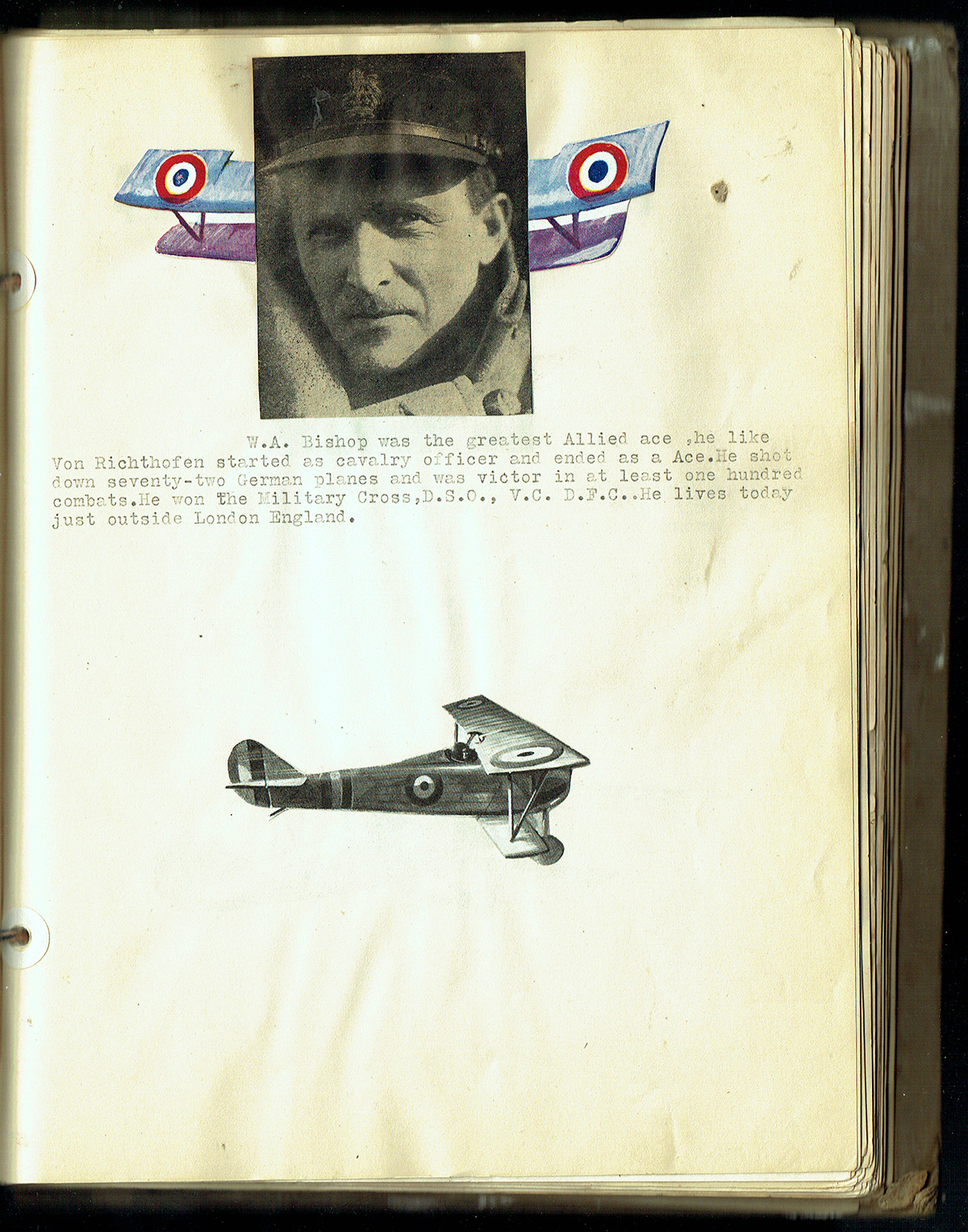
Billy Bishop
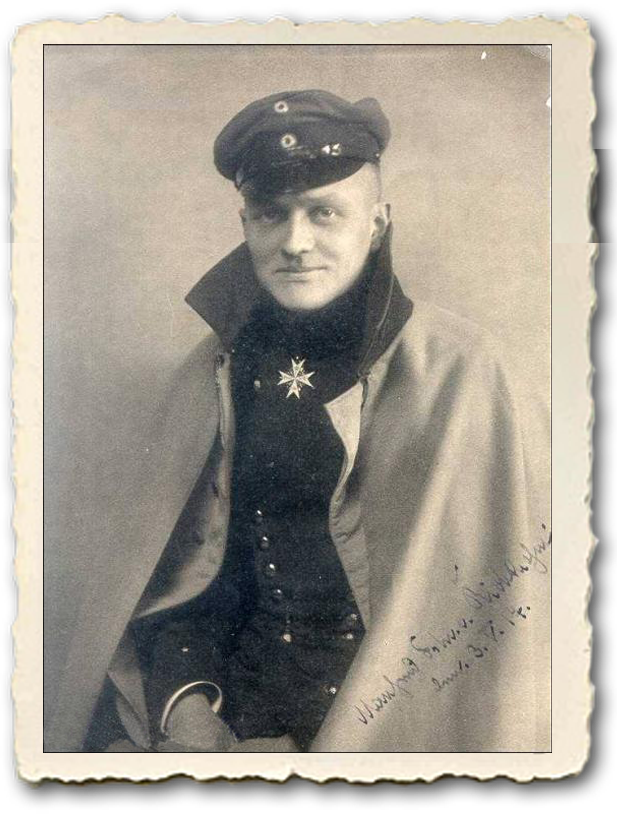
and The Red Baron himself––
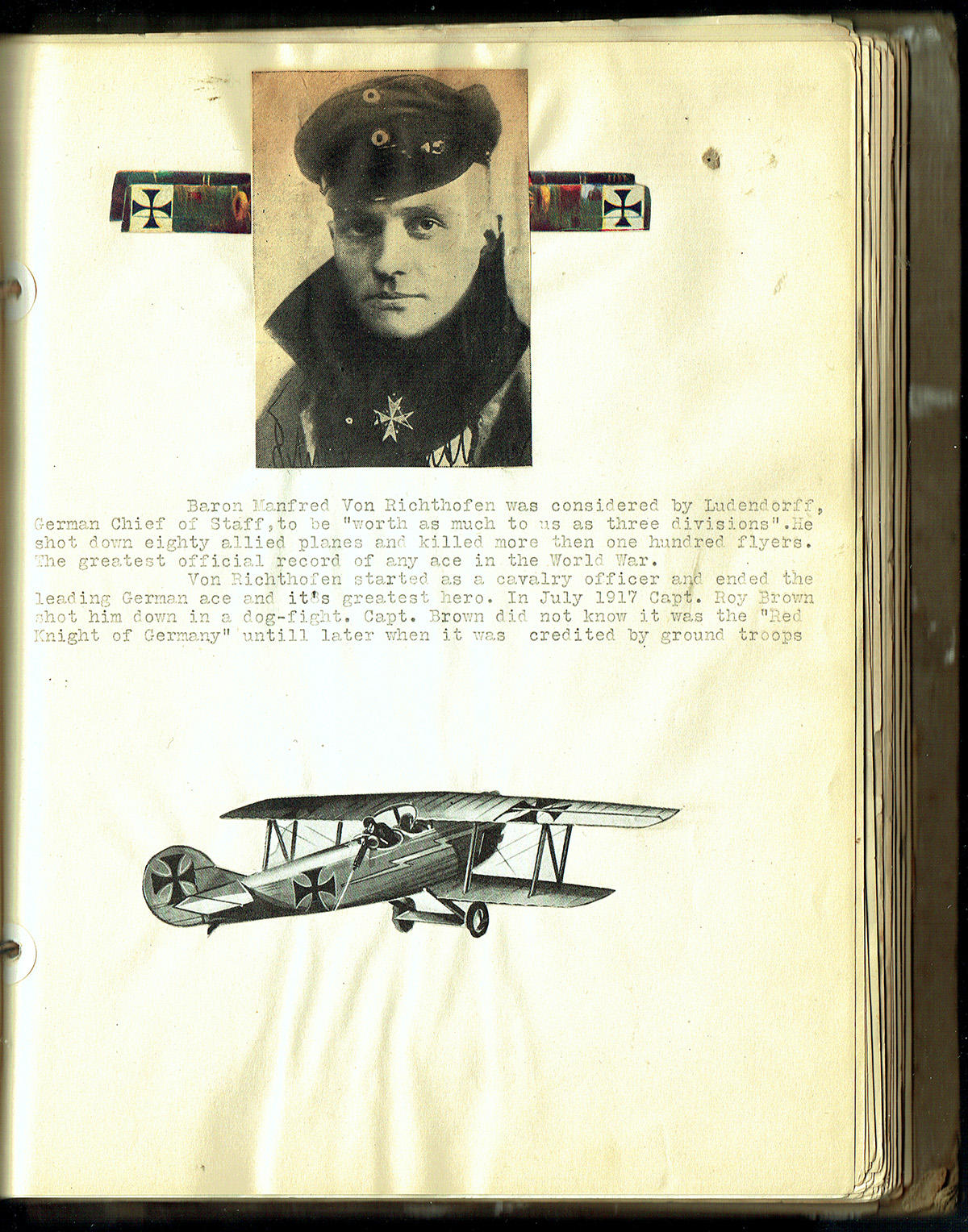
Baron Manfred von Richthofen
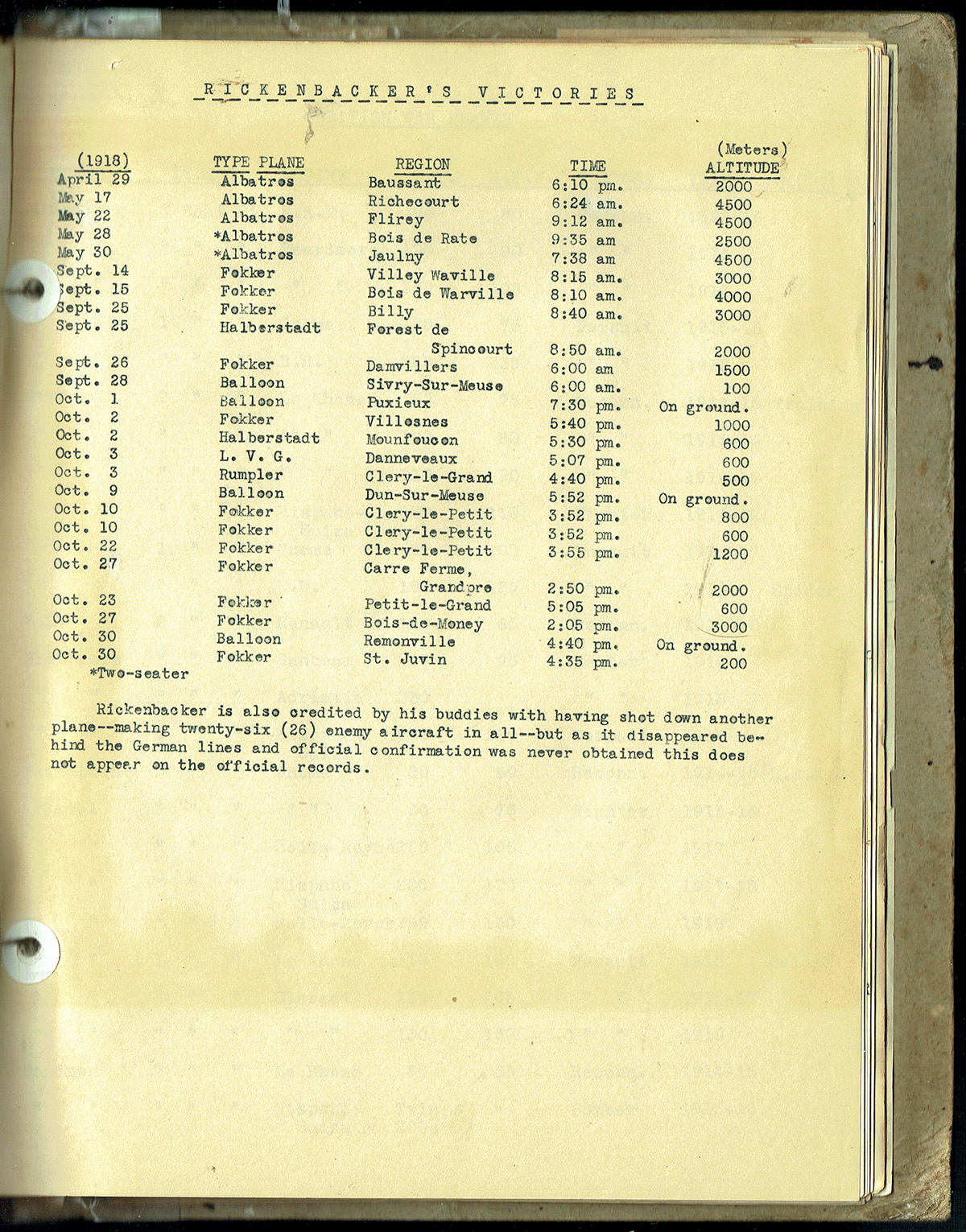
He has a page devoted to Rickenbacker’s Victories
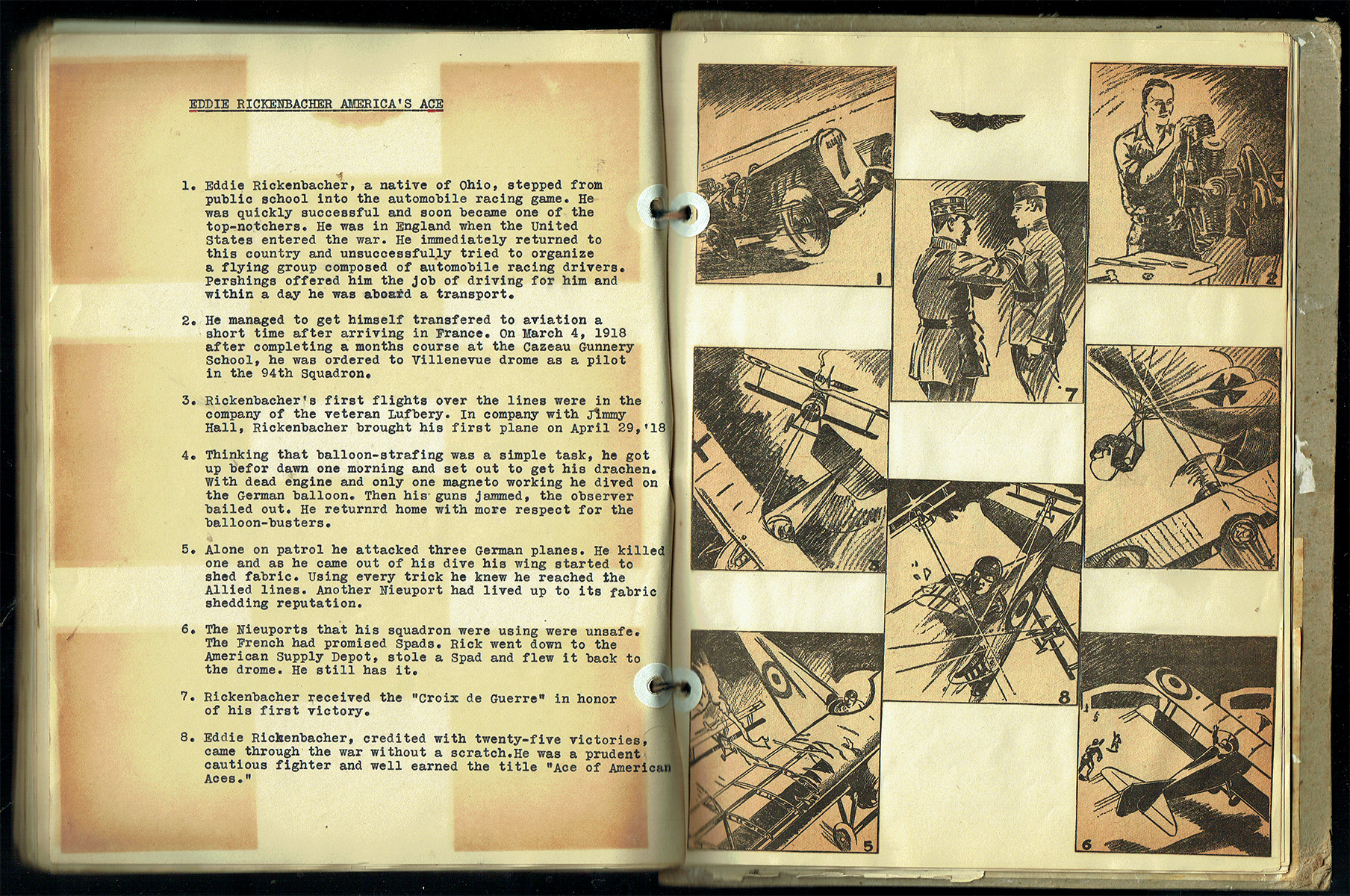
And includes the four installments of Flying Aces’ “Lives of the Aces in Pictures”. Here, he’s taken the images from the two page feature (as they were in the pulp-sized issues), pasted them on a page with the accompanying captions, typed out on the facing page.
He gave the same treatment for the Lives of Bert Hall, Soldier of Fortune (Flying Aces, June 1932), Georges Guynemer, Falcon of France (July 1932), and Lt. Werner Voss, German Ace (July 1933) as illustrated in pictures.
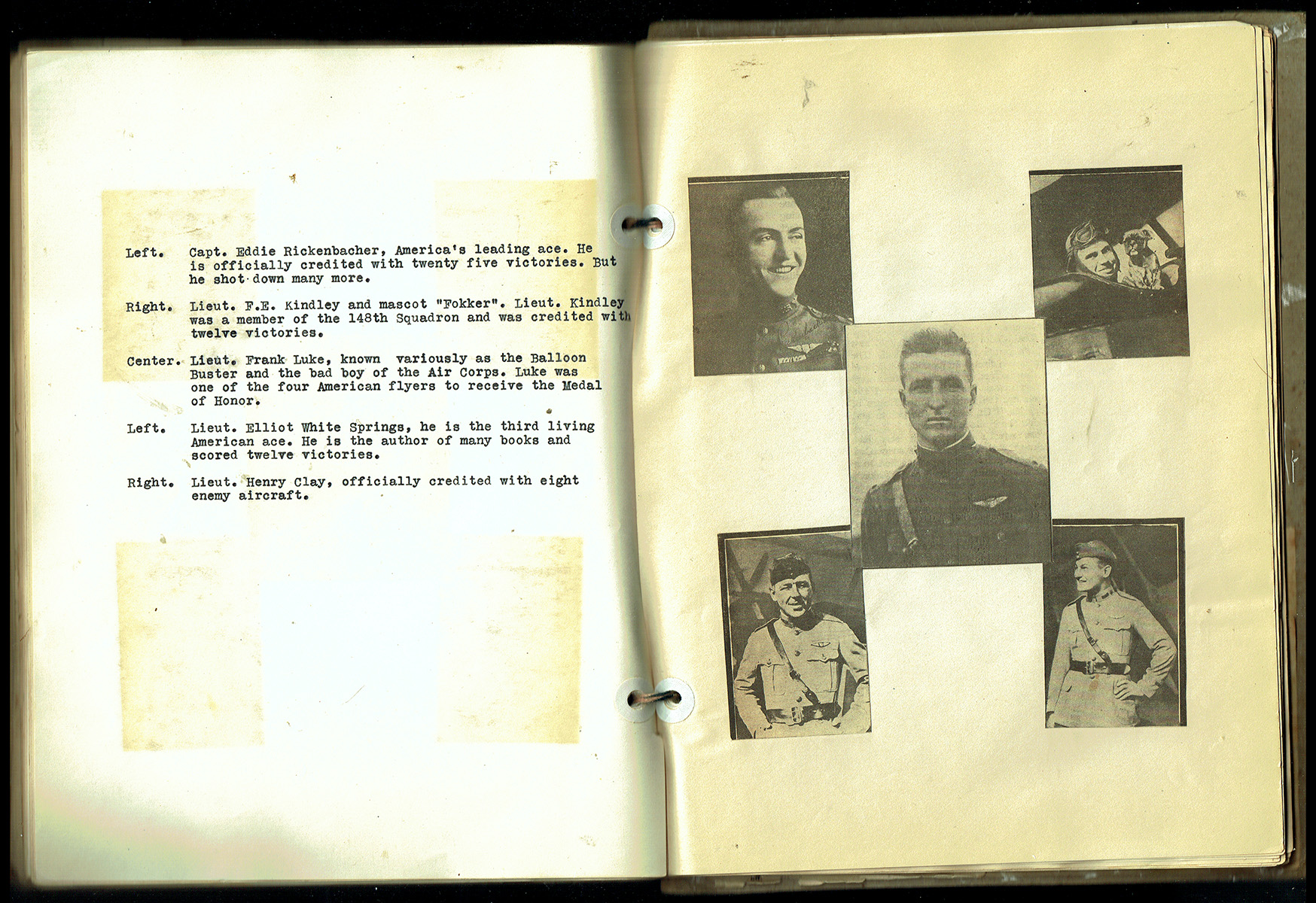
Scattered throughout are various mentions of aces from the pulps or the newspapers or other magazines.
 of
of 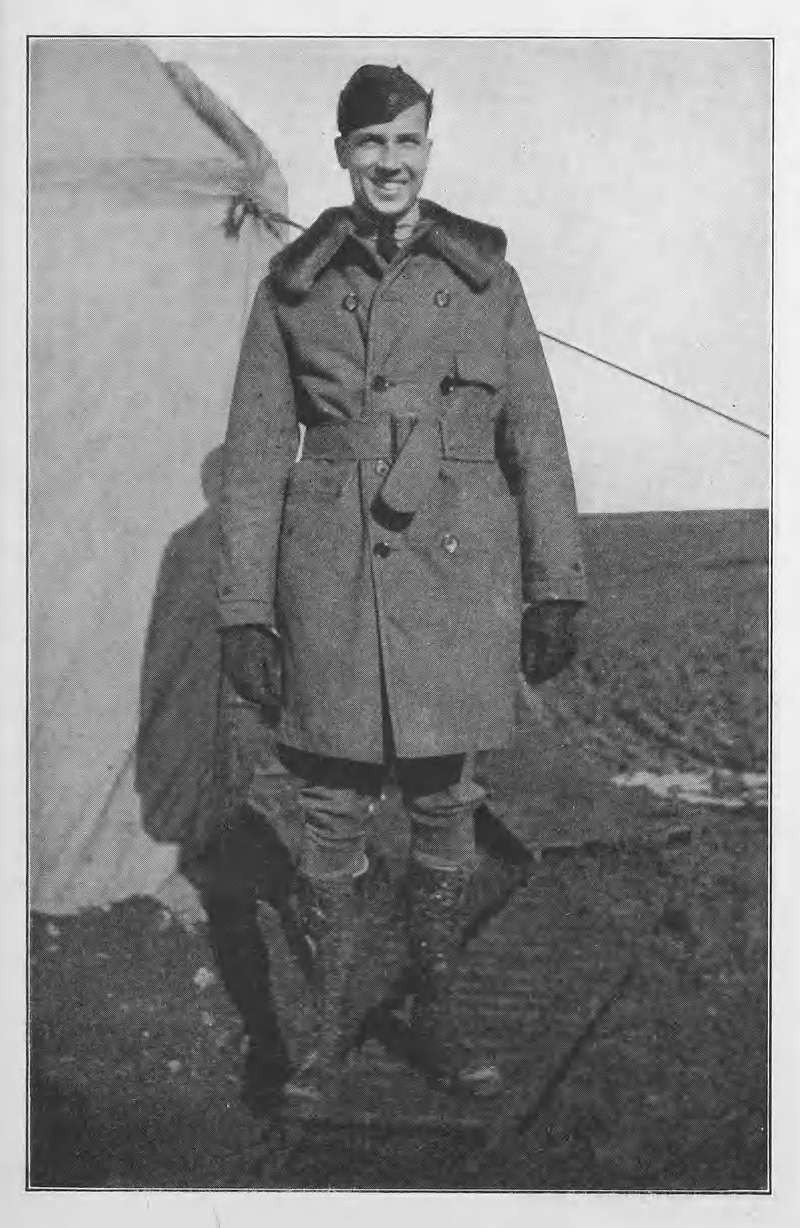
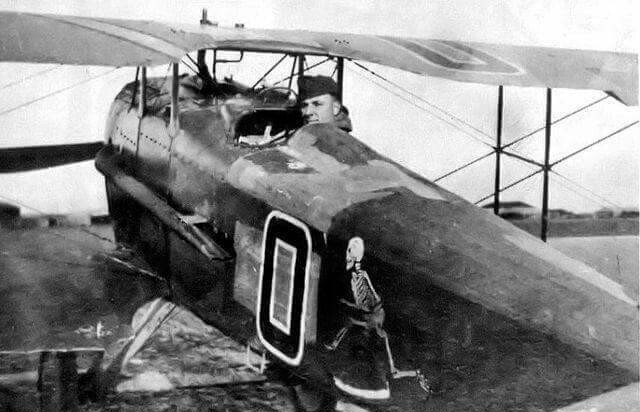
 Flight Commander in the 95th Aero Squadron. He is credited with seven victories and was awarded the Distinguished Service Cross with oak leaf cluster, the French Legion of Honor, the Croix de guerre and the Order of the Crown of Belgium. Sewall was the first American aviator whose machine had been
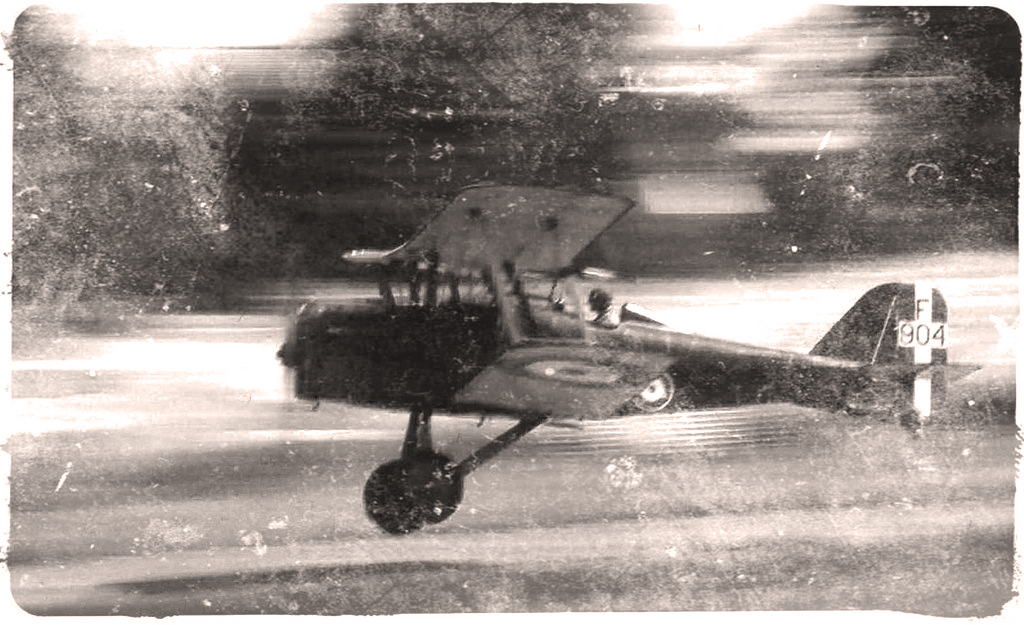
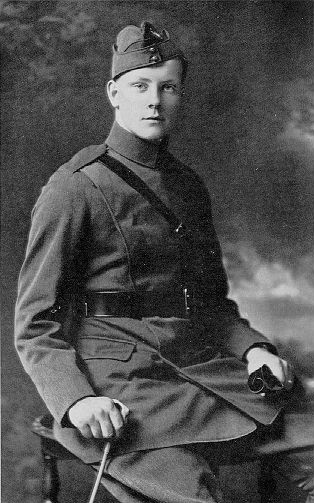 was born near Winnipeg in Stonewall, Manitoba, Canada to Scottish emigrant parents on April 20th, 1899. Although he was only fifteen when England declared war, he tried to enlist every year until he was finally accepted by the R.F.C. in April 1917. He won his wings quickly—soloing after only three hours flying time. Graduating after completing 50 hours flying experience, McLeod shipped overseas in August 1917.
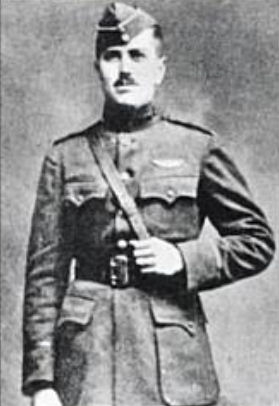
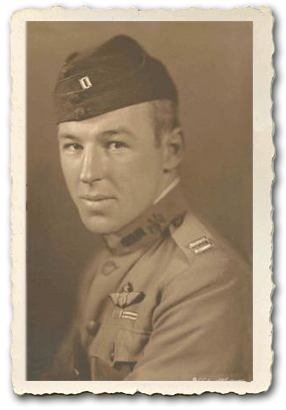
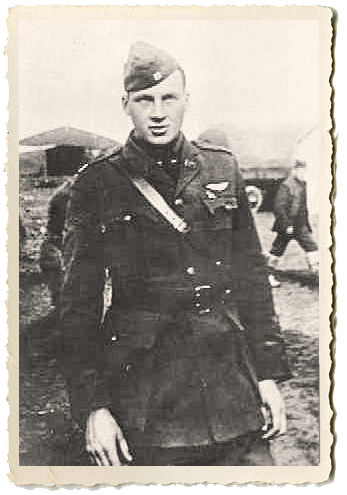 was born on September 1st, 1895, in Brookline, Massachusetts. He enlisted in the Aviation Section of the U.S. Army Signal Corps in July 1916, and began flight training at the School of Military Aeronautics at the Massachusetts Institute of Technology in June the following year.
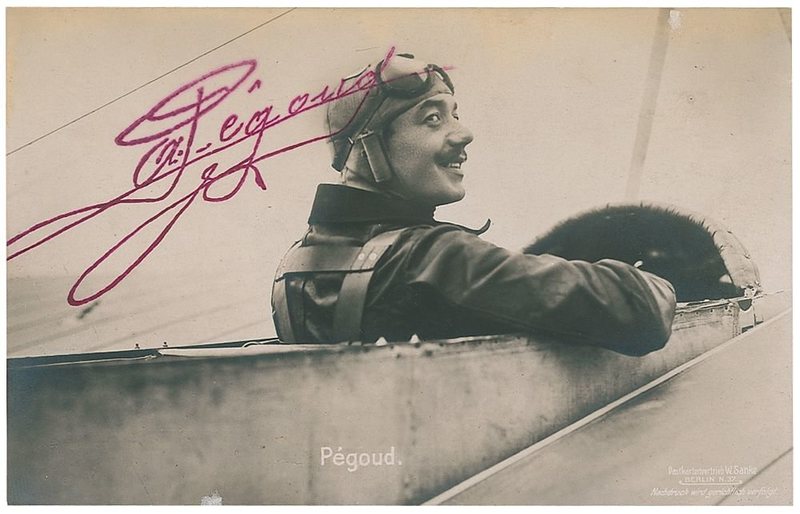
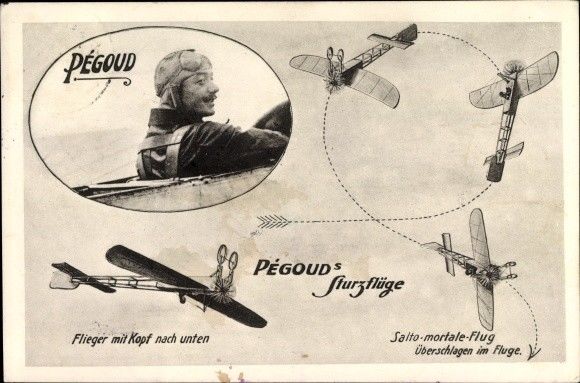
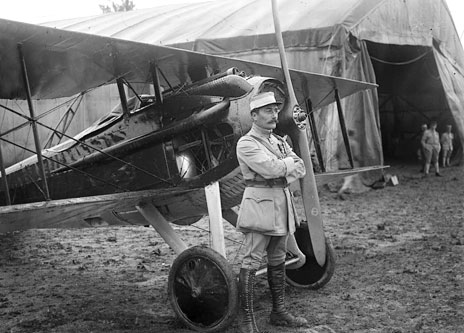
 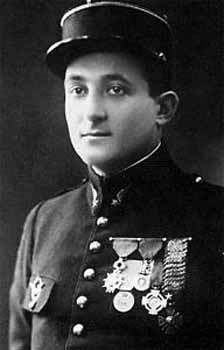 was one of the most famous of the French flying aces. Along with Guynemer, Navarro and Nungesser, he furnished the spectacular flying news that filled the newspapers in the early days of the World War. He was credited with forty-one victories—only the great Guynemer topped him in the list of French aces during his time on the battle front—and awarded the Legion d’Honneur, Medaile Militaire, and Croix de Guerre.